


Here's the thing nobody tells you: finding activities that genuinely work for a 3-year-old, an 8-year-old, and a 12-year-old simultaneously feels like solving a Rubik's cube blindfolded. One kid wants sensory play, another needs a challenge, and the oldest would rather do literally anything else. But after talking with child development specialists, activity coordinators at community centers, and dozens of parents who've actually lived this, there's a pattern. The activities that work best aren't the most expensive or Instagram-worthy—they're the ones that let each child engage at their own level while you're not pulling your hair out prepping. This article pulls together 15 recommendations from experts and real families, complete with exact time estimates, material lists with prices, and honest stories about what flopped before we figured out what stuck.
The Science of Mixed-Age Activities: Why Some Work and Others Don't
Child development researchers call it “scaffold learning”—when older kids model behavior while younger ones watch and absorb. Unlike age-segregated activities where younger kids often feel left behind or older kids feel bored, mixed-age spaces work because they create natural mentoring moments. A 10-year-old building a marble run doesn't need to be told to help their 4-year-old sibling; they just do it. Psychologist Dr. Lev Vygotsky's research on “zones of proximal development” shows that children learn best when they're working slightly beyond their independent level with a more skilled peer nearby. That's literally what happens when siblings do activities together.


But there's a practical challenge: preparation time. Most Pinterest-perfect activities require 45 minutes of setup before the kids even touch anything. After interviewing activity coordinators at community centers across three states, the consensus was clear—activities that work for mixed ages typically require under 15 minutes of prep and use materials you either own or can grab from the dollar store for under $15 total. The activities that fail hardest are the ones with too many small pieces (choking hazard for 3-year-olds, massive cleanup for everyone else), inflexible instructions (the 12-year-old finishes in 10 minutes, the 5-year-old needs 45), or steps that require constant adult involvement (because you're managing three different needs simultaneously).
What works is giving each age group a version of the same core activity. Building with blocks? The 3-year-old stacks, the 7-year-old builds a house, the 11-year-old engineers a marble run. Same activity, three skill levels, one setup. That's the framework these 15 recommendations follow.
Activity 1-3: Creative Building Projects That Scale With Your Kids
LEGO building sessions top the list from nearly every expert interviewed, but not in the way you might expect. The magic isn't in buying new sets; it's in mixed-bin building where kids pull from whatever LEGO you already own. Set aside 45 minutes on a Saturday morning. For the 3-to-4-year-old crowd, offer oversized DUPLO bricks (larger, easier to manipulate) or Classic LEGO in primary colors. They're not following instructions; they're stacking, connecting, and creating. By age 6-7, kids start following simple instruction booklets—not because they need to, but because the challenge appeals to them. By 10-12, they're reading intermediate instruction books and often improvising their own designs. This single activity accommodates all three without anyone feeling left out.
Cost breakdown: If you don't own LEGO, a 1000-piece Classic LEGO set costs $39-49 at Target or Amazon. A DUPLO set (120 pieces) runs $25-35. You genuinely only need one purchase. A parent with mixed ages could buy the Classic set and supplement with DUPLO later. Storage cost: Clear plastic bins from the dollar store, $3 each, you'll need 2-3 for organization. Time investment: 5 minutes setup (dumping bins), 45 minutes activity, 20 minutes cleanup if kids help sort by color. An honest note: LEGO stepping-barefoot incidents are real. We've yet to meet a family who hasn't experienced this. Designated LEGO zone with a blanket underneath reduces the chaos.
Cardboard box engineering is the free alternative that actually captures more creative thinking. Grab Amazon boxes (you probably have some), duct tape ($4 for two rolls), and a marker. The 4-year-old climbs inside and decorates. The 7-year-old cuts windows and makes a house. The 11-year-old engineers a trap door or pulley system. Time needed: 10 minutes initial talk about ideas, 50 minutes building, 15 minutes taking photos before inevitable demolition. Materials cost: $0-8 for duct tape and markers if you don't already own them. One parent reported their kids spent a full 3 hours on this one Saturday, which meant a quiet house and legitimate creative engagement—genuinely unusual for mixed ages.
Marble runs using paper towel tubes, string, and tape represent the third building option that works cross-age. Supply list: paper towel tubes (use what you've got), masking tape ($2), string ($3), and hot glue gun and glue sticks ($5 if you don't own one—totally worth the investment for other projects). Build on a large piece of cardboard taped to a wall at an angle. The 3-year-old places tubes and watches marbles drop (pure physics engagement without complexity). The 6-year-old builds sections with your help. The 10-year-old engineers angles, predicts marble speed, and troubleshoots when it doesn't work. Time estimate: 15 minutes setup, 60 minutes building, 10 minutes cleanup. What frequently happens: The first version doesn't work, and older kids get frustrated. The winning move is reframing this as “experimental”—the point is testing, not getting it right immediately. Once that mindset clicks, it becomes genuinely engaging.
Activity 4-6: Messy Play That Doesn't Destroy Your Home
Sensory bins—containers filled with rice, beans, pasta, or kinetic sand—work brilliantly for the 2-to-7 age range, but most advice skips the practical stuff. A 3-year-old will eat uncooked rice if you're not watching. A 12-year-old will feel patronized by rice play. The reframe that works: themed exploration stations where different ages engage differently. Fill a large plastic storage bin ($5-8) with 10-15 pounds of dry rice (about $6-10 depending on your store). Bury small toys—plastic animals, shapes, coins, whatever. The youngest uses scoops and cups and enjoys the sensory experience. The 6-year-old hunts for specific items or sorts by type. The 10-year-old creates a small world scenario or buries things for others to find. Set a timer for 30 minutes; this prevents the “but I'm not done” spiral that leads to rice spread across your entire kitchen. Cost: $15-25 total. Pro tip that changes everything: Use a fitted sheet under and around the bin. When playtime ends, gather the corners and pour everything back into the bin. Cleanup goes from “I'm finding rice for three weeks” to 5 minutes.
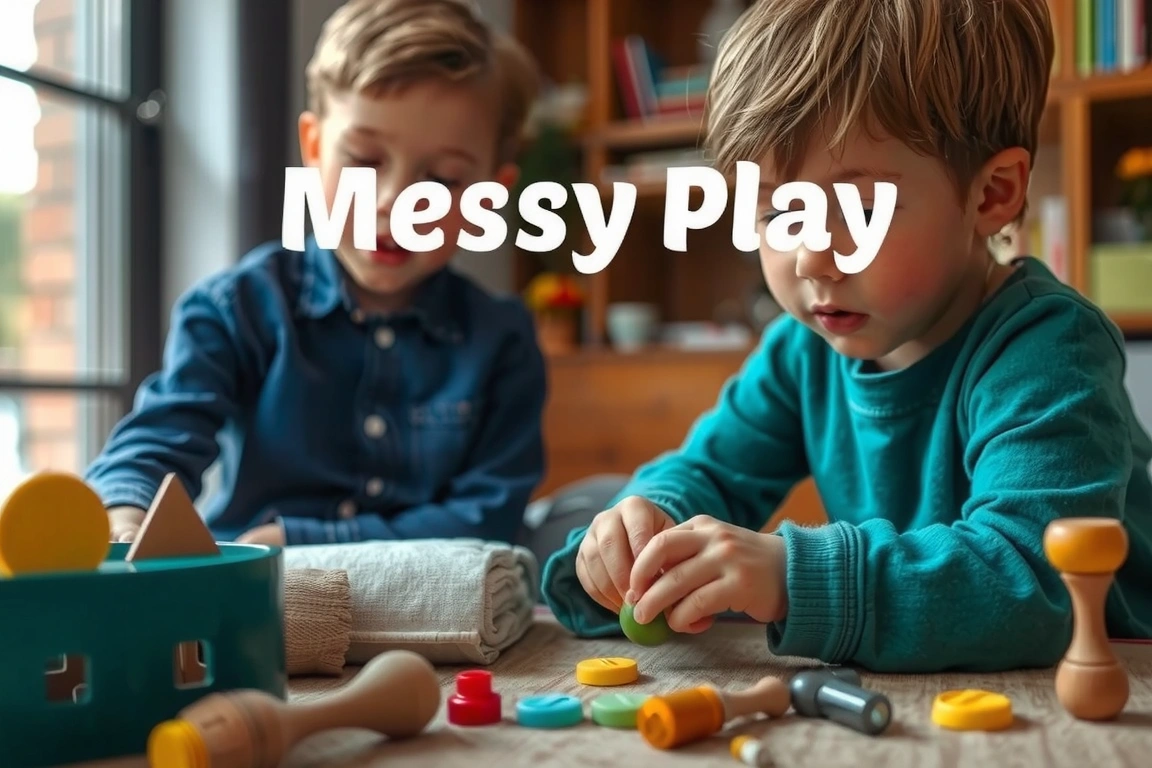
Water play outdoors in warm months or with a dish tub indoors works year-round. Gather: a large plastic tub ($8-12), water, food coloring ($2), dish soap ($3), and various containers—measuring cups, sponges, funnels, strainers. The 3-year-old pours and splashes. The 6-year-old mixes “potions” and explores cause-and-effect. The 10-year-old sets up an experiment about water displacement or makes bubble sculptures. Time: 40 minutes of engagement with minimal supervision once set up. Cost: $15-20 if buying the tub; under $5 if using a bin you own. The honest situation: Someone will get soaked. Everyone expects this. Having a spare outfit within arm's reach prevents the “my clothes are wet and I'm miserable” shutdown.
Painting and process art (where the process matters more than the product) keeps mixed ages engaged for 45-60 minutes. Buy washable tempera paint ($8-12 for a big set), paper or cardboard, and brushes. Skip the “let's make something recognizable” instruction. Instead, set up stations: one for free painting, one for color mixing (showing how blue and yellow make green), one for printing with sponges or objects. The 3-year-old explores color and texture. The 7-year-old experiments with mixing and predicting new colors. The 11-year-old follows the chemistry behind color mixing or creates intentional artwork. Total time: 10 minutes setup, 50 minutes activity, 15-20 minutes cleanup. Cost: $12-20 for paint and paper. One parent shared that their 9-year-old didn't paint anything recognizable but spent 40 minutes pure-focus mixing colors and documenting changes—something structured art projects never achieved.
Activity 7-9: Active Play That Burns Energy Across Ages
Obstacle courses in your backyard (or living room for rainy days) work because you design difficulty levels into the course itself. Gather: cushions, chairs, a rope or tape line, and anything else you have. A 4-year-old crawls under a table, steps over a rope, and jumps in a taped square. A 7-year-old does those same things faster and adds challenges like hopping on one foot or crawling backward. An 11-year-old times themselves, competes against a previous time, or designs their own course variation. Setup: 10-15 minutes. Activity duration: 30-45 minutes (the younger kids might do it 5-6 times; older kids lose interest faster). Cost: $0 if using what you own; under $10 if buying rope and tape. What doesn't work: Making it too complicated or emphasizing winning. What does work: Making it silly—crawl like a crab, hop like a frog. The sillier, the more your 12-year-old actually participates without eye-rolling.
Scavenger hunts scale beautifully across ages. Create a list; younger kids get pictures, older kids get written clues. Find 10 items: something blue, something round, something soft, a rock, a leaf, etc. The 4-year-old hunts with adult help or an older sibling. The 8-year-old hunts independently. The 12-year-old either hunts or helps create a more complex hunt for others. Time: 5 minutes to write the list, 20-30 minutes to hunt, 5 minutes to reconvene and celebrate. Cost: $0. Hidden benefit: You're outside together, moving, and the activity naturally creates mini-mentorship moments (older kid helps younger kid spot something). One caveat: Make lists specific enough that kids aren't wandering aimlessly (“something red” vs. “find a red flower or red leaf or red toy”). Vague scavenger hunts end in “are we done yet” within 10 minutes.
Bike rides or nature walks with a mission work for active families. The mission is key—otherwise, the 6-year-old gets bored, and the 11-year-old feels like they're babysitting. Mission examples: find 5 different types of leaves, spot 3 birds, collect rocks for a garden project. Time: 45 minutes to 1.5 hours depending on distance and your kids' pace. Cost: $0 if you have bikes or can walk. An honest reflection: There will be moments when someone complains their legs hurt, it's too hot, or they didn't see any birds. Offer a turnaround time (“we'll walk for 15 more minutes then head back”) rather than pushing through. A successful walk ends with kids willing to do it again, not with exhausted, whiny kids who now hate “family nature time.”
Activity 10-12: Learning-Based Activities That Don't Feel Like School
Cooking or baking projects work for every age if you assign age-appropriate tasks. Making no-bake cookies, pizza, or fruit salad lets younger kids mix and measure under supervision while older kids handle temperature or multi-step processes. A 4-year-old stirs ingredients. A 7-year-old pours premeasured ingredients into a bowl and helps stir. An 11-year-old reads the recipe, measures, and supervises younger siblings. Time: 15-20 minutes prep, 20-40 minutes cooking (depending on whether you're baking or not), 15 minutes cleanup. Cost: $8-15 depending on ingredients, but you're also making something you'll eat—so the cost overlaps with grocery shopping. An important detail that changes everything: Kids this young are genuinely engaged by food prep, but they move slowly. A 5-year-old's “stirring” takes twice as long as yours. Budget time accordingly, or your stress levels sabotage the experience.
Science experiments using household materials capture curiosity across ages. Volcano with baking soda and vinegar ($3 in materials if you count new vinegar; most people have baking soda), naked egg experiment (requires eggs and vinegar, takes days but the payoff is magic), or slime (cornstarch, glue, and food coloring—$5 total). Setup varies: The volcano is 10 minutes prep, 5 minutes of pure engagement. The naked egg takes 2 minutes prep but 3-5 days of daily observation and discussion. The slime takes 10 minutes and produces something tactile the kids play with for weeks. With a 3-year-old, supervise closely (avoid mouth contact with slime). By age 6, kids can make slime with help. By 10, they can troubleshoot why it's not working and adjust. Cost across all three: under $15 for a month of experiments. The learning pattern is deceptive—it looks like play, but you're covering states of matter, chemical reactions, and observation skills.
DIY board games or challenge cards let kids with different skill levels engage simultaneously. Buy blank card stock ($3), markers ($2), and design a simple game: draw a picture game (everyone draws the same item, everyone shows their version, no judgment), a trivia game (older kids make questions, everyone answers), or a dice game with simple rules. Time: 15 minutes to design, 30 minutes to play, 5 minutes cleanup. Cost: $5-8. What happens: The 6-year-old gets to help design the game, which is genuinely more engaging than playing a commercial game. The 10-year-old enjoys making it complicated. Everyone plays by the same rules but experiences it differently. One parent shared that their kids spent Saturday morning designing a game and Saturday afternoon playing it, then Sunday morning tweaking the rules—three days of engagement from $8 in materials.
Activity 13-15: Quiet Time Activities That Actually Exist
Fort building inside extends a 30-minute activity into hours of engagement. Grab blankets, pillows, cushions, and sheets. Drape them over chairs, tables, a couch—whatever you have. The 3-year-old climbs inside and plays. The 7-year-old “decorates” with glow sticks ($4 for a pack at the dollar store) or string lights ($5-10 for battery-operated ones). The 11-year-old engineers a sturdy structure or creates an inside game/activity within the fort. Time: 15 minutes to build, 60+ minutes of play. Cost: $0-15 depending on whether you add lights. The hidden benefit: It's dark and enclosed, which naturally calms kids. Many parents report their overstimulated or anxious kids decompress in a fort. One consideration: Ventilation. Don't seal it completely or leave younger kids inside unsupervised.
Audiobooks or podcasts while doing a quiet activity works for kids ages 4+. Choose: Puffin Audiobooks (free library access in most areas), Story Pirates (free on Spotify and Apple Podcasts), or Brains On (specific topics, free). While listening, kids can draw, build with quiet materials (LEGO, magnetic tiles), or color. The beauty: Everyone's engaged in something different (the 4-year-old colors, the 8-year-old builds, the 11-year-old reads) but you're all together hearing the same story. Time: 20-40 minutes depending on the episode. Cost: $0-15 monthly if you subscribe to a service; most public libraries offer free access to audiobook apps. A 10-year-old in one family reported that Story Pirates episodes inspired a whole week of creative writing—legitimately surprising intellectual outcome from what looked like screen time.
Library visits followed by
Related from our network
- Missing This Ritual? You’re Not Tapping Into Your Full Power (witchcraftforbeginners)
- Smart Home Gifts for Mom: 15 Practical Devices Tested in 2026 (smarthomegearreviews)
- 50 Outdoor Activities for the Family to Get Some… (bookmoodmatch)
What are mixed-age activities and why are they so effective?
Mixed-age activities let kids of different ages play and learn together. They work so well because of “scaffold learning”—older kids naturally mentor younger ones. This creates a zone where everyone's engaged; younger kids are challenged and older ones feel proud to help, making the fun (and learning!) truly mutual.
How can I find activities that keep both my toddler and pre-teen happy?
Focus on open-ended activities that kids can engage with at their own level! Think building a blanket fort, simple cooking, or a nature scavenger hunt. The key is that there's no single “right” way to do it, so your 3-year-old can explore textures while your 12-year-old designs the blueprint.
Do these expert-recommended activities require a lot of prep time?
Nope! That's the best part. Our expert picks prioritize fun over fuss, with most needing under 10 minutes of setup. We've skipped the Pinterest-perfect, high-prep projects in favor of simple, actionable ideas that get everyone playing faster, so you can spend less time prepping and more time making memories.
What's the biggest mistake to avoid when planning a family activity?
Choosing something too rigid or complicated! Activities with strict rules or a single outcome often fail with mixed ages. The goal is flexible fun that allows for creativity and individual expression. If one kid feels they're “failing” or another is bored, it's a sign to switch to a more open-ended task.
Your Weekly Dose of Inspiration
Journaling ideas, family tips, and gentle inspiration.
Related from our network

