


You'll save 30-40% on educational family vacations by traveling during shoulder seasons and booking flights six weeks ahead on Tuesdays or Wednesdays. Choose accommodations with kitchens ($80-150/night for vacation rentals) to prepare most meals, then splurge on one culturally significant restaurant experience. Target free museum days, historical landmarks, and nature reserves while changing every moment into learning through local market visits and community interactions. Have kids research destinations beforehand and create presentations afterward to deepen their understanding—the strategies below show you exactly how to optimize both education and savings.
Key Takeaways
- Travel during shoulder seasons and mid-week for 30-40% savings on flights and accommodations compared to peak periods.
- Choose budget lodging with kitchens like vacation rentals or hostels to prepare meals and reduce dining costs significantly.
- Visit free attractions including museums on discount days, historical landmarks, nature reserves, and cultural festivals for learning.
- Book flights six weeks ahead on Tuesdays or Wednesdays and use public transit or bike rentals for transportation.
- Enhance learning through pre-trip research assignments and post-trip reflection activities like presentations and photo books.
Timing Your Trip to Maximize Savings and Educational Opportunities
Get the latest insights delivered straight to your inbox.

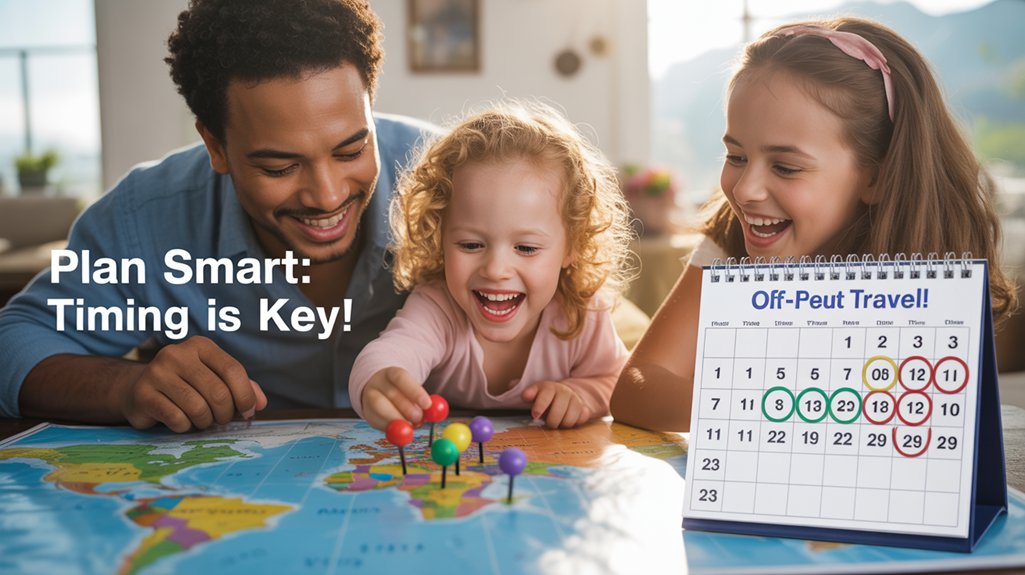
When you travel during shoulder seasons—typically late spring and early fall—you'll slash costs on flights and hotels while gaining access to uncrowded museums and attractions where kids can actually learn.
Off-peak discounts often reach 30-40% compared to summer rates, letting you stretch your budget further.
Save 30-40% on family travel by booking during off-peak seasons instead of expensive summer vacation periods.
Consider planning trips around educational events. Many science centers and historical sites offer special programming during less crowded periods, giving your family personalized attention from docents and educators.
Your children won't spend vacation time waiting in lines or struggling to see exhibits.
Seasonal travel also teaches valuable lessons about resource management and smart planning. You're modeling financial wisdom while creating meaningful experiences.
Mid-week visits amplify these benefits—Tuesday through Thursday rates beat weekend pricing considerably.
Check school calendars for teacher workdays and extended weekends.
These strategic dates deliver educational opportunities without missing substantial classroom time, serving both your family's growth and academic responsibilities.
While traveling with children, consider how media exposure during trips can affect their processing of new experiences and educational content.
Finding Affordable Accommodations That Keep Families Comfortable
Your destination timing matters little if accommodation costs devour your budget before you arrive. Smart families know that budget vacation rentals often provide more space and kitchen access than cramped hotel rooms, stretching food dollars considerably.
Compare your options systematically:
| Accommodation Type | Average Family Cost | Key Educational Benefit |
|---|---|---|
| Vacation Rentals | $80-150/night | Kitchen for cooking lessons, local neighborhood immersion |
| Family Friendly Hotels | $100-180/night | Concierge tips, educational program partnerships |
| Hostels (Family Rooms) | $60-100/night | Cultural exchange with international travelers |
| Home Exchanges | $0-50/night | Authentic local living, cross-cultural friendships |
| Campgrounds | $25-60/night | Nature education, outdoor skill development |
You'll find vacation rentals particularly valuable when traveling with multiple children. The extra bedrooms, laundry facilities, and communal spaces reduce stress while keeping everyone comfortable. Consider properties near museums or historical sites, allowing walking access that eliminates transportation costs while maximizing learning time.
When traveling with young children, remember that early childhood development during these formative years makes educational experiences particularly impactful for lifelong learning and well-being.
Free and Low-Cost Educational Attractions Worth Visiting

While destination research excites most families, discovering free attractions converts that excitement into genuine affordability.
You'll find most cities offer museum discounts on specific weekdays, with many waiving admission entirely on first Sundays or Thursday evenings. Historical landmarks rarely charge entrance fees, providing rich learning experiences without straining your budget.
Nature reserves deliver hands-on science lessons while keeping costs minimal. Science centers and art galleries frequently host free educational workshops designed specifically for children. You can optimize these opportunities by checking local tourism websites before departure.
Cultural festivals present immersive experiences showcasing traditions, music, and cuisine at no cost. Many zoo programs offer discounted morning hours or special family rates during off-peak seasons.
State parks typically charge only nominal parking fees while offering ranger-led programs.
Contact visitor centers directly—they'll connect you with community resources other tourists miss. This approach guarantees your children gain valuable knowledge while you maintain financial boundaries that honor your family's stewardship responsibilities.
Transportation Strategies That Won't Break Your Budget
Getting your family to educational destinations doesn't have to drain your vacation fund if you're strategic about it.
You'll save hundreds of dollars by booking flights at least six weeks in advance—we've found Tuesday and Wednesday departures typically offer the lowest fares.
Once you're there, skip expensive rental cars and taxis by using public transit, hotel shuttles, and ride-sharing apps that cost a fraction of traditional transportation.
Book Flights Early Saves
The sweet spot for booking domestic flights sits between 1-3 months before departure, while international trips demand 2-6 months of advance planning. You'll optimize your family's travel budget by monitoring prices during this window and pouncing when rates drop.
Set price alerts on multiple platforms to track fluctuations. Budget airlines offer significant savings, though you'll need to factor in additional fees for luggage and seat selection. While last minute deals occasionally surface, they're unreliable for family travel requiring multiple seats.
| Booking Timeline | Potential Savings | Risk Level | Best For |
|---|---|---|---|
| 6+ months out | Moderate | Low | International trips |
| 2-3 months out | Highest | Low | Domestic flights |
| 1 month out | Variable | Medium | Flexible families |
| Last minute | Unpredictable | High | Solo travelers |
Alternative Ground Transportation Options
Ground transportation often devours 30-40% of your vacation budget if you're not strategic about it.
You'll find significant savings by exploring carpool options through apps like BlaBlaCar or connecting with other families heading to the same educational destinations.
Public transit systems in most cities offer multi-day passes that cost less than a single taxi ride, and they provide authentic cultural experiences your children won't forget.
Consider renting bikes for short distances—it's economical and keeps everyone active.
Walking tours connect you directly with communities you're serving while eliminating transportation costs entirely.
When visiting museums or historical sites, check if they offer free shuttle services.
Many destinations provide complimentary transportation between attractions, especially during peak tourist seasons.
These choices stretch your budget further, allowing more meaningful experiences.
Hands-On Learning Activities You Can Plan for Little to No Money

While fancy museum memberships and guided tours have their place, your family can plunge into rich learning experiences using nothing more than curiosity and everyday materials.
Nature scavenger hunts convert ordinary parks into outdoor classrooms where children identify plants, rocks, and wildlife. Historical reenactments cost nothing when you research local events and participate in community service projects at heritage sites. Science experiments using household items—baking soda volcanoes, water density tests, or DIY microscopes—spark genuine wonder. Art projects inspired by your destination's culture require only paper and imagination.
Consider these free opportunities wherever you travel:
- Attend storytelling sessions at local libraries and bookstores
- Join free museum activities during community days
- Participate in local workshops offered by nature centers or historical societies
- Create documentary-style videos where kids interview locals about their community's history
These hands-on experiences forge deeper connections than passive observation ever could, teaching your children that meaningful learning happens everywhere.
Meal Planning and Food Costs: Eating Well While Spending Less
Food expenses can demolish your vacation budget faster than any other category, but strategic planning changes this challenge into an opportunity for both savings and cultural education.
Book accommodations with kitchens or kitchenettes. You'll slash costs by preparing breakfasts and packing lunches before daily excursions. Your children can participate in meal prep, learning measurements, nutrition, and responsibility while contributing to family goals.
Kitchen-equipped lodging transforms meal prep into cost-cutting family lessons in measurement, nutrition, and shared responsibility.
Visit local markets instead of tourist-area restaurants for authentic experiences with regional ingredients. You'll discover local cuisine at fraction-of-restaurant prices while teaching your kids about agricultural practices and food origins.
Make it educational by researching traditional dishes beforehand and recreating them together.
Designate one special meal out per destination, choosing carefully based on authentic cultural significance rather than convenience. This approach makes dining experiences memorable while maintaining your budget.
Pack reusable water bottles and snacks for between-meal hunger. Small investments in portable coolers and food storage containers deliver substantial returns throughout your travels.
Creating Educational Value Before, During, and After Your Trip
The real educational value of your family vacation doesn't happen by accident—it requires intentional effort spread across three distinct phases.
You'll enhance learning (and your investment) by engaging your kids before you leave home, staying actively involved during the trip, and following up with meaningful activities once you return.
This three-part approach changes a simple vacation into a lasting educational experience without adding significant costs to your budget.
Pre-Trip Research and Preparation
Before you pack a single suitcase, invest time in research that'll alter your vacation from a simple getaway into a memorable learning experience.
Smart itinerary planning means identifying free museums, historical sites, and educational programs at your destination. Your resource gathering doesn't require expensive materials—library books, documentary videos, and podcasts introduce children to upcoming locations without spending a dime.
Create excitement through collaborative preparation:
- Assign each family member a destination aspect to research and present
- Download free apps and digital guides for self-guided tours
- Connect with locals through community forums who'll share insider knowledge
- Compile questions your children want answered during the trip
This groundwork converts passive tourists into active learners, ensuring your family serves as engaged cultural ambassadors wherever you travel.
Recommended for You
🛒 Family Board Games
nofollow sponsored noopenernofollow sponsored noopenernofollow sponsored noopenernofollow sponsored noopenerCheck Price on Amazon →As an Amazon Associate we earn from qualifying purchases.
Active Learning During Travel
Once your family arrives at the destination, alter every moment into a learning opportunity without structured classroom formality. Engage in cultural immersion by shopping at local markets, attending community events, and conversing with residents. You'll discover authentic experiences that change your children's worldview while spending less than tourist attractions cost.
| Learning Activity | Cost | Impact on Children |
|---|---|---|
| Local cooking class | $10-30/family | Builds cultural appreciation |
| Museum scavenger hunts | Free | Encourages observation skills |
| Community service projects | Free | Develops empathy and gratitude |
Seek interactive workshops at libraries, community centers, and cultural organizations. These budget-friendly options provide hands-on education while serving local communities. Document experiences through journals and photos, creating lasting memories that extend learning beyond your trip.
Post-Trip Reflection Activities
When your family returns home, convert travel memories into lasting educational benefits by guiding children through structured reflection activities.
Family debriefing sessions help solidify learning and create meaningful connections between experiences and lessons. Schedule lesson sharing opportunities where children can teach others what they discovered.
Budget-Friendly Reflection Activities:
- Create a family presentation night where each child shares three discoveries with extended family or neighbors, reinforcing communication skills while serving others.
- Design a photo book using free online tools, adding captions that explain historical facts or cultural insights learned during your trip.
- Cook a meal together featuring recipes from your destination, discussing geography and customs while sharing the experience.
- Write thank-you notes to hosts, guides, or helpful locals, practicing gratitude and maintaining valuable connections.
Frequently Asked Questions
How Do I Handle Educational Vacation Planning With Children of Different Ages?
Plan age-appropriate activities that overlap where possible—museums often offer exhibits engaging multiple age levels.
You'll find success by having older kids mentor younger ones, turning sibling interests into teaching moments.
Choose destinations like national parks or historical sites with varied difficulty trails and programs.
Don't overspend trying to please everyone separately; instead, rotate daily activity choices so each child leads planning.
This approach builds empathy while maximizing your budget and creating meaningful family connections.
What Travel Insurance Options Are Best for Budget-Conscious Educational Family Trips?
You'll think insurance companies assume your family's made of gold until you discover annual multi-trip family policies.
Here's what works: Choose budget coverage that includes medical emergencies and trip cancellations—typically $50-150 annually for families.
Skip fancy add-ons you won't use. Family policies cover everyone under one plan, cutting costs considerably.
Compare providers like Allianz or World Nomads for educational trips.
You're protecting your children's learning experiences without breaking the bank, which lets you serve their educational growth responsibly.
How Can I Involve My Kids in the Vacation Planning Process?
You'll enable your children by letting them research destinations and present their findings to the family.
Give each kid age-appropriate tasks—younger ones can choose activity choices from a pre-approved list, while older children can compare costs and educational value.
Hold family meetings where everyone votes on priorities, teaching them to balance family preferences with your budget constraints.
This collaborative approach builds planning skills they'll use when serving their own communities later.
Should I Use Credit Card Rewards for Educational Family Vacations?
Credit card rewards are golden tickets you shouldn't overlook.
You'll stretch your budget further by strategically using rewards programs for flights, hotels, and attractions. Choose cards offering credit card benefits like travel insurance and no foreign transaction fees.
However, you're only winning if you pay balances monthly—interest charges quickly devour savings. Start earning points now through everyday purchases, then redeem them for enriching experiences that'll educate your children while honoring your family's financial values.
How Do I Balance Educational Activities With Necessary Downtime for Kids?
You'll find activity balance works best when you alternate between museum visits and relaxed park time.
Schedule educational outings during your kids' peak energy hours, then build in rest intervals every few hours.
Don't pack your itinerary too tightly—you're serving your family better with quality experiences than exhausting everyone.
Watch for fatigue signals and adjust accordingly.
Conclusion
You've planted the seeds—now watch them grow. Every museum visit, roadside stop, and budget-friendly adventure becomes soil enriching your children's curiosity. Your wallet doesn't need to be a bottomless well to create meaningful memories. Pack your bags with planning instead of pressure, fill your itinerary with intention over expense, and you'll return home with something priceless: minds sparked with wonder and a family bond strengthened through shared discovery, not depleted bank accounts.
Related Articles
- The Ultimate Guide to Family Meal Planning
- The Ultimate Guide to Screen Time Management
- The Ultimate Guide to Family Bonding

Written by Sarah Mitchell, M.S., CFLE
Founder & Lead Editor
Sarah is a Certified Family Life Educator with a Master's degree in Human Development and Family Studies from the University of Missouri. With 15+ years of experience as a parent educator and mother of three, she brings both professional expertise and real-world parenting wisdom to every article.
Credentials: M.S. in Human Development and Family Studies, Certified Family Life Educator (CFLE)
📚 Explore More on This Topic
Editor's Pick: Travel-sized family board games and a kid-friendly educational toy for learning on the go.
Your Weekly Dose of Inspiration
Journaling ideas, family tips, and gentle inspiration.
Related from our network

