

You’ve just settled in with a cup of coffee when suddenly, the sound of a full-blown sibling war erupts from the living room. It happens. You might feel like throwing in the towel, but what if I told you a simple peace treaty could transform that chaos into cooperation? We tried this on a rainy Saturday, and let me tell you, it worked wonders. By creating an agreement that fosters empathy and understanding, you can turn those squabbles into moments of connection. Let’s dive into how to craft a sibling peace treaty that actually brings harmony to your home.

Key Takeaways
- Gather all siblings for a 1-hour family meeting to draft the treaty together—collaborative effort fosters ownership and enhances commitment to the agreement.
- Incorporate creative activities like drawing or role-playing during meetings—these fun approaches build trust and make the process enjoyable, reducing resistance.
- Set aside 15 minutes weekly for open discussions—this safe space encourages sharing feelings without blame, helping to resolve conflicts before they escalate.
- Review the treaty every 3 months to adapt it to evolving family dynamics—regular updates keep it relevant and effective for everyone involved.
- Apply the treaty in daily routines and during family events—consistent practice reinforces responsibility and harmony among siblings, creating a peaceful home environment.
Introduction
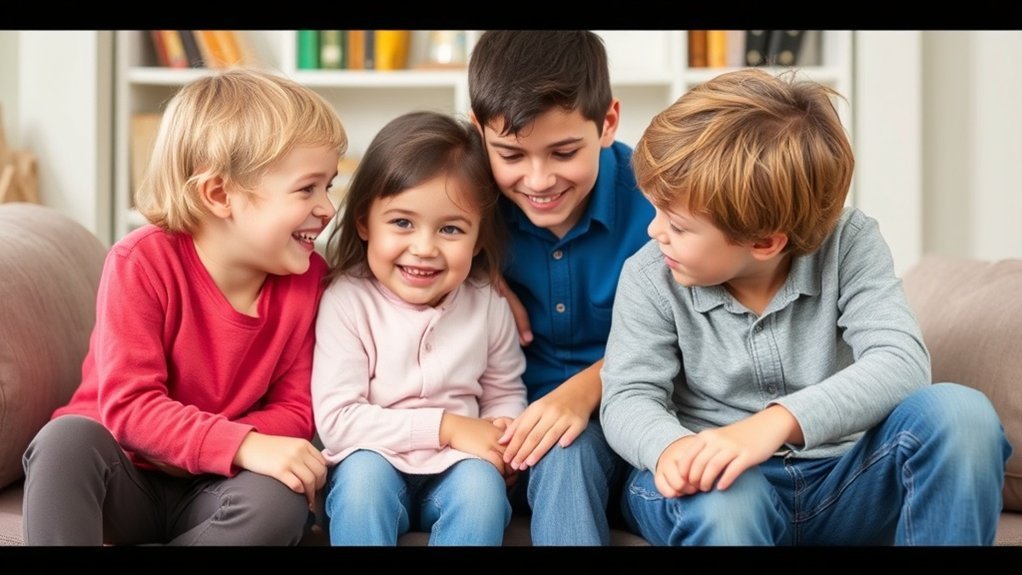
Sibling conflicts? Oh boy, haven’t we all been there? One minute they’re building a fort together, and the next, there’s a full-on war over the last cookie. It happens. But here’s the thing: those conflicts don’t have to turn your living room into a battleground. Creating a safe space where your kids can learn to handle disagreements can really help.
We've found that encouraging understanding and trust lays the groundwork for lasting peace. Conflicts are actually golden opportunities to teach problem-solving and empathy. When your kids express their feelings calmly and listen to each other, you're helping them learn skills that’ll serve them for life. It can be tough, I know. But guess what? It starts with you being there to support and mediate—without picking sides.

And can I just say: consistent, fair rules work wonders. They promote cooperation and ease tension. In our house, we set up simple guidelines that everyone knows. It’s not always perfect, but it helps.
Now, let’s keep it real. Some days are just chaotic. I once tried to mediate a disagreement over a toy, and it ended with one kid in tears and the other hiding behind the couch. Full disclosure—it was messy. But that’s parenting, right?
So, what age are your kids? Younger ones might need more hands-on guidance. For kids 4 and up, start teaching them to express their feelings with words. Role-playing different scenarios can be a fun way to practice. And don’t forget to supervise! If they’re having a disagreement, you want to be close enough to step in if things heat up.
And if you’re feeling the financial pinch, remember that some of the best activities are free. Create a “peace corner” with pillows and a few stuffed animals for them to talk it out. Or, try a scavenger hunt in the backyard—set a timer for 20 minutes and see who can find the most items. It’s a budget-friendly way to distract them from their squabble!
So next time you hear that familiar bickering, take a deep breath. You’re doing fine. Encourage your kids to share their feelings and listen to each other. Maybe even suggest they take a minute in that peace corner to gather their thoughts.
What worked for us was setting a timer for “talk time.” When the timer goes off, they've to switch roles and listen to each other. It’s not perfect, but it’s a step toward building those skills. Remember, not every kid will go for this at first, so be patient.
Additionally, teaching conflict resolution skills can significantly reduce sibling rivalry and foster a sense of cooperation among siblings.
Overview
Understanding the significance of the Sibling Peace Treaty is crucial, especially as it addresses the everyday disputes that many families face. When big emotions overwhelm your child's ability to cope, these proven strategies can help them regain emotional regulation and foster healthier sibling relationships. So, what makes this treaty stand out in conversations about family dynamics? Let’s uncover the key points that are drawing so much interest.
What You Need to Know
Navigating Sibling Squabbles: The Peace Treaty Approach****
Ever had one of those days where it feels like your house is a battleground? Sibling bickering can really take a toll, can’t it? What if I told you there’s a way to bring some calm to the chaos? We’ve found that creating a sibling peace treaty can work wonders in fostering harmony and clear communication among your kids.
Here’s the scoop: the goal isn’t to wipe out disagreements. It’s about managing them with respect and a little bit of love. You want to set up a space where everyone feels heard. When we crafted our treaty, we made sure each kid had a voice. It was a bit messy—think crayons and paper on the kitchen table—but it was worth it.
So, what should you include? Outline how conflicts will be handled. Remember, no one wants to feel threatened or dismissed. Think of it as a game plan for those inevitable squabbles. Maybe you could even throw in a “no yelling” rule or a “calm corner” for when emotions run high.
We found that keeping the language simple and positive really helps—focus on cooperation, not punishment.
Quick Tip: Have a family meeting to brainstorm ideas. Let the kids suggest rules, and you’ll see them take ownership of the treaty. It’s a little trick that builds trust and commitment.
Now, let’s talk practicalities. This doesn’t have to break the bank. Grab some poster board or even just a few sheets of paper. You can make it a fun arts and crafts project. Plus, you can revisit the treaty as your kids grow and their needs change.
Be prepared, though—things might get a little sideways. Maybe one kid throws a tantrum when they don’t like a rule. We’ve been there. Just remember, it’s a work in progress.
What actually worked for us was taking a step back, letting them cool down, and revisiting the treaty together when everyone was ready to talk again.
And speaking of readiness, make sure to supervise younger kids during this process. If your kiddos are under 4, keep it simple and stick to just a couple of basic rules.
Finally, here’s your action item: sit down as a family tonight and brainstorm your own sibling peace treaty. You might be surprised at how invested they get. And who knows? It could be the start of a pretty amazing family tradition.
What we learned the hard way? It’s okay to tweak the rules later. Flexibility is key—what works today might need a little adjustment tomorrow. And that’s perfectly normal. You’re doing fine, and you’re not alone in this parenting journey!
Why People Are Talking About This
Why are sibling peace treaties becoming such a hot topic lately? If you’re like me, you've probably felt the chaos of sibling squabbles echoing through your home. It can be exhausting, right? Here’s the thing: when those conflicts start to bubble up, it's like the calm you crave just disappears.
We’ve found that peace treaties can be a game changer. They give siblings a clear way to talk about disagreements before things get out of hand—kind of like setting up a safety net. Everyone gets to agree on the rules, which means you can breathe a little easier knowing that conflicts aren’t going to spiral. It’s about creating a space where respect and understanding thrive, making it easier for everyone involved.
This approach isn’t just about stopping fights; it’s about building stronger relationships. In our house, we’ve seen that when kids feel secure in their boundaries, they’re more likely to support each other. Have you ever noticed that? It’s like they realize that they’re on the same team, even when they don’t always act like it!
And let's not forget the practical side of things. You don’t need a fancy workshop or expensive tools to make this work. A simple family meeting can do the trick. Just grab some snacks (because who doesn’t love snacks?), gather everyone around, and talk it out. Keep it light and fun! We usually keep these chats to about 20-30 minutes, which fits nicely between school pickups and dinner prep.
A Quick Tip: Try to keep the language positive. Instead of saying “no fighting,” frame it as “let’s work together.” Kids respond better when they feel included in the solution.
But, let’s be real—this won’t always go smoothly. There will be meltdowns, misunderstandings, and maybe even a few eye rolls. That’s okay! What works for one family mightn't work for another. Just remember, this is a journey. We once tried to implement a peace treaty after a particularly wild Saturday, and let’s just say… it was messy. But you know what? We learned from it and made adjustments for next time.
So, if you’re feeling overwhelmed by sibling drama, take a moment today to sit down with your kids and brainstorm some “peace rules.” You might be surprised at how much they want to contribute. And hey, even if it doesn’t all come together perfectly, you’re still creating a space where everyone feels heard and valued. That’s a win in my book!
What we learned the hard way: Peace treaties are great, but they need to be revisited often. Kids grow and change, and so do their needs. Make it a regular part of family life, maybe once a month, to keep things running smoothly.
Now, go ahead and give it a try! You might find that those sibling squabbles become a little less frequent—and that’s something to celebrate!
History and Origins
The foundation of a sibling peace treaty began with simple agreements aimed at resolving conflicts. As these early understandings evolved, they paved the way for more structured methods of maintaining household harmony. Interestingly, rewards charts can often sabotage a child's natural motivation, making peaceful agreements even more essential. So, how did these initial steps influence the treaty we see today? Let’s take a closer look at its development.
Early Developments
You know that chaotic moment when your kids are at each other's throats over a toy? Yeah, we’ve all been there. Sibling rivalries have been around forever, but finding ways to ease those tensions has gained traction over the years—especially in the early 20th century. It’s wild how something as simple as setting clear boundaries can make a difference.
In our house, we’ve found that writing down some ground rules really helps. It doesn’t have to be fancy—just a simple list of dos and don’ts that everyone can see. This way, kids know what’s expected of them, which promotes respect and cooperation. If you’re thinking about trying this, you might be surprised at how much smoother playtime can go.
These early steps—like encouraging open conversations—create a safe space for your kids to express their feelings. It’s all about helping them understand each other better. We’ve learned the hard way that when kids feel heard, even if they’re bickering, it can turn into a more supportive sibling relationship.
Now, if you’re wondering how to start, grab a piece of paper and sit down together. Make it a fun activity—maybe even decorate it! Just remember, keep it age-appropriate. For little ones, like toddlers, you might focus on one or two simple rules. And for older kids, you can dive deeper into feelings and responsibilities.
And let’s be real—sometimes, things don’t go as planned. You might end up with a meltdown over the new rules or a disagreement about whose turn it's to pick the movie. That’s okay! It happens.
So, here’s a quick win: try to set aside just 15 minutes this week for a family chat about what’s working and what’s not. You’ll be amazed at how much your kids can contribute. And who knows? This could be the start of turning rivalry into a team effort.
What actually worked for us? We found that using visual aids, like a “feelings chart,” helped our kids communicate better. They could point to how they were feeling instead of just yelling.
Give it a shot! You might just find that the chaos can turn into something a little more harmonious.
How It Evolved Over Time
Sibling squabbles? Oh, we’ve all been there, right? It can feel like a never-ending game of tug-of-war. But here’s a quick win: creating a sibling peace treaty can really help keep the chaos at bay. It doesn’t have to be complicated—just a simple agreement that everyone understands.
Back in the day, families relied on parents or elders to set some basic rules and consequences. Think of it as the ancient version of a family meeting, where everyone got a say. We’ve found that those simple agreements have transformed over time into more thoughtful approaches, emphasizing fairness and open communication. Sound familiar?
In our house, we’ve tried to incorporate some of those timeless principles to help our kids express their feelings. It’s not always perfect, but it’s a work in progress. I remember a rainy Saturday when we sat down with some crayons and paper to sketch out what a peace treaty would look like for them. They loved it!
Now, we try to include mediators—like a trusted stuffed animal or even a parent—when the kids are hashing things out. Supervision is key, especially if the emotions run high. And yes, there are days when the treaty gets tossed aside, but that’s okay too. Lower the bar; it doesn’t have to be flawless.
Today’s peace treaties recognize each child’s feelings. It’s all about encouraging cooperation instead of competition. When we let our kids take the lead in crafting the rules, they feel a sense of ownership. And let’s face it: that makes it way more likely they’ll stick to them.
Have you ever noticed how some family traditions help with conflict resolution? Maybe you’ve got a special way to celebrate each child’s birthday or a weekend ritual that brings everyone together. Those moments can create a safe space for kids to express themselves and learn to support each other.
Let’s talk budget, too. Not every family has the cash for fancy conflict resolution workshops or therapy sessions. We’ve found that a low-cost option is just sitting down with a cup of hot chocolate (or whatever your family loves) and chatting about feelings. You’d be surprised how much a simple conversation can do.
Now, a quick note on safety: Always supervise when emotions run high—especially with younger kids. And if you’re using any materials during the peace treaty creation (like scissors for crafts), make sure they’re age-appropriate and safe.
So, what can you do today? Gather your kiddos, grab some paper, and start drawing or writing your family’s peace treaty. Make it fun! Maybe add stickers or colors to represent each sibling. Trust me, it can turn into a cherished family keepsake.
And here’s what we learned the hard way: sometimes, it’s okay to revisit the treaty. Kids grow and change, and so can the rules. It’s all part of the journey. You’re doing fine, and remember, every family is a little different—and that’s what makes it special!
How It Actually Works
To grasp the effectiveness of the peace treaty, it’s crucial to delve into its fundamental mechanisms.
By examining the essential components that ensure its smooth operation, you'll uncover the intricacies that make it all work seamlessly.
With that understanding in place, let's explore what truly happens behind the scenes.
The Core Mechanism
When your kids are at each other's throats, it can feel like chaos has taken over your house. Sound familiar? We've been there, and it’s no fun. But here’s a little trick we’ve picked up: the Core Mechanism. It’s not some fancy parenting hack; it’s about creating a space where your kids can actually hear each other, respect each other, and maybe even find some common ground.
First off, you want to establish a safe spot for them to talk. This isn’t just about quieting the storm; it’s about reducing the fear that sometimes comes with conflict. You know, that defensiveness that makes everything worse. Encourage them to share their feelings without pointing fingers. It’s all about calm communication. We’ve found that when the kids express how they feel, it often diffuses the tension.
Try asking guiding questions like, “How did that make you feel?” or “What do you wish would happen instead?” This shifts their focus from “me vs. you” to “us together.” It’s a game changer. And don’t forget to set clear, fair boundaries. Kids thrive on predictability, so having rules makes them feel secure.
This approach isn’t about forcing peace; it’s about teaching them how to negotiate. In our house, we’ve had our share of meltdowns, but what works is showing our kids that they can solve problems themselves. It builds trust and empathy, making future conflicts easier to handle.
Now, let’s talk about safety. If your kids are younger than 4, you’ll want to supervise closely while they navigate these conversations. And remember, not every kid will respond the same way. You might find one child is more open to this than the other. That’s okay.
Here’s a quick win: the next time your kids start bickering, take a deep breath and guide them through expressing their feelings. You’ll probably be surprised at how much they can work it out on their own.
And, real talk — sometimes it won’t go as planned. You might end up with a bigger mess than before. It happens. Just reset and try again later.
As a fun activity on a rainy Saturday, why not set up a ‘Family Peace Talk’ where they can practice this? Give them a time limit of about 20-30 minutes, and let them discuss their issues with your guidance.
What we learned the hard way? Expecting kids to just get it right the first time is unrealistic. It takes practice, patience, and a little trial and error. So, lower the bar and just keep trying. You’re doing fine, and your family is unique — that’s a good thing.
Key Components
You know those sibling squabbles that seem to pop up out of nowhere? One minute they’re playing nicely, and the next, it’s chaos. Been there? It can feel overwhelming. But what if I told you that a simple peace treaty could help? Trust me, it’s worth trying. Here are some key components we’ve found that keep the peace, making it easier for everyone involved.
Clear communication is a must. It’s all about encouraging honest, respectful chats where everyone feels heard. Kids often struggle to express their feelings, so guiding them can really go a long way. Try setting up a “feelings corner” in your home where they can share what's bothering them.
Then there are defined boundaries. Setting specific limits helps protect their personal space and feelings. You might say, “Let’s agree that when one of you is in your room, the other knocks first.” It doesn’t hurt to role-play these situations, making it feel less like a lecture and more like a game.
Next up, consistent consequences. Let’s be real: kids need to know that there are fair responses to breaches. You could decide together what those would be. For example, if someone breaks a promise, maybe they miss out on a fun activity. Just keep it age-appropriate. And full disclosure—it can get messy! Not every kid will react the same way, so be prepared to adjust.
Finally, don’t forget those regular check-ins. Schedule moments to review and adjust the treaty as needed. Maybe once a week after dinner? It helps to keep the lines of communication open, and every family can benefit from a little reflection time.
What actually worked for us? We tried this on a rainy Saturday when the kids were restless. It turned into a fun family meeting, and we even made it a tradition. We used colorful sticky notes to jot down our feelings, and it felt good to see everyone’s thoughts.
And let’s be honest, it’s not always smooth sailing. If tensions rise, take a deep breath. Sometimes a simple timeout—just five minutes apart—can work wonders. You can also keep a backup plan for those crazy days when nothing seems to go right.
Under the Hood
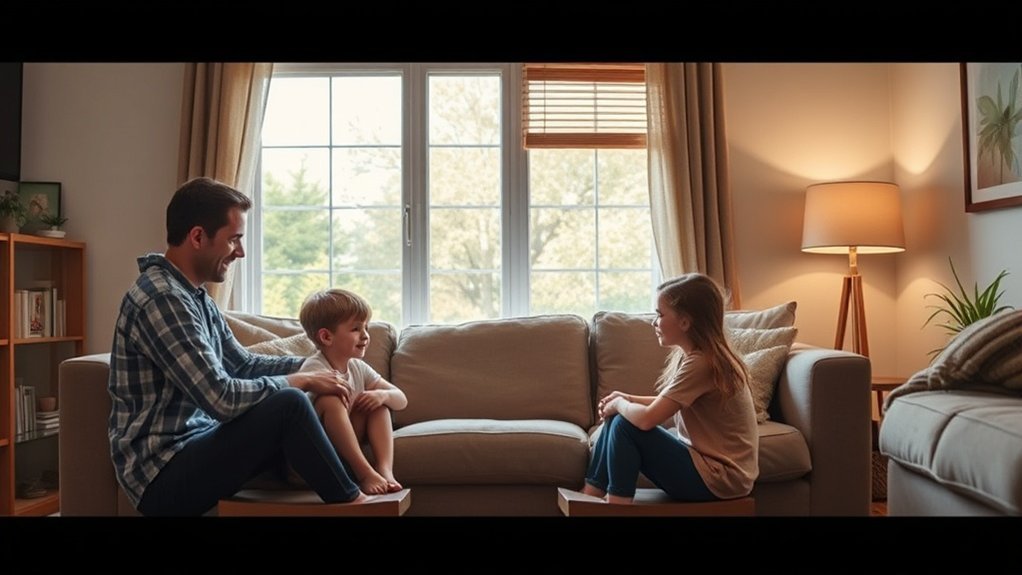
Ever had one of those days where your kids are at each other’s throats? You know, the kind of chaos that makes you question your sanity? Been there. That’s why creating a sibling peace treaty can be a game changer. It’s not just about laying down the law; it’s about setting the stage for fairness and respect.
When you sit down together, everyone gets a say. We’ve found that giving kids a voice makes them feel heard, which is huge. It helps cut down on misunderstandings and those emotional outbursts that can make your head spin. Instead of just imposing rules, you’re building a safe space where everyone knows what to expect.
This isn't a quick fix, but it encourages cooperation. And let's be real: when kids feel safe, they’re more likely to self-regulate. You might notice fewer blow-ups and more calm discussions. It’s not magic, but it works.
The Reality Check
But let’s not sugarcoat it—sometimes things go sideways. Maybe your toddler decides that the treaty is just a fancy piece of paper, or your oldest thinks they can bend the rules. We’ve had our fair share of meltdowns, especially when they think sharing means “I’ll take the toy, and you get nothing.”
What actually helped was revisiting the treaty during those tough moments. We’d sit down, breathe (sometimes I'd remind myself to breathe!), and talk through what went wrong. It’s a learning experience for everyone, and it’s okay if it’s messy.
A Few Tips for Success
- Make it age-appropriate. Younger kids might need visuals, like drawings or stickers, while older ones can write down their thoughts.
- Supervise when needed. If they’re arguing over a toy, be nearby to help mediate.
- Budget-friendly options. You don’t need to spend a lot to create a peace treaty. Grab some paper and markers, or use an old piece of cardboard.
Quick win: Try this on a quiet Saturday morning. Set aside about 30 minutes to brainstorm together. You might be surprised by what they come up with.
Keeping It Real
Remember, every family is different. Blended families, single-parent households, or grandparents stepping in—there’s no one-size-fits-all. What worked for us mightn't work for you, and that's okay. We learned the hard way that sometimes, what sounds good on paper doesn't translate to real life.
Finally, here’s a little secret: it’s okay to lower the bar. If your kids are under 4, keep it simple and short. For older kids, they can help create the rules, which gives them a sense of ownership.
Applications and Use Cases
Sibling squabbles are the stuff of family life, right? If you’ve ever found yourself mediating a “who gets the last cookie” debate or a “he took my toy!” meltdown, you’re not alone. Keeping the peace can feel like a full-time job. That’s where a peace treaty comes in handy. Think of it as a simple way to manage those daily disagreements and keep your home from turning into a wrestling ring.
We’ve found that having a go-to agreement really helps with everything from chores to holiday planning. You can use it when your kids argue over who cleans up the living room or when they need to figure out how to share the playroom without chaos. It sets clear boundaries and encourages open communication. And trust me, it reduces the tension — which is a win for everyone.
Here’s how you can put this into practice:
| Application | Use Case Example |
|---|---|
| Daily Conflicts | Resolving arguments over chores |
| Shared Spaces | Agreeing on bedroom or playroom rules |
| Special Occasions | Planning fair gift exchanges |
| Online Interactions | Managing respectful communication |
Daily Conflicts
Let’s start with something simple. Have you ever had your kids argue over who should do the dishes? Instead of getting pulled into the drama, pull out the peace treaty. Set some ground rules together — maybe they take turns or do it together. It’s a great way to teach responsibility and teamwork, all while keeping your sanity intact.
Shared Spaces
In our house, sharing space can be a battlefield. We’ve found that establishing rules for shared areas, like bedrooms or playrooms, really helps. Maybe they agree on a “clean-up time” or take turns deciding how to organize their toys. Setting these guidelines together gives them a sense of ownership and reduces fights over “that’s mine!”
Special Occasions
When it comes to holidays or birthdays, things can get dicey. Planning fair gift exchanges can be tricky — especially when excitement runs high. Try using the peace treaty to set expectations ahead of time. You can establish a budget, a gift list, or even rules about who gets to pick first. We did this last year, and it made for a much smoother holiday season!
Online Interactions
In this digital age, online squabbles are a reality too. Encourage your kids to talk about respectful communication while gaming or chatting. Setting guidelines for online behavior can help prevent misunderstandings and hurt feelings, especially if you discuss it as a family.
Now, let’s get real. Not every day is smooth sailing. Sometimes, things will go sideways. Meltdowns will happen, and that’s okay. When we tried to enforce the peace treaty during a heated moment, one of my kids ended up in tears. Full disclosure — it was messy. But we learned to laugh it off and keep trying.
So, what can you do today? Grab a piece of paper and sit down with your kids. Talk about what “peace” looks like in your house. Set some ground rules together. Keep it light, and remember — it’s a work in progress. You’re doing fine, even when it feels chaotic.
And if things don’t go as planned? Have a backup plan. Maybe take a walk, pop on a favorite show, or even bake together. You might just find a little peace in the process!
Advantages and Limitations
Ever had that moment when your kids are at each other's throats, and you just want to pull your hair out? Yeah, we've been there too. Managing sibling conflicts isn’t just a parenting challenge; it’s a daily reality. That’s where a sibling peace treaty can come in handy. It can help set the stage for smoother interactions and create a more peaceful home.
Here’s the deal: it sets clear expectations and gives your kids a safe space to share their feelings. But don’t expect it to magically solve everything. Some issues will still need your guidance. It’s like having a good plan but knowing that plans can change—especially with kids involved.
Advantages and Limitations
| Advantages | Limitations | Tips for Success |
|---|---|---|
| Encourages respectful communication | May not resolve deep-rooted issues | Keep rules simple and clear |
| Reduces frequency of fights | Requires consistent enforcement | Review and adjust regularly |
| Builds conflict resolution skills | Depends on siblings’ willingness | Involve all siblings equally |
| Creates a safer emotional space | Doesn’t replace adult intervention | Stay calm during disputes |
| Promotes fairness and sharing | May need reminders and patience | Celebrate progress together |
Key takeaway: A sibling peace treaty can help, but you’ve gotta stay involved.
Let’s Break It Down
Encouraging Communication: It’s amazing how just having a dedicated space to talk can ease tension. We've found that setting aside time each week to discuss any grievances—big or small—makes a difference.
Frequency of Fights: We noticed that when we consistently use the treaty, fights happen less often. But it’s not a silver bullet. There will be times when your kids just clash.
Conflict Resolution Skills: Think of it as practice. Kids learn how to resolve their own issues, which is a lifelong skill. Just remember, it works best if they’re on board.
Emotional Space: It’s a safe zone for feelings. Kids can express what’s bothering them without fear of judgment.
Fairness and Sharing: It helps them understand that sharing isn’t just about toys; it’s about feelings too.
What to Keep in Mind
This isn’t a one-size-fits-all solution. For kids under 4, the concept might be too abstract. And honestly, it can get messy—like that time my son decided to “improve” the treaty by adding a rule about dessert that everyone forgot about. Full disclosure: it was chaos.
Age-Appropriate Guidance: Keep in mind that the ability to negotiate and understand fairness develops as kids grow. Younger kids might need more support from you.
Here’s What You Can Do Today
Take a few minutes to sit down with your kids and draft a simple peace treaty. Keep it light and fun—maybe even use colorful paper or stickers. Include rules that everyone agrees on, like “no shouting” or “take turns with the remote.”
And if things go sideways, like they often do, don’t sweat it. Have a backup plan. Maybe it’s a movie night when everyone’s feeling cranky or a game that involves teamwork.
The Future
Having explored the current dynamics of sibling relationships, it's clear that evolution is on the horizon.
As we look ahead, new trends are emerging that promise to reshape how siblings navigate conflicts, fostering deeper connections and enhancing communication.
What might these changes bring for sibling harmony in the future?
Emerging Trends
You know that moment when the kids are bickering over the last cookie, and you just want to pull your hair out? Yeah, been there. It’s chaos, and let’s face it, navigating sibling squabbles can feel like a full-time job. But here's the thing: there are some modern tools and tricks that can help ease the tension without breaking the bank or your sanity.
We’ve found that using simple apps can turn those fights into cooperative problem-solving sessions. These tools guide siblings through step-by-step peace agreements, which might sound fancy, but it’s really just a way to talk it out.
And if you’re like us and enjoy the occasional family movie night, why not turn it into a virtual counseling session? Sometimes just hearing each other out in a safe space makes all the difference.
Mindfulness practices have also been a game-changer for us. They’re not just for yoga classes; we’ve started incorporating some quick breathing exercises before things escalate. It’s amazing how a few deep breaths can shift the mood.
Plus, teaching kids emotional intelligence—like recognizing their feelings—can prevent many conflicts before they even start.
Setting clear boundaries is key, too. We’ve learned the hard way that if everyone knows what’s off-limits, it reduces the chances of disputes.
And let’s be real: empathy isn’t just a buzzword. Encouraging your kids to see things from each other’s perspective can really help them bond.
Now, I get it—some days, the best-laid plans go sideways. You might find yourself in the middle of a meltdown with no end in sight. Trust me, I’ve been there too.
On those days, just remember that it’s okay to lower the bar. Sometimes a simple “let’s take a break” can save your sanity.
And if you’re wondering about age-appropriate practices, things like the mindfulness exercises work great for kids 4 and up. Just keep an eye on younger ones to make sure they’re engaged and not getting too restless.
So, what can you do today? Try out a quick breathing exercise with your kids next time you sense tension brewing. It could transform your next cookie conflict into a moment of connection.
What Experts Predict
You know the chaos of sibling squabbles all too well. One minute they’re playing together like best buddies, and the next, it’s World War III over a toy. Sound familiar? Here’s the good news: experts say technology and emotional education are teaming up to help us navigate this wild ride.
We’ve found that there are now apps designed to help kids understand each other’s feelings better. Think of them as little empathy boosters. They won’t replace your guidance, but they can be a handy tool when things get tense. Imagine your kids using an app that encourages them to communicate instead of throw tantrums. That’s a win in my book!
And hey, we all know how tough it can be to manage those sibling conflicts, especially during busy school weeks or chaotic weekends. So, what if you'd resources right at your fingertips to help guide your kids through those moments? Experts predict more accessible materials focusing on emotional intelligence will pop up, making it easier for you to help your children work through their disagreements calmly.
But let’s be real: not every idea will work for every family. This only works with kids aged 4 and up, and full disclosure — it was messy when we tried it! But it’s all about finding what clicks with your crew.
Here’s a quick tip: when tempers flare, take a moment to breathe. Encourage your kids to express how they’re feeling. This can be as simple as saying, “I feel hurt when you take my toy.” You might be surprised how quickly they start to pick up on those cues.
And if they don’t? That’s okay too! Kids are still learning. Just remember, you’re doing fine. What matters is that they feel heard and respected.
So why not give it a shot? This week, set aside a few minutes to explore some of these tools or resources. You could also make it a game to practice expressing feelings. Trust me, it’s worth it for a little more peace in your home.
And here’s what we learned the hard way: sometimes, it's the simplest methods that work best. Lower the bar and keep it easy. You’ve got this!
Frequently Asked Questions
Can Pets Be Included in a Sibling Peace Treaty?
Q: Can we include pets in a sibling peace treaty?
Yes, you can include pets for sure! Setting clear rules about who does what—like feeding and walking—can really help.
For younger kids, like those around age 3, make sure to supervise them during pet care.
You can even use old bowls and leashes you have at home to save money instead of buying new supplies.
What if One Sibling Refuses to Sign the Treaty?
What should I do if one sibling refuses to sign the treaty?
Don’t force them to sign. Instead, listen to their concerns and try to understand their hesitation.
Start with smaller agreements to build trust. Keep the conversation open and create a safe space where everyone feels heard. This approach can encourage reluctant siblings to join in later, making the treaty more effective.
How can I encourage communication between my kids?
Start having regular family meetings around age 4, with supervision. Use a talking stick to ensure everyone gets a turn to speak. This keeps things fair and respectful.
If you’re on a budget, just gather in a cozy spot at home; no need for fancy setups.
What if my kids argue about sharing toys?
Address sharing issues as early as age 2, with lots of supervision. Teach them to take turns and use timers to keep things fair.
If money's tight, try setting up a toy swap instead of buying new ones. It’s a fun way to refresh their collection without spending.
How do I handle sibling rivalry?
Sibling rivalry can start as early as age 3. Talk openly about their feelings and set clear boundaries.
Encourage them to express their emotions verbally instead of through conflict. If you’re looking to save, consider using family discussions during chores or meal prep time instead of formal sit-downs.
How Often Should the Treaty Be Reviewed or Updated?
How often should we review or update the treaty?
You should review the treaty every month or whenever conflicts pop up. Regular check-ins help everyone feel heard and keep things fair.
Try setting aside a few minutes for a family chat. It doesn’t have to be formal; just make it a comfortable space.
If feelings change or new issues arise, update it together to maintain trust and prevent misunderstandings.
Can a Peace Treaty Help With Sibling Rivalry in Adulthood?
Q: Can a peace treaty help with sibling rivalry in adulthood?
A: Yes, a peace treaty can definitely help. It sets the stage for honest conversations and clear boundaries.
Try having a family meeting where everyone can share their feelings—ages 12 and up can participate, but younger kids might need supervision.
If you're on a budget, just use a notepad and pen you already have at home for everyone to write down their thoughts.
Are There Any Legal Implications to a Sibling Peace Treaty?
Q: Do sibling peace treaties have any legal implications?
A: No, sibling peace treaties usually don’t hold legal weight since they’re personal agreements.
If you’re discussing finances or property, it’s wise to consult a lawyer to avoid confusion.
Focus on clear communication instead, creating a safe space for your kids to express themselves.
You can even set up a simple written agreement to help them feel invested without any legal costs.
Conclusion
You’re doing an amazing job, and it’s clear you care about building a peaceful sibling bond. Today, why not set aside just 15 minutes for a fun art project? Grab some paper, crayons, and let your kids create their own peace treaty together. It’ll spark conversations, and they’ll love having a hand in it. Good enough counts, and they won't remember the mess. Just keep it light and playful, and you’ll be surprised at how they start talking things out on their own. You've got this, and every little step helps grow that harmony you want to see!