

You'll love how game nights pull your family away from screens and back to real connection. Start by clearing a comfortable space with good lighting, then stock a nearby snack station with finger foods and drinks so no one has to leave mid-game. Choose age-appropriate options like Spot It for little ones, Beat The Parents for elementary kids, and Five Crowns for teens. Consider adding themed decorations or costumes to make ordinary nights memorable, and don't forget that losing graciously matters more than winning—your approach sets the tone for everyone's experience.

Key Takeaways
- Create a dedicated screen-free space with comfortable seating, adequate lighting, and themed decorations to signal game night's importance.
- Set up a nearby snack station with easy finger foods and multiple beverages to maintain game flow without kitchen interruptions.
- Select age-appropriate games: Spot It for young children, Beat The Parents for elementary ages, and Five Crowns for teens.
- Choose games matching group size: two-player options like Quarto, four-player games for engagement, or large group games like Color Brain.
- Plan themed nights with matching costumes, decorations, music playlists, and trivia to transform ordinary gatherings into memorable experiences.

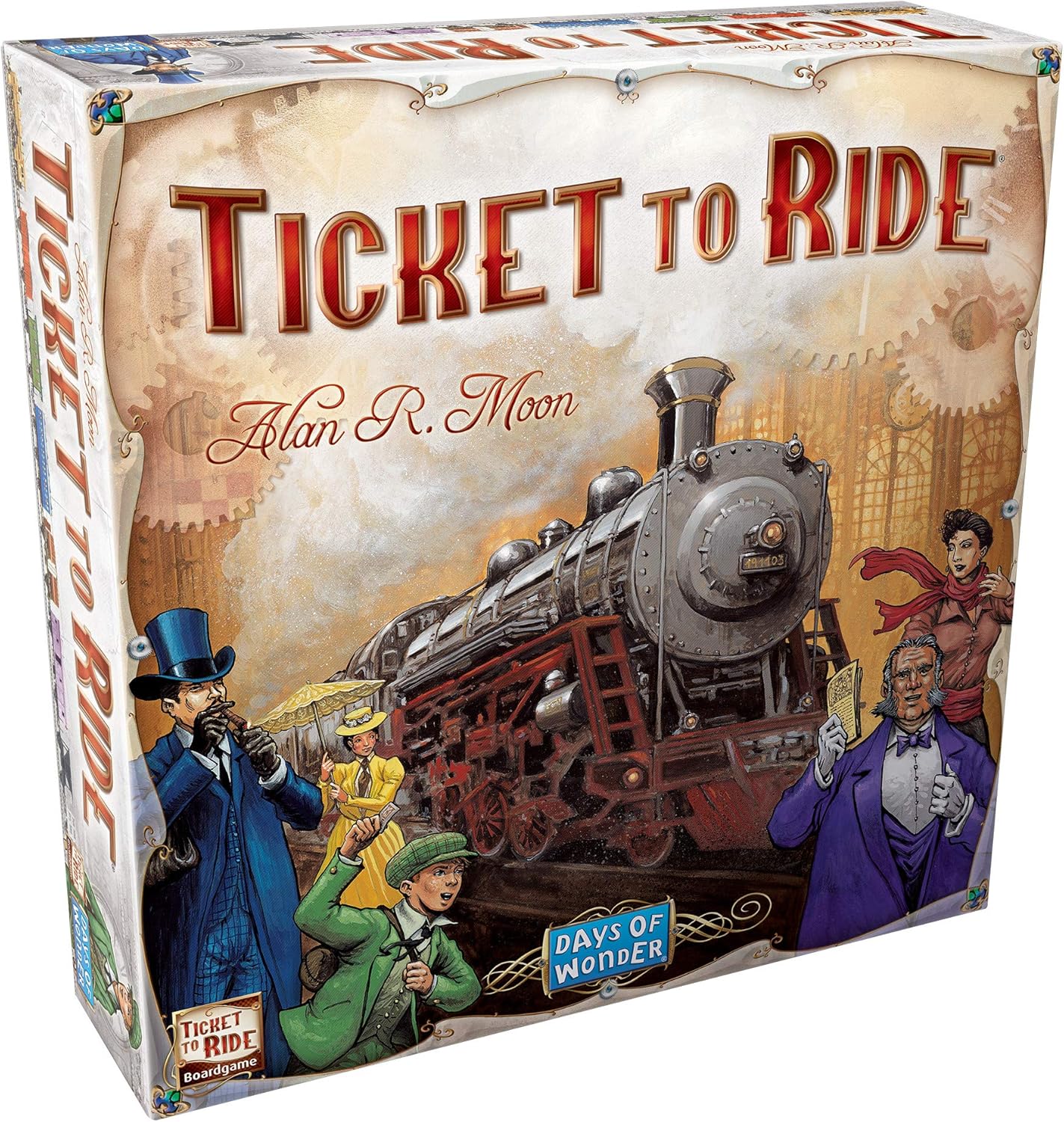
Ticket to Ride
Best Games for Young Children (Ages 3-6)
These games are perfect for little ones with simple rules and quick play times.


Best Games for All Ages
These versatile games work well when you have kids of different ages playing together.

UNO Card Game
- Classic game everyone knows how to play
- Quick rounds keep everyone engaged
- Works for ages 7 to adult
- 2-10 players for any group size
Best Games for Older Kids & Teens
More strategic games that challenge older kids and keep teens engaged.


Bicycle Standard Playing Cards (2-Pack)
- Hundreds of games in one deck
- Go Fish, War, Crazy Eights and more
- Teaches math and strategy skills
- Perfect for all ages
*When Screens Take Over**
In today's digital world, screens have woven themselves into nearly every corner of family life. You've likely noticed how easily devices capture your children's attention—research shows kids now spend over seven hours daily staring at screens.
While technology offers benefits, this constant digital presence can quietly erode the family connection you're working so hard to build.
Excessive screen time doesn't just impact your children's physical health; it affects how they communicate and relate to others. You might've observed conversation becoming harder, eye contact less frequent, or family dinners interrupted by notifications.
These small shifts matter because they shape your family's relationships.
The good news? You can reclaim quality time together. By intentionally creating screen-free spaces in your home, you're not just limiting device usage—you're opening doors for meaningful interaction.
Family game nights offer the perfect opportunity to strengthen bonds while naturally reducing everyone's dependence on technology. Just as media exposure affects children emotionally during challenging times, constant screen presence can impact how families connect and communicate day-to-day.
*Strengthens Bonds Beyond Busy Days**
The chaos of modern family life rarely offers breathing room—between work deadlines, school commitments, and endless carpools, you're probably finding it harder to connect with your loved ones in meaningful ways.
Between juggling work, school runs, and countless commitments, meaningful family connections often slip through the cracks of our overscheduled lives.
That's where family game nights become life-changing. By setting aside dedicated time each week, you're creating space for genuine family bonding that cuts through the noise of busy schedules.
Games naturally encourage everyone to work together, building communication skills as you strategize, laugh, and problem-solve side by side. These shared moments reduce stress and create traditions your children will remember long into adulthood.
You'll notice how laughter flows more freely and conversations deepen when you're focused on fun rather than phones.
The beauty lies in simplicity—you don't need elaborate plans, just consistency. Regular game nights establish a reliable rhythm that helps your family feel grounded and connected, even when life gets overwhelming.
Whether you're navigating the challenges of raising teenage daughters or connecting with younger children, game nights provide a neutral, low-pressure environment where everyone can participate equally.
Setting Up Your Space

Once you've committed to regular game nights, your physical setup can make or break the experience. Smart space arrangement starts with circular seating that lets everyone see each other and stay engaged.
You'll want to create an environment where your family feels comfortable and connected.
Here are essential lighting tips and setup strategies:
- Clear the clutter from your table and surrounding area so game pieces, cards, and snacks are within easy reach.
- Brighten the space with adequate lighting that prevents eye strain while keeping the mood warm and inviting.
- Establish a snack station away from the main gaming area with easy-to-eat options that won't interrupt play.
Consider adding themed decorations or a special tablecloth to signal that this time is set apart. These small touches convert an ordinary evening into something your family anticipates.
When you've thoughtfully prepared the space, you're telling everyone: “You matter, and this time together is important.”
Game Selection by Family Size
Choosing the right game depends on how many people you've got around the table.
You'll want strategic two-player options when it's just a pair, party-style games for larger crowds, and flexible options that work no matter who shows up.
Let's break down the best games for every family size so you're always ready for game night.
Games for Two Players
Two-player games deserve special attention because they're perfect for those quieter evenings when it's just you and one other family member looking to connect.
Quarto strategy challenges you to line up four pieces sharing a common trait, while Blokus tactics emphasize spatial reasoning through thoughtful tile placement.
If you're seeking laughter, Exploding Kittens delivers humorous card-play as you dodge the dreaded exploding kitten.
Sequence planning combines luck and strategy, letting you create board patterns using drawn cards.
Buildzi speed gets hearts racing as you stack blocks matching card patterns—perfect for energetic kids.
Finally, Mantis collecting introduces competitive card-stealing that keeps both players engaged and interactive.
Each game offers meaningful connection time, helping you strengthen relationships through shared enjoyment and friendly competition.
Best for Small Groups
Quarto's strategic depth rewards careful observation of your opponents' moves, while Anarchy Pancakes delivers quick-fire chaos that'll have everyone laughing together.
These games naturally encourage player interactions without forcing conversation—you'll find yourselves discussing game strategies, celebrating clever moves, and good-naturedly groaning at unexpected setbacks.
The smaller player count means everyone stays engaged throughout, with minimal downtime between turns.
Perfect for Four People
Four-player gatherings hit that sweet spot where everyone stays constantly involved without the chaos of larger groups.
You'll find Blockus strategies challenge spatial thinking while keeping everyone engaged, and Exploding Kittens humor brings laughter to the table.
Five Crowns twists traditional Rummy with escalating complexity, making it perfect for serving family members who enjoy evolving challenges.
Mantis competition encourages lively interaction through stealing sets, keeping the energy high.
Sequence tactics blend strategic thinking with chance elements, creating accessible gameplay for mixed skill levels.
Round out your options with Sushi Go! accessibility for quick, engaging rounds, or embrace Taco Cat fun for spontaneous entertainment.
These selections guarantee you're creating memorable experiences that bring everyone together without leaving anyone waiting too long between turns.
Large Family Game Options
For truly large gatherings, Color Brain shines by including up to 20 players in teams, altering trivia into collaborative entertainment.
You can also adapt smaller games like Blockus through team play, changing its 2-4 player design into competitive family tournaments.
Mantis offers quick, interactive rounds for 2-6 players when you're hosting medium-sized groups, keeping everyone invested without lengthy explanations.
Adaptable Games Any Size
Taco Cat Goat Cheese Pizza and Color Brain shine at larger gatherings, offering adaptable strategies that anyone can grasp quickly.
Meanwhile, Quarto and Blockus provide strategic depth for your smaller groups of 2-3 players.
When numbers fluctuate, Exploding Kittens and Five Crowns accommodate 2-7 participants, giving you flexibility for unexpected guests or varying family availability.
Keep Snacks Within Reach
Nothing derails a competitive round of Monopoly faster than everyone scrambling to the kitchen for snacks. Smart snack accessibility keeps your game night flowing smoothly while ensuring everyone stays comfortable and engaged.
Set up a simple snack station near your gaming area before you start playing. Snack variety matters—offer both nutritious options and fun treats so everyone finds something they'll enjoy:
- Easy finger foods like popcorn, chips, and cut vegetables that won't interrupt gameplay
- Themed snacks matching your game choices, such as sushi rolls for Sushi Go! night
- Multiple beverages including water, soda, and juice to keep everyone refreshed
Position everything within arm's reach of players so they can grab what they need without missing their turn.
You'll appreciate how this thoughtful setup lets you focus on creating memories together rather than playing host throughout the evening. Your family will thank you for thinking ahead about their comfort. For more trusted parenting information on creating engaging family experiences, Parents offers expert-reviewed guidance that reflects current perspectives on childhood care and family activities.
Handling Sore Losers Gracefully

When tears start flowing or someone storms away from the table, you're facing one of family game night's trickiest challenges. These sore loser strategies can change frustration into fun while teaching valuable lessons about grace.
Start by shifting focus from winning to enjoying time together. Model gracious behavior yourself—congratulate winners warmly and compliment their clever moves. Your example shapes how younger players respond to defeat.
Consider implementing playful penalties that make losing entertaining:
| Instead of This | Try This |
|---|---|
| Embarrassment | “Loser's chair” break time |
| Sulking | Humorous consolation prizes |
| Tension | Light-hearted jokes about defeat |
| Exclusion | Recognition of everyone's efforts |
| Competition only | Celebrating creative strategies |
Create a family rule celebrating all contributions, not just victories. When everyone feels valued regardless of outcomes, game night becomes about connection rather than conquest. Lighthearted moments and humor during game night act as coping mechanisms that help children navigate disappointment while building emotional well-being. You're nurturing resilient, gracious individuals who'll carry these lessons beyond your game table.
Games for Every Age
Finding the right games for your family means considering everyone's abilities and interests.
You'll want different options depending on whether you're entertaining toddlers who are just learning to take turns, elementary kids who crave colorful fun, or teenagers looking for strategic challenges.
Let's break down the best game choices for each age group so everyone stays engaged and excited for game night.
Best Games for Little Ones
Young children thrive on games that balance simplicity with engagement, and these five options deliver exactly that.
Spot It gets everyone leaning in close as kids race to find matching symbols—it's amazing how quickly even six-year-olds can spot tiny icons faster than adults.
Qwirkle changes fun learning into colorful pattern-building that develops strategic thinking without overwhelming young minds.
LCR works perfectly for ages five and up, with simple dice rolls that create genuine excitement around your table.
Googly Eyes adds hilarious drawing challenges for seven-year-olds ready for silly fun, while Tenzi converts dice-rolling into fast-paced competition.
These age appropriate games create meaningful connections while building essential skills—pattern recognition, quick thinking, and decision-making—all disguised as pure entertainment your little ones will request repeatedly.
Elementary Years Game Picks
Elementary-aged children hit that sweet spot where they're ready for more complex gameplay without needing intense strategy sessions.
Beat The Parents flips traditional trivia on its head—kids answer age-appropriate questions while adults tackle their own challenging prompts, creating surprisingly balanced competition that'll have your third-grader celebrating victories over mom and dad.
Uno remains a powerhouse choice because those color-matching cards and action plays keep 8-year-olds fully invested while giving them practice with quick decision-making and rule-following.
Labyrinth converts family night into a collaborative adventure where you're working together to navigate shifting maze paths, teaching spatial reasoning and teamwork without anyone realizing they're learning.
These elementary game benefits naturally weave into your favorite family traditions, building connections that extend beyond the game board while developing critical thinking skills.
Teen-Approved Competitive Games
For deeper game strategies, Five Crowns increases complexity each round, accommodating 2-7 players aged 8 and older.
Sequence blends strategic thinking with chance for 2-12 players, making it ideal when gathering extended family.
These titles boost teen engagement through genuine competition and smart gameplay rather than childish themes, creating meaningful connections while respecting your teenagers' growing sophistication.
Theme Night Twist Ideas
When you add a creative theme to your regular game night, you change an ordinary evening into an unforgettable experience that'll have everyone talking about it for weeks. Theme night possibilities are endless—whether you're hosting a Harry Potter marathon with “Wizarding World” snack ideas or throwing it back to the '80s with retro treats.
A themed game night transforms an ordinary gathering into an unforgettable experience your family will remember for weeks to come.
Start with these essential elements:
- Costume suggestions and decoration tips: Encourage family members to dress according to your chosen theme, then improve the atmosphere with matching props and decorations that'll immerse everyone in the experience.
- Music playlists: Create a soundtrack featuring iconic songs from your selected era or movie to play throughout the evening.
- Trivia games: Select games that align perfectly with your theme, like movie-based questions or decade-specific challenges.
Your thoughtful planning creates memorable moments that bring your family closer together, making everyone feel valued and included in something truly special.
Stories From Game Night Hosts

Real game night hosts have discovered that the secret to success isn't about having the fanciest setup or the newest games—it's about creating an environment where everyone feels welcome to participate.
You'll find that mixing classics like UNO with newer titles such as Exploding Kittens keeps everyone engaged across generations. Many hosts tap into game night nostalgia by organizing themed evenings featuring childhood favorites, which naturally sparks storytelling and connection among family members.
Creating tournament-style structures brings tournament excitement that fuels healthy competition throughout the evening.
You'll want to keep plenty of snacks and refreshments available—hosts consistently report that food keeps energy levels high and players invested.
Here's what matters most: stay flexible with your game selection. When you allow family members to suggest their favorites, participation soars.
You're not just hosting games—you're creating meaningful moments where everyone feels valued and included.
Game Rotation Schedule Template
Once you've discovered what works for your family gatherings, you'll want a simple system to keep the momentum going week after week. A game rotation schedule template simplifies your game night logistics while maximizing family engagement.
Create a template with columns for game names, recommended ages, and who'll host each session. This guarantees everyone participates and feels included. Let each family member take turns choosing the game, building anticipation throughout the week.
Here's a basic structure to get started:
| Week | Game Choice | Chosen By |
|---|---|---|
| Week 1 | Uno | Sarah |
| Week 2 | Charades | Dad |
| Week 3 | Monopoly | Tyler |
Add a feedback section where everyone rates each game. These insights help you refine future selections and discover hidden favorites. Post your schedule—printed or digital—in a central location like the kitchen. It'll serve as a visual reminder that brings everyone together regularly, strengthening your family bonds through consistent, joyful connection.
Start Planning Tonight

Since you've got the tools and template ready, there's no reason to wait another day to launch this meaningful tradition.
Start by checking family schedules this week to find an evening when everyone's available. Even if it's just an hour, that dedicated time together matters more than the length.
Next, gather input on game preferences from each family member. Let the kids suggest their favorites while you add a few options that'll engage different skill levels. This collaborative approach helps everyone feel valued and excited about participating.
Set a date tonight—yes, actually commit to it—and text or tell everyone so it's official.
Prepare your space and stock up on simple snacks earlier that day. The beauty of family game night isn't perfection; it's showing up consistently for one another.
You're creating memories that'll last far beyond any single game, and that starts with taking action now.
Frequently Asked Questions
How Long Should a Family Game Night Typically Last?
You'll want to plan for 1-2 hours of game duration, which strikes the perfect balance for meaningful family bonding without exhausting younger players.
If you're serving snacks, you can extend this to 2-3 hours comfortably.
Watch for signs of fatigue—you'll know it's time to wrap up when attention spans wane.
What's the Best Day of the Week for Family Game Night?
Coincidentally, most families find Friday works perfectly—it's the natural “Friday Fun” gateway to relaxation.
You'll avoid school-night stress while everyone's energy is still high.
However, Sunday evenings offer a wonderful “Weekend Wind Down” alternative, letting you reconnect before the week begins.
Choose what fits your family's rhythm best.
The key isn't the specific day; it's consistently showing up for each other.
You're creating traditions that'll strengthen bonds and fill hearts with cherished memories.
Should We Allow Phone Use During Game Night Breaks?
You'll want to set clear phone etiquette from the start.
During breaks, brief phone checks are fine, but encourage everyone to stay present and engaged with each other. Game distractions can quickly derail the fun you're creating together.
Consider having a phone basket where devices rest during play—it helps everyone focus on meaningful connection.
How Do We Get Teenagers Interested in Participating?
Studies show 68% of teens engage more when they've helped choose the activity.
You'll find success by letting them select interactive games that match their interests. Consider engaging themes like mystery-solving, survival challenges, or competitive trivia that respect their growing independence.
When you involve them in planning and give them ownership, they're more likely to participate enthusiastically.
What's a Reasonable Budget for Starting a Game Collection?
You can build a fantastic starter collection for $50-100!
Focus on budget friendly games that offer variety—grab a classic board game, a quick card game, and maybe a party game.
You'll find amazing options under $20 each at Target or Amazon. Start small and let your family's preferences guide future purchases.
Conclusion
Think of your family as a garden. Without tending, weeds of distraction creep in, and connection withers. Game night's your watering can—simple, consistent care that helps everyone bloom together. You've got the tools now: the space setup, the snack strategies, the theme twists. Don't wait for the perfect moment; it'll never come. Tonight, clear that table, grab those dice, and start growing something beautiful. Your garden's waiting.
Related Articles
- The Ultimate Guide to Sibling Conflict
- The Ultimate Guide to Family Meal Planning
- The Ultimate Guide to Kids Educational Games
- 20 Fun DIY Crafts to Strengthen Family Bonds
- The Ultimate Guide to Screen Time Management

Written by Sarah Mitchell, M.S., CFLE
Founder & Lead Editor
Sarah is a Certified Family Life Educator with a Master's degree in Human Development and Family Studies from the University of Missouri. With 15+ years of experience as a parent educator and mother of three, she brings both professional expertise and real-world parenting wisdom to every article.
Credentials: M.S. in Human Development and Family Studies, Certified Family Life Educator (CFLE)
📚 Explore More on This Topic
Editor's Pick: A family planner with built-in game night slots and a durable boxed set of family board games.
Your Weekly Dose of Inspiration
Journaling ideas, family tips, and gentle inspiration.
Related from our network

