

Disclosure: Some links in this article are affiliate links. If you make a purchase through these links, we may earn a commission at no extra cost to you.

You're in the middle of a chaotic afternoon: toys are strewn everywhere, your kid's throwing a tantrum over a missing Lego piece, and you're just trying to keep your sanity. But what if I told you that letting them feel bored—yes, bored—can actually spark creativity and build self-reliance? We discovered this on a rainy Saturday when my son turned his boredom into an epic cardboard fort. It happens. So, if you give your child some unstructured time, you might just see them thrive in ways you never expected. Lower the bar and embrace the boredom; it could be the best thing for their development.
Key Takeaways
- Encourage 30 minutes of unstructured time daily — this sparks creativity and helps kids explore personal interests without external prompts.
- Let kids experience boredom regularly to build resilience; they’ll learn to manage emotions and develop patience when faced with challenges.
- Schedule weekly screen-free periods for at least two hours; this allows mental reset and improves focus while fostering independent play.
- Provide open-ended materials like art supplies or building blocks; these tools promote imaginative play and self-discovery in a safe environment.
- Set aside a specific time each week for kids to engage in solo activities; this practice enhances self-regulation and independence.
Introduction
Get the latest insights delivered straight to your inbox.

Ever had one of those days when your kid moans about being bored, and you just want to hand them a tablet to keep the peace? Been there. But what if I told you that boredom isn’t the enemy? It can actually be a secret weapon for your child’s growth. When kids are bored, they get creative. They start imagining new games, solving problems, or even just daydreaming. Sounds familiar, right?
In our house, we’ve found that giving the kids a chance to embrace boredom—without rushing in to fill the silence—allows them to explore their own interests. It’s like giving them a mini-vacation for their minds. They learn to entertain themselves, which builds resilience and creativity. Plus, it’s a chance for them to practice self-regulation, a skill that’ll serve them well as they grow up.
Now, I get it. You’re probably thinking about safety. If they’re playing outside, keep an eye out for any climbing or water play—nothing says “chaotic afternoon” like a toddler’s trip to the ER. For younger kids, always supervise play with small objects to avoid choking hazards. Engaging in outdoor activities can also provide a safe space for them to explore while promoting physical health.
And if they’re indoors, maybe throw in some soft pillows or blankets for an impromptu fort.
So, what’s the trick? Give them space. Maybe set a timer for 20 minutes and see what they come up with. You might be surprised at how they fill that time.
And if things go sideways—like when my youngest decided to paint the dog instead of the paper—just roll with it. Clean-up can be part of the fun.
If you’re worried about costs, don’t stress. Boredom can lead to some of the best low-budget activities. How about a scavenger hunt around the house or a nature walk? Both can be done for free and take less than an hour. Just grab a list of things to find, and you’re set.
So, next time you hear “I’m bored,” try to resist the urge to jump in. Instead, let them figure it out. You’ll be amazed at what they come up with (even if it sometimes involves a little mess).
Today, why not try this: set aside some time for unstructured play and see what happens. You might find that boredom is just a stepping stone to creativity. Who knows? You might even get a moment of peace while they’re busy exploring!
Overview
Brainwave Shots – Neural Entrainment
Audio tracks using brainwave technology for focus, sleep, and manifestation….
You mightn't realize it, but boredom plays an essential role in your child's growth.
As people begin to recognize how unstructured time fosters creativity and problem-solving skills, a pivotal question arises: how can we harness this understanding to actively support our child's development?
Embracing this shift opens up exciting new avenues for nurturing their potential. Additionally, building healthy body image during these formative years can significantly enhance their overall development.
What You Need to Know
Ever had one of those days when your kid is just bouncing off the walls one minute and then suddenly says, “I’m bored”? It can feel like a punch to the gut, right? But here’s the thing: boredom isn’t the enemy. It’s actually a golden opportunity for your child to grow. Trust me, I’ve learned this the hard way.
When kids have a moment to let their minds wander, they start to explore new ideas, which is so important for their creativity and problem-solving skills. We’ve found that giving our kids a bit of downtime allows them to entertain themselves, and honestly, it builds resilience. You don’t have to fill every second with activities. Sometimes, it’s okay to just let them be.
Here’s a tip: create a safe space where they can explore their feelings without pressure. It doesn’t mean you’re neglecting them; it’s part of the learning process. Remember, every family looks different, and that’s totally okay. What works for one family mightn't work for another, and that's a feature, not a bug.
Safety First: If your kid's exploring outside, think about potential risks. Supervise them near water, heights, or with sharp tools. And if they’re little, keep an eye out for choking hazards. Age-appropriate activities are key. For example, if you’re thinking of a DIY project or a science experiment, make sure it’s suited for their age group.
Budget-Friendly Options: You don’t need to spend a fortune to keep boredom at bay. Try a scavenger hunt around the house or a nature walk at your local park. Both are free and can take an hour or two, depending on your little explorers.
If you’re feeling fancy, a new art kit might set you back a bit, but you can always use what you have at home—crayons, old magazines, or even recycled materials.
Real Talk: I’ll admit, not every kid will embrace boredom. My 4-year-old often opts for a meltdown instead! On those days, I’ve learned to have backup plans. Rainy day? Let’s make a fort or bake some cookies together. It’s all about rolling with the punches.
So, what can you do today? Set aside some time for your child to just be. Let them figure out what to do with that boredom. You might be surprised by what they come up with! And who knows, it could lead to some creative masterpieces.
What we learned the hard way? Boredom can sometimes lead to messes, and that’s okay. Just grab an apron and dive in. You're doing fine, and your child is learning in ways you mightn't even see yet.
Why People Are Talking About This
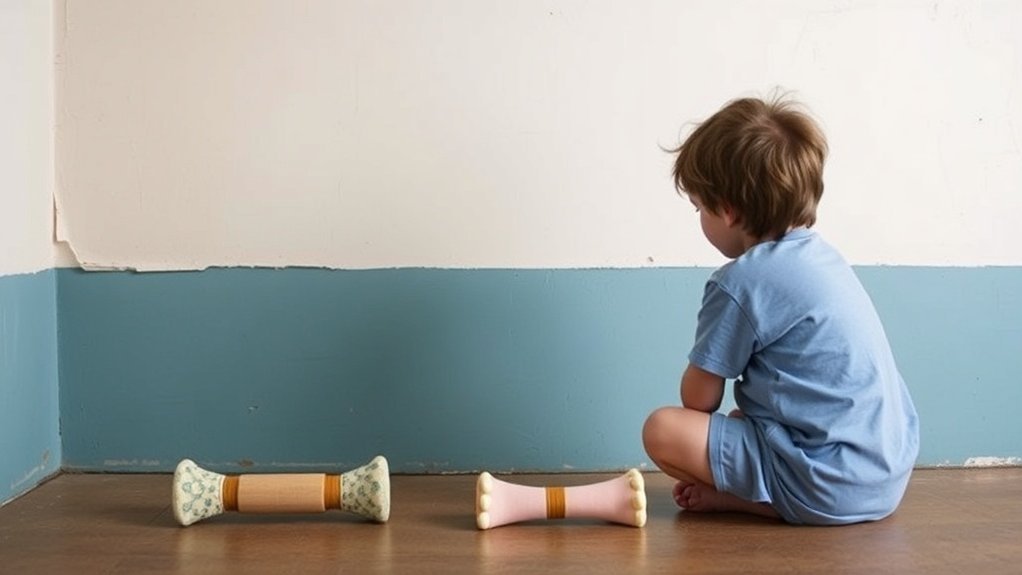
Ever had one of those days where your kids seem glued to screens, and you wonder if they're really learning anything? You're not alone. It happens in our house too. With the chaos of modern life, it's easy to think that constant activity is the answer. But here’s a thought: maybe boredom isn’t the enemy we think it is.
We’ve been diving into this topic lately, and it turns out that letting kids face a bit of boredom can actually spark creativity and emotional growth. Sounds like a win, right? When kids have the chance to entertain themselves in a safe space, they start discovering what they truly enjoy. They learn patience and how to explore interests independently. Research from experts (like those at the AAP) suggests that when kids sit with their boredom, they can develop resilience and self-reflection skills that are crucial for their development.
Now, I know what you're thinking: “Sounds great, but how do I actually make this happen?” Here’s the scoop. Give your kiddos some unstructured time—maybe 20-30 minutes for younger kids, a bit longer for older ones. And don’t feel guilty about it! You’re not neglecting them; you’re allowing them to grow.
Just a heads-up, though: safety is key. Supervise little ones, especially around things like water, sharp objects, or any small items that could be choking hazards. If your child’s under 4, keep an eye on them during these free play moments.
In our family, when things get chaotic, we throw in some low-key boredom busters. We’ve found that simple activities—like building with blocks, drawing with crayons, or even just exploring the backyard—can turn into hours of fun without costing a dime. Not every family has a budget for fancy outings, and that’s okay. Sometimes the best memories come from the simplest moments.
And let’s be real: not every attempt at boredom will go smoothly. We’ve had our fair share of meltdowns when my kids couldn’t figure out what to do with themselves. Don't worry if it backfires; it happens! Just have a backup plan ready—maybe a favorite book or a quick board game to turn the tide.
What’s your go-to activity for those rainy days? It might be worth keeping a list handy. If you’re feeling adventurous, why not try a “boredom jar”? Fill it with simple, low-cost ideas your kids can pick from when they say, “I’m bored.”
So, here’s a quick action step: tonight, sit down with your kids and brainstorm some boredom-busting ideas. Write them down together. You’ll be amazed at how much fun they can have exploring their own interests. And who knows? You might just discover a little bit about yourself in the process.
What we learned the hard way? Sometimes, the best moments come from the unexpected—so embrace the chaos, and let boredom work its magic!
History and Origins
You might be intrigued by how early thinkers recognized boredom as a natural state that fosters creativity and self-reflection.
This insight laid the groundwork for understanding boredom’s significance, especially in child development—a topic that continues to evolve.
Early Developments
Ever had one of those days when your kids are bouncing off the walls and you’re just trying to catch a break? We've definitely been there. But here's the thing: boredom is actually a good thing. It might feel like a pain, but it can spark creativity and independence in our little ones.
Think back—when was the last time your kids came up with a wild game or a story out of nowhere? That's the beauty of unstructured time. Early educators figured this out ages ago. They saw that boredom isn't just a drag; it nudges kids to think outside the box.
In our home, we've found that giving our kids some time to be bored—maybe while we’re cooking dinner—can lead to some pretty imaginative play. Just last week, my 5-year-old turned a laundry basket into a spaceship. Who knew?
But let's be real: boredom needs a safe space. For younger kids, especially those under 4, keep an eye on what they’re doing. Supervision is key, especially if there are sharp corners or small toys around that could be a choking hazard.
And remember, it’s okay if things don’t go perfectly. Sometimes, the idea of free play sounds great until you’re faced with the chaotic reality of a meltdown over a lost toy or a spilled drink.
So what can you do today? Try setting aside 20-30 minutes of “boredom time” for your kids. No screens, no structured activities—just them and their imagination. You might be surprised at how they come up with their own adventures.
And if things go sideways? Have a plan! Stock up on some simple art supplies or building blocks to redirect their energy. If it’s raining outside, pull out the playdough or let them help with a simple recipe. Just make sure it’s age-appropriate and safe—no sharp knives or hot stoves for those little hands!
How It Evolved Over Time
You know that moment when your kids are bouncing off the walls, and you just wish they'd find something to do? Yeah, we’ve all been there. It’s easy to think boredom's a modern problem, but believe it or not, it’s been part of growing up for centuries. A long time ago, folks figured out that when kids had downtime, they could get super creative and solve problems on their own.
These days, it feels like we're always filling every minute with activities. Sound like your Tuesday? But here’s the thing: many traditional cultures knew how valuable that idle time could be. It’s in those quiet moments that kids can explore what they love and learn resilience.
In our house, we’ve found that embracing boredom doesn’t mean we’re slacking as parents; it’s actually a way to let our kids discover their independence. This is especially true for kids 4 and up. They need space to figure things out on their own, and it’s okay if they fumble a bit.
Key Takeaway: Give them some time without screens or structured activities. Trust me; it’ll pay off. Just make sure to keep an eye on younger kids—supervision is a must, especially around things like water or sharp tools.
Now, if you’re wondering how to make this happen, here are some practical ideas. Try setting up a “boredom box” filled with low-cost items like art supplies, puzzles, or even random household things like paper rolls or buttons. You don’t need to spend a fortune—thrift stores or even your own junk drawer can be gold mines.
When we tried this on a rainy Saturday, our kids ended up building a fort with blankets and chairs, and you’d think they’d won a million bucks. They didn’t need a fancy gadget or a pricey outing to have fun. Just some old sheets and their imaginations.
But let’s be real: sometimes it backfires. You might face a meltdown when they realize they can't have a screen or that the box is empty. It happens. Here’s a tip: keep a few go-to activities in mind for those “uh-oh” moments. Think of simple crafts, a cooking project (maybe a no-bake recipe?), or a dance party in the living room.
And don’t forget seasonal activities! As we move into fall, get outside and collect leaves, or have a scavenger hunt in your backyard. If you’re stuck indoors, maybe try making a cozy reading nook and dive into some books together.
Remember, every family looks different, and that’s part of the adventure. You might be a single parent juggling work and kids, or a grandparent stepping in to help. Whatever your situation, finding those moments of quiet can help your child grow in ways you mightn't expect.
How It Actually Works
You might wonder what exactly happens when boredom sparks creativity in kids. It all starts with a core mechanism that triggers their minds to seek new ideas and solutions. Engaging in screen-free activities can significantly enhance this creative process by encouraging imaginative play and problem-solving.
With that understanding in mind, let’s take a closer look at the key components working under the hood to make this process unfold.
The Core Mechanism
Ever had that moment when your kid declares they're bored, and you feel the urge to fill the silence with screens, toys, or endless activities? I get it; it’s tempting. But here’s the thing: boredom can actually be a hidden gem for our kids. When they hit that lull, their minds start working magic. They dive into their imaginations, coming up with ideas and solutions all on their own.
We’ve noticed this in our house on rainy Saturdays when the usual plans fall through. I watched my 6-year-old create an entire world out of couch cushions and blankets. It was messy, sure, but it was fabulous to see her problem-solving and storytelling unfold right before my eyes.
That's the beauty of letting them sit with their boredom. It helps them build resilience and emotional regulation, skills they’ll carry into the future.
Here’s a quick win: Instead of rushing to fill every quiet moment, trust that boredom is nudging your child toward growth. It’s okay to let them experience those moments. If the weather's nice, maybe encourage them to play outside. Even a simple walk can spark creativity.
But let’s be real—sometimes boredom leads to meltdowns. That's part of the deal. If your child gets frustrated, it’s okay to step in with a suggestion or a new activity, but try to keep it low-key. Maybe pull out some art supplies or a book.
If you’re wondering about age-appropriate activities, the American Academy of Pediatrics suggests that unstructured play is vital for kids aged 2 and up. So, you can feel good about letting your little ones play freely.
Now, here's something we learned the hard way: not every child will handle boredom the same way. My 4-year-old, for example, struggled with it and often needed more support. Sometimes we tried to set up simple challenges, like building a fort or a scavenger hunt in the yard, which helped him channel that energy.
As a budget-friendly tip, you don’t need to spend a ton to keep the kids engaged. Think of activities like nature walks, backyard obstacle courses, or even a DIY craft day using things you already have at home.
So next time your child says, “I’m bored,” take a breath. Give them a moment. Encourage them to explore their imagination and see what they come up with. You might be surprised at what unfolds!
What’s one way you’ve tackled boredom in your house? Let's hear your stories!
Key Components
Ever had one of those days when your kid says they’re bored, and you think, “What now?” Been there! But here’s a little secret: boredom isn’t the enemy. It can actually spark creativity and growth in your child. When the noise dies down, their brains get a chance to kick into gear, and that's where the magic can happen.
We've found that boredom does a few amazing things for our kids:
- Mental rest: Let's be honest — constant stimulation can wear anyone out, especially little ones. When they’re bored, it’s like their brain hits the reset button. They get to recharge without endless screens or toys vying for their attention.
- Imaginative thinking: With nothing pulling them in a million directions, kids' minds can wander freely. They’ll come up with new ideas, stories, or even imaginary worlds. My youngest once turned a cardboard box into a spaceship on one of those quiet afternoons.
- Self-regulation: Boredom can teach them a thing or two about patience. They learn to manage their emotions and focus on finding something to do. It’s a skill that pays off later when they face bigger challenges.
But let’s be real: not every day is smooth sailing. Maybe your child melts down instead of getting creative, or they just stare blankly at the wall. That’s okay! It happens.
If things go sideways, try having a few go-to activities on hand, like a simple craft or a nature scavenger hunt. Just a heads up — this works best for kids ages 4 and up, but you know your child best.
Looking for budget-friendly options? You don’t need to break the bank. Think about free activities like exploring your backyard or making a story together. If you do want to spend a little, consider art supplies or library books. Always check for choking hazards if you’re dealing with younger kids, especially with small items.
As seasons change, so do our kids' interests. With school in full swing, there might be days when they just need a break. Keep an eye on the weather, too. A rainy day can be a perfect excuse for an indoor fort-building session. Just grab some blankets and let the imagination flow!
So, what can you try today? Next time your child says they're bored, encourage them to come up with three things they could do instead. It’s a simple way to spark their creativity.
And trust me, you’re not alone in this parenting journey! Just remember, lower the bar and give yourself grace. We’re all figuring it out together.
Under the Hood

Ever had one of those days when your kid just won’t stop saying they’re bored? Trust me, I’ve been there. It can feel like a never-ending loop of “What can I do?” But here’s the thing: that boredom isn’t just empty space. It’s actually a secret superpower at work.
When kids hit that boredom wall, their brains switch gears. They stop relying on outside distractions and start reflecting internally. This quiet time wakes up their brain’s default mode network, which is all about creativity, problem-solving, and self-awareness. So, instead of thinking, “Oh no, my kid is bored,” we can think, “Great! They're about to get creative!”
In our house, we’ve noticed that when our kids have a moment to just chill, they start connecting ideas, imagining new scenarios, and learning how to handle their feelings. It’s like giving their minds a mini workout. And guess what? It builds important skills like independent thinking and resilience—all while they’re in a safe mental space.
Now, I know what you're thinking: “That sounds great, but we can't just let them sit around all day!” You're right. Here’s a tip: set aside specific “boredom time.” Maybe 20-30 minutes after school or before dinner. Give them permission to just be. You can even suggest a few low-cost or free activities, like drawing with sidewalk chalk, building a fort with blankets, or even just staring at the clouds.
And let’s be real—sometimes things don’t go as planned. If you’ve ever had a meltdown over a failed craft project or a rainy day that turned into a major grump-fest, you’re not alone. That’s why it’s good to have a backup plan.
Maybe keep a list of go-to activities handy. You know, the ones that are easy to set up and don't require a trip to the store. Think scavenger hunts in the backyard or a DIY science experiment with stuff you already have at home.
Remember, boredom's a natural part of childhood development, especially for kids aged 4 and up. By giving them a little space to explore their own ideas, you’re helping them grow in ways that really matter.
Applications and Use Cases
Been there? You know those moments when the kids are bouncing off the walls, and you're just trying to catch your breath? It’s all part of the chaotic joy of parenting. But what if I told you that boredom can actually be your secret weapon? Yep, those quiet moments can spark creativity and growth for our little ones. No need to fill every minute with activities—sometimes, unstructured time is where the magic happens.
We've found that allowing our kids to sit in boredom lets them develop problem-solving skills and emotional resilience. You don't have to hover, but gently guiding them can build their independence and confidence. Here are some practical ideas for turning boredom into something meaningful:
| Situation | Activity Suggestion | Development Focus |
|---|---|---|
| After school | Drawing or journaling | Creativity & expression |
| Weekend mornings | Building with blocks | Problem-solving |
| Waiting periods | Mindful breathing exercises | Emotional regulation |
| Outdoor time | Nature observation | Curiosity & patience |
| Tech breaks | Imaginative play | Social skills |
A Few Tips for Each Situation
After School: Got a budding artist? Hand them some paper and colored pencils. Drawing or journaling can help them express what they’ve experienced that day. (And while they’re at it, you might sneak in a quick cup of tea!)
Weekend Mornings: Building with blocks can be a fantastic way to encourage problem-solving. We’ve spent hours creating makeshift forts, and trust me, the laughter is worth it. Just keep an eye out for smaller pieces if your kids are under 3—those can be choking hazards.
Waiting Periods: Mindful breathing exercises? Sounds fancy, right? But it can be as simple as counting breaths together. Just a few minutes can help them learn to calm down. Perfect for those moments when the grocery line feels like an eternity.
Outdoor Time: Nature observation is a great way to cultivate curiosity. We often take walks and play a game of spotting different birds or trees. It’s free and gets everyone moving!
Technology Breaks: Imaginative play can be anything from creating a puppet show to dressing up as superheroes. Just a heads up—this can get messy, so maybe set a designated area for it.
What to Watch Out For
Safety first! Always supervise younger kids, especially during activities that involve small parts, heat (like cooking), or outdoor adventures. And let’s be honest—some days are just wonky. If a kiddo has a meltdown over a failed project, that’s okay. Sometimes, a rainy day backup plan is just what you need.
What We Learned the Hard Way
Full disclosure: not every kid will dive into these activities with enthusiasm. We once tried a big art project that ended in tears and glitter everywhere. Now, we keep it simple and let them lead the way.
Advantages and Limitations

When was the last time your kiddos complained about being bored? It's a common refrain in our house, especially during long weekends or rainy days. But guess what? Letting that boredom simmer can actually spark some pretty amazing creativity. We've found that when we step back, our kids are more likely to dive into imaginative play or tackle a challenge they wouldn’t normally attempt with us hovering around.
Here's the deal: giving them space to explore helps them build independence and sharpen their problem-solving skills. They learn to figure things out on their own, which is a win in my book. Just last week, my 6-year-old turned an empty box into a spaceship without any help. It was messy, it was loud, but boy, did they have a blast.
Still, it’s a balancing act. Too much boredom can lead to those epic meltdowns we all dread. Keep an eye out for signs of frustration or disengagement. At times, my kids have felt neglected when I didn't step in quickly enough. So, it's crucial to be there, ready to jump in if needed but also ready to give them the space to figure things out.
Advantages & Limitations
| Advantages | Limitations |
|---|---|
| Encourages creativity | May cause restlessness |
| Builds self-reliance | Needs supervision for safety |
| Enhances problem-solving skills | Risk of feeling neglected |
| Promotes emotional regulation | Not suitable for all temperaments |
Safety First: Always keep an eye on what your little ones are up to, especially if they're playing with anything that poses a choking hazard or requires supervision—think scissors, hot stoves, or anything sharp. For younger kids, I’d suggest keeping them busy with age-appropriate crafts or activities that don’t need constant oversight.
Budget-Friendly Ideas: You don’t need to spend a fortune to keep your kids engaged. A simple cardboard box can turn into a rocket ship, and nature walks can lead to collecting leaves for art projects. Check out your local library for free activities or events—there's usually something happening that can be a fun outing without breaking the bank.
What Happens When Things Go Sideways?: Trust me, not every idea will land. My attempt at a homemade puppet show ended in tears (the puppets weren’t as charming as I envisioned). On days like that, pivoting to something simple, like coloring or a family movie, can save the day.
So, if you're feeling the weight of keeping your kids entertained, try stepping back a little. Let them explore, but also be ready to jump in if things get out of hand. What have you tried that worked wonders? What didn't?
Today, why not create a “boredom jar”? Fill it with ideas for activities your kids can do when they claim they have nothing to do. It could be anything from “create a treasure hunt” to “dance party in the living room.” You'll be surprised at what they come up with once they get started!
The Future
As we rethink our understanding of boredom's role in child development, a fascinating shift is emerging.
Experts suggest that embracing this seemingly idle state may become essential in nurturing creativity and problem-solving skills.
Emerging Trends
You ever look at your kids and think, “What are they actually doing with their time?” It's wild how much we worry about keeping them entertained. But here's a thought: boredom can actually be a good thing. We've been navigating some emerging trends that show how boredom can help our kids grow, and honestly, it's been a game-changer for our family.
First off, we’ve started creating “tech-free” zones at home. It’s not always easy—trust me, I get it—but those spaces have turned into little creativity hubs for my kids. They’ve learned to play, imagine, and reflect without screens buzzing in the background. It’s amazing how they find new ways to entertain themselves, and it gives them some valuable downtime.
If you’re looking for a budget-friendly way to start, consider a corner of the living room or the backyard. Just a few designated spots can work wonders.
Then there’s the classroom. More teachers are weaving in structured boredom periods. Can you believe it? Instead of filling every minute with planned activities, they’re letting kids sit with their thoughts, which helps them develop problem-solving skills.
We’ve seen this in our school—kids come home buzzing with ideas they came up with during that downtime. It’s like magic, and it creates a sense of calm. If your child’s school is doing this, celebrate it! If not, maybe suggest it during parent-teacher conferences.
And let’s not forget what mental health experts are saying. They point out that boredom can be protective. It helps kids build emotional resilience. They learn to sit with their feelings instead of running away from them. This isn’t just fluff; it’s backed by research from places like the AAP.
So when your child says they’re bored, maybe remind yourself that it’s a chance for them to grow.
What we learned the hard way is that letting kids experience boredom means you might face a meltdown or two along the way. It happens! Just last week, my youngest had a full-on tantrum because he couldn’t decide what to do with himself.
Recommended for You
🛒 Kids Activity Set
As an Amazon Associate we earn from qualifying purchases.
But once he calmed down, he ended up building a fort with couch cushions. Sometimes you just have to ride it out.
So, what do you think? Sound like your Tuesday? Embracing this idea of boredom can feel a bit chaotic at first, especially if you’re used to filling every second. But trust me, it’s worth it.
Today, why not carve out a tech-free zone in your home? Set a timer for 15 minutes and see what your kids come up with. You might be surprised by their creativity!
What Experts Predict
Ever had one of those days when your kids are bouncing off the walls, and you're just trying to find a minute of peace? I get it. You’re not alone. But here's a thought: what if a little boredom is actually a good thing?
Experts, and honestly, parents like us, believe that letting our kids experience boredom can spark their creativity and help them grow emotionally. It sounds counterintuitive, right? But giving our kids a chance to be bored—safely, of course—can help them develop self-reflection and problem-solving skills. These are super important as they navigate a world that’s always changing.
In our house, we’ve found that when the kids have moments to just stare at the ceiling or play with a box, they often come up with the wildest games or stories. It’s like magic! But remember, safety comes first. Keep an eye on them, especially with little ones around things like water, heat, or sharp objects.
Sound like your Tuesday? It’s okay if it doesn’t work out perfectly. There will be meltdowns and distractions. In fact, we learned the hard way that sometimes the “boredom experiment” goes sideways—like when my 4-year-old decided to redecorate the living room with crayons. Full disclosure: it was a mess, but we laughed it off!
So, how do you make boredom work for your family? Here are some budget-friendly ideas to try:
- Nature Scavenger Hunt: Take a walk outside and let the kids look for different leaves, rocks, or bugs. Set a timer for 30 minutes. It costs nothing and can be a fun way to explore. Just remember to supervise, especially near roads or water!
- DIY Storytime: Grab a stack of old magazines and have the kids cut out pictures to create their own stories. This can keep them engaged for an hour or more. No scissors? Use old newspapers instead!
- Invent a Game: Challenge your kids to create a new game with whatever’s lying around the house. It keeps them engaged and sparks their creativity. Just be ready for the chaos that might ensue!
- Quiet Time: If you have younger kids, consider implementing a quiet time where they can play independently for a bit. The American Academy of Pediatrics suggests limiting screen time for kids under 2 and keeping it to an hour a day for older kids. Use this time to recharge!
- Rainy Day Backup: Keep a few craft supplies handy for those unexpected rainy days. A simple box of crayons and some paper can turn into hours of fun.
Here's a tip that really works: when the inevitable chaos happens, embrace it. Instead of stressing about the mess, lean into the laughter and creativity. It’s part of the journey.
Today, I challenge you to set aside 15 minutes for your kids to explore their boredom. You might just be surprised at what they come up with! You’re doing great, and every little moment counts.
Frequently Asked Questions
Can Boredom Improve My Child's Creativity?
Q: Can boredom really help my child's creativity?
Absolutely, boredom can boost creativity! When kids feel bored, they start using their imagination to entertain themselves.
For younger kids (around age 3), you might supervise them while they explore new ideas. You don't need fancy toys—try using items from your pantry or backyard. Just keep an eye out for small parts or choking hazards.
Q: How can I encourage my child to play creatively when they're bored?
Letting your child experience boredom can spark their imagination. For kids ages 4 and up, you can set up a creative space with art supplies or everyday items.
If you’re on a budget, use old newspapers, cardboard boxes, or nature items for crafts. Just make sure there aren’t any allergens if they’re working with food materials.
Q: What activities can I suggest when my child says they’re bored?
You can suggest open-ended games or storytelling. For kids from age 5 and up, have them create their own games or stories.
If you're looking for low-cost options, use household items for DIY projects. Just make sure they’re age-appropriate and safe—avoid small parts if they've younger siblings around.
Q: Is it okay to let my child be bored?
Yes, it's perfectly fine! Allowing your child to be bored helps them develop their own interests and creativity.
For kids aged 3 and older, give them some unstructured time without screens. If you're concerned about costs, encourage outdoor play or simple activities like drawing with chalk. Just remember to supervise them during outdoor play for safety.
How Can Boredom Help Develop Problem-Solving Skills?
FAQ: Boredom and Problem-Solving Skills
Q: At what age can my child start developing problem-solving skills through boredom?
A: Kids can start around age 3, especially with supervision.
Set up safe spaces with simple tools like blocks or art supplies. Just keep an eye on small parts to avoid choking hazards.
Q: How can I encourage my child to entertain themselves without spending a lot?
A: You can budget about $15-20 for supplies like crafts or puzzles, but you can also use everyday items at home.
Think about old boxes or kitchen utensils for creative play—no extra cost needed!
Q: What activities can I do with my kids to help them solve problems?
A: Try simple construction projects or scavenger hunts for kids 4 and up.
These activities encourage critical thinking. Just ensure the materials are safe, and avoid small items if they’re under 3.
Q: Are there any food-related activities for older kids to boost problem-solving?
A: Cooking together is great for kids 5 and older.
Budget-friendly options include simple recipes with pantry staples. Just be cautious with allergens and supervise around hot surfaces.
Q: How do I know if my child is ready to solve problems independently?
A: Most kids around age 5 start showing interest in independent play.
Offer them challenges like building a fort. Just make sure the area is safe and free from hazards, so they can explore without worry.
Does Boredom Affect Different Age Groups Differently?
Q: How does boredom affect my younger child?
Boredom can actually boost creativity in kids around age 3, especially with supervision.
Encourage them to engage in open-ended play, like building with blocks or drawing. You don't need fancy toys—just use household items!
Just keep an eye on small parts that can be choking hazards.
Q: What about boredom in older children?
For kids aged 6 and up, boredom helps develop independent thinking.
Let them explore hobbies like writing stories or gardening. You can set aside some time each week for this—no need for expensive classes.
Just make sure it's safe and age-appropriate, especially with tools or materials they might use.
Q: How does boredom affect teenagers?
Boredom in teens can lead to self-reflection and goal-setting.
Encourage them to set personal projects or explore new interests around age 13.
They can create vision boards or start a blog, which can be done with minimal costs.
Just ensure they've a supportive space to share their thoughts and feelings.
What Role Does Boredom Play in Emotional Regulation?
Q: When can my child start learning to handle boredom?
A: From about age 3, with supervision. You can encourage them to play independently for short periods, like 10-15 minutes, while you’re nearby.
Just keep an eye on small toys to avoid choking hazards. If you're on a budget, try using household items for activities instead of buying new toys.
Q: How can I help my child manage frustration during boring moments?
A: Start teaching them simple self-soothing techniques around age 4. Breathing exercises or counting games can help.
Be there to guide them through it, but let them try on their own too. If you’re watching your spending, you can use free online resources for activities rather than buying books or kits.
Q: What should I do if my child gets upset with boredom?
A: Acknowledge their feelings right away and encourage them to express themselves.
You can suggest activities like drawing or building with blocks. Supervise younger kids to ensure safety and avoid any small parts.
For budget-friendly options, consider taking walks or exploring nature, which costs nothing and keeps them engaged.
Q: How can I create a safe space for my child to experience boredom?
A: Designate a quiet area for them to explore on their own, starting around age 3.
Make sure it’s free from hazards and has age-appropriate toys. If you’re low on cash, just clear out a corner of a room with some books and safe toys they already have.
How Can Parents Encourage Healthy Boredom at Home?
Q: How can I encourage my child to embrace boredom?
You can start from about age 3 with supervision. Create safe, tech-free zones where they can explore their thoughts.
Give them simple materials like paper and crayons or even building blocks. If you’re on a budget, use recycled materials from home. Just keep an eye on small parts to avoid choking hazards.
Q: What activities can help my child be bored?
Let your child decide what to do with materials you provide, like crayons or LEGO. This works well for kids ages 3 and up.
You can also take nature walks and collect leaves or stones for free activities. Just be sure to supervise them when they’re outside!
Q: How can I set boundaries around boredom?
Setting gentle boundaries helps kids feel secure while experiencing boredom.
You can start with short periods, like 15 minutes, for kids around age 4. If you’re worried about them feeling overwhelmed, sit nearby and read a book. That way, they know you’re available without stepping in too soon.
Conclusion
Let’s embrace those quiet moments together! This afternoon, why not grab a few art supplies and let your child create something wild and wonderful? Just 20 minutes of free drawing or painting can spark their imagination and give them a chance to explore on their own. Remember, good enough counts. It doesn’t have to be perfect; the mess is part of the fun! You’re giving them the freedom to think creatively, and trust me, they’ll surprise you with what they come up with. So go ahead, step back a bit, and watch their minds bloom. You’ve got this!
✨ Add a mystical dimension to your journaling practice:
- Free Tarot Reading – Add Mystical Insight to Your Journal Practice
- Daily Horoscope – Cosmic Journal Prompts for Every Sign
- Browse Luna's Spell Library – Intention-Setting for Your Journal
Powered by Luna's Circle — Free Tarot, Spells & Spiritual Tools
📚 Explore More on This Topic
Editor's Pick: a blank sketchbook and a set of plain pencils for unstructured creative play.
Your Weekly Dose of Inspiration
Journaling ideas, family tips, and gentle inspiration.
Related from our network
- Sensory Bin vs Busy Board: Which Boosts Toddler Development? (49% match)
- How to Make DIY Sensory Bins for Toddlers in 2025 (49% match)
- Teachable Review (2026 Update) (40% match)

