

The toys are scattered, someone's crying over a lost stuffed animal, and you're wondering how to keep everyone entertained without breaking the bank. It happens. Believe me, I’ve been there on a rainy Saturday, trying to find something fun to do with my kids that won’t cost a dime. Here’s the good news: you can create memorable moments without spending a cent. From backyard scavenger hunts to DIY game nights, I’ve got you covered with practical ideas that’ll help you reconnect and have a blast, all while keeping your budget intact. Lower the bar and let’s dive in!

Key Takeaways
- Plan a 2-hour family hike on local trails with water, snacks, and sunscreen — it promotes health and strengthens family bonds through shared experiences.
- Set up a backyard camping night using blankets and pillows — it sparks creativity and adventure, making memories without spending a dime.
- Collect recycled materials like cardboard and magazines for DIY art projects — it encourages creativity and teaches kids the value of repurposing.
- Organize a weekly game night with 3-4 board or card games — it boosts family bonding and laughter, ensuring everyone feels engaged and connected.
- Visit a community park or attend a free library event once a month — it exposes the family to new activities and fosters a sense of community without cost.
Explore Family-Friendly Hiking Trails This Weekend

If you’re like me, weekends can feel like a whirlwind of chaos—between school activities, laundry, and the occasional tantrum, it’s easy to forget that fresh air and family bonding can do wonders.
So, how about hitting the trails this weekend? Family-friendly hiking is a fantastic way to get everyone moving while soaking in nature’s beauty. Plus, it’s free or low-cost, which is a win for any budget-conscious parent.

Before you head out, take a moment to check the trail’s difficulty level. We’ve learned the hard way that not every hike is a good fit for little legs. Aim for trails that are age-appropriate—if you’ve got toddlers, look for one- to two-mile loops.
And don’t forget the essentials: water, snacks (trail mix or granola bars are great!), sunscreen, and a first-aid kit. I can’t tell you how often we’ve reached for that kit after a scraped knee!
What about gear? Make sure everyone’s wearing sturdy shoes—those cute sneakers just won’t cut it on rocky paths. Layered clothing is also a must; weather can change in a heartbeat.
We once got caught in a sudden downpour, and let me tell you, wet kids in the backseat? No fun.
Now, let’s talk safety. Keep an eye on little ones, especially near water or steep areas. It’s one of those things that makes your heart race.
Bring a map or download a GPS app, and don’t forget to tell someone your plans. You don’t want to be the family that goes missing in the woods—trust me!
Here’s a quick tip: pack a small emergency bag with allergy meds or any other special needs your kids have. Not every kid will love hiking, but it can be a great adventure if you keep it light and fun.
And what if things go sideways? Maybe your child has a meltdown because they’re tired or bored. Been there? Just take a break, have a snack, and let them explore a bit.
Sometimes, the best memories are made when things don’t go according to plan.
If you’re worried about the budget, many local parks have free trails. You can also check out community events; there are often guided hikes that won’t cost you a dime.
Researching outdoor activities for families can also help you find new, exciting trails to explore together.
So, what’s stopping you? Grab the family, pack those snacks, and hit the trail. You might just create a new weekend tradition.
And remember, it’s all about the journey, not just the destination. Happy hiking!
Plan a Backyard Camping Night for the Whole Family
You know those nights when the kids are bouncing off the walls, and you just can’t muster the energy for a full-on camping trip? Been there. A backyard camping night can be just the ticket to create some magic without the packing stress.
First things first: pick a safe, flat spot in your yard. Make sure it’s free from sharp rocks or branches that might poke an eye out. We usually set up our tent with the kids’ help—it’s a fun bonding moment, and they love being part of the setup.
Grab some warm blankets and comfy sleeping bags. Trust me, you’ll want them when the temperature dips.
Keep a flashlight or lantern handy. Kids love the glow, and let’s be real, it helps us parents navigate the chaos after dark. We’ve found that simple snacks work best—think popcorn, fruit, or s'mores if you want to get fancy. Just keep an eye on younger kids around food, especially with choking hazards.
Now, if you’re planning on using a small fire pit, safety is key. Supervise closely, keep water nearby, and never leave flames unattended. It’s easy to get caught up in the moment, but safety comes first—especially with kids running around.
As the sun sets, gather everyone for some storytelling or stargazing. We like to bring out a blanket and lie back while the kids point out constellations. Sure, they might mix up Ursa Major with a pizza slice (my 4-year-old’s honest review), but that’s part of the fun!
What’s your backup plan for a rainy night? We once set up our tent in the living room when the skies opened up unexpectedly. It wasn’t quite the same, but the kids loved it just as much.
To keep it budget-friendly, you don’t need to buy fancy camping gear. Use what you have at home—old sheets, cushions, and even fairy lights to make it cozy. Not every family has $200 to spend on a night of fun, and that’s okay.
Remember, camping is about the experience, not perfection. If things go sideways—a meltdown from a missed snack or an unexpected chill—don’t sweat it. Lower the bar. You’re doing fine.
And if you’re looking for more ideas, check out some rainy day activities that keep kids entertained indoors without screens.
Enjoy a Day at Your Local Community Park
**
After exploring the benefits of outdoor activities, why not put that knowledge into action?
Head to your local community park for a day full of fun and adventure.
Let the kids burn energy on the playground while you explore scenic nature trails together.
You’ll all enjoy fresh air and quality time in one perfect spot. Plus, engaging in outdoor play can greatly enhance physical health and development for both children and parents.
Playground Fun For All
Ever had one of those mornings where you just need to get the kids out of the house? Maybe the sun's shining, or maybe it’s a gray day that needs brightening up. We’ve all been there, right? Local parks can be a lifesaver, offering a fun escape for kids of all ages — and a little sanity for us parents too.
Playgrounds are designed with safety in mind, but that doesn’t mean you can kick back completely. I always make a quick check to see if the surfaces under the slides and swings are cushioned with mulch or rubber mats. That way, if someone takes a tumble (and believe me, they will), the risk of injury is lower. It’s such a relief to know they can climb, swing, and slide without too much worry.
If you’ve got younger kids, keep a close eye on them. I can't stress this enough: encourage them to stick to age-appropriate equipment. My three-year-old once decided that the big kid slide was his new best friend — big mistake! We learned the hard way that some things are just a little too advanced.
And hey, make sure to pack water and sunscreen, especially if you’re heading out during the peak sun hours. It’s a small thing, but it keeps everyone comfortable and protected.
Looking for budget-friendly options? Many parks are free, and even if you splurge on a day out, it doesn’t have to break the bank. A picnic lunch can be a fun way to save money and keep the kids engaged. Just remember to keep an eye on food allergies — I learned this the hard way when my son decided to share a peanut butter sandwich with a friend who was allergic. Yikes!
As the weather changes with the seasons, don’t forget about indoor play spaces or community centers if rain rolls in. They can be lifesavers on those dreary days when your little ones need to burn off some energy.
What’s your go-to park snack? Ours is usually fruit and some granola bars, but I’m always on the lookout for new ideas.
So, whether you're dealing with a meltdown over a swing or a sudden downpour, remember: you’re doing fine. Lower the bar. Just getting out of the house is a win in itself.
Today, why not take a quick trip to your local park? Check out what’s available and enjoy some outdoor time together. There's a whole world waiting for you, and those memories? They'll last a lifetime.
Nature Trails Exploration
After a wild afternoon at the playground, nothing beats the fresh air of a nature trail, right? It’s a chance to stretch those little legs and soak in some tranquility as a family. We’ve found that choosing well-maintained trails at your local park is a game-changer for a stress-free outing. You know—those paths where you don’t have to worry about running into unexpected hazards.
Stick to marked trails. Trust me, it’s so much easier to keep track of everyone and avoid any “Where did they go?” moments. And don’t forget the essentials: water, sunscreen, and insect repellent. Keeping everyone comfortable is key! A quick tip: pack snacks that are easy to munch on while walking. Low-budget options like granola bars or fruit can do wonders.
Encourage the kids to observe wildlife quietly. It’s a fantastic way for them to learn about nature without the chaos of too much noise. But be mindful—kids can get a little too curious! We always remind ours to keep their distance from plants and animals.
And remember, this is a team effort; keeping an eye on younger kids, especially near water or uneven ground, is crucial.
Been there when a kid trips or gets too close to the water? It can feel overwhelming. Just take a deep breath—it happens. Sometimes, the best moments come from the little adventures, even the messy ones.
Taking it slow allows you to enjoy the fresh air and those peaceful surroundings. We’ve learned the hard way that rushing just leads to meltdowns. So, how about setting aside at least an hour for your trail adventure? It gives everyone time to explore without feeling pressured.
What actually worked for us was turning the hike into a scavenger hunt. Simple things like spotting a certain leaf or a bird can keep kids engaged. Plus, it doesn’t cost a dime!
If it’s a rainy day or you’re not up for a hike, consider indoor nature centers or even backyard explorations. Just remember, nature is everywhere.
Have Fun With a Family Scavenger Hunt
To kick off your adventure, start by crafting a scavenger list that excites everyone and suits their age.
Consider diverse locations that spark curiosity—your backyard or a nearby park could offer the perfect backdrop.
As you rally your family together, you’ll find that this hunt isn’t just about the items; it’s about the teamwork and memories you'll create along the way.
Crafting Your Scavenger List
Crafting a scavenger list can feel like a tall order, but trust me — it’s a game changer for a family adventure. We've all been there, scrambling for ideas that won't end in chaos. The key? Keep it simple and relatable. Start with safe, easy-to-find items that won’t have you diving into thorny bushes or under questionable park benches. Think smooth rocks, colorful leaves, or feathers. These little treasures spark curiosity while keeping everyone close.
Tailor the list to your kids' ages and interests. Got a toddler? Stick to big, bright objects. If you’ve got older kids, throw in a few challenges to keep things interesting. Clear instructions are a must. Everyone should know what counts as a find — no one wants a meltdown over a leaf that’s “not the right color.” You can even add fun bonus items, like spotting a bird or listening for a particular sound.
Safety should always come first. If your kiddos are under 5, supervise closely, and steer clear of anything sharp, small, or potentially toxic. And let’s be real: not every family has a budget for fancy outings. You can easily make a scavenger hunt with items you find around the house or yard.
What’s the best part? You can do this rain or shine. On a drizzly Saturday, we took our scavenger hunt indoors and had just as much fun. It’s all about adjusting your expectations.
Choosing Fun Hunt Locations
Picking the right spot for your scavenger hunt can feel like a mini adventure in itself, right? We’ve all been there—scrambling to find a place that’s safe, fun, and familiar. Here’s the thing: local parks, your backyard, or a nearby nature trail can be just perfect.
Safety’s key, though. So, let’s skip the busy streets, steep cliffs, and any spots that might've hidden dangers like broken glass or uneven ground. Before you head out, take a quick look around. It’s a good idea to check for anything that could trip up your little explorers—trust me, I’ve learned that the hard way.
Timing is also everything. If you can, try to pick a less crowded hour. It makes for a more relaxed vibe, and you won’t feel like you’re wrangling a herd of kids. And remember: keep those little ones in sight at all times. Seriously, it’s easier to have fun when you’re not constantly worrying about where they’ve wandered off to.
In our house, we’ve found that backyard hunts are often the biggest hit—no travel time, and we can keep an eye on the kids while sipping coffee (or, let’s be honest, whatever cold cup of something is left over from breakfast).
Plus, it’s budget-friendly! You don’t need to spend a dime to have a blast.
Now, if the weather decides to rain on your parade, don’t sweat it. A scavenger hunt can easily move indoors. Think about hiding toys around the living room or creating a list of items they can find in their own rooms. Low-stress and still loads of fun!
Encouraging Team Collaboration
We've all been there — the kids are restless, you’re grasping for a fun family activity that doesn’t involve screens, and somehow, everyone ends up in their own world. But scavenger hunts? They can turn that chaos into a beautiful bonding experience. Trust me, they’re not just about the thrill of the search; they’re about teamwork and making memories. Here’s how you can keep it fun, safe, and inclusive for everyone in your family.
1. Assign Roles
Instead of letting everyone run wild, give each kid a specific job. Maybe one can be the navigator, another the item finder, and a third can keep an eye on the time.
We’ve found that assigning roles helps keep the chaos at bay and makes sure everyone feels like part of the team. Plus, it’s a great way to teach responsibility.
2. Set Clear Boundaries
Safety first, right? Define a safe zone for your scavenger hunt. This could be your backyard or a local park. Just make sure everyone knows where they can and can’t go.
For younger kids, I’d recommend keeping it to a smaller area — think about ages 4-7. Older kids can handle a bit more freedom, but it never hurts to have a buddy system in place.
3. Encourage Communication
Remind your crew to share their thoughts on clues and ideas. It’s amazing what happens when kids learn to work together.
They’ll chat, brainstorm, and maybe even argue a bit (it happens). But that’s all part of the process, right? In our house, we’ve seen that talking things through brings them closer, even if it gets a bit loud!
Budget-Friendly Tips
You don’t need to break the bank for this. Scavenger hunts can be as simple as using household items or free park activities.
Consider making a list of everyday items to find around the house — think socks, spoons, or even a favorite toy. If you’re feeling creative, you can even make a themed hunt based on what’s happening in your family’s life.
What if Things Go Awry?
You know that feeling when everything goes sideways? Maybe it starts pouring rain, or someone has a meltdown over not finding the “golden rock.”
That’s real life. Have a backup plan: maybe a cozy indoor treasure hunt or a movie marathon with some popcorn. It’s okay to pivot!
Seasonal Adjustments
Keep the time of year in mind. If it’s fall, incorporate leaves or pumpkins into your hunt.
Spring? Look for flowers blooming. And if you’re juggling school schedules, consider a weekend or a school break to dive into your adventure.
A Note on Supervision
For younger kids, keep an eye on them during the hunt — especially if you’re outside.
Make sure they’re away from potential hazards, like water or sharp tools. For kids aged 4 and up, you can give them a little more space, but always stay close by to help navigate any bumps in the road.
What’s your go-to family activity? Share your experiences!
Final Thought
Next time you’re planning a scavenger hunt, remember: it’s not just about finding items. It’s about connection.
Give those roles, set your boundaries, and encourage that chatter. You might just find that it’s the little moments that make the biggest memories.
Build a Backyard Obstacle Course for Active Play
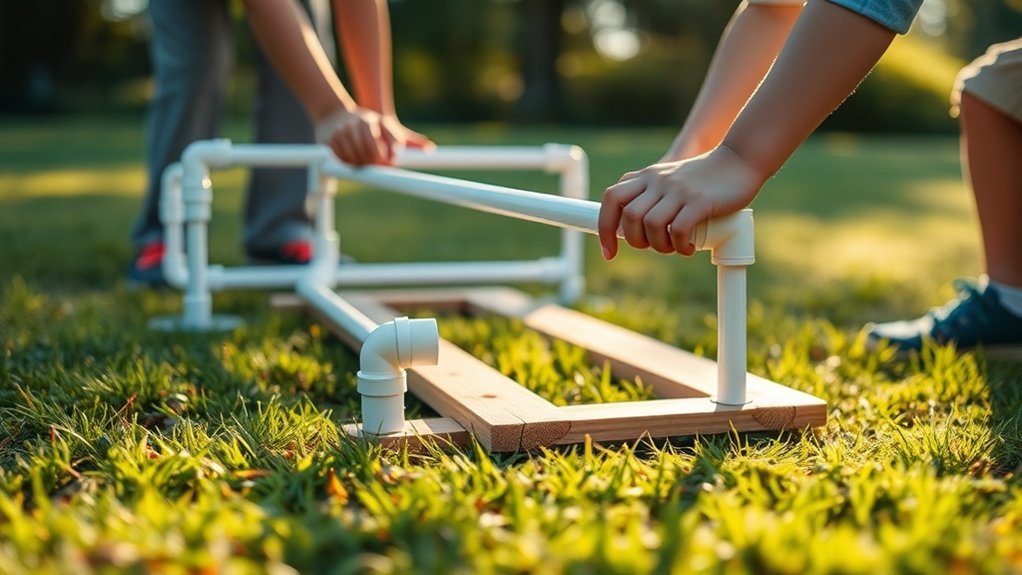
Want to get your crew moving and laughing this weekend? Building a backyard obstacle course might just be the ticket! We tried this on a rainy Saturday, and let me tell you, it turned into a chaotic but joyful mess that everyone loved.
First, scout out a flat, open space in your yard. Look for any sharp objects or hazards—you don’t want to end up with a trip to the ER. Use stuff you already have around the house: cones, ropes, cushions, whatever you can find. Crawling under ropes or hopping between cushions can be just as thrilling as anything you’d find at a playground.
Start with a safe, flat space and household items like cones and cushions for a fun, playground-style course.
And don’t stress about making it perfect; lower the bar. Sturdy and low obstacles are key to keeping little ones safe and preventing those inevitable tumbles.
Now, if you’ve got kids under 4, keep an extra close eye. Supervision is crucial here. For older kids, you can amp up the challenge a bit. Just remember to set clear rules for taking turns—trust me, it helps avoid meltdowns.
And a first aid kit nearby? Always a good idea, just in case.
What actually worked for us was embracing the chaos. We cheered each other on, and everyone felt like a winner. Kids thrive on encouragement, and it’s a great way to bond.
Here’s a quick tip: If things start to go sideways—say it starts raining or a little one gets cranky—switch gears. Maybe have a mini dance party or a snack break. It happens! You’re doing fine, and that flexibility can turn a potential meltdown into a fun memory.
So, what’s stopping you? Grab those household items and start building today. You might just create a backyard adventure that your family will talk about for weeks.
And remember, the goal is to have fun, not to create an Instagram-worthy course. Lower the bar and enjoy the moments!
P.S. We learned the hard way that not every kid will jump into this with excitement. Some might need a bit of coaxing or a demonstration. Just be patient, and let them find their groove!
Start a Family Garden Using Kitchen Scrap Seeds
Starting a family garden with kitchen scrap seeds is one of those delightful chaos moments we all crave—turning yesterday’s dinner into today’s learning adventure. Ever had a day where you just needed a win? This could be it! Teaching your kids about where food comes from doesn’t have to be a chore. Here’s how to dive in:
- Pick Your Seeds: Choose seeds from organic fruits and veggies—tomatoes and peppers are great. They’re usually easy to work with and don’t come with a bunch of chemicals. Sound familiar? You probably have some scraps in your kitchen right now!
- Clean and Dry: Rinse the seeds well and let them dry. This is super important—it helps keep mold and bacteria at bay. We learned the hard way that a little moisture can turn into a big mess.
- Get Planting: Find a sunny spot in your yard or use containers. Fresh soil is key; it gives your seeds the best shot at thriving. If you’ve got little ones (let’s say under 4), you’ll want to keep a close eye on them. They’re curious, and dirt can look like a snack.
- Budget-Friendly Tip: You don’t need fancy tools or expensive soil. Check your local nursery for free compost or ask around; many communities have sharing programs.
Been there? You know the feeling when you’re juggling nap times and dinner prep. Sometimes things go sideways. That rainy Saturday we tried this, the kids ended up muddy but giggling, and we learned that gardening can be a fun, messy experience. It doesn’t have to be perfect.
Safety Note: If you’re using any sharp tools, keep kids at a safe distance. For planting, they can help, but be sure they understand what’s safe and what’s not.
What Actually Worked for Us: We set aside about an hour for this project, which fit perfectly between snack time and the school pickup run. And let me tell you—watching my 5-year-old carefully place each seed was a heart-melter.
Here’s a quick win**: Let your kids decorate their pots! It’s a simple way to personalize the garden, and it keeps them engaged. You can use old containers or even recycled ones—just make sure they’re clean and have drainage holes**.
Wondering what to do if the seeds don’t sprout? It happens! Don’t let it get you down. You might try again with different seeds or just roll with it—maybe a trip to the local farmer’s market could inspire a new plan.
Host a Family Game Tournament at Home
After a long day of planting seeds and watching the garden bloom, shifting gears to a family game tournament can be just what you need to keep the fun rolling indoors. We've all been there—kids bouncing off the walls, looking for something to do. Grab your favorite board games, card decks, or puzzles, and set up a cozy spot that feels inviting. Just make sure it's well-lit and free from hazards.
Safety first, right? Keep small pieces out of reach if you’ve got little ones around—choking hazards are no joke. For younger kids, stick to games designed for ages 4 and up. We’ve had our fair share of meltdowns when a tiny piece went missing!
What actually worked for us? We created a little game rotation. Nobody likes to feel left out, so include everyone’s favorites, even those games that take forever (you know the ones).
And don’t forget to schedule in breaks for snacks and stretching—trust me, kids need to move around. It’s a win-win: you’ll keep the energy up, and they’ll be less likely to get cranky.
Been there when the game turns into a competition? Yeah, we’ve had our fair share of tears. To keep things friendly, set some ground rules before diving in. It doesn’t have to be anything fancy, just simple guidelines to prevent arguments.
And hey, if things do start to spiral, take a step back. Maybe switch to a puzzle and let the kids work together.
If you’re on a budget, remember there are tons of free options. Dust off those old board games, or even pull together some DIY activities with household items. A homemade scavenger hunt can turn into an all-time favorite, and it won’t cost you a dime.
Just be sure to keep your family structure in mind—everyone can join in, whether you're a single parent, grandparent-led household, or anything in between.
As a quick tip, try to keep your game nights during school breaks or on weekends when you have more time to relax.
And if you’re worried about screen time, the AAP recommends limiting recreational screen time to no more than one hour a day for kids ages 2 to 5. Just something to think about if you’re tempted to pull out a video game after a long day!
In our house, we learned the hard way that it helps to have a backup plan. If the weather turns or someone’s having a rough day, it’s nice to have a go-to activity.
Maybe it’s a movie night or some arts and crafts—whatever keeps the chaos at bay.
So, what can you do today? Gather your games, set up that cozy space, and dive into some family fun. You’re doing great! Enjoy those laughs and the friendly competition.
And remember, it doesn’t have to be perfect; it just has to be together.
Make Art With Household Items Together
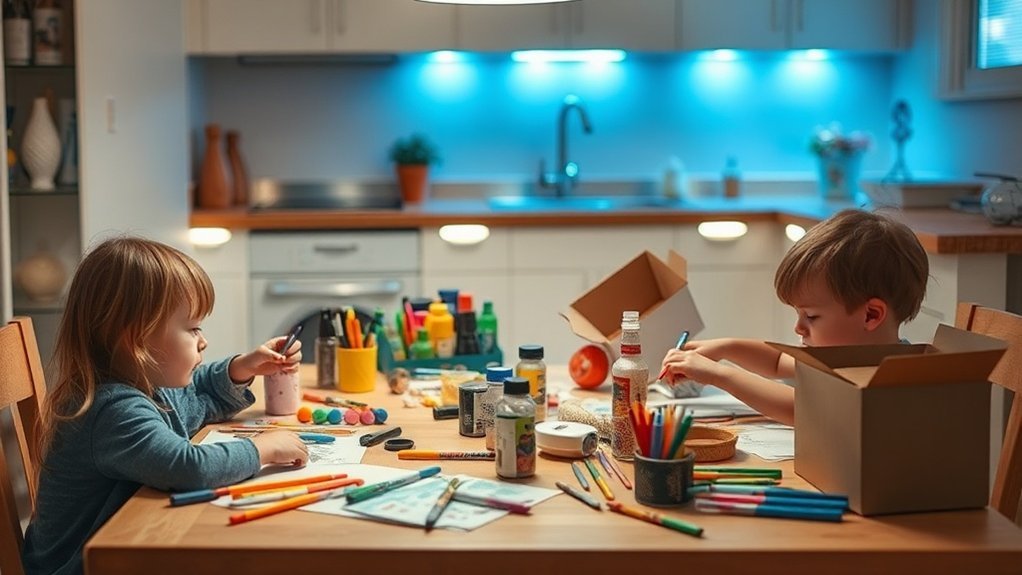
Feeling inspired by the potential of everyday items?
Imagine transforming those simple materials into imaginative art projects that bring everyone together.
Get ready to explore some exciting and easy activities that will unleash creativity and foster family bonding.
Creative Uses For Supplies
Ever had one of those days when the kids are bouncing off the walls, and you’re just trying to keep your sanity? Yeah, we all have. It’s on days like these that a little creativity can go a long way. You don’t need an art studio to spark imagination—just a few everyday items from around the house can do the trick. Here’s how we turn chaos into creativity!
1. Old Magazines and Newspapers
Been there? My kids love tearing through old magazines. We set a timer for 30 minutes, and it turns into a fun cut-and-paste session. They cut out shapes, letters, or even pictures of things they love.
Just a heads-up: use child-safe scissors, and keep an eye on younger ones to avoid any accidents. This is low-cost fun—grab those old magazines you’ve been meaning to recycle!
2. Empty Cardboard Boxes
Got a few empty boxes lying around? We’ve turned them into everything from cars to castles. Cardboard is surprisingly sturdy, and it’s a great way to let kids’ imaginations run wild.
Just make sure to smooth out any rough edges or tape them down to keep cuts at bay. You can spend an hour or two on this, depending on how elaborate they want to get. It’s a great way to keep them engaged and can double as a rainy day activity.
3. Kitchen Sponges and Safe Paint
This one’s a hit in our house! Grab some old kitchen sponges and cut them into fun shapes. Dip them in non-toxic paint and watch the kids create their own masterpieces.
We usually set this up outside to keep the mess manageable—trust me, it can get a little chaotic. Supervise, especially if you’ve got little ones who might want to taste the paint (yikes!). It’s quick, easy, and budget-friendly.
What We Learned the Hard Way
We once tried to do sponge painting indoors, thinking it’d be a breeze. Spoiler alert: it wasn’t. Paint splatters everywhere.
So, now we set up a designated “art zone” outside, especially on those sunny afternoons.
Take a moment today—maybe after school or on a weekend—and gather those supplies. You might just ignite a creative spark that turns the chaos into joy. And remember, whatever happens, you’re doing just fine!
Easy Projects For Kids
You know those days when the kids are bouncing off the walls, and you just need something—anything—to keep them busy? We've all been there. Let’s be honest: turning everyday household items into art supplies can save the day. All you need are things you likely already have lying around: paper towel rolls, cotton balls, and non-toxic glue. Seriously, it opens up a world of creative projects that are both easy and fun.
Got some old magazines or fabric scraps? Grab a pair of scissors (just supervise closely if your little ones are under 4; we’ve had a few close calls!) and let them cut out shapes for unique textures. You can even mix colors with food coloring and water for a splash of fun. Just a heads-up—keep an eye out for those small items; choking hazards are real.
In our house, we once turned a rainy Saturday into a mini art studio. After a quick clean-up (wipes are your best friend), we ended up with colorful collages that looked like masterpieces—at least to us! I encourage you to embrace the mess; it’s part of the fun. And if things go sideways? No biggie. Just roll with it.
For budget-friendly options, you can also use cardboard boxes or egg cartons—seriously, who doesn’t have those? If you're feeling extra adventurous, try making stamps from sponges for some creative flair. Just remember, this works best for kids aged 4 and up.
What actually worked for us was keeping the workspace tidy but flexible. It can get chaotic, and that’s okay. If you hit a wall and your kids lose interest, turn it into a game. “Okay, who can find the weirdest thing to add to our collage?” Trust me, it helps.
And hey, if you're working around nap times or school pickups, these projects can easily fit into a shorter window—like 30 minutes to an hour. It’s all about keeping it simple.
Cook a Budget-Friendly Family Recipe Together
Got a busy week ahead? We've all been there. Between school pick-ups, work deadlines, and that never-ending laundry, finding time to cook can feel like a mountain to climb. But here’s the good news: cooking a budget-friendly family meal can actually be a fun way to bond with your kids while keeping your wallet happy. Trust me, you’ll be surprised at how much laughter (and maybe a little chaos) happens in the kitchen.
Here’s how we make it work:
- Pick a Simple Recipe: Choose something with easy-to-handle ingredients. Think pasta, tacos, or a veggie stir-fry. Aim for recipes that don’t require sharp knives or hot oil—safety first, right? For little hands, we stick to soft veggies and fruits.
- Assign Tasks by Age: My 6-year-old loves rinsing veggies, while my 10-year-old can handle stirring the pot (with supervision, of course). It’s all about making it fun and doable. Remember to stress hygiene—washing hands is a must!
- Stay Supervised: When using the stove or oven, keep an eye on younger kids. Timers can be your best friend; they help everyone stay on track. Maybe set a timer for five minutes, and when it goes off, check in.
Cooking together can teach valuable skills and make memories without breaking the bank. Just keep it low-pressure. If the recipe flops—hey, it happens! We once ended up with a very questionable casserole that the dog probably loved more than we did.
Quick Tip: If you’re feeling especially ambitious, have a backup meal plan. On those days it rains and everyone’s cranky, maybe pizza night can save the day.
Budget-Friendly Ideas: Buying in bulk or opting for frozen veggies can save you a ton. Look for seasonal ingredients, too—farmers' markets can offer great deals! And let’s not forget about pantry staples; rice and beans can stretch a meal and are super affordable.
Timing Is Everything: Try to carve out about 30-45 minutes for cooking. That way, you won’t feel rushed, especially if the kids are helping. And, if you can, aim for weekends or school breaks when things are a bit more relaxed.
Lastly, remember that every family looks different, and that’s totally okay. Cooking is about adapting to what works for you. Whether you’re a single parent, part of a blended family, or anything in between, there’s no perfect way to do this. Just dive in and have fun with it.
What We Learned the Hard Way: We once decided to try a “fancy” recipe with a million steps, and let’s just say it didn’t end well. Keep it simple, and don’t be afraid to adjust as you go along.
Find Free Family Events in Your Community
Wondering how to keep your family entertained without breaking the bank? We've all been there—kids bouncing off the walls, and the budget is tight. One of our go-to strategies is hunting for free family events in the community. Local libraries, parks, and community centers often host activities that aren't only fun but also safe and supervised. Think storytimes, craft workshops, or those magical outdoor movie nights.
Many towns roll out seasonal festivals or farmers markets, and guess what? They usually come with kid-friendly entertainment and a secure atmosphere. We’ve found that checking trusted community websites or social media groups is a game-changer for up-to-date listings. Just remember to bring your own snacks and water—nothing worse than a “hangry” kiddo at a fun event!
Before heading out, take a moment to review safety measures and parking options. It’s all about that smooth experience, right? And let's be real: sometimes things go sideways. Maybe it rains, or the kids aren't feeling it. Having a backup plan can save the day.
Safety First: Keep in mind the age-appropriateness of events. Some activities might be better suited for older kids, so always check the details. Supervision levels can vary too, so stay close, especially if you have little ones. And if there's any water or sharp tools involved—just a heads up to watch those tiny fingers!
In our house, we’ve also learned that not every event will be a hit. My 4-year-old once declared a craft workshop “the worst” and wanted to leave after 10 minutes. It happens! Lowering the bar a bit can lead to unexpected fun.
Here’s a quick win: Plan ahead for upcoming school breaks or holidays. Many community centers ramp up their offerings during these times. You might find a free puppet show or a family fun day that fits perfectly into your schedule.
What’s worked for us? We tried attending a local farmer’s market one Saturday, and it was a hit! The kids loved the live music and even got to help pick out fresh fruits. Plus, we snagged some delicious samples—free snacks for the win!
Frequently Asked Questions
How Can I Keep Kids Entertained During Long Car Trips?
Q: What can I do to keep my kids entertained during long car trips?
A: You can keep kids engaged with audiobooks, music, and interactive games like “I Spy.”
For younger kids, make sure to supervise during games to avoid choking hazards. A budget-friendly option is to create your own car bingo cards using paper and markers instead of buying them. This makes it fun and personal while keeping costs down.
Q: How do I manage snacks during the trip?
A: Bring a variety of snacks, but keep in mind any allergies your kids may have.
For kids over three, you can pack items like cut-up fruits or veggie sticks in reusable containers. If you're on a budget, using snacks you already have at home can save money and minimize waste. Just be careful to avoid small pieces that could be choking hazards.
Q: What’s a good way to encourage breaks during the trip?
A: Plan for regular stops every couple of hours to let kids stretch and run around.
It helps break up the trip and keeps everyone from getting restless. If you're on a tight budget, look for free parks or rest areas along your route. Just ensure they stay close and safe while they burn off some energy.
Q: Are there any screen-free activities for older kids?
A: For kids ages 5 and up, try out storytelling or collaborative drawing games where everyone adds to a story or picture.
If you want to keep costs low, you can use a notebook and colored pencils you already have at home. Just remind them to stay buckled when it’s not their turn to participate!
What Are Some Free Educational Websites for Family Learning?
Q: What're some good websites for my kids to learn at home?
A: Khan Academy’s perfect for safe, thorough lessons in subjects like math and science. Kids around age 5 can start using it with supervision.
You can also explore National Geographic Kids for fun, secure content about animals and geography; it's great for ages 4 and up.
If you're looking for a budget-friendly option, PBS Kids offers tons of interactive games and videos for free!
Q: How can my kids learn coding?
A: Code.org is a fantastic, kid-friendly site for learning coding basics, and kids as young as 6 can use it with some guidance.
It promotes safe online habits, making it a solid choice for beginners. You don’t have to spend money on courses; there are plenty of free resources available online to get started.
Q: Are there any resources for younger kids?
A: PBS Kids is ideal for kids ages 2-8, featuring interactive games and videos designed for young learners.
It's completely free! Just keep an eye on your little ones while they explore, especially if they're using a touchscreen, to make sure they’re navigating safely.
How Do I Manage Screen Time on Weekends?
Q: How can I manage my kids' screen time on weekends?
You can set clear limits on screen time to keep weekends balanced.
Try creating a schedule that mixes tech with fun activities like outdoor play or crafts. Use timers to signal breaks.
If you’re on a budget, make a list of screen-free games you already have at home to keep everyone engaged without extra costs.
Q: What’s a good way to encourage family time without screens?
Plan regular family activities like board games or cooking together.
This keeps everyone connected and entertained. You don’t need fancy supplies; use what you have in the pantry for cooking or arts and crafts.
Make it a regular part of your weekend routine, and everyone will look forward to it.
Q: How do I handle my teenager’s screen time?
For teens, aim for about 2 hours of recreational screen time daily.
Set clear boundaries on when screens get turned off, like during meals or family time.
Encourage them to use that time for hobbies or socializing outside.
If you’re tight on budget, suggest free local events or community activities they can participate in.
Q: What about younger kids and screen time limits?
For kids under 5, stick to around 1 hour of supervised screen time daily.
Create fun, offline activities like simple crafts or outdoor play to keep them engaged.
You can easily use items from around the house for crafts, keeping costs low while sparking creativity.
Always be nearby to supervise their screen use.
Q: How can I create screen-free zones in the house?
Designate areas like the dining room or bedrooms as screen-free zones.
This encourages family interaction during meals and helps with sleep hygiene.
You don’t need to buy new furniture; just rearranging the space can help.
Make it a family rule, and stick to it together for the best results.
What Are Budget-Friendly Ways to Celebrate Birthdays at Home?
Q: What're some fun birthday activities for young kids?
You can organize a themed scavenger hunt or a DIY craft party from about age 3, with supervision.
Use materials you already have at home to keep costs low. Just make sure to avoid small parts that could be choking hazards for younger kids.
Q: How can we make a birthday meal special without spending a lot?
Cooking a special meal together is a great way to celebrate, and you can do it on a budget.
Get the kids involved in preparing the food, but be cautious with sharp utensils if they're under 10. You could also plan a picnic in the living room for a fun twist.
Q: What's an easy way to celebrate with decorations?
You can create handmade banners or drawings as decorations using supplies you already have, keeping it budget-friendly.
This works well for kids ages 5 and up, but younger ones will need help with scissors. Just supervise them to avoid any accidents.
Q: How can we bake a birthday cake without spending too much?
Baking a simple cake together is both fun and affordable.
Budget about $15-20 for ingredients, or use pantry staples like flour and sugar. If allergies are a concern, consider allergen-free recipes, and always check labels to keep everyone safe.
Q: What activities are safe for kids to play at home during a birthday celebration?
Keep activities low-risk by creating safe play spaces, which works well for kids aged 3 and up with adult supervision.
You can set up obstacle courses using cushions or furniture. Just make sure to clear the area of any sharp objects or hazards.
How Can I Encourage Kids to Help With Household Chores?
Q: When can I start getting my kids involved in chores?
You can start getting kids involved in chores around age 3, but always supervise them closely.
Simple tasks like sorting laundry or putting away toys are great for little ones. Just keep an eye out for small parts they could choke on, and make sure they feel safe.
—
Q: How can I make chores fun for my kids?
Turn chores into games or offer small rewards to make them more enjoyable.
For example, you could set a timer and see how quickly they can clean up. If you're on a budget, you can use stickers or extra playtime as incentives instead of spending money.
—
Q: What's the best way to teach my kids how to do chores?
Start with clear, simple instructions and demonstrate the task first.
For kids aged 4-6, you might let them help with basic tasks like dusting or setting the table. Always be there to guide them, and avoid using any harsh chemicals that could be harmful.
—
Q: How do I encourage my kids to stick to a chore routine?
Set up a consistent routine so chores become part of their daily life.
For younger kids, a visual chart with pictures can help them remember their tasks. If you're tight on cash, you can create this chart using items you already have at home, like paper or markers.
—
Q: What chores are appropriate for different ages?
Kids as young as 3 can help with simple tasks, like sorting or putting away toys.
Conclusion
Grab your loved ones and dive into something fun this weekend! How about a nature scavenger hunt? Just head to a local park or your backyard, and give your kids a list of things to find—like a pinecone, a feather, or a unique rock. It’ll take about 30 minutes, and trust me, they'll love the adventure. Good enough counts, so don’t worry if you miss a few items or if they get a little muddy. It’s the giggles and the time spent together that matter most, not a perfectly curated experience. You've got this—make some memories today!