



Build your child's self-esteem by assigning age-appropriate responsibilities like meal preparation and household tasks that promote demonstrated competence. Encourage novel experiences to develop cognitive flexibility, and normalize failure as essential for growth-oriented mindsets. Focus feedback on effort investment rather than outcomes to strengthen intrinsic motivation. Help them discover genuine passions through structured exploration, and involve them in community service to recognize societal value. These evidence-based approaches create authentic self-worth independent of external validation, and the following strategies provide thorough frameworks for long-term psychological resilience.
Key Takeaways
- Assign age-appropriate responsibilities like dressing and household chores to build competence and autonomy through demonstrated capability.
- Allow children to experience manageable failures and setbacks to develop resilience and problem-solving skills naturally.
- Encourage exploration of diverse activities and interests to help children discover intrinsic passions and strengthen self-identity.
- Focus feedback on effort and perseverance rather than outcomes to cultivate growth mindset and internal validation.
- Involve children in community service to help them recognize their societal value and develop purpose-driven self-worth.
Help Your Child Learn to Do Things

When children acquire mastery over age-appropriate tasks, they develop intrinsic motivation and self-efficacy that exceed what external validation can provide.

To help your child build genuine competence, introduce developmentally appropriate responsibilities systematically. Begin with self-care tasks like dressing independently or preparing simple snacks. These activities encourage autonomy while strengthening your child's self-esteem through tangible accomplishment.
Start with everyday tasks—dressing, snack preparation—that build autonomy through real achievement rather than empty praise.
Incorporate decision-making opportunities by allowing your child to select clothing or grocery items. This practice develops executive functioning skills and reinforces their capacity for independent judgment.
Assign household responsibilities such as table-setting or laundry-folding. These contributions establish practical competencies while promoting self-sufficiency and familial belonging.
When guiding your child through novel challenges—whether learning to ride a bicycle or developing literacy skills—emphasize the learning process rather than perfect execution. This approach normalizes mistakes as essential developmental components and reduces performance anxiety.
Frame your feedback around effort investment rather than outcomes. This reorientation helps your child understand that skill acquisition involves progressive mastery, cultivating resilience and growth-oriented mindsets.
Research shows that early childhood development during the first three years is particularly crucial for establishing these foundational skills that support lifelong mental health and well-being.
Encourage Them to Try New Experiences
While mastery of familiar tasks builds foundational competence, exposure to novel experiences accelerates cognitive flexibility and emotional regulation capacities.
When you encourage children to try new things, you're facilitating neuroplasticity—the brain's ability to form new neural pathways through challenge and adaptation. This process is critical for developing resilience, as children learn to navigate both success and failure in diverse contexts.
Research demonstrates that experiential variety allows kids to build confidence through discovering intrinsic interests and capabilities beyond predetermined strengths.
You'll observe improved self-efficacy as they develop problem-solving skills across multiple domains. This diversification prevents overdependence on single competencies while promoting a growth mindset essential for long-term psychological well-being.
Parents who model healthy behaviors by trying new experiences alongside their children demonstrate that balanced approaches to challenge and growth benefit the entire family's emotional development.
Allow Kids to Fail and Learn From Setbacks
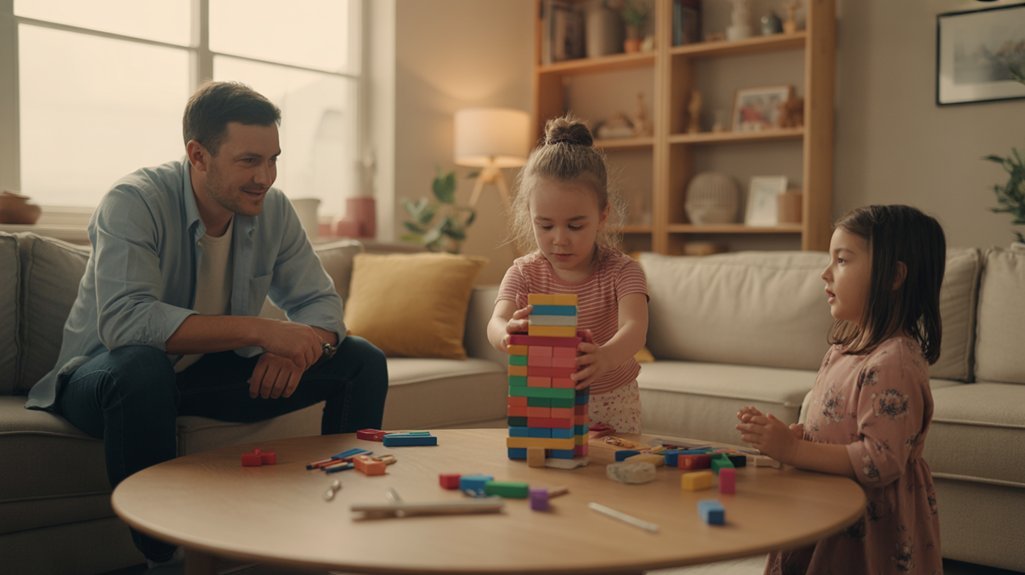
Counterintuitively, protecting children from failure compromises the very resilience you're attempting to nurture. When you allow kids to fail, you're providing essential developmental experiences that build authentic child's self-esteem rooted in competence rather than hollow reassurance.
Research demonstrates that children permitted to experience setbacks develop stronger problem-solving capabilities and adopt growth mindsets, viewing challenges as opportunities rather than threats. This exposure normalizes failure as part of learning, reducing fear that inhibits exploration and skill acquisition.
Failure experiences activate motivational systems that increase effort and perseverance—critical factors in long-term achievement. When children navigate setbacks successfully, they internalize their capacity to overcome obstacles, strengthening self-efficacy.
Your role involves reframing mistakes as learning opportunities rather than catastrophes. Focus discussions on lessons extracted from failures, emphasizing the iterative nature of skill development.
This approach nurtures healthy risk-taking behaviors and emotional regulation when confronting difficulties, establishing foundational resilience that serves children throughout their developmental trajectory. Building resilience through manageable challenges connects to overall health by supporting both emotional well-being and adaptive coping skills that benefit children's complete development.
Focus on Effort and Perseverance
Reinforcing resilience as a foundational life skill motivates continued engagement despite setbacks. Guide children toward setting personal goals that highlight their developmental trajectory rather than comparative performance. This process-oriented focus strengthens self-efficacy through observable progress.
Celebrate milestones that reflect perseverance—completing difficult tasks or overcoming obstacles—to reinforce determination's role in managing adversity.
Promote structured reflection on their efforts and learning processes, helping children internalize their growth patterns. This metacognitive awareness develops internal validation systems, reducing dependency on external approval while cultivating authentic self-worth grounded in their demonstrated capacity for sustained effort and adaptive problem-solving. Consider incorporating STEM learning resources that challenge children to think critically and build solutions, as these activities naturally emphasize the learning process over immediate results.
Help Kids Discover Their Passion

Beyond developing persistence through challenging tasks, children build strong self-concept when they engage with activities that align with their intrinsic interests.
You'll help kids develop authentic confidence by exposing them to diverse experiences across sports, arts, music, and coding. This exploration enables them to identify genuine passions while cultivating a versatile skill set.
Create structured opportunities for experimentation through classes, clubs, and hobby-based activities. These environments allow children to connect meaningfully with their interests and strengthen self-identity.
When you enable these experiences, you're supporting the development of agency and capability.
Engage children in deliberate conversations about their emerging interests and aspirations. This dialogue helps them articulate their passions and reinforces self-worth.
Guide them to understand that exploration involves trial and experimentation—a process that validates their unique talents.
Set Achievable Goals Together
Collaborative goal-setting establishes a foundation for children's executive function development and self-efficacy formation. When you engage children in defining achievable goals, you're teaching them to assess their capabilities realistically while encouraging intrinsic motivation. Structure larger objectives into manageable increments, enabling progressive mastery experiences that enhance self-esteem through demonstrated competence rather than external validation.
| Goal Type | Breaking It Down | Measurable Outcome |
|---|---|---|
| Academic mastery | 15-minute daily practice sessions | Weekly skill assessment |
| Social competence | Initiate one peer interaction daily | Track successful exchanges |
| Physical development | Practice specific movement for 10 minutes | Document improvement milestones |
Facilitate regular progress reviews where children identify obstacles and develop adaptive strategies. This metacognitive process builds resilience and problem-solving capacity. When children complete benchmarks, acknowledge their effort and strategic thinking rather than offering praise. You're promoting ownership of their developmental trajectory, which nurtures authentic self-worth grounded in personal achievement and persistence.
Assign Age-Appropriate Responsibilities

Age-appropriate responsibilities function as critical catalysts for competence development and autonomous self-concept formation in children. When you assign tasks like table-setting or laundry assistance, you're facilitating mastery experiences that directly improve self-esteem through demonstrated capability rather than external validation.
These responsibilities serve dual developmental purposes: they teach essential life skills while simultaneously encouraging independence. You'll observe that children who regularly engage in household contributions develop stronger self-efficacy beliefs and resilience patterns.
Maximize developmental impact by incorporating choice within responsibility structures. Allow children to select clothing or plan meals, thereby strengthening decision-making competencies and personal agency.
Consider extending responsibilities beyond the household through community service involvement. This broader engagement helps children recognize their value as contributing members of society, nurturing authentic self-worth and belonging.
Consistency in responsibility assignment enables children to internalize their capabilities, establishing foundational patterns for positive self-image development and adaptive coping mechanisms throughout their developmental trajectory.
Be a Positive Role Model
While structured responsibilities establish competence through direct action, children simultaneously develop self-concept through observational learning processes. Your modeling of self-compassion and resilience directly influences your child's self-esteem development.
Research demonstrates that when you exhibit a growth mindset, your child internalizes similar attitudes, nurturing self-acceptance and perseverance during challenges.
You'll strengthen your child's self-esteem by demonstrating positive self-regard in daily activities. Approach tasks with diligence while maintaining realistic expectations of yourself. When you make mistakes, openly discuss them and the lessons learned—this normalizes imperfection and reframes setbacks as growth opportunities rather than failures.
Your attitude toward effort versus perfection shapes your child's internal value system. By emphasizing personal growth over external validation, you help your child internalize positive things about their capabilities.
Display healthy self-acceptance while valuing progress, and your child will adopt these same frameworks for evaluating their worth and developing authentic self-esteem.
Embrace Imperfection and Mistakes

Children's neurological development thrives when they're exposed to manageable failures within supportive environments, as this activates adaptive stress responses and strengthens neural pathways associated with problem-solving.
You'll foster psychological resilience by consistently demonstrating that errors serve as essential data points in skill acquisition rather than threats to self-worth.
Research shows that when caregivers normalize imperfection through daily modeling, children develop metacognitive abilities that enable them to reframe setbacks as learning opportunities rather than personal inadequacies.
Normalize Making Mistakes Daily
When parents openly acknowledge their own mistakes—from spilling coffee to miscalculating a recipe—they provide children with a critical cognitive framework that reframes errors as normative rather than aberrant events.
This practice of normalizing mistakes directly improves your child's self-esteem by reducing fear-based avoidance behaviors and promoting adaptive coping strategies.
Research demonstrates that consistent exposure to parental imperfection supports the development of psychological resilience and growth-oriented mindsets.
You'll observe increased risk-taking behaviors in your child, which correlates with expanded skill acquisition opportunities.
When you discuss everyday errors openly, you create a psychologically safe environment that encourages exploratory learning without shame or judgment.
Model Your Own Imperfections
Your deliberate disclosure of personal imperfections establishes what developmental psychologists term a “vulnerability model”—a behavioral template that directly shapes your child's self-evaluative processes.
Modeling your own imperfections demonstrates that competence doesn't require perfection, fundamentally altering how children construct their self-worth frameworks.
When you authentically share mistakes and recovery strategies, you're teaching emotional regulation through observational learning. This transparency creates psychological safety—children internalize that errors don't diminish intrinsic value.
Research confirms that exposure to imperfect role models correlates with reduced performance anxiety and increased resilience.
Share specific examples: “I miscalculated that recipe, so I'm adjusting the ingredients.” This narration externalizes problem-solving processes while normalizing setbacks.
Your child's self-esteem strengthens when they witness you maintaining self-acceptance during failures, establishing adaptive coping patterns they'll replicate throughout development.
Reframe Failure as Learning
Beyond demonstrating your own imperfections, you'll need to actively reshape how your child interprets their failures. When you reframe failure as learning, you're establishing neural pathways that promote resilience and growth mindset development.
Research demonstrates that children who view mistakes as developmental opportunities rather than setbacks show increased willingness to engage in novel experiences, directly enhancing skill acquisition and your child's self-esteem.
Normalize errors through explicit discussion, emphasizing that mistakes represent universal human experiences rather than personal deficiencies. This cognitive restructuring reduces anxiety associated with performance outcomes.
Reinforce that failure isn't catastrophic—it's informational. When children understand that setbacks provide essential feedback for skill refinement, they develop persistence patterns that correlate with long-term achievement.
Your consistent messaging reshapes their internal narrative from “I can't” to “I'm learning.”
Show Unconditional Love and Acceptance
Your child's self-worth develops most securely when they experience your love as independent from their performance or accomplishments.
Research demonstrates that children who receive consistent affection regardless of outcomes develop stronger intrinsic motivation and more stable self-concepts than those whose acceptance feels conditional.
You strengthen this foundation by validating their emotions, interests, and individuality—communicating through both words and actions that your bond remains unwavering even when they struggle, fail, or make choices different from your expectations.
Love Beyond Achievements
When children perceive parental affection as contingent upon their accomplishments, they develop what researchers term “conditional positive regard”—a psychological state associated with increased anxiety, diminished intrinsic motivation, and fragile self-worth.
You'll strengthen your child's self-esteem by demonstrating love that's independent of performance outcomes. Express affection consistently during setbacks and successes alike, reinforcing that your regard remains constant regardless of achievements.
Accept your child's unique interests and preferences without imposing performance expectations. Spend quality time engaging in activities they choose, actively listening to their thoughts and feelings without judgment.
These actions communicate inherent value rather than conditional worth. Through emotional acceptance, you'll help your child develop resilience against societal pressures, nurturing authentic self-worth that transcends external validation.
This foundation supports healthy psychological development and lasting self-esteem.
Accept Their Authentic Self
Authentic self-acceptance represents a distinct psychological construct from performance-independent affection, requiring parents to validate their child's inherent characteristics—temperament, preferences, emotional expressions, and developing identity—rather than merely separating love from achievement.
When you demonstrate genuine acceptance of your child's interests and emotions, even those diverging from your expectations, you establish psychological safety essential for healthy identity formation.
Research confirms that accepting a child's authentic self greatly enhances child's self-esteem and builds resilience against adversity.
You'll encourage this acceptance by actively validating their unique expressions, communicating unconditional regard through both verbal affirmations and behavioral consistency, and creating space for individuality to flourish.
This foundational acceptance equips children with the internal resources necessary for maneuvering complex social interactions and developing secure, autonomous self-concepts that serve them throughout life.
Build Confidence Beyond Compliments

While verbal praise remains a common parenting tool, research demonstrates that children develop more resilient self-esteem through mastery experiences and autonomous achievement. You'll strengthen your child's confidence by implementing evidence-based strategies that emphasize competence-building over external validation.
Consider these developmental approaches:
- Assign age-appropriate responsibilities within your household structure, allowing children to experience meaningful contribution and foster intrinsic motivation through task completion.
- Facilitate skill diversification by supporting exploration across multiple interest areas, which establishes broader competency frameworks and reduces performance anxiety in individual domains.
- Create structured opportunities for trial-and-error learning, normalizing setbacks as essential components of cognitive and emotional development rather than indicators of inadequacy.
Your modeling of self-acceptance and adaptive coping mechanisms greatly influences how children internalize self-esteem.
When you demonstrate resilience through challenges and maintain equilibrium during failures, you're providing observational learning opportunities that shape their internal self-evaluation processes more powerfully than verbal affirmations alone.
Understanding Self-Esteem Challenges

You'll recognize low self-esteem in your child through observable behavioral patterns: persistent negative self-talk, avoidance of age-appropriate challenges, and heightened sensitivity to peer comparison.
These manifestations stem from identifiable developmental disruptions—chronic criticism, adverse social experiences, or exposure to unrealistic standards through digital media.
Understanding the distinction between situation-specific confidence and core self-worth becomes essential, as each requires different intervention approaches and affects your child's mental health trajectory differently across developmental stages.
Signs of Low Self-Esteem
Because low self-esteem manifests through observable behavioral patterns, recognizing these signs early enables timely intervention.
You'll notice children with compromised self-esteem frequently engage in challenge avoidance, fearing failure rather than viewing it as a developmental opportunity. Their internal dialogue often includes negative self-statements like “I'm not good enough,” perpetuating inadequacy cycles.
Social withdrawal becomes prominent as they anticipate peer judgment or rejection. Paradoxically, these children often establish unrealistically heightened standards, experiencing profound discouragement when outcomes fall short.
Additionally, they'll demonstrate difficulty accepting compliments, deflecting or dismissing praise due to internalized unworthiness.
Understanding these manifestations allows you to address your child's self-esteem concerns systematically. By identifying these behavioral indicators, you're positioned to implement evidence-based interventions that nurture genuine self-worth development rather than relying solely on praise-dependent approaches.
Root Causes and Triggers
Understanding self-esteem's foundational disruptions requires examining the complex interplay between environmental factors and developmental vulnerabilities.
You'll find that negative feedback from peers, adults, and social media creates internalized narratives of inadequacy that profoundly affect your child's confidence. Familial relationship patterns and social hierarchies serve as primary catalysts for self-doubt, particularly during shifting periods like school changes.
Research demonstrates that these triggers don't occur in isolation—they compound developmental challenges and create vulnerability pathways toward anxiety and depression.
You must recognize that your child's self-esteem fluctuates naturally during normative shifts, but persistent negative self-perception requires intervention. By identifying specific environmental stressors and relational interactions, you'll better understand which factors undermine your child's confidence, enabling you to implement targeted support strategies that address root causes rather than symptoms.
Age-Specific Self-Esteem Issues
Each developmental stage presents distinct self-esteem vulnerabilities that require differentiated parental responses. Understanding these age-specific manifestations enables you to provide targeted support that addresses your child's self-esteem needs effectively.
| Age Range | Primary Challenges | Key Manifestations |
|---|---|---|
| Early Childhood (3-5) | Ability awareness, peer comparison | Validation-seeking behaviors, competency doubts |
| Middle Childhood (6-11) | Social interactions, academic performance | Bullying impact, exclusion sensitivity, perceived failure |
| Early Adolescence (12-14) | Identity formation, body image | Negative self-talk, social media influence |
| Mid-Adolescence (15-17) | Peer relationships, self-perception | Challenge avoidance, comparison patterns |
| Late Adolescence (18+) | Autonomy, future uncertainty | Self-doubt, decision paralysis |
Recognizing these developmental patterns allows you to intervene appropriately, supporting your child's self-esteem through each critical progression phase.
Impact on Mental Health
When self-esteem deteriorates below adaptive thresholds, your child faces heightened risk for developing clinically significant mental health conditions including Major Depressive Disorder and Generalized Anxiety Disorder.
Low self-esteem creates cognitive patterns characterized by persistent negative self-talk, fundamentally disrupting your child's emotional regulation capacity and stress management abilities.
Research demonstrates that children experiencing prolonged low self-esteem exhibit behavioral withdrawal from peer relationships and previously enjoyed activities, severely constraining developmental opportunities.
Social media exposure intensifies these vulnerabilities, as constant comparison with idealized representations reinforces feelings of inadequacy.
Early identification proves critical for prevention. Your timely intervention through emotionally validating conversations can interrupt maladaptive cognitive cycles.
When you recognize mental health warning signs linked to diminished self-worth, professional consultation becomes essential for thorough developmental support and long-term resilience building.
Distinguishing Confidence From Self-Worth
Although frequently conflated in parenting discourse, confidence and self-worth represent neurologically distinct constructs that require separate developmental considerations. Confidence manifests as domain-specific competence beliefs, while self-worth reflects unconditional valuation of one's inherent humanity.
| Construct | Primary Focus | Developmental Impact |
|---|---|---|
| Confidence | Task-specific abilities | Performance in discrete situations |
| Self-Worth | Intrinsic human value | Baseline emotional resilience |
| Self-Esteem | Integration of both | Overall psychological functioning |
Children who conflate these constructs often develop fragile self-esteem, contingent upon continuous achievement validation. This misalignment creates vulnerability to depressive symptomatology when inevitable setbacks occur. Your role involves explicitly differentiating these concepts, helping children recognize that temporary skill deficits don't diminish their fundamental worth as individuals deserving compassion and belonging.
Action-Based Confidence Building Methods
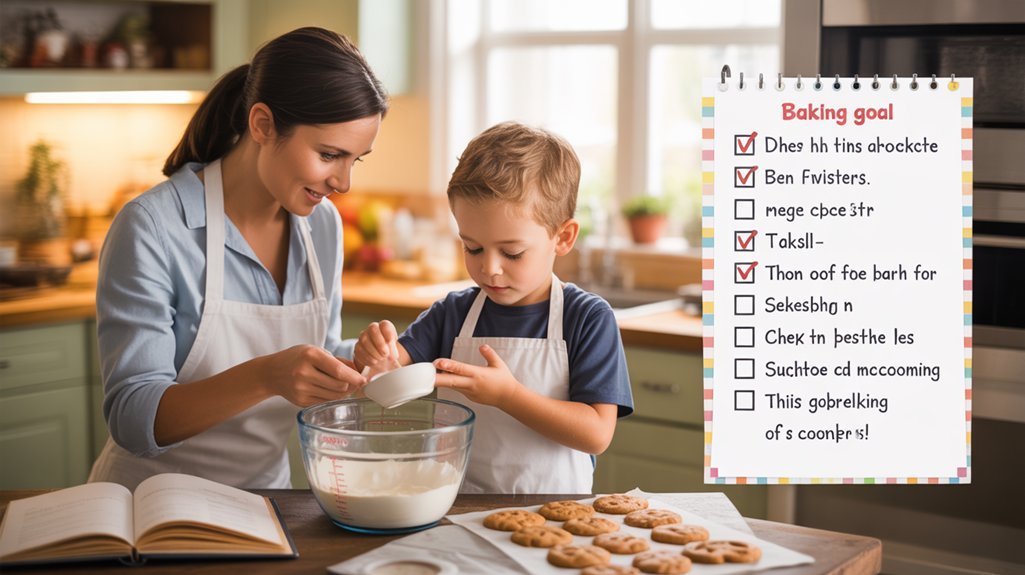
While verbal affirmations have their place in child development, action-based confidence building establishes self-esteem through competence rather than external validation. These experiential methods allow children to internalize their capabilities through measurable achievements and tangible contributions.
Implement these evidence-based strategies to promote intrinsic motivation:
- Goal-setting frameworks: Guide your child through establishing and achieving personal objectives, creating concrete experiences of accomplishment that reinforce self-efficacy.
- Age-appropriate responsibilities: Assign household tasks that demonstrate their value as contributing family members, strengthening both independence and self-worth.
- Structured exploration: Encourage engagement in novel activities beyond established comfort zones, building resilience through adaptive challenges.
Additionally, teach problem-solving methodologies using real-world situations, allowing autonomous navigation of difficulties. This approach reinforces capability without dependence on adult intervention.
Community service involvement further boosts self-esteem by providing purpose-driven contributions that benefit others, cultivating empathy while demonstrating their capacity for meaningful impact within broader social contexts.
Long-Term Self-Worth Development

Long-term self-worth development extends beyond immediate skill acquisition to encompass psychological frameworks that children carry into adolescence and adulthood.
You'll find that self-esteem takes time to solidify through repeated experiences with manageable failure, which builds resilience and normalizes the growth process. Helping your child assume age-appropriate responsibilities creates authentic competence, allowing them to internalize their capabilities rather than depend on external validation.
Facilitate community engagement opportunities where they contribute meaningfully to others, establishing purpose-driven identity formation. These experiences demonstrate their value extends beyond personal achievement.
Support the development of reciprocal peer relationships that provide emotional validation and belonging—critical components of stable self-concept.
Implement systematic goal-setting frameworks that teach them to articulate aspirations and deconstruct them into achievable milestones. This cyclical process of planning, executing, and reflecting creates sustainable self-efficacy.
These evidence-based approaches establish psychological foundations that withstand developmental shifts and environmental stressors throughout their lifespan.
Frequently Asked Questions
How to Promote Children's Self-Esteem?
You'll promote children's self-esteem by nurturing emotional resilience through age-appropriate challenges and natural consequences.
Encourage exploration of diverse activities while normalizing setbacks as developmental opportunities. Assign meaningful responsibilities that demonstrate their capability and contribution.
Rather than relying solely on positive affirmations, emphasize effort-based recognition that reinforces perseverance.
You're building intrinsic motivation when you allow children to experience both success and failure authentically.
This evidence-based approach develops self-efficacy and healthy self-concept through genuine accomplishment rather than external validation.
What Is the 7 7 7 Rule Parenting?
The 7 7 7 rule is a parenting technique where you dedicate seven minutes daily to one-on-one connection, ask seven open-ended questions to promote dialogue, and spend seven minutes validating your child's emotions.
Research demonstrates significant 7 7 7 benefits for developmental outcomes, including improved emotional regulation and secure attachment formation.
You'll strengthen parent-child reciprocity while nurturing intrinsic motivation rather than external validation-dependence.
This evidence-based approach supports children's emerging self-concept and promotes emotional intelligence through consistent, attuned interactions.
What Are the 3 C's of Self-Esteem?
The 3 C's of self-esteem—Competence, Confidence, and Connection—form the developmental framework you'll need to nurture healthy self-worth in children.
Competence builds through mastery experiences, while confidence building emerges from resilient responses to challenges.
Connection establishes secure attachments essential for emotional regulation.
When you integrate these elements with self-awareness skills training, you're supporting evidence-based identity formation.
This triad creates the psychological foundation children require to develop authentic self-esteem rather than external validation dependence.
What Are the 5 C's of Self-Esteem?
“Rome wasn't built in a day,” and neither is healthy self-esteem.
The 5 C's encompass Competence, Confidence, Connection, Character, and Contribution.
You'll cultivate confidence building through skill mastery and autonomous decision-making.
Connection strengthens attachment security, while Character develops moral identity.
Contribution improves purpose and self-efficacy.
Together, these domains promote emotional resilience in children, creating a strong framework for psychological well-being.
Evidence demonstrates that nurturing all five components simultaneously yields ideal developmental outcomes for those you're supporting.
Conclusion
You'll find that children with high self-esteem demonstrate 40% greater resilience when facing academic challenges. By implementing these evidence-based strategies, you're nurturing intrinsic motivation rather than external validation dependence. Your child's psychological development benefits most from mastery experiences and autonomy-supportive parenting behaviors. Research indicates that competence-building activities create sustainable self-worth, whereas praise alone produces temporary affective responses. You're now equipped to guide your child's developmental trajectory toward authentic self-efficacy and adaptive coping mechanisms throughout their formative years.
Related Articles
- The Ultimate Guide to Sibling Conflict
- The Ultimate Guide to Family Meal Planning
- The Ultimate Guide to Kids Educational Games
- 20 Fun DIY Crafts to Strengthen Family Bonds
- The Ultimate Guide to Screen Time Management

Written by Sarah Mitchell, M.S., CFLE
Founder & Lead Editor
Sarah is a Certified Family Life Educator with a Master's degree in Human Development and Family Studies from the University of Missouri. With 15+ years of experience as a parent educator and mother of three, she brings both professional expertise and real-world parenting wisdom to every article.
Credentials: M.S. in Human Development and Family Studies, Certified Family Life Educator (CFLE)