

Ever had one of those days when your little one melts down over the tiniest noise or flickering light? It happens. We tried creating a sensory-friendly space on a rainy Saturday, and let me tell you, it made a world of difference. This article’s here to help you turn your home into a calm oasis, tackling those overwhelming triggers that can throw everyone off balance. You don’t need to overhaul everything—small changes can bring big wins for your family's emotional well-being. So, let’s dive into how to make your home a little more peaceful for everyone!

Key Takeaways
- Swap harsh overhead lights for soft LED bulbs with a warm color temperature (2700K) — this reduces eye strain and creates a soothing atmosphere.
- Designate a cozy corner in your home with at least three soft, textured blankets and five cushions — this offers a comforting retreat for relaxation and stress relief.
- Invest in blackout curtains for under $50 to block out disruptive light — this enhances sleep quality and helps maintain a peaceful environment.
- Create a DIY sensory corner using repurposed furniture and sensory-friendly items within a week — this allows for gradual adjustments while minimizing costs and maximizing comfort.
- Limit noise pollution by using soundproofing foam panels in high-traffic areas — this leads to reduced sensory overload and promotes emotional calm.
Introduction
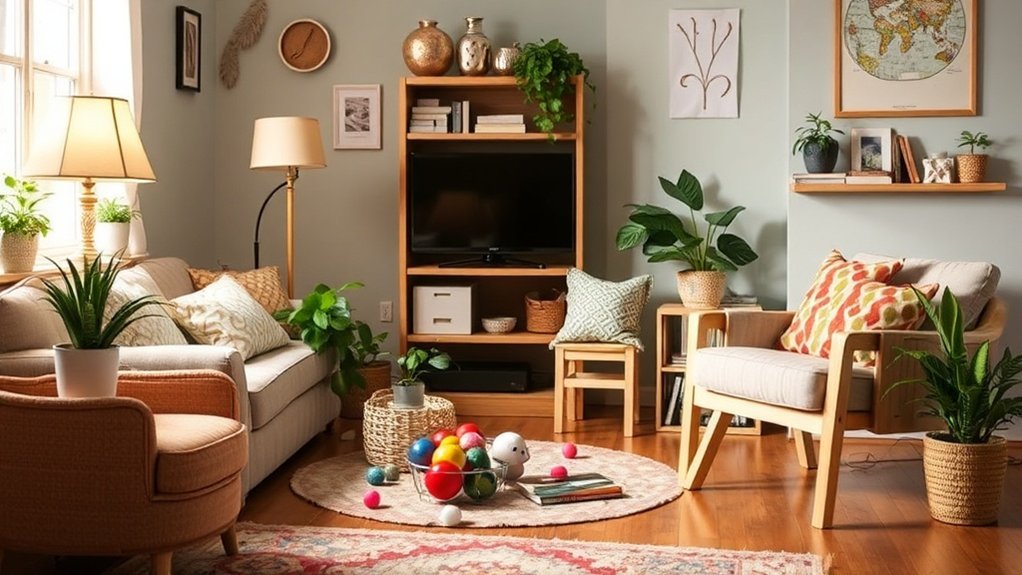
Creating a sensory-friendly home might feel like a tall order, especially when the chaos of family life is in full swing. But trust me, you can make a few simple changes that can really boost comfort and lower stress levels. Think about it: what if your home could be a calming place for you and your kiddos?
Start by spotting those sensory triggers—harsh lighting, loud noises, or scratchy fabrics. We’ve all been there, right? It can be overwhelming. In our house, we found that switching to soft lighting made a world of difference. Those bright, glaring bulbs? No thanks! Try using lamps with warm bulbs or even fairy lights for a cozy vibe.

Soundproofing can be a game changer, too. If you’ve got a noisy neighborhood or rambunctious kids, consider adding rugs or curtains. They absorb sound and make everything feel a bit quieter.
And when it comes to textures, opt for gentle fabrics. We learned the hard way that not every fabric is kid-approved—some can be scratchy or irritating. Engaging in regular family outdoor activities can also help children develop better sensory processing skills.
Safety’s a big deal here, so keep an eye on any modifications you make. Make sure that everything is safe for all ages. If you've got little ones, watch out for choking hazards and ensure nothing's within reach that could be dangerous.
Now, let’s talk budget—because who doesn’t love saving a buck? You don’t need to spend a fortune to create a peaceful environment. Hit up thrift stores for soft cushions or blankets, or even swap items with friends.
So, what do you think? Ready to turn your home into a cozy retreat? Start with one room and see how it goes. You might be surprised at how a few changes can create a space where everyone feels at ease.
And remember, if things get a little wacky, that’s normal. We’ve all had those days where nothing seems to work.
Today, why not try dimming the lights in the living room and putting on some calming music? You might find it’s just what your family needs.
Overview
Understanding the key elements that create a sensory-friendly home is just the beginning.
Imagine walking into a space designed for comfort and calm—how transformative that could be for daily life.
With that vision in mind, let’s explore the essential steps to bring this idea to life.
What You Need to Know
Before you dive into transforming your home into a sensory-friendly haven, let’s hit pause for a second. Have you ever felt your heart race when the world gets too loud or too bright? We’ve all been there. It’s wild how something as simple as a flickering light or a sudden noise can throw off our little ones’ (or our own) whole day.
Here's the scoop: sensory experiences—like sounds, lights, textures, and smells—can either be a warm hug or a chaotic storm. So, it's crucial to figure out what triggers stress or discomfort for your family. This isn’t about perfection; it’s about creating a space that feels safe and calm. Safety first, always. That means minimizing unexpected triggers.
In our house, we’ve found that soft lighting and noise reduction make a huge difference. If you’re not ready to drop serious cash, you can grab some cheap blackout curtains or even a simple white noise machine. They might be budget-friendly, but boy, do they work wonders!
Remember, every family is unique. What works for one mightn't work for another. And that’s perfectly okay. Tailor your home to fit your family's specific needs.
Quick Tip: Try introducing cozy fabrics—think soft blankets or plush rugs. They can be lifesavers for creating that comforting environment. You might also want to do a little sensory test run with your kids. Have them choose their favorite textures or colors. This can help you understand what they love and what might be overwhelming.
Been there with the meltdowns? Yeah, we’ve had our share of those, especially when things don’t go as planned. Just the other day, I tried to introduce a new scent to our living room. Let’s just say it was met with a chorus of “Yuck!”
So, if something doesn’t fly, don’t sweat it. It happens.
Also, keep in mind that some sensory preferences can change with the seasons. As the weather shifts, so might your family’s comfort levels. During hot summer days, you might want to keep things cool and airy, while cozying up with blankets in the colder months.
And let’s not overlook safety, especially with younger kids. Always supervise playtime with any sensory items like beads or small toys to avoid choking hazards. For kids under 4, stick to larger items that can’t be swallowed.
To wrap this up, here’s an action you can take today: pick one room. Assess the sensory input. Can you dim the lights a bit? Add a soft throw? Maybe even crank up the white noise?
You’ve got this. Remember, it’s all about making small changes that add up to a big difference. You’re doing great!
Why People Are Talking About This

Why is everyone buzzing about creating sensory-friendly homes lately? Maybe you’ve felt it too—the chaos of family life can sometimes get overwhelming. We’ve all had those days where the noise, the bright lights, and the constant movement make you want to hide under a blanket. Sound familiar?
What’s great is that more families are stepping back and asking how to make their homes a little calmer. We’ve found that sensory-friendly spaces really help manage noise, lighting, and textures. It’s like crafting a little oasis where you and your kiddos can truly unwind.
And here’s the kicker: it’s not just for kids with sensory sensitivities. Everyone can benefit from a cozy, nurturing space that feels safe.
When we first tried to make our home more sensory-friendly, we started small. Maybe it was swapping out harsh lights for softer options or using rugs to muffle sound. Little changes can make a big difference, and you don’t need a big budget to do it.
Think about adding some cozy blankets or soft cushions—even a simple DIY sensory corner with items like squishy toys can work wonders.
And let's be real—this is parenting. Sometimes, things go sideways. We've had meltdowns when trying to adjust our space too quickly, and that's okay! It happens. Remember, you’re not alone in this.
If you’re looking for a quick win, try dimming the lights during family movie night or using noise-canceling headphones when things get too loud. It only takes a few minutes to set up, and it can really change the vibe.
As we navigate this journey, let’s keep in mind that every family looks different. Single parents, blended families, or households with grandparents all have unique needs. The goal is to create a space where everyone feels comfortable and secure.
So, what can you do today? Start by identifying one area of your home that feels a bit chaotic. Maybe it’s the playroom or the living room.
Take a few minutes to think about how you can make it more relaxing. Lower the bar—simple tweaks can lead to a more peaceful home. And remember, it’s all about progress, not perfection.
What we learned the hard way? Sometimes, it’s the smallest changes that have the biggest impact. Your home can truly become a refuge.
History and Origins
You’ll find that sensory-friendly environments began gaining attention decades ago, focusing on reducing overwhelming stimuli.
Over time, the approach has evolved to include thoughtful design and personalized adjustments for comfort.
With this historical context established, consider how these developments have shaped the current understanding of creating supportive spaces for individuals with sensory sensitivities.
What does this mean for modern applications?
Early Developments
You know that feeling when your kid's sensory overload hits? The loud noises, bright lights, and chaotic environment can turn a simple trip to the store into a meltdown. We've been there, and it’s tough. That's why creating sensory-friendly spaces at home can be a game changer.
Sure, this idea has gained traction recently, but let’s not forget the folks who laid the groundwork years ago. They saw the need for calm, tailored environments, especially for kids with autism or sensory processing challenges.
In our house, we’ve found that simple changes, like soft lighting or using textured materials, can make a world of difference. Think of it this way: you’re not just decorating; you’re creating a safe haven. You don’t need to break the bank either! You can start with budget-friendly options, like using curtains to muffle sounds or adding a cozy corner with pillows and blankets for comfort.
Safety is key, especially if you have little ones around. Always supervise them in these spaces, and steer clear of any choking hazards with small items. And if you’re using anything like heated lamps for warmth, keep them out of reach!
Have you ever tried soundproofing a room? It sounds fancy, but you can actually do it on the cheap. A few rugs, some heavy curtains, and even wall hangings can absorb noise. When we tried this on a rainy Saturday, we noticed our little one settled down quicker during quiet time.
What worked for us may not work for every family, but it’s worth experimenting with. Consider this: the early pioneers of sensory-friendly spaces focused on reducing overwhelming stimuli, and it’s still about making your home feel safe and welcoming.
What’s your go-to trick for calming your kids?
If you're feeling overwhelmed by the idea of redesigning a room, start small. Maybe create a cozy nook in a corner of the living room. You don’t need to do it all at once. Just remember, you're doing fine. Lower the bar, and focus on what feels right for your family.
And here’s a little tip from our experience: when things go sideways, like unexpected meltdowns or a failed quiet time, don’t be too hard on yourself. It happens! Just breathe and try again later.
Today, take a moment to look around your space. What’s one small change you can make? Whether it’s dimming the lights or adding a soft rug, every little bit helps in creating that sensory-friendly environment for your family.
You're not just making a room; you're building a sanctuary.
How It Evolved Over Time
Has your living room ever felt like a circus? You’re not alone. We’ve all been there, juggling sensory needs and trying to create a space that works for our families. When we started thinking about sensory-friendly environments, it felt overwhelming—like trying to solve a puzzle with missing pieces.
Here's the good news: it doesn't have to be perfect. Early designs focused mainly on dimming lights and muting sounds, but we’ve come a long way. Now, it’s about more than just reducing stimuli; it’s about crafting a space that feels safe and comforting. Think textures, colors that soothe, and layouts that invite calm.
In our house, we’ve found that simple changes make a world of difference. For example, swapping out harsh bulbs for warm LED lights can create a cozy vibe. A soft rug can help dampen noise and give little ones a tactile experience.
And don’t forget about safe zones—maybe a corner filled with pillows where kids can retreat when things feel too loud or chaotic.
If you’re wondering how to get started, here’s a quick win: try a “calm box.” Fill it with items that help your child self-soothe—like fidget toys, calming scents, or even noise-canceling headphones. We kept ours near the couch, and it’s been a lifesaver on those chaotic afternoons.
Just make sure to supervise younger kids with the items to avoid any choking hazards, especially if there are small toys involved.
Now, let's talk about budget-friendly options. You don’t need to spend a fortune. Thrift stores can be goldmines for finding soft throws or colorful cushions. Even a trip to the dollar store can yield some great sensory toys.
Remember, every family is different, and what works for one may not work for another. It’s okay to mix and match until you find your groove.
Been there when things go sideways? We’ve had our share of meltdowns over the wrong color of a blanket or a sudden noise from the outside world. Those moments can be tough.
Keep a backup plan handy—like a go-to activity that can be done quietly, such as coloring or building with blocks.
As seasons change, so do our needs. With school schedules ramping up, it's a good idea to think about creating a calm homework zone. A little corner with a comfy chair and good lighting can make a big difference.
What we learned the hard way? Not every strategy will work for every child. My youngest isn’t into the calm box at all—it became more of a toy box!
So, don’t be discouraged if things don’t click right away.
Want to try something today? Take a moment to look around your home. Is there a space that could use a little sensory TLC? Maybe it’s just a matter of rearranging a few things or adding a cozy blanket.
You’ve got this! Remember, it’s all about finding what works for your unique family.
How It Actually Works
With a solid understanding of how sensory elements contribute to your environment, let’s explore the intricate dance between lighting, textures, and sound.
These components not only coexist but actively enhance each other, crafting a space that nurtures your well-being.
How do they interact to create that sense of calm? Let’s take a closer look.
The Core Mechanism
Ever had one of those days where the noise and chaos just feels too much? You’re not alone. Creating a sensory-friendly home can be a game changer for us parents. It’s all about managing sensory input to help everyone feel calm and grounded. We’ve found that a space where sights, sounds, textures, and smells are balanced can really reduce stress.
Think of it this way: it’s not about eliminating all the fun and noise; it’s about arranging things so they don’t feel overwhelming. I remember when my kids were younger, and the simplest things—like the sound of the vacuum or bright lights—could send them into a meltdown. Sound familiar?
Here’s a quick win: try to create cozy corners in your home. A soft blanket, some plush pillows, and a few calming toys can work wonders. It doesn't have to cost a fortune. Thrift stores often have great finds, and you can even repurpose old cushions.
And don’t stress if it doesn’t work perfectly the first time. We once turned a rainy Saturday into a sensory-friendly day, only for my toddler to throw a fit because the blue light from the fish tank was “too bright.” Lesson learned: have a backup plan ready, like dimming the lights or turning the tank off for a bit.
As you set up your space, keep in mind that safety comes first. If you’ve got little ones crawling around, keep sharp objects, hot surfaces, and choking hazards out of reach.
And remember, sensory needs can change with the seasons. In the winter, cozy textures and warm colors might feel right, while in summer, lighter, cooler spaces might work better.
Also, don’t forget to respect how every family looks different. Whether you’re a single parent, co-parenting, or leading a blended family, you know your kids best. The goal is to create a space that feels safe and predictable for them.
What actually worked for us was to involve the kids in the process. They love picking out their favorite colors and textures. It’s a fun little project that helps them feel more connected to their home.
Key Components
Creating a sensory-friendly home? It’s more than just throwing in a few cozy blankets or soft pillows. Trust me, I’ve been there—juggling the chaos of family life while trying to carve out a space that feels safe and calm for everyone.
It’s all about understanding what actually makes a difference in our homes.
Here are three must-consider components that can help you create that soothing environment:
1. Lighting: We’ve switched to using soft, natural light wherever we can. Harsh overhead lights? No thanks! Dimmer switches or lamps with warm bulbs can really make a difference.
You might be surprised how changing the lighting can shift the whole vibe of a room.
2. Sound: Let’s face it—kids can be loud, and unexpected noises can throw everything off. We’ve found that adding some soundproofing can help.
Think about a white noise machine or even calming background music. It’s a game-changer on those hectic days. Have you tried it?
3. Textures: Choosing the right materials is key. We’ve learned the hard way that itchy fabrics can lead to meltdowns.
Soft, gentle materials can provide comfort without overwhelming the senses. Look for budget-friendly options like cotton or fleece; they don’t have to break the bank.
When you take these components into account, you’re setting the stage for a home that feels safe and supportive for everyone.
It’s not about perfection—trust me, I know the struggle. It’s about making choices that work for your family.
What’s your go-to trick for creating a calm space? Let me know!
Under the Hood
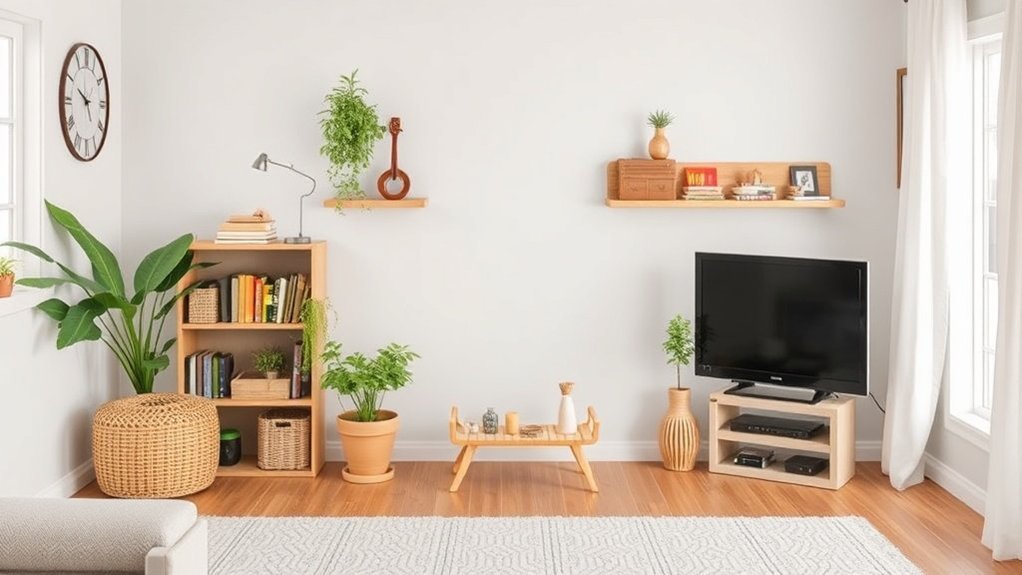
Setting up a sensory-friendly home can feel like one more thing on your never-ending to-do list, right? But trust me, it doesn’t have to be overwhelming. We’ve found that small changes can make a big difference.
Take lighting, for instance. Dimming those harsh overhead lights can help reduce visual overload. It’s amazing how a soft glow can create a calm atmosphere, especially during those chaotic evenings. You know, the ones where everyone’s a bit too wound up?
Soft, natural textures on furniture can be a game changer, too. They gently engage your kiddos’ senses without causing any discomfort.
And let’s talk noise. Sound-absorbing materials, like rugs or curtains, can help lower those unexpected loud sounds that can send everyone into a tailspin. We’ve had our fair share of meltdowns when a door slammed or the washing machine rattled. Keeping things quiet really helps in our house.
You also want to think about scents. Using unscented or mild-smelling products can save you from overwhelming little noses. It’s one less thing to worry about when you’re juggling everything else.
Remember, it’s all about balance. A sensory-friendly home can be your family’s safe haven where everyone feels secure and at ease.
So, what’s one small change you can make today? Maybe dim those lights or swap out a harsh detergent for something milder.
In our experience, it’s the little tweaks that add up. Want a quick win? Try out a cozy blanket or a new textured pillow. You might just find it becomes a favorite spot for everyone to unwind.
And hey, things won’t always go perfectly — that’s parenting for you! We once tried to set up a cozy reading nook, but it quickly turned into a pillow fort. It was a mess, but it was also a blast! Sometimes, you’ve just got to roll with it.
What’s your go-to tip for creating a calming space at home? Share your thoughts!
Applications and Use Cases
Ever had one of those days where the chaos seems too much? You know, when the noise level hits a peak, and you're just trying to find a moment of peace? We've all been there. Creating sensory-friendly spaces can be a game changer. It can help you carve out calm amidst the whirlwind of family life.
Whether you’re at home, school, or the office, making small adjustments can really help everyone feel more grounded. Think about it: a cozy corner for unwinding or some dim lighting to keep the overstimulation at bay. These tweaks not only make life easier but also protect everyone's well-being.
Here's a quick win to consider:
| Setting | Application | Benefit |
|---|---|---|
| Home | Soft lighting, noise control | Helps with better sleep |
| School | Sensory rooms, flexible seating | Boosts focus and reduces distractions |
| Workplace | Noise-canceling headphones, calming decor | Increases productivity, calms nerves |
In our house, we’ve found that soft lighting in the evening works wonders for winding down. It’s a budget-friendly fix—just grab some string lights or a couple of lamps with warm bulbs. And if you live somewhere loud, noise-canceling headphones aren't just for the workplace. They can be lifesavers for kids during homework time too.
So, what about school? We’ve had success with flexible seating options. Some kids just need to bounce a little to focus. A simple yoga ball or a bean bag chair can work wonders. And if your school has a sensory room, thank your lucky stars! It can be a sanctuary when the classroom gets overwhelming.
But let’s be real: sometimes, things go sideways. Maybe you set up a cozy nook, only to find your toddler using it as a fort instead. It happens! Embrace it, and remember that the goal is to create a space that feels safe and welcoming, even if it looks a bit messy.
And here’s a thought: have you checked in with your family about what makes them feel calm? Kids often have surprising insights. Incorporating screen-free activities can also strengthen family bonds and reduce stress.
Now, as we approach the school year or holiday season, think about how to integrate these sensory-friendly ideas into your routines. It’s not just about kids; the adults in the house can benefit too.
Here's a little tip from our experience: when introducing new changes, start small. Maybe a cozy reading corner in the living room or a quiet moment after school. You’ll know you’ve hit the mark when you see those little faces relax.
Remember, every family is different, and that’s okay. There’s no one-size-fits-all solution. What works for us might not work for you.
Advantages and Limitations
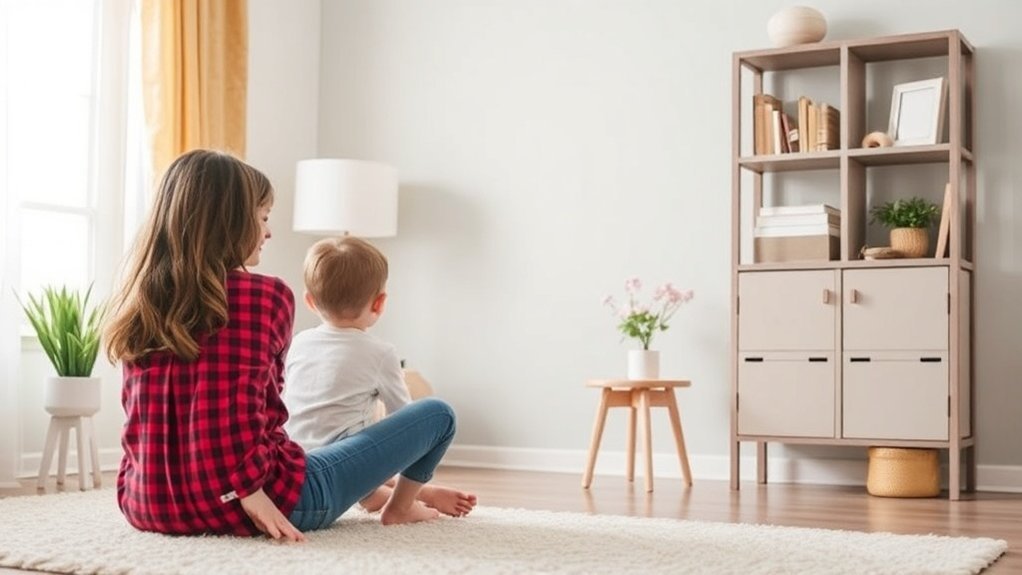
When you’re navigating family life, creating a sensory-friendly home can feel like one more thing on an already full plate. But trust me, the payoff can be huge. We’ve found that a calm, comforting space really helps everyone—kids and adults alike—feel more at ease. You know those days when the noise just won’t quit? Designing spaces to minimize sensory overload can be a game-changer.
Sure, there are some bumps along the way. Like, those special materials? They can be pricey. And let’s be real—finding the right design can sometimes feel like piecing together a puzzle with a few missing bits. But if you’re willing to put in a little extra thought, it can make a big difference.
| Advantages | Limitations | Impact on Safety |
|---|---|---|
| Reduced sensory triggers | May require specialized materials | Enhances secure surroundings |
| Increased comfort | Can be costly to implement | Lowers risk of overstimulation |
| Supports emotional calm | Design flexibility can be limited | Creates a predictable environment |
| Promotes restful sleep | Maintenance may be demanding | Improves overall well-being |
Creating these spaces might seem overwhelming, but you’re not alone in this. We all have those chaotic moments, right? The key is to balance these factors to craft a safe, supportive home.
Here’s what worked for us: Start small. Maybe tackle one room at a time. We worked on our living room first, swapping bright, harsh lights for softer, warmer options. Even just changing the lighting can make a world of difference without breaking the bank.
A little bonus tip: If you’re looking for budget-friendly options, think about DIY projects. A simple blackout curtain can help with sleep and sensory overload. Plus, you can often find fabric remnants at craft stores for a steal.
But let’s not kid ourselves—it’s not always smooth sailing. There are days when the kids are bouncing off the walls, and the last thing you want to do is worry about decor. On those days, I’ve learned to lower the bar and just focus on keeping everyone safe and happy.
And remember, safety is key. For younger kids, steer clear of small items that can be choking hazards. Keep sharp tools and anything hot out of reach. Supervision is a must, especially around water and heights. Additionally, family activities can provide a structured way to engage everyone in a calming manner.
The Future
As we’ve seen, the principles of sensory-friendly design lay a strong foundation for enhancing our living spaces.
But what if technology could elevate these concepts further, creating homes that adapt seamlessly to our unique needs?
Let’s take a closer look at the innovations on the horizon that promise to transform our environments into truly supportive sanctuaries.
Emerging Trends
Ever had one of those mornings where the noise and chaos just feels too much? We get it. As parents, we juggle a lot, and sometimes all you want is a calm space for your family to recharge.
Creating a sensory-friendly home can be a game changer. Imagine smart home devices that adjust lighting, sound, and temperature based on what your family needs. It's like having a little helper that knows when the room's getting too bright or if the sounds are too loud. We’ve found that this can really help when our kids are feeling overwhelmed.
Think about it: materials that cut down on noise and improve air quality can make a big difference. It’s not just about making a pretty space; it’s about creating a haven where you and your kids can feel safe and calm.
We’ve even started setting up little sensory zones in our house — cozy corners with soft blankets and soft colors where our kids can go when things get a bit too hectic.
And here’s a fun idea: wearable tech is evolving. There are gadgets that can actually communicate your sensory preferences to your environment. Pretty cool, right? It can help adjust things without you having to lift a finger.
But let’s be real — not every family has the budget for fancy tech or renovations. You can create a sensory-friendly space without breaking the bank.
Try using noise-canceling headphones during homework time or creating a calming jar with glitter and water to shake up during stressful moments.
What’s worked for us? We keep soft textures and quiet toys in our sensory zones. It’s a low-cost way to create a comforting retreat, especially on those rainy days when everyone’s stuck indoors.
We’ve learned the hard way that having a few go-to calm-down activities can save the day when tempers flare.
Now, let’s get practical. Start small. Maybe pick one area of your home to transform. Focus on creating a cozy corner with some soft pillows and a dim light.
You don’t need much time — even 15 minutes can make a difference.
And remember, it’s okay if things don’t always go as planned. Some days, the kids won’t want to retreat to their calming zone, and that’s normal. Just keep trying. You’re doing fine!
What Experts Predict
You know those days when your home feels like a whirlwind? Kids running around, toys everywhere, and the noise level cranked up to eleven? Been there! It can be tough to find calm in the chaos. That's why creating a sensory-friendly space is so important — it helps everyone feel a bit more at ease.
The good news? We’re seeing some exciting innovations that can make this easier for families like ours. Imagine smart tech that adjusts lighting, sound, and temperature to match your family's comfort levels without you having to lift a finger. Sounds dreamy, right? These systems can help keep your home safe and cozy, freeing you up to spend more time playing catch or reading that bedtime story.
We’ve found that materials designed to reduce noise and feel good to the touch can really enhance the atmosphere at home. If you can, try out some sound-absorbing curtains or soft rugs — they can make a huge difference without breaking the bank.
And if you're looking for personalized design help, there are now AI tools that can guide you in picking layouts and features that suit your family’s sensory needs. It’s like having a supportive friend in your pocket!
But let’s keep it real—this isn’t a one-size-fits-all solution. What works for one family mightn't work for another. If your kiddo has specific sensory sensitivities, it’s worth experimenting to find what feels right.
And if things go sideways, like a meltdown over a new light fixture, don’t sweat it. It happens. Just remember to keep your cool and try again later.
If you’re looking for budget-friendly options, start small. You don’t need to spend a fortune to create a calming space. Check out local thrift stores for soft furnishings or DIY some sensory-friendly decor with materials you already have at home.
So, what's one small change you can make today to create a little more calm? Maybe it’s just swapping out a harsh light bulb for a softer one or adding a cozy blanket to the couch. Trust me, every little bit helps.
And let’s be honest — we’ve all learned the hard way that not every kid will love those fancy features. My 4-year-old once gave a loud “no thank you” to a new smart light we thought he’d adore. Full disclosure: it was messy and a little chaotic, but it taught us to prioritize what really works for our family.
Keep experimenting and find what makes your home a sanctuary. You’ve got this!
Frequently Asked Questions
What Are the Best Paint Colors for Sensory-Friendly Walls?
What paint colors are best for sensory-friendly walls?
You’ll want to go for soft, muted colors like gentle blues, warm beiges, or pale greens. These shades help keep things calm and reduce overwhelming visual stimuli.
Stick with matte finishes to cut down on glare. If you’re on a budget, consider using leftover paint or even fabric swatches to create a soothing atmosphere without breaking the bank.
Should I avoid bright colors?
Yes, bright or overly saturated colors can be too stimulating, especially for kids. If your child is sensitive to colors, it’s best to steer clear of those.
Instead of spending a lot on paint, why not try wall decals or removable wallpaper in softer tones? They’re often more affordable and can easily be swapped out if needed.
How Do I Childproof Sensory Equipment Safely?
How can I make sensory equipment safe for my child?
Start by anchoring heavy items securely to prevent tipping. For kids around age 3, always supervise during play. You can use furniture straps or wall anchors—these are usually affordable.
Regularly check for wear and tear, and remember to remove any loose parts that could be choking hazards.
What should I consider when choosing textures for sensory play?
Choose soft textures to invite touch, but avoid anything with small parts for kids under 3 due to choking risks.
You can easily use household items like fabric scraps or old sponges instead of pricey sensory kits. Just make sure everything's safe and clean before playtime!
How do I manage cords and wires safely around sensory equipment?
Use cord organizers to keep wires out of reach, especially for toddlers.
If you're on a budget, you can repurpose old shoelaces or twist ties to keep things tidy. Always inspect cords for frays or damage, and make sure any equipment with wires is used under close supervision.
How often should I check sensory equipment for safety?
Inspect sensory equipment regularly—at least once a month—to catch any wear and tear.
For younger kids, especially under 5, supervise closely during play. If you want to save money, consider DIY options using items you already have, like cardboard boxes or cushions. Just ensure they’re safe and clean!
Can Pets Affect a Sensory-Friendly Environment?
Q: Can pets disrupt a sensory-friendly environment?
Yes, pets can definitely impact a sensory-friendly space. You'll want to be mindful of their noise, movement, and scent, which could overwhelm sensitive kids.
Consider setting up pet-free zones for your child to retreat to when needed. Regular grooming helps reduce allergens, and training your pets to stay calm around sensory equipment can make a big difference.
Q: How can I manage pet-related allergens?
You can effectively manage pet allergens by grooming your pets regularly and cleaning your home often. This can be done weekly, and it doesn’t have to cost a lot—budget about $15-20 for cleaning supplies, or you can use what you already have at home.
Keep an eye on your child for any allergic reactions, especially if they've known sensitivities.
What Plants Are Ideal for Sensory-Friendly Indoor Spaces?
Q: What plants are safe for sensory-friendly indoor spaces?
You’ll want to choose plants like spider plants, snake plants, and pothos since they’re low-maintenance and non-toxic.
For kids around age 3 and up, keep an eye on them to avoid any mishaps. If you're on a budget, you can often find these plants at local markets for under $20.
Q: How can I add calming scents without overwhelming my child?
Lavender and jasmine are great choices for gentle scents that won’t overwhelm.
For kids aged 3 and up, always check for allergies before introducing new scents. If you'd like a budget-friendly option, consider using dried lavender sachets, which you can make at home for free!
Q: Are there plants I should avoid for touch-sensitive kids?
Yes, stay away from plants with strong fragrances or sharp leaves that could irritate sensitive touch.
Always supervise kids under 5 when they’re around plants, just to be safe. If you’re worried about costs, consider using colorful faux plants instead—they're often cheaper and require zero maintenance!
How to Involve Family Members in Creating the Space?
Q: How can I get my family involved in creating a calming space?
You can start by asking everyone about their sensory preferences and what makes them feel safe.
For younger kids, like those aged 3 and up, involve them in choosing items like soft pillows or lights.
If you're on a budget, you can use blankets and cushions you already have.
Just make sure to supervise little ones to avoid any choking hazards with small decor items.
Q: What tasks can my family do together to create this space?
Assign simple tasks like picking out colors for the walls or selecting cozy textures.
Kids aged 5 and up can help with these choices, while toddlers might enjoy choosing their favorite stuffed animals.
If you’re low on cash, try rearranging existing furniture or using fabric scraps to add new textures.
Always keep an eye on little ones to ensure they’re safe while helping out.
Q: How can I ensure everyone’s comfort in the space?
Talk to each family member about what they need to feel comfortable, and let them share their ideas.
Kids as young as 4 can express their likes and dislikes.
If you're looking to keep costs down, try using what you already own, like cushions and throws.
Just be sure that any items you use are safe for all ages, especially if there are small parts involved.
Q: What if my family has different comfort levels?
You’ll want to respect everyone’s needs, and it’s okay if preferences vary.
For kids aged 6 and up, encourage them to communicate what feels good or what doesn’t.
If you're on a budget, consider creating separate zones within the space for different preferences.
Keep an eye on younger kids to avoid any safety issues with items they mightn't be ready for.
Conclusion
You’ve already taken a great step toward creating a sensory-friendly home, and that’s something to celebrate! Why not try this: today, gather some soft blankets and cushions to create a cozy reading nook for your kids. It’ll take just about 20 minutes, and they can help pick their favorite spots. Good enough counts, and they won’t remember the mess! This small change can make a big difference in how relaxed everyone feels at home. You’ve got this—just a little effort today can lead to a calmer, happier space for your family to enjoy together.