

The Ultimate Guide to Family Craft Projects for Every Season
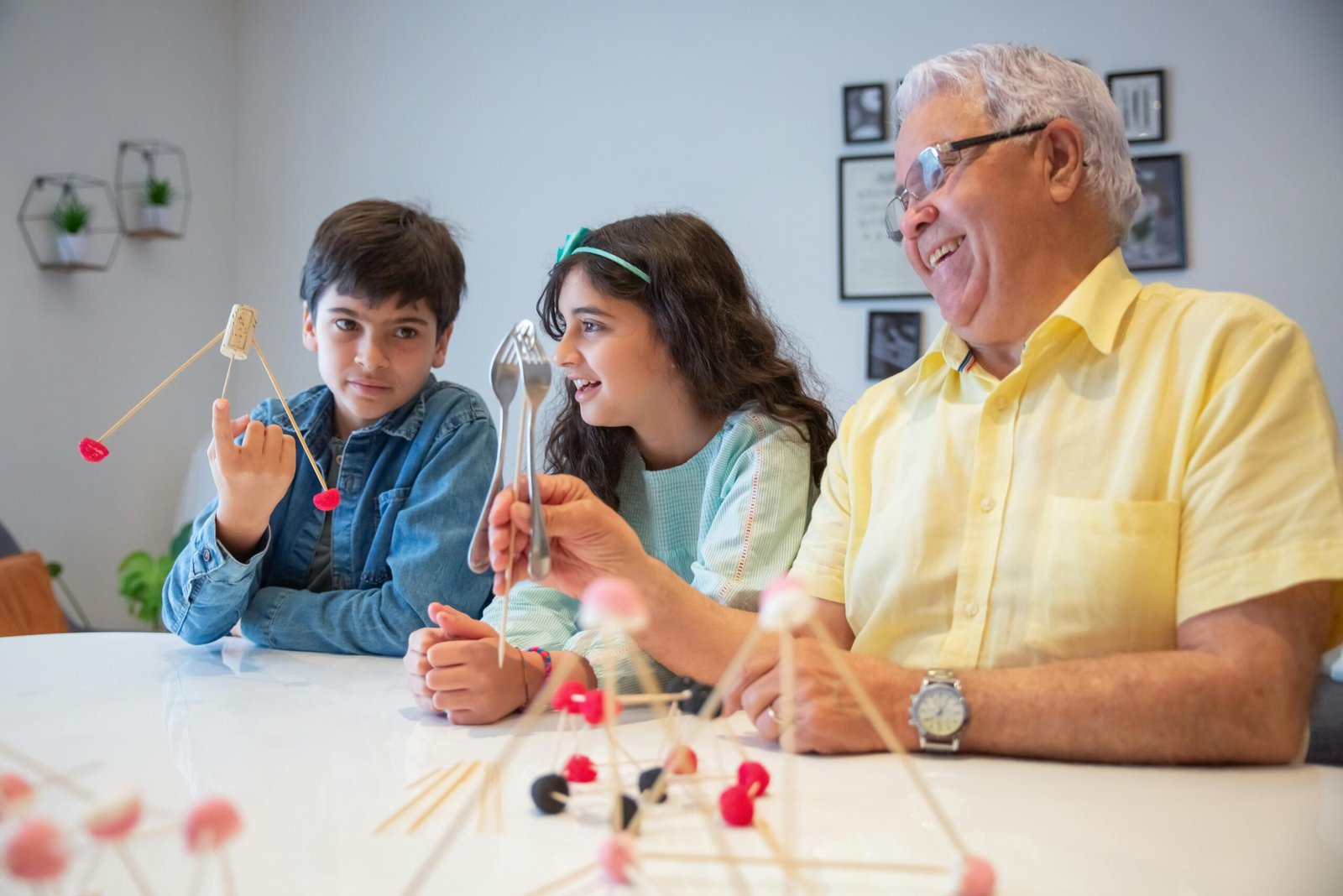
Creating memories while building fine motor skills, fostering creativity, and strengthening family bonds—that's the magic of crafting together. if you're a seasoned DIY enthusiast or someone who thinks they're “not crafty,” craft projects for families offer something special for everyone around your table.

Quick Answer
Family craft projects are hands-on creative activities designed for multiple generations to enjoy together, ranging from simple paper crafts for toddlers to complex seasonal decorations for teens and adults. The best family crafts require minimal setup, use accessible materials, and can be adapted for different skill levels. Start with seasonal projects that match your family's interests—spring nature crafts, summer tie-dye, fall leaf art, or winter holiday decorations—and keep supplies organized in a dedicated craft station.
What Are Craft Projects for Families?
Craft projects for families are creative activities specifically designed to bring multiple family members together in a shared making experience. Unlike individual art projects or professional crafting, these activities prioritize collaboration, conversation, and connection over perfection.

The beauty of family crafting lies in its flexibility. A single project can engage a three-year-old painting with watercolors while their ten-year-old sibling adds detailed embellishments and a parent helps with cutting or assembly. The goal isn't to create museum-worthy art—it's to spend quality time together while exploring creativity.
🎁 Top Picks for Your Family
As an Amazon Associate, we earn from qualifying purchases.
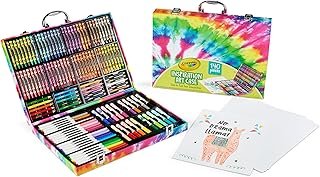
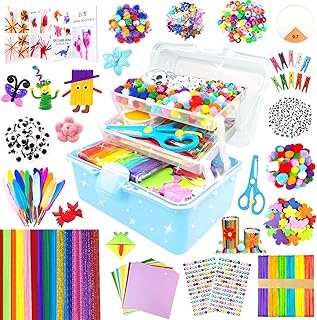
Family craft projects typically share several characteristics: they use readily available or inexpensive materials, they can be completed in one sitting (or broken into manageable sessions), they produce something tangible that children can feel proud of, and most importantly, they create opportunities for conversation, laughter, and learning. From painting pinecones in autumn to creating handmade cards for loved ones, these projects become part of your family's story.
The research backs up what parents instinctively know—creative activities support cognitive development, emotional regulation, and family cohesion. When you sit down with craft supplies and your children, you're not just making something; you're making memories.
Why Craft Projects Matter for Families
In our screen-saturated world, craft projects offer something increasingly rare: completely unplugged family time. When everyone's hands are busy with glue, scissors, and paint, phones naturally get set aside. This creates space for the kind of unhurried conversation that builds strong family relationships.
Beyond bonding, crafting together supports child development in remarkable ways. Fine motor skills improve as little hands learn to cut, glue, and manipulate materials. Problem-solving abilities grow when children figure out how to attach that tricky piece or choose colors that work together. Executive function develops as kids plan their projects, sequence steps, and work toward a goal.
Research published in the journal Developmental Psychology shows that creative activities strengthen parent-child attachment and improve emotional co-regulation. When a parent sits alongside a child working on a craft, they model focus, patience, and the creative process itself. Children learn that mistakes are part of making, that persistence pays off, and that their ideas have value.
For families with multiple children, crafting creates natural opportunities for sibling cooperation. Older children can mentor younger ones, siblings can collaborate on shared projects, and everyone learns to appreciate different skill levels and creative approaches. These lessons in empathy and teamwork extend far beyond the craft table.
Craft projects also provide a low-stakes way to process emotions and experiences. A child who struggles to verbalize feelings about starting school might express them through color choices and creative decisions. The side-by-side nature of crafting—working together while looking at the project rather than at each other—can make it easier for children to open up about what's on their minds.
How to Get Started with Family Crafting
Beginning your family's crafting journey doesn't require a Pinterest-perfect craft room or expensive supplies. Start simple, follow your family's interests, and build from there. Here's how to set yourself up for success.
Step 1: Create a Basic Supply Collection
You don't need everything at once. Start with these essentials: white paper, construction paper in assorted colors, washable markers and crayons, child-safe scissors, glue sticks and white glue, tape (clear and masking), and watercolor paints. Store everything in a clear bin or drawer where children can see what's available. As you craft together, you'll naturally discover what else you need.
Consider adding recyclables to your stash—cardboard tubes, egg cartons, cereal boxes, and bottle caps become free craft materials. Keep a designated bin for clean recyclables you might use for future projects. This teaches resourcefulness and reduces waste.
Step 2: Designate a Craft-Friendly Space
You don't need a dedicated craft room, but you do need a space where mess is manageable. The kitchen table works perfectly for most families. Protect surfaces with a vinyl tablecloth, newspaper, or craft mat that can be wiped clean. Make cleanup easier by having wet wipes, paper towels, and a small trash bin within reach before you start.
Good lighting matters more than you might think. Natural light near a window is ideal, but a bright overhead light or desk lamp works too. Children focus better and make more confident creative choices when they can see clearly.
Step 3: Choose Age-Appropriate First Projects
Your first family craft should be something everyone can participate in at their level. Seasonal projects work beautifully because they connect to what's happening outside your window. Try leaf rubbings in fall, painted rocks in summer, snowflake cutting in winter, or flower pressing in spring. These projects use simple materials and techniques that can be adapted for any age.
Let your children's interests guide you. If your five-year-old is obsessed with dinosaurs, make dinosaur masks or footprint fossils. If your tween loves their favorite music artist, create lyric art or concert-inspired decorations. When projects connect to genuine interests, engagement soars.
Step 4: Plan for Flexibility and Mess
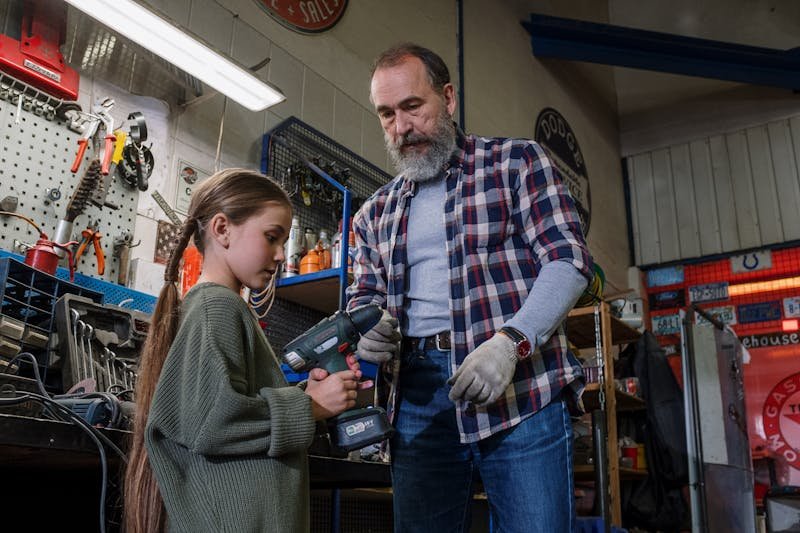
The best family crafts embrace imperfection. Your project won't look like the Pinterest version, and that's not just okay—it's better. Those wobbles and unique interpretations are what make it yours. Set expectations with yourself and your children: we're here to have fun and spend time together, not to create perfect products.
Mess happens, and that's part of the experience. Dress everyone in old clothes or aprons. Accept that glitter will migrate to unexpected places. The easier you are about mess (within reason), the more relaxed and creative everyone can be.
Step 5: Establish a Rhythm
Family crafting works best when it has a predictable place in your routine. Maybe it's Saturday mornings, Sunday afternoons, or the first Friday of each month. Having a regular craft time helps children look forward to it and makes it easier for you to plan. That said, stay flexible—some of the best crafting sessions happen spontaneously on rainy days or when inspiration strikes.
Craft Projects by Age Group
The key to successful multi-generational crafting is choosing projects that can be adapted across skill levels. Here's how to engage everyone from babies to tweens.
Babies (6-18 Months): Sensory Exploration
At this age, the process is everything. Babies aren't creating representational art—they're exploring textures, colors, and cause-and-effect. Try edible finger painting with yogurt mixed with food coloring, contact paper collages (stick lightweight items to the sticky side), or sensory bottles filled with colored water and glitter. Always supervise closely and expect more mess than masterpiece.
The goal is to introduce your baby to creative materials in a safe, exploratory way. Let them squish, smear, and discover. You might preserve their first “artwork” by pressing their yogurt-painted paper under plastic wrap, but the real value is in the sensory experience.
Toddlers (18 Months – 3 Years): Process Over Product
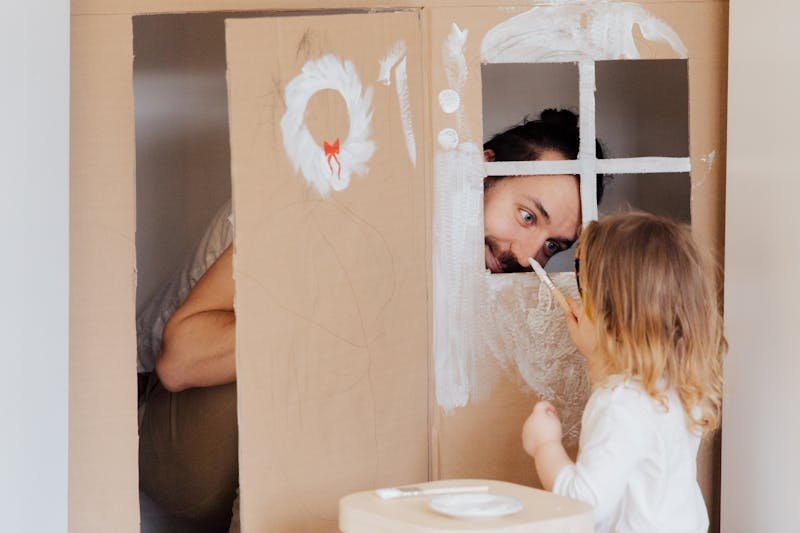
Toddlers are developing hand-eye coordination and beginning to use tools with intention. Perfect projects include process art with large brushes and washable paint, play dough exploration (homemade or store-bought), simple collages with pre-cut shapes they can glue, and large-scale crafts like painting cardboard boxes.
Keep your expectations appropriate. Toddlers might glue all their shapes in one spot, paint the entire paper one color, or lose interest after five minutes. All of this is developmentally normal. Celebrate their engagement with the process rather than focusing on the end result.
Preschoolers (3-5 Years): Emerging Skills
Now you'll see more intentional creativity. Preschoolers can follow simple multi-step directions, use child-safe scissors with increasing control, and begin to plan what they want to create. Great projects include simple origami (like paper fortune tellers), nature crafts using found objects, seasonal decorations they can display, and collaborative family projects where they contribute specific elements.
This is the age where “I made it myself” becomes important. Provide support and materials, but let them make creative decisions. Their flower might be purple with orange polka dots—and that's wonderful.
🎁 More Great Options
As an Amazon Associate, we earn from qualifying purchases.
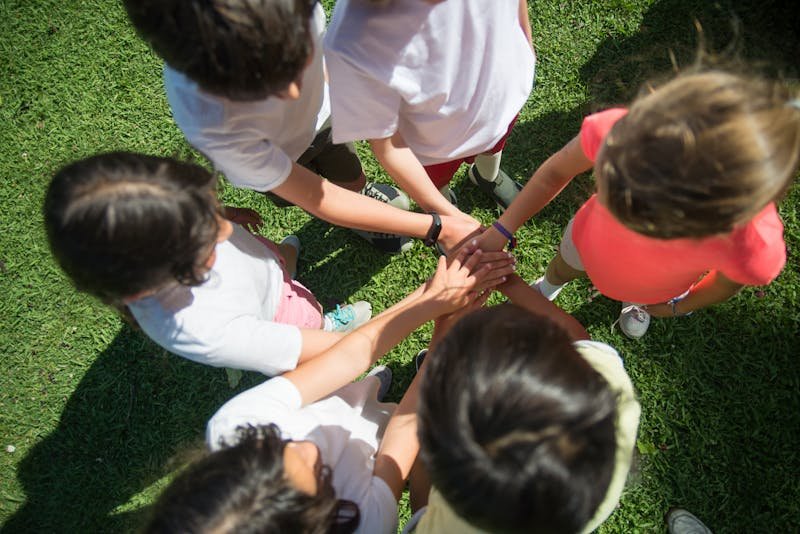
School-Age Children (6-11 Years): Building Complexity
School-age children can handle more complex techniques, follow detailed instructions, and work on projects over multiple sessions. They enjoy learning new skills like basic sewing, more advanced origami, painting techniques, and projects that result in usable items like decorated journals or friendship bracelets.
This age group benefits from having choices within structure. Offer two or three project options, or give them a theme and let them decide how to interpret it. Their growing competence means they can also help younger siblings, which builds confidence and leadership skills.
Tweens (12+ Years): Creative Independence
Tweens and teens might resist “baby crafts,” but they often love sophisticated creative projects. Try room décor they design themselves, upcycled fashion projects, digital-physical hybrid projects (like designing something digitally and creating it physically), or cause-based crafts like making items for shelters or hospitals.
Give tweens creative control and respect their aesthetic preferences. They're developing their own style and identity—your role is to provide materials, teach techniques when asked, and appreciate their work. Working on parallel projects (you do your craft while they do theirs) can facilitate great conversations.
20+ Craft Project Ideas to Try Today
Ready to get started? Here are over twenty craft projects for families organized by season, each adaptable for multiple ages and skill levels.
Spring Crafts
- Pressed Flower Art: Collect wildflowers on a nature walk, press them between heavy books for a week, then arrange and glue them onto cardstock for bookmarks, cards, or framed art. Even toddlers can help collect and arrange flowers.
- Bird Feeder Creation: Make simple bird feeders from pinecones rolled in peanut butter and birdseed, or construct more elaborate feeders from recycled milk cartons. Hang them where you can observe visiting birds together.
- Butterfly Coffee Filter Craft: Flatten coffee filters, decorate with washable markers, spray lightly with water to blend colors, let dry, then pinch in the middle and secure with a clothespin or pipe cleaner to create wings. Simple enough for preschoolers, with room for older kids to create intricate designs.
- Rain Stick Creation: Transform a paper towel tube into a musical rain stick by hammering small nails partway in along the length (adults only), filling with rice or dried beans, and sealing the ends. Decorate the outside with paint, paper, or fabric.
- Garden Markers: Paint smooth rocks with acrylic paint to label plants in your garden or indoor herb pots. Even if you don't garden, these can mark imaginary gardens in sandboxes or become decorative paperweights.
Summer Crafts
- Tie-Dye Everything: Use fiber-reactive dyes or even food coloring to tie-dye t-shirts, pillowcases, tote bags, or socks. The spiral, bullseye, and scrunch techniques are easy for beginners. Do this outdoors for easiest cleanup.
- Nature Weaving: Create a simple frame loom using a sturdy twig Y-shape and yarn, then weave in found natural objects like grass, small flowers, feathers, and leaves. This combines a nature walk with hands-on weaving practice.
- Painted Rock Kindness Project: Paint rocks with uplifting messages or cheerful designs, then hide them around your neighborhood for others to find. This combines creativity with community connection.
- Homemade Sidewalk Chalk: Mix 1 cup plaster of Paris with 3/4 cup water and food coloring, pour into silicone molds or toilet paper tubes, and let harden overnight. Kids love using chalk they made themselves.
- Ocean in a Bottle: Fill a clear plastic bottle halfway with water tinted blue with food coloring, add small seashells or sand, then fill the rest with baby oil. Secure the lid with hot glue. Tipping it creates mesmerizing wave effects.
Fall Crafts
- Leaf Rubbing Art: Place leaves vein-side-up under white paper, rub with the side of unwrapped crayons to transfer the leaf pattern. Combine multiple leaves and colors for complex compositions. Frame the best ones for fall décor.
- Pinecone Crafts: Collect pinecones and transform them into owls, hedgehogs, turkeys, or miniature Christmas trees with paint, felt, googly eyes, and pipe cleaners. This single material offers endless variations.
- Apple Stamping: Cut apples in half (horizontally to reveal the star pattern, vertically for the classic apple shape), dip in paint, and stamp onto paper or fabric. Perfect for making fall cards or decorating plain dish towels.
- Gratitude Tree: Paint or draw a tree trunk and branches on poster board or a large sheet of paper. Throughout November, add paper leaves where family members write things they're grateful for. Watch your gratitude grow visually.
- Scarecrow Creation: Stuff old clothes with newspaper, add a head made from a stuffed pillowcase or burlap sack, and position your family scarecrow on your porch. Kids can help stuff, position, and accessorize.
Winter Crafts
- Snowflake Windows: Cut intricate snowflakes from white paper (there are countless folding and cutting patterns online), then display them on windows with small dots of removable adhesive. The effect is magical when backlit by winter sun.
- Salt Dough Ornaments: Mix 2 cups flour, 1 cup salt, and 1 cup water to create moldable dough. Shape into ornaments, make a hole for hanging, bake at 250°F until hard, then paint and seal. These become treasured keepsakes.
- Paper Chain Countdown: Create a paper chain with one link for each day until a special event (holiday, birthday, vacation). Remove one link each day together. Kids love the tangible countdown.
- Melted Crayon Art: Arrange broken crayon pieces between two sheets of wax paper, place between layers of newspaper, and iron on low heat (adults handle the iron). The melted crayon creates stained-glass effects perfect for window displays.
- Handprint Family Tree: Trace or paint everyone's hands in brown for the trunk and branches, then add colorful fingerprints as leaves. This becomes a beautiful keepsake that shows the unique contribution of each family member.
Year-Round Crafts
- Family Recipe Book: Create an ongoing project where family members contribute favorite recipes written in their own handwriting, illustrated with drawings or photos. This becomes a treasured multi-generational keepsake.
- Memory Box Decoration: Transform a shoebox into a decorated memory box where children can store special items. Use decoupage, paint, stickers, or collage to personalize it completely.
- Homemade Play Dough: Making play dough together (2 cups flour, 1 cup salt, 2 cups water, 2 tablespoons vegetable oil, food coloring) is a craft in itself, then provides hours of additional creative play.
- Collaborative Canvas Art: Get a large canvas and let each family member contribute to a collaborative abstract artwork over time. No rules—just color, shapes, and creative expression.
Common Challenges and Solutions
Even the best-planned craft sessions hit snags. Here's how to handle the most common challenges that families face.
Challenge: Sibling Competition and Comparison
When one child says “mine is better” or another child gets discouraged comparing their work to a sibling's, redirect focus to the process and individual creativity. Respond with “You each made something unique and special. Tell me about your favorite part of making it.” Emphasize that art isn't a competition—it's personal expression. Consider giving each child their own distinct project or role to minimize direct comparison.
Challenge: The Perfectionist Child
Some children get frustrated when their project doesn't match their vision or the example. Normalize mistakes by sharing your own: “Oops, my glue spilled—that happens! Let's see if we can work it into the design.” Share stories of famous artists whose “mistakes” became their signature styles. Sometimes offering a practice version first reduces pressure on the “real” one.
Challenge: Wildly Different Attention Spans
Your toddler may lose interest in ten minutes while your eight-year-old wants to work for an hour. Plan for this by having your quick project stations where younger children can move to a different activity (play dough, coloring) while older ones continue. Or choose projects with natural stopping points where some family members can finish while others continue adding details.
Challenge: The “I'm Not Crafty” Parent
Your role isn't to be the expert—it's to be present and willing to explore alongside your children. Your genuine attempts, even if imperfect, model the courage to try new things. Say “I'm not sure how to do this either—let's figure it out together” rather than “I can't do this.” Your children will remember your presence and effort, not whether you mastered advanced origami.
Challenge: Cleanup Overwhelm
Make cleanup part of the craft routine, not a separate dreaded task. Set a timer for a five-minute cleanup where everyone helps. Turn on music and make it playful. Have children responsible for age-appropriate tasks: toddlers can throw away scraps, school-age children can wipe tables, tweens can organize supplies back into bins. When cleanup is expected and communal, it becomes manageable.
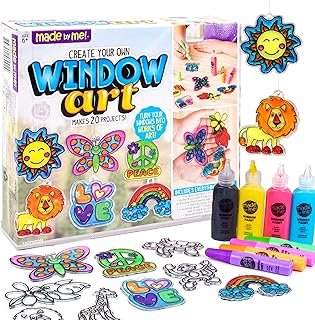
Made By Me Window Art Kit
Create colorful suncatchers with paints and frames for 12 projects
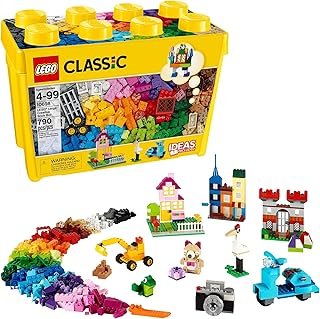
LEGO Classic Creative Brick Box
484 pieces in 35 colors for open-ended building fun
As an Amazon Associate, we earn from qualifying purchases. Prices updated regularly.
Helpful Resources
You don't need to reinvent the wheel. Use library books about seasonal crafts and art techniques appropriate for children. Follow a few inspiring but realistic craft accounts on social media. Join local library or community center craft programs for fresh ideas and community connection. The key is finding resources that match your actual available time and energy.
Frequently Asked Questions
How do I craft with multiple ages at once without someone feeling left out?
Choose projects with flexible complexity. For example, when making painted rocks, toddlers can paint theirs solid colors, preschoolers can add simple shapes, and older children can create detailed designs. Everyone works on the same type of project but at their own level. Assign older children special “helper” roles for younger siblings—this gives them importance without dumbing down their experience.
What if my child only wants to use one color or make the same thing repeatedly?
This is developmentally normal and actually valuable. Repetition is how children master skills and develop confidence. A child who makes twenty purple paintings is exploring color mixing, brush techniques, and creative expression. Honor their interests rather than pushing variety. Often they'll naturally branch out once they feel secure in their mastery.
How long should family craft sessions last?
Follow your children's engagement rather than the clock. For young children, 15-30 minutes might be the sweet spot. School-age children might craft happily for an hour or more. Watch for signs of fatigue or frustration and end on a positive note rather than pushing to finish. You can always continue a project another day.
Is it worth investing in expensive craft kits?
Kits can be convenient, especially when traveling or as occasional treats, but they're not necessary for meaningful crafting. The value is in the time together and creative exploration, not the specific materials. That said, if a kit reduces your stress and makes crafting happen when it otherwise wouldn't, that's valuable. Balance convenience kits with open-ended supplies that offer more flexibility and better value.
How do I get my tween or teen interested in family crafts?
Respect their growing sophistication and independence. Instead of cutesy projects, offer adult-level crafts they can master: embroidery, advance origami, resin jewelry, room décor they design. Let them choose projects and even lead the session. Frame it as “maker time” rather than “craft time” if that feels more appealing. Sometimes parallel crafting (everyone does their own project in the same space) works better than collaborative projects at this age.
What's the best way to preserve special crafts without keeping everything?
Take photos of everything, save digitally, and create annual photo books of artwork. Physically keep only truly special pieces—limit it to a specific box size per child per year. Some families choose one piece each month to save. Display current artwork proudly, then recycle older pieces when new ones go up. The photos preserve the memories without overwhelming your storage.
How do I balance free creativity with the structure of following instructions?
Both have value. Following instructions teaches sequencing, patience, and technique. Free creation builds creative confidence and problem-solving. Alternate between the two, or combine them by teaching a technique (like origami folds) then letting children apply it however they want. The goal is exposure to both structured and open-ended creative experiences.

Creating Your Family's Craft Story
The crafts you make together become part of your family's story—the snowflake from the year it snowed two feet, the messy but beloved Mother's Day card, the collaborative painting that now hangs in the living room. These objects hold memories far beyond their physical form.
Starting a crafting practice in your family doesn't require artistic talent, expensive supplies, or hours of free time. It requires only willingness to be present, acceptance of imperfection, and curiosity about what your hands can create together. Whether you craft weekly or monthly, following elaborate plans or simple inspirations, what matters is the time you spend side by side, creating something that didn't exist before.
Every family's crafting journey looks different. Your toddler's handprint art won't look like the examples online, and that's not just okay—it's better, because it's authentically yours. The paint will spill sometimes. Glitter will end up in unexpected places for weeks. Someone will cry over a “ruined” project. And through it all, you'll be building memories, skills, and connections that last far longer than any individual craft.
So grab some paper, round up whatever art supplies you have on hand, and start today. Choose one project from this guide that speaks to your family's current season and interests. Set out the materials, gather your people, and see what happens. The masterpiece isn't what you make—it's the time you spend making it together.
Ready to start crafting? Pin this guide for easy reference, then choose your first project and set a date on the calendar. Your family's creative journey starts with one simple craft—which will you choose?
Related Articles
- The Ultimate Guide to Family Meal Planning
- The Ultimate Guide to Screen Time Management
- The Ultimate Guide to Family Bonding
- Family Budget Planning Guide
- Family Activities and Parenting Tips 2025

Written by Sarah Mitchell, M.S., CFLE
Founder & Lead Editor
Sarah is a Certified Family Life Educator with a Master's degree in Human Development and Family Studies from the University of Missouri. With 15+ years of experience as a parent educator and mother of three, she brings both professional expertise and real-world parenting wisdom to every article.
Credentials: M.S. in Human Development and Family Studies, Certified Family Life Educator (CFLE)