



Focus on teaching your child to recognize “tricky behaviors” rather than fearing all strangers. Help them identify red flags like adults asking them to keep secrets, offering unexpected gifts, or ignoring their boundaries. Create a list of trusted adults they can turn to, establish a family code word, and practice responses through role-playing. Encourage them to trust their instincts when something feels wrong. This approach builds confident, safety-aware children without paralyzing fear, and there's much more you can implement to strengthen these essential skills.
Key Takeaways
- Teach children to recognize problematic behaviors rather than avoiding all strangers, focusing on red flags like requests for secrecy or boundary violations.
- Use the “tricky people” framework to emphasize dangerous behaviors over identity, helping children understand not all adults pose threats.
- Encourage children to trust their instincts when feeling uncomfortable and create open dialogue for reporting concerning interactions to trusted adults.
- Establish a “Safe Adults List” and family safety code word so children know specific trusted individuals they can turn to.
- Practice safety responses through age-appropriate role-playing scenarios to build concrete skills and confidence without inducing anxiety.
Why Traditional “Stranger Danger” Messages Fall Short
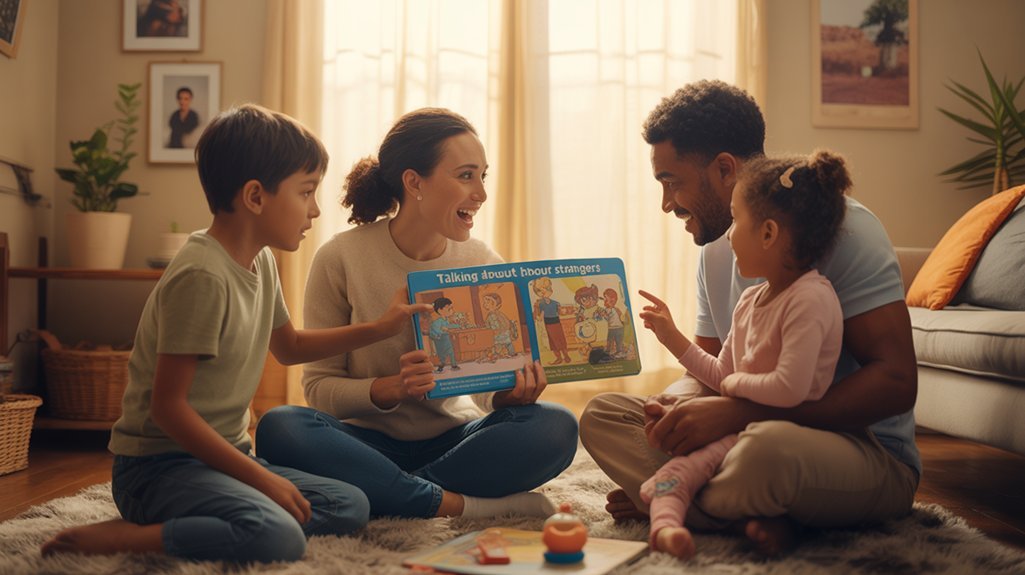
While well-intentioned, traditional “stranger danger” teachings create more problems than they solve. When you tell children that all strangers are threats, you're painting the world with an unnecessarily broad brush that doesn't reflect reality. This approach confuses kids who need to interact with unfamiliar people daily—from teachers to librarians to neighbors.

Research reveals a critical flaw: most child abductions involve someone the child knows, not strangers. By focusing solely on stranger avoidance, you're missing the real safety concern. You're also preventing children from recognizing safe adults who can help during emergencies, like police officers or store employees.
Stranger danger messaging misses the mark: most abductions involve known individuals, while blocking children from identifying truly safe helpers.
Fear-based messaging hinders social development, making children overly cautious about positive interactions. Instead of labeling people, you'll serve children better by teaching them to identify problematic behaviors and unsafe situations.
This nuanced approach maintains vigilance while encouraging healthy social growth and genuine safety awareness. Just as media exposure to tragic events can impact children's emotional well-being, overly fearful safety messages can create unnecessary anxiety that affects their daily interactions and overall development.
Understanding “Tricky People” vs. Strangers
The “tricky people” framework shifts your child's focus from who someone is to how they behave. This approach recognizes that most abductions involve someone the child knows, making the stranger-danger message incomplete.
You'll want to teach your child that tricky people might ask them to keep secrets, offer gifts for compliance, or make them feel uncomfortable—regardless of whether they're strangers or familiar faces.
Help your child identify safe adults instead: trusted people who respect boundaries and make them feel secure. Encourage them to trust their instincts when something feels wrong.
Role-playing different scenarios strengthens their ability to recognize red flags and respond confidently. For example, practice what they'd say if someone asks them to leave without your permission.
This behavior-focused approach enables your child to evaluate situations critically while maintaining healthy relationships with the caring adults in their community. Parents can find additional videos, articles, and fact sheets to support their child's emotional needs while navigating these important safety conversations.
Teaching Children to Trust Their Instincts
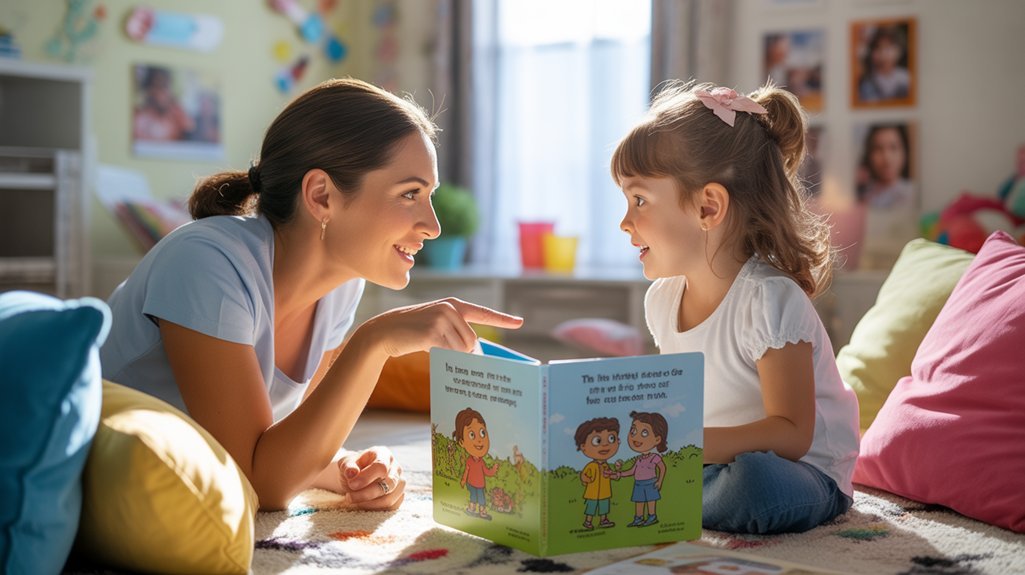
Building on the behavior-focused approach, you'll need to help your child develop their internal warning system. Research confirms that children often sense discomfort before they can verbalize it, making instinct recognition essential for personal safety.
Encourage your child to identify and express feelings about interactions with others. Explain that unease isn't rude—it's protective. Discuss specific red flags: inappropriate touching, requests for secrecy, or adults who ignore boundaries.
| What Children Feel | What It Might Mean | Empowering Response |
|---|---|---|
| Butterflies in stomach | Something feels wrong | “My body is warning me” |
| Wanting to leave | Unsafe situation | “I can say no and go” |
| Confused or uncomfortable | Inappropriate behavior | “I'll tell a trusted adult” |
| Pressure to keep secrets | Potential danger | “No secrets about safety” |
| Gut says “no” | Trust yourself | “My instincts protect me” |
Practice role-playing scenarios regularly. Check in about their interactions with adults, creating safe spaces where children confidently trust their instincts and seek guidance without fear. During these crucial first three years, early childhood development research shows that children's emotional and cognitive foundations are being formed, making this period optimal for building safety awareness skills.
Identifying Safe Adults in Your Child's Life
Your child needs to know exactly who they can turn to when they feel unsafe or uncomfortable.
Start by working together to create a concrete list of safe adults—specific people like Grandma, Mrs. Johnson next door, or Coach Martinez—and practice scenarios where your child would seek their help.
While you're building this network of trusted individuals, you'll also want to teach your child how to recognize behaviors that signal someone isn't safe, even if that person seems friendly at first.
Remember that parent information and guidance should be tailored to your child's specific age group, as safety concepts and communication strategies differ significantly between infants, young children, and teens.
Creating Your Safe Adults List
One of the most effective ways to enable your child is by helping them identify specific people they can turn to when they need help. Work together to create a visual “Safe Adults List” featuring at least three trusted individuals from different environments—family members, teachers, neighbors, or community leaders.
Make it interactive by allowing your child to personalize it with photos or drawings, strengthening their connection to these safe people.
Discuss what makes someone trustworthy: they're approachable, respect boundaries, and listen without judgment. Practice through role-playing scenarios where your child rehearses approaching these adults in various situations.
This hands-on approach builds confidence in their ability to ask for help. Remember, identifying multiple safe people across different settings—school, activities, and community—ensures your child feels supported wherever they are.
Practicing Safe Adult Scenarios
After identifying safe adults, children need concrete practice to change that knowledge into confident action. Role-playing builds muscle memory for real situations. Create scenarios where your child practices approaching their safe adults to ask for help. Start simple: “You've lost your parent at the store—who do you approach?” Progress to nuanced situations like feeling uncomfortable with someone's behavior.
| Scenario | Safe Adult | Practice Response |
|---|---|---|
| Lost at school | Teacher/Principal | “I can't find my class. Can you help me?” |
| Uncomfortable touch | Parent/Counselor | “Someone touched me and I felt unsafe.” |
| Stranger approaches | Nearby parent/Store employee | “I need help finding my grown-up.” |
Regular practice sessions normalize help-seeking behavior, shifting abstract concepts into instinctive, protective responses your child can confidently deploy when needed.
Recognizing Red Flag Behaviors
While identifying trustworthy adults forms your child's safety foundation, equally important is teaching them to spot behaviors that signal potential danger. Help your child understand that recognizing red flags doesn't mean fearing all adults—it means trusting their instincts when something feels wrong.
Teach them to notice when adults ask them to keep secrets from parents, request excessive physical closeness, or encourage rule-breaking. These behaviors contradict what trustworthy adults demonstrate.
Use age-appropriate role-playing to practice responding to uncomfortable situations, emphasizing that they should immediately tell a trusted adult about these encounters.
Maintain ongoing conversations about safety, regularly reviewing warning signs while reinforcing that most adults are safe. This balanced approach enables children to seek help confidently without creating unnecessary anxiety about the world around them.
The 24-Hour Rule for Addressing Uncomfortable Encounters
When your child experiences an uncomfortable interaction with an adult or older child, timing matters considerably in how you address it. The 24-hour rule recommends discussing these encounters while your child's feelings and observations remain fresh. This prompt approach guarantees accurate communication and demonstrates that their concerns deserve immediate attention.
Engaging your child in conversation shortly after an incident creates opportunities for open dialogue about what happened. You'll help them process their emotions and validate their instincts, which is important for kids developing safety awareness.
Timely conversations after uncomfortable incidents help children process emotions and trust their instincts about safety.
These timely discussions also reinforce the concept of “tricky people”—individuals whose behavior feels wrong, regardless of familiarity.
Don't limit yourself to one conversation. Revisiting uncomfortable encounters strengthens child safety concepts over time. Each discussion enables your child to trust their gut feelings and recognize potential threats.
Role-Playing Safety Scenarios With Your Kids
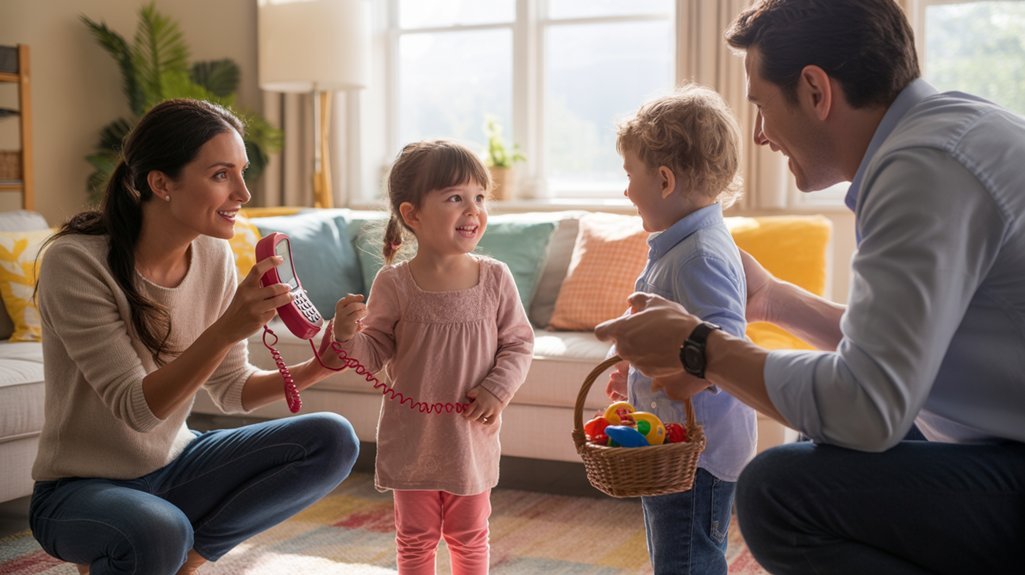
Beyond having conversations about uncomfortable encounters, you can strengthen your child's safety awareness through hands-on practice. Role-playing allows children to rehearse responses in a safe environment, building confidence and muscle memory for real situations.
Create realistic scenarios matching your child's developmental stage. Practice what to do when approached by strangers, how to locate trusted adults, and ways to assert boundaries firmly.
| Age Group | Role-Playing Scenario |
|---|---|
| 3-5 years | Someone offers candy at the playground |
| 6-8 years | Stranger asks for help finding a lost pet |
| 9-11 years | Adult requests directions or phone use |
| 12-14 years | Online contact suggests meeting in person |
| All ages | Practicing “No, Go, Yell, Tell” responses |
Revisit these exercises monthly, varying situations to reinforce safety rules. Encourage your child to trust their instincts and voice discomfort. This practice alters abstract concepts into actionable skills, enabling children to respond confidently when needed.
The Difference Between Secrets and Surprises
Understanding the difference between secrets and surprises gives children a critical tool for recognizing when adults cross safety boundaries.
You'll want to explain that surprises involve happy events like birthday parties and last only a short time. Secrets, however, often cause discomfort and can involve inappropriate situations.
Teach your children that if someone asks them to keep a secret that creates uneasiness or fear, they should tell you immediately.
Use age-appropriate language to clarify this distinction. Help them understand that surprises bring positive feelings, while harmful secrets make them feel unsafe.
Emphasize that they should never keep secrets involving uncomfortable touching, scary situations, or anything that makes them worry.
Age-Appropriate Conversations About Personal Safety
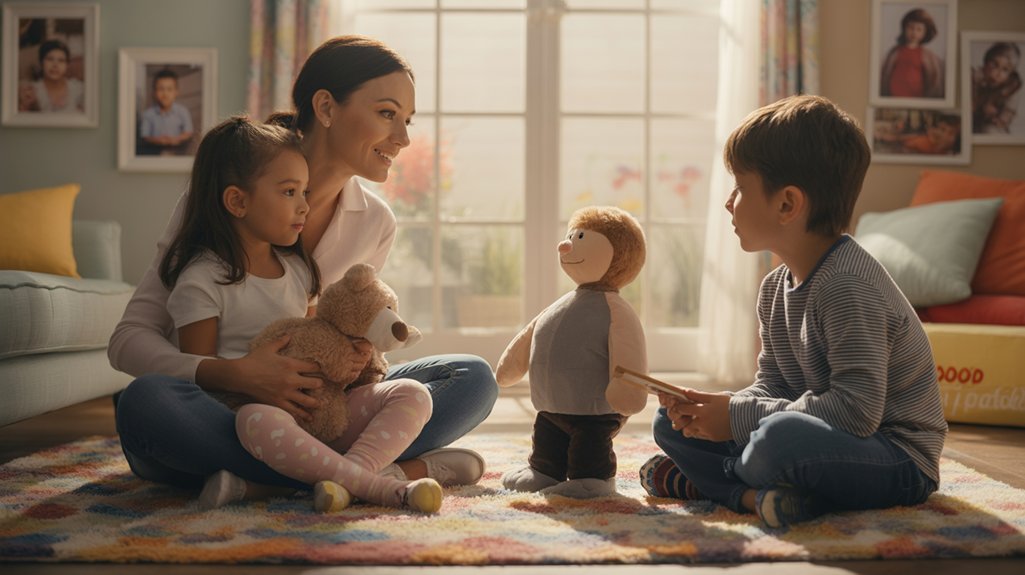
Your child's age and developmental stage directly determine how you should approach personal safety conversations. Teaching preschoolers starts with concrete basics: their full name, address, and phone number.
Tailor personal safety lessons to your child's age—preschoolers need concrete basics like their name, address, and phone number first.
Keep explanations simple when defining “stranger,” clarifying that some unfamiliar adults like police officers or store employees can help them.
Elementary-age children benefit from practicing how to identify safe adults and learning basic Safety Tips through the NO-GO-TELL system. This enables them to say no, leave uncomfortable situations, and tell trusted adults immediately.
For tweens and teens, shift toward ongoing discussions about nuanced risks. Address online safety, peer pressure, and recognizing potentially dangerous situations. Encourage them to trust their instincts.
Regardless of age, incorporate role-playing into your lessons. Rehearsing responses to scenarios involving strangers or “tricky people” builds confidence without creating fear.
These practical exercises help children internalize safety concepts while feeling prepared rather than anxious.
Creating a Family Safety Code Word and Emergency Plan
While teaching children to recognize unsafe situations matters, equipping them with concrete tools alters abstract safety lessons into actionable protection. A family safety code word serves as your child's verification system—a simple, memorable phrase that only trusted adults know. Choose something unique yet easy to remember, like “purple elephant” rather than common words outsiders might guess.
| Code Word Element | Example | Purpose |
|---|---|---|
| Simple phrase | “Maple syrup” | Easy recall under stress |
| Unique to family | “Grandma's cookies” | Prevents outsider guessing |
| Regular practice | Weekly reminders | Builds confidence |
Your emergency plan should outline specific steps: where to go, whom to call, and how to respond when separated. Involve children in creating this plan—they'll remember better what they help design. Practice scenarios regularly during calm moments, making the family safety code and procedures second nature. Normalize these conversations through everyday discussions, changing emergency preparedness into confident readiness without generating anxiety.
Balance Safety With Confidence
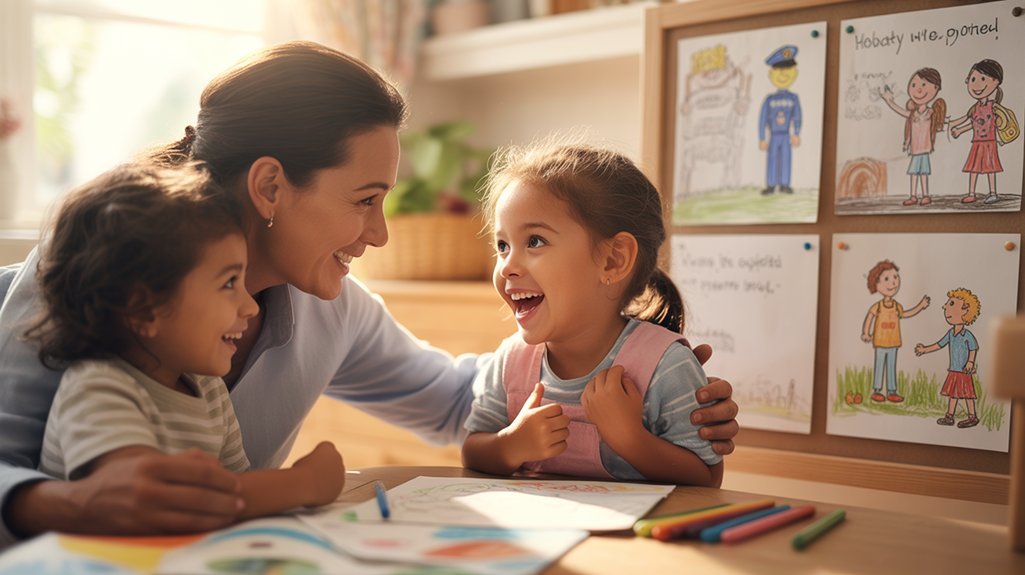
Children who feel confident in their own judgment navigate the world more safely than those paralyzed by fear. Your goal isn't to create anxiety but to equip your children with practical skills they can use throughout their lives.
Confidence, not fear, keeps children safer—practical skills empower them to navigate challenges throughout their lives.
Balance protection with independence through these strategies:
- Celebrate their safe decisions – When your child demonstrates good judgment, acknowledge it specifically. This reinforces their ability to assess situations independently.
- Emphasize that most people are helpful – Teach children that while caution matters, the majority of adults want to keep them safe. They can seek help from parents with children, store employees, or police officers.
- Maintain open communication channels – Create regular opportunities to discuss their experiences without judgment. When children feel heard, they're more likely to report concerning situations early.
Age-Appropriate Conversation Starters
You'll need different conversation approaches as your child grows, since a three-year-old and a teenager process safety information in vastly different ways.
Start by matching your language and scenarios to your child's developmental stage—simple “yes” and “no” responses work for toddlers, while teens can handle complex discussions about manipulation tactics and gut instincts.
Role-playing these age-specific scenarios changes abstract safety rules into practiced skills your child can actually use when they're alone.
Defining Strangers for Toddlers
When toddlers first encounter the word “stranger,” they need a clear, simple definition they can grasp: a stranger is anyone they don't know.
You'll want to ground this concept in everyday experiences—pointing out that the cashier at your local store or a new neighbor fits this description, regardless of their friendly demeanor.
Reassure your toddler that most strangers aren't dangerous, but emphasize staying close to trusted adults in public spaces.
Make learning interactive through role-playing games where they practice identifying strangers and responding safely.
Encourage your child to ask a known adult for help whenever they feel uncertain or scared.
This open communication builds confidence while teaching practical safety skills.
Elementary Age Safety Talks
As your child enters elementary school, their growing independence calls for more detailed safety conversations that match their developmental stage. Help your kids stay safe by clearly defining strangers as anyone they don't know, regardless of how friendly they seem.
Work together to identify trusted adults—teachers, family friends, neighbors—who can help during uncomfortable situations.
Practice makes prepared, not fearful. Use role-playing to rehearse responses when strangers offer gifts or request help. Establish a family code word for emergency situations and teach the buddy system's importance.
Remind your children that most stranger interactions are perfectly safe, but they should always trust their instincts. When something feels wrong, they need to tell a trusted adult immediately.
These conversations enable kids to stay safe while maintaining healthy confidence.
Discussing “Tricky People” Scenarios
The concept of “tricky people” shifts the focus from stranger danger to recognizing unsafe behaviors, regardless of whether your child knows the person.
Help children understand that tricky people might offer gifts inappropriately, ask them to keep secrets, or request help in ways that feel uncomfortable. Use role-playing exercises to practice responses like saying no firmly and walking away.
Emphasize that while not all strangers pose threats, trusting their instincts matters most. When something feels wrong, it probably is.
Establish clear communication about who qualifies as a safe adult—someone they can approach immediately when feeling uneasy.
Consider reading age-appropriate books like “Some Secrets Should Never Be Kept” to promote these discussions naturally, helping children recognize manipulation without creating unnecessary anxiety about the world around them.
Teen Awareness Conversations
Teenagers face increasingly complex social situations that require nuanced safety awareness beyond childhood lessons.
You'll protect your child more effectively by engaging them in teen awareness conversations that respect their growing independence while reinforcing critical safety skills.
Discuss identifying trusted adults they can approach when feeling uncomfortable, and validate their instincts about unsafe situations.
Introduce the “tricky people” concept—individuals who manipulate trust regardless of familiarity.
Use role-playing to practice responses to potentially dangerous scenarios, building their confidence in decision-making.
Address online safety by exploring risks of sharing personal information and maintaining caution in digital interactions.
Encourage them to share experiences with strangers, reinforcing that their feelings matter in evaluating safety.
Practice Through Role-Playing
Role-playing converts abstract safety concepts into concrete skills your child can access when faced with real danger.
You'll help preschoolers practice simple scenarios, like responding when strangers ask for help—reinforcing that they should say no and find you immediately.
Elementary-aged children benefit from recognizing manipulative tactics through role-plays involving adults requesting secrets or offering gifts, building their awareness of tricky behaviors.
For tweens and teens, you can simulate online interactions, practicing responses to unsolicited messages or friend requests from strangers.
Make these exercises engaging by incorporating family code words that add fun while reinforcing safety protocols.
Through consistent role-playing, you're equipping your children with safe behaviors they can confidently apply without creating anxiety about their everyday world.
Role-Playing Real-Life Scenarios
One of the most effective ways to prepare your child for potentially unsafe situations is through structured practice sessions that simulate real-world encounters.
Role-playing helps your child develop confident, automatic responses while walking safe routes to school or playing in the neighborhood.
Practice sessions transform safety lessons into muscle memory, empowering children to respond instinctively when faced with unexpected situations.
Create scenarios that reflect situations your child might actually face:
- The Approach Scenario: Practice what to do when a stranger asks for help finding a lost pet or requests directions, teaching your child that adults should ask other adults for assistance.
- The Offer Scenario: Simulate someone offering candy, toys, or a ride, reinforcing that it's always okay to say “no” firmly and leave immediately.
- The Trust-Your-Instincts Scenario: Help your child recognize uncomfortable feelings when something doesn't seem right, validating their intuition without creating anxiety.
Through regular practice, you'll reinforce safety concepts while building your child's confidence and communication skills for real-world situations.
Empowering Kids, Not Frightening
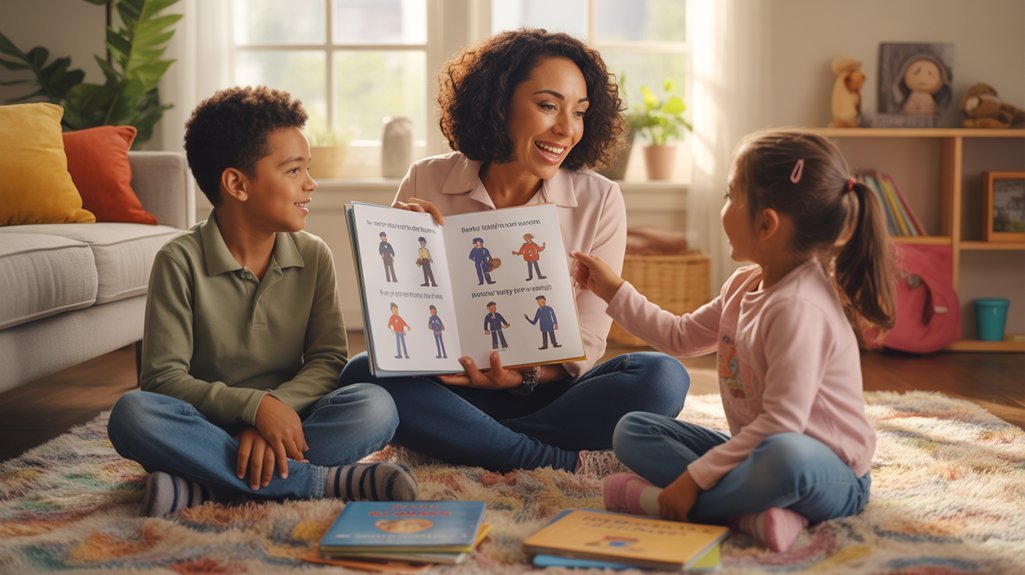
How do you teach safety without creating anxiety? Focus on enabling kids rather than instilling fear. When children feel confident and capable, they're better equipped to navigate challenging situations effectively.
Frame discussions around trust and intuition. Teach children that most adults are helpful, but they should always listen to their feelings. If something feels wrong, it probably is. This approach builds discernment without creating paranoia about every stranger they encounter.
Use positive reinforcement to celebrate brave choices. When kids practice assertive responses or identify safe adults, acknowledge their good judgment. This strengthens their confidence and decision-making abilities.
Emphasize their rights: they can say no, they can leave uncomfortable situations, and they can always talk to you. Knowledge becomes their shield—not fear.
Regular conversations normalize these topics, making safety feel manageable rather than overwhelming.
Frequently Asked Questions
How to Explain Stranger Danger to Kids?
You'll want to frame stranger awareness as enabling, not fear. Teach your children that most people are kind, but they should maintain safe boundaries with unfamiliar adults.
Focus on “tricky people” who break safety rules—like asking kids for help or offering gifts. Encourage them to trust their instincts and seek trusted adults when uncomfortable.
Use role-play scenarios to practice responses, and keep communication open so they'll share concerns without anxiety about your reaction.
What to Teach Instead of Stranger Danger?
Teach your children about “tricky people” instead—focusing on concerning behaviors rather than unfamiliar faces.
Help them identify trusted adults, create a family code word, and practice role-playing scenarios together.
You'll enable them to trust instincts when something feels wrong, emphasizing personal safety through recognizing manipulation or pressure.
This approach builds confidence without fear, teaching kids that while most people are kind, they should always listen to their feelings and seek help from safe adults.
At What Age Do Kids Understand Stranger Danger?
Like learning to recognize colors before painting a masterpiece, your child's safety awareness unfolds gradually.
Around ages 3-5, kids begin grasping basic stranger concepts during significant child development milestones. They'll distinguish familiar faces from unfamiliar ones and follow simple safety rules.
By elementary school (6-9), they're ready for nuanced conversations about tricky situations.
Tweens and teens can handle complex discussions, including online safety.
You'll build their confidence through age-appropriate, ongoing conversations that enable rather than frighten them.
How to Create Emotional Safety for Your Children?
You'll create emotional safety by establishing open, judgment-free conversations where your children feel heard and valued.
Implement developmentally-appropriate safety strategies that enable rather than frighten, teaching kids to trust their instincts while knowing you're their reliable support.
Prioritize their emotional well-being by validating feelings, respecting their boundaries, and maintaining consistent check-ins about daily experiences.
When children know they can share anything without punishment, they'll confidently approach you with concerns, building resilience and discernment that'll serve them throughout life.
Conclusion
You might worry that discussing safety will rob your child of their carefree innocence, but research shows the opposite is true. Children who learn body autonomy and trust their instincts actually develop greater confidence and resilience. You're not creating fear—you're building critical thinking skills they'll use throughout life. Start these conversations early, keep them age-appropriate, and revisit them regularly. Your child's safety and self-assurance can absolutely coexist.
Related Articles
- The Ultimate Guide to Sibling Conflict
- The Ultimate Guide to Family Meal Planning
- The Ultimate Guide to Kids Educational Games
- 20 Fun DIY Crafts to Strengthen Family Bonds
- The Ultimate Guide to Screen Time Management

Written by Sarah Mitchell, M.S., CFLE
Founder & Lead Editor
Sarah is a Certified Family Life Educator with a Master's degree in Human Development and Family Studies from the University of Missouri. With 15+ years of experience as a parent educator and mother of three, she brings both professional expertise and real-world parenting wisdom to every article.
Credentials: M.S. in Human Development and Family Studies, Certified Family Life Educator (CFLE)