


Ever had one of those mornings where you're searching for a missing shoe while trying to pour cereal with one hand and sign a permission slip with the other, all before 7:30 AM? You're not the only one. A 2023 study by the American Psychological Association found that 65% of parents report morning routines as the most stressful part of their day. But what if you could flip the script? I used to be the queen of chaotic mornings, but after testing nearly a dozen systems in my bullet journal, I discovered that a simple, visual template is the secret sauce. Forget expensive planners; we're talking about 10 completely free, downloadable templates designed specifically for real family life in 2026. These aren't just pretty charts—they're battle-tested tools that account for everything from toddler meltdowns to teen screen-time negotiations, and they're ready for you to print and use today.
Disclosure: This post contains affiliate links. If you click through and make a purchase, we may earn a small commission at no extra cost to you. Thank you for supporting this site!

9 min read
In This Article
- The Preschool Power-Up Template (Ages 2-5)
- The Elementary School Efficiency Template (Ages 6-10)
- The Tween Transition Template (Ages 11-13)
- The Teen Takeover Template (Ages 14-18)
- The Working Parent Juggling Act Template
- The Hybrid Homeschool Helper Template
- The Special Needs Support Template
- The Weekend Wind-Down & Reset Template
- The Summer & Vacation Flex Template
- The “Mix & Match” Customizable Template
- How to Implement Your Chosen Template Successfully
Key Takeaways
- The Preschool Power-Up Template (Ages 2-5)
- The Elementary School Efficiency Template (Ages 6-10)
- The Tween Transition Template (Ages 11-13)
- The Teen Takeover Template (Ages 14-18)
The Preschool Power-Up Template (Ages 2-5)
Getting a preschooler out the door requires a special kind of magic. This template leans heavily on visuals. I created it when my daughter was three and our mornings were a constant negotiation. The key was replacing my nagging with pictures she could understand. The template features large, simple icons for each task: a toothbrush, clothes, a breakfast bowl. I printed it on cardstock and laminated it at my local office supply store for about $3.50. Each morning, she uses a dry-erase marker to check off tasks herself, which gives her a huge sense of accomplishment. A 2022 report from Zero to Three highlights that visual schedules like this can reduce transition-related tantrums by up to 40% in children under five. The template includes a 5-minute “wiggle time” block for impromptu dance parties, which honestly saves us more time than it costs. Budget alternative? Skip the lamination and use a clear sheet protector from a dollar store pack.

- Large, Color-Coded Icons: For non-readers (e.g., red for “get dressed,” blue for “brush teeth”).
- “First/Then” Framework: A clear visual (e.g., “First shoes, THEN watch Bluey”).
- Built-in Choice Slots: Lets them pick between two outfits or two breakfast options.
- 5-Minute Buffer Zones: Essential for unexpected potty breaks or finding a specific stuffed animal.
5-Minute Buffer Zones: Essential for unexpected potty breaks or finding a specific stuffed animal.
The Elementary School Efficiency Template (Ages 6-10)
As kids enter elementary school, responsibilities shift from basic self-care to managing their own backpack and homework. This template introduces more text and time management skills. This is a designated spot (for us, a bench by the door) where everything for the day—backpack, lunchbox, library books—must be placed the night before. The template includes a checklist for this evening routine, which cut our morning “Where's my…?” questions by about 80%. According to child development experts at the Child Mind Institute, routines like this help children ages 6-10 develop crucial executive function skills. The morning section breaks down into 15-minute chunks from 6:45 AM to 8:00 AM, with specific tasks like “eat breakfast” (10 mins) and “double-check backpack” (5 mins). It also has a small section for daily affirmations, which my son sometimes rolls his eyes at but I catch him reading anyway.
The Tween Transition Template (Ages 11-13)
Ah, the tween years—when alarms are ignored and independence is demanded. This template is a collaborative tool, designed to be filled out *with* your child. It moves away from a rigid parental checklist and towards a shared plan. The focus is on teaching time management. It includes spaces for them to write in their own after-school activities and estimate how long homework for each subject will take (a reality check for many!). We introduced this last year, and the first week was rough; my 12-year-old vastly underestimated how long math homework took. But after adjusting, he now owns his schedule. The template allocates time for screen time (e.g., 30 minutes after homework is done) as an incentive, a strategy supported by the American Academy of Pediatrics' 2025 media use guidelines. It also includes a “Don't Forget” section for things like instrument practice or charging a school laptop.

The Teen Takeover Template (Ages 14-18)
By high school, your role shifts from manager to consultant. This template is minimalist and digital-friendly, though a printable version works too. It's a weekly overview that helps teens balance school, work, extracurriculars, and social life. It features time blocks rather than minute-by-minute tasks, promoting autonomy. My nephew uses this, and the most valuable part for him is the “Top 3 Priorities” box for each day. It forces him to think strategically about his time. The template includes a section for tracking long-term project deadlines, a common pain point. A Stanford University study on adolescent sleep suggests that teens' natural sleep cycles shift later, so this template has a later start time (7:30 AM) if their school schedule allows, acknowledging their biological needs. It's about guiding them to build a system that works for their budding adult life.
It's about guiding them to build a system that works for their budding adult life.
The Working Parent Juggling Act Template
When you have to get yourself and your kids out the door for a 9 AM meeting, efficiency is everything. This template is a master schedule that syncronizes multiple people. It uses a vertical timeline from 6:00 AM to 9:00 AM with columns for each family member. I've used this for two years, and it revolutionized our mornings. The visual clarity prevents bottlenecks, like two people needing the bathroom at the same time. It includes a 15-minute “buffer” at the end for the inevitable last-minute crisis. The template also has a “Today's Logistics” box for notes like “Dad does drop-off” or “Early dismissal at 2 PM.” This alone saves us countless text messages during the workday. It’s designed to be printed and stuck on the fridge with magnets.

The Hybrid Homeschool Helper Template
With more families opting for hybrid or remote learning, mornings now include logging into portals and checking assignments. This template integrates tech-based tasks seamlessly. It has clear sections for “Offline Prep” (breakfast, getting dressed) and “Online Prep” (charge Chromebook, check Google Classroom for new assignments). I helped a friend implement this, and she said it reduced her morning stress significantly by separating the physical and digital to-do lists. The template includes a reminder to test the Wi-Fi connection 10 minutes before the first class—a simple step that prevents major meltdowns. It also allocates time for a quick “recess” or movement break before starting schoolwork, which can improve focus according to a 2024 study in the Journal of School Health.
The Special Needs Support Template
For children with ADHD, autism, or other sensory needs, predictability is paramount. This template is highly structured and uses strategies recommended by occupational therapists. It incorporates First-Then boards, countdown timers (e.g., “5 minutes until we leave”), and sensory breaks. I worked with a colleague who has a son with autism to adapt our basic template. The version we created uses very clear, consistent language and avoids visual clutter. It includes a “Break Card” system, allowing the child to request a 2-minute quiet break if they feel overwhelmed. Tasks are broken into microscopic steps (“Pick up shirt,” “Put on shirt,” “Button shirt”) to prevent feeling overwhelmed. This level of detail, while time-consuming to set up, can make the difference between a successful morning and a shutdown.
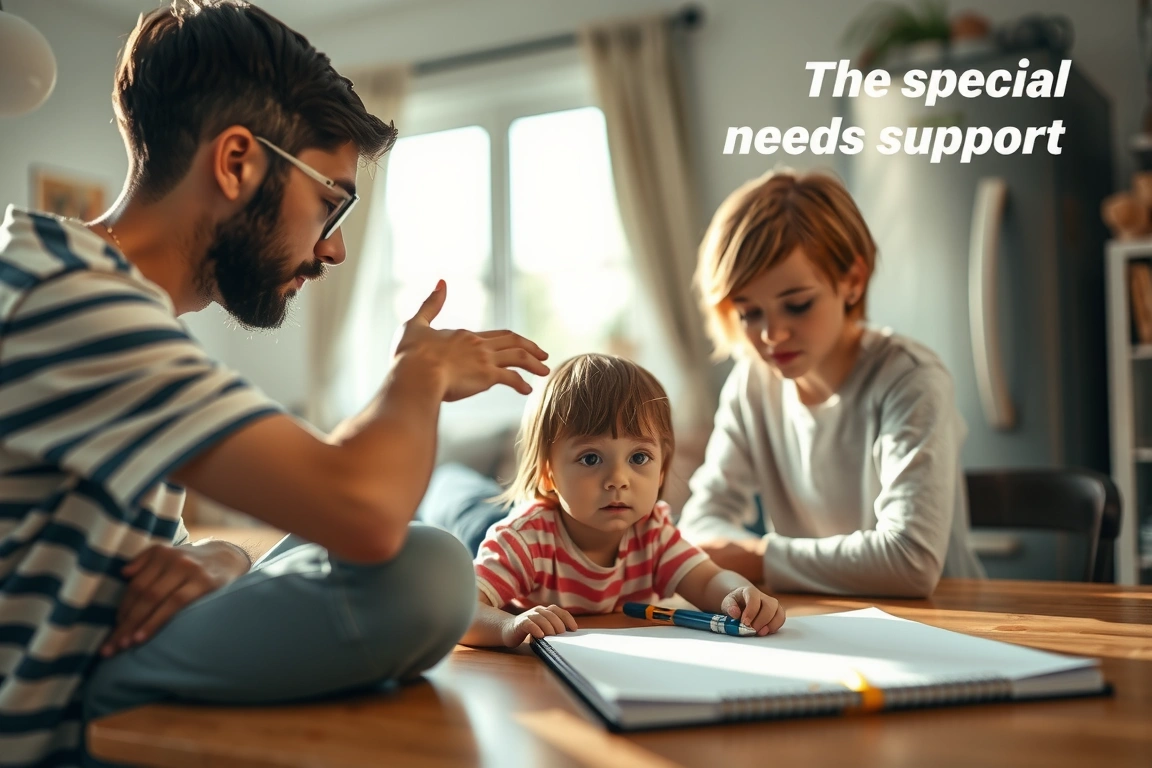
This level of detail, while time-consuming to set up, can make the difference between a successful morning and a shutdown.
The Weekend Wind-Down & Reset Template
Mornings aren't just for weekdays! A calm weekend morning sets a positive tone for the whole family. This template is less about efficiency and more about connection and resetting for the week ahead. It includes blocks for leisurely activities like “family pancake breakfast” or “walk in the park.” Crucially, it has a 30-minute “Sunday Evening Prep” section to ease the Monday morning scramble. This is when we pack lunches, pick outfits for the week, and check the family calendar. Implementing this has made our Sunday nights feel restorative instead of stressful. The template also encourages a “device-free” first hour after waking to promote family interaction, a practice supported by the Harvard Study of Adult Development as key for relational health.
The Summer & Vacation Flex Template
When school's out, routines often fly out the window, leading to boredom and squabbles. This template provides just enough structure to keep summer days from dissolving into screen-time marathons while remaining flexible. It uses broader time blocks (e.g., “Morning Adventure,” “Quiet Time,” “Afternoon Fun“) instead of specific tasks. It includes a “Boredom Buster” idea jar suggestion box and spaces for kids to write or draw one thing they want to do each day. We used this last summer, and it gave the kids autonomy while ensuring essential things like reading and chores still happened. It's perfect for vacations, too, helping to manage the transition to a different environment and schedule.
The “Mix & Match” Customizable Template
Every family is unique, so this final template is a blank slate with modular components. It's a single-page PDF with boxes for different routine parts (Morning, Afternoon, Evening, Bedtime) that you can arrange and label as needed. I use this one personally because I have one child in elementary school and one teenager—their needs are too different for a one-size-fits-all approach. You can print multiple copies and create a custom schedule for each child, or even for yourself. It includes a library of clip-art icons (clothes, food, books, etc.) that you can cut out and paste onto your schedule, which is a great activity to do with your kids to get their buy-in.
How to Implement Your Chosen Template Successfully
Downloading the template is just step one. Making it stick is the real challenge. Based on my experience and advice from family therapists, here’s how to roll it out without resistance. First, introduce it at a calm time, not on a hectic Monday morning. Over a weekend, sit down with your kids and explain the “why”—it’s a tool to help everyone have a calmer morning. Let them decorate it or choose where to hang it. For the first week, focus on consistency, not perfection. If you only get through 70% of the routine, that’s a win! Use a timer to make it a game (“Can we beat the clock?”). And most importantly, model the behavior yourself. If you have a partner, make sure you're both on the same page about the routine. It typically takes about 21 days for a new habit to form, so stick with it even if it feels awkward at first.
Transforming your mornings from frantic to flourishing isn't about becoming a perfectly organized superhero. It's about having a simple, visual plan that everyone can see and follow. These 10 free templates are your starting line. My advice? Pick one that resonates with your family's current season of life. Print it. Test it for two weeks. Tweak it as needed. The goal is progress, not perfection. When you find the rhythm that works, you’ll reclaim not just your mornings, but a little bit of peace for your entire day. Which template will you try first?
FAQ
How do I get my teenager to actually use the template?
Forcing a teen rarely works. Instead, frame it as a tool for their growing independence, not your control. Sit down and customize the “Teen Takeover” template together. Ask for their input on time blocks for homework versus social time. The key is giving them ownership. You might say, “This helps me know when to leave you alone to study,” which respects their autonomy. Also, consider a digital version they can access on their phone instead of a paper one on the fridge.
What if my child has a meltdown when we try to follow the routine?
This is common, especially with younger children or those with sensory sensitivities. First, stay calm. The routine is a guide, not a dictator. If a meltdown happens, pause the routine. Offer comfort and help them regulate. Later, when everyone is calm, look at the template together. Was a step too big? Did they need a break? Perhaps the “brush teeth” icon needs to be broken into “get toothbrush,” “put on toothpaste,” and “brush.” The template should be adapted to fit your child, not the other way around.
Are these templates really free, and what's the catch?
Yes, they are completely free to download and print as many times as you need for your family. There is no subscription or email sign-up required. The “catch” is simply that we hope they bring value to your family life. They were created based on real parent experiences and are offered as a resource to help reduce family stress. You can find the download links in the description box or on our website's Free Resources page. We may occasionally share other helpful resources, but the templates themselves will always be free.
Small changes, real momentum
Get practical guides and templates you'll actually use — a few thoughtful emails a month.
Your Weekly Dose of Inspiration
Journaling ideas, family tips, and gentle inspiration.

