



Second child syndrome occurs when your middle child feels overlooked between attention-demanding siblings, often leading to withdrawal or increased competition for your focus. Research shows middle children receive less one-on-one time, which can impact their self-esteem and sense of belonging. You can counteract this by scheduling regular solo activities, celebrating their unique strengths, and teaching them self-advocacy skills. Small intentional actions—like weekly “date nights” and acknowledging individual achievements—help your middle child feel genuinely valued and develop confidence in their distinct identity within your family structure.
Key Takeaways
- Schedule regular one-on-one time with your middle child, such as weekly “date nights,” to strengthen emotional bonds and connection.
- Identify and celebrate their unique talents, interests, and achievements to help build confidence and a distinct identity.
- Teach self-advocacy skills through role-playing and “I feel” statements to help them express needs among siblings effectively.
- Create intentional opportunities for them to shine by encouraging exploration of distinct interests and offering leadership roles.
- Implement family appreciation nights and provide individualized attention tailored to their specific efforts and accomplishments.
What Is Second Child Syndrome?
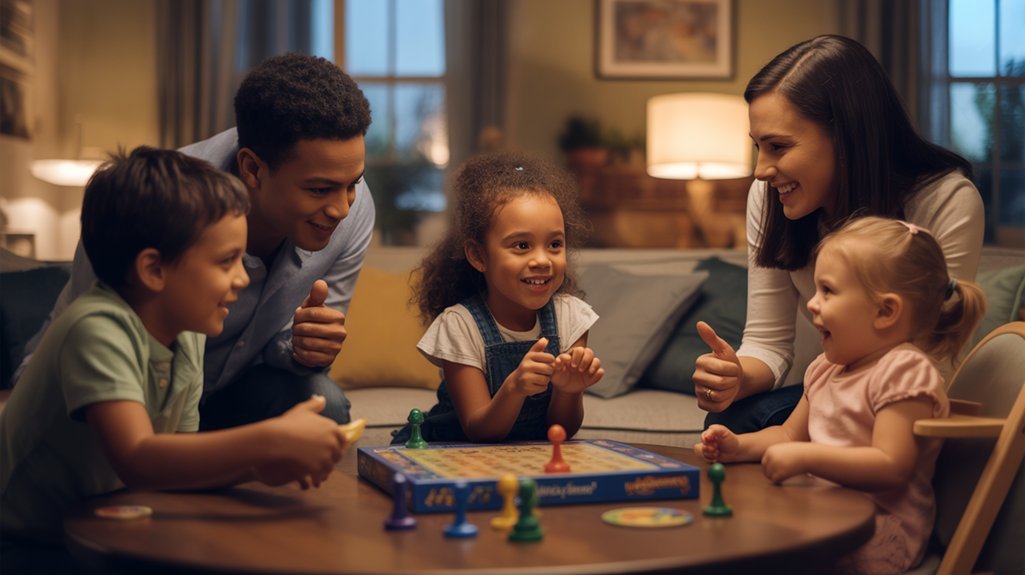
While parents often approach each child with the best intentions, Second Child Syndrome describes the distinct personality patterns that can emerge in middle children due to their unique position within the family structure.

Second Child Syndrome reveals how a middle child's family position shapes their distinct personality traits and behavioral patterns.
This phenomenon reflects how birth order psychology, originally proposed by Alfred Adler, influences personality development through the attention interactions and parenting approaches each child experiences.
You'll notice that second child syndrome often manifests when middle children face constant comparisons to their older siblings, potentially triggering feelings of jealousy and diminished self-worth.
The more relaxed parenting style you might adopt with your second child—while well-intentioned—can sometimes contribute to these challenges.
Understanding second child syndrome helps you recognize how sibling rivalry and perceived differences in attention shape your middle child's identity.
When these patterns persist, they can affect your child's emotional needs and overall development, making it important to address them proactively.
How Birth Order Affects Personality Development
As your family grows, each child's position in the birth order creates a unique psychological landscape that shapes their emerging personality. Understanding these patterns helps you support each child's developmental needs more effectively.
Alfred Adler's research reveals how birth order influences core personality traits. Your firstborn typically develops strong leadership qualities and responsibility, responding to your initial parental expectations. Your middle child often becomes a skilled negotiator, though they may feel overshadowed and seek attention. Your youngest tends to be outgoing and charming, benefiting from your relaxed parenting approach while potentially developing dependency patterns.
| Birth Position | Strengths | Challenges |
|---|---|---|
| Firstborn | Leadership, responsibility | Pressure, perfectionism |
| Middle Child | Negotiation, adaptability | Feeling overlooked, attention-seeking |
| Youngest | Charm, social confidence | Dependency, less responsibility |
Recognizing these tendencies allows you to create targeted interventions that validate each child's unique experience while nurturing their individual growth. Since the first three years are critical for establishing lifelong mental health patterns, paying attention to each child's birth order dynamics during this crucial window can help prevent long-term developmental challenges.
Recognizing the Signs Your Middle Child Feels Overlooked
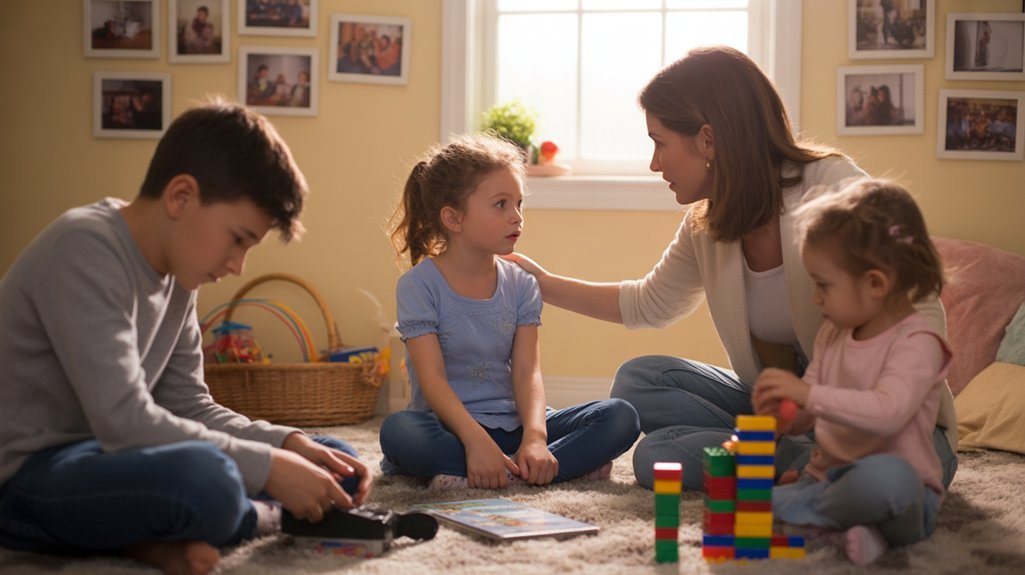
You'll notice your middle child feeling overlooked through distinct behavioral shifts—they may withdraw into themselves or, conversely, act out to capture your attention.
Research shows these children often oscillate between seeking invisibility and demanding the spotlight, both responses stemming from perceived parental neglect.
Watch for increased competition with siblings during family interactions, as this directly signals their struggle to secure your recognition and affirm their place in the family.
When children feel emotionally unsupported, they may benefit from coping strategies similar to those used to help kids process difficult situations and strengthen their resilience.
Behavioral Changes and Withdrawal
When your middle child begins pulling away from family gatherings or stops sharing their daily experiences, they're often signaling that something has shifted in how they perceive their place within the family.
Middle child syndrome frequently manifests through withdrawal, as these children internalize feelings of being overlooked between their accomplished older sibling and attention-drawing younger one.
You'll notice decreased engagement in family activities, increased time alone in their room, or heightened attention-seeking from peers rather than family members.
Watch for sudden mood changes, expressions of jealousy toward siblings, or uncharacteristic rebellious behavior—these often reflect struggles with low self-esteem and frustration about feeling neglected.
These emotional changes can be particularly concerning when they persist, especially since experts recommend monitoring behavioral patterns that may indicate depression during pregnancy can also affect family dynamics and sibling relationships.
Competition for Parental Attention
Your middle child's constant interruptions during conversations with their siblings, exaggerated stories about school achievements, or sudden complaints of feeling “invisible” reveal an underlying competition for parental attention that shouldn't be dismissed as typical sibling rivalry.
Research confirms middle children receive considerably less one-on-one parent time than their siblings, fueling these attention-seeking behaviors. You'll notice increased jealousy toward siblings, deliberate acting out, or amplified reactions to minor situations—all signals they're fighting to be seen and valued.
The arrival of a new sibling often intensifies this competition for parental attention, leaving your middle child feeling further excluded.
You can address these feelings by intentionally celebrating their unique strengths, scheduling dedicated individual time, and offering specific praise that acknowledges their distinct contributions to your family.
Why Middle Children Often Feel Less Valued
Your middle child likely experiences fewer one-on-one moments with you simply because your attention is divided among multiple children competing for your time and emotional energy.
While you're celebrating the firstborn's achievements or tending to the youngest's immediate needs, your middle child's milestones can inadvertently fade into the background.
Research shows this pattern of reduced individual attention directly contributes to middle children feeling less valued, as they internalize the message that their accomplishments and emotional needs matter less than their siblings'.
Less One-on-One Parental Time
As families grow and parental attention gets divided among multiple children, middle children often find themselves receiving noticeably less one-on-one time with their parents. When a younger sibling arrives, you'll likely redirect your focus toward meeting the baby's immediate needs while your oldest maintains their established routines. This leaves middle children traversing a space where they're neither the pioneer nor the newest priority.
| Child Position | Typical Parental Focus | Impact on Connection |
|---|---|---|
| Oldest | First achievements, established bond | Strong sense of significance |
| Middle | Shared attention, fewer milestones | Diminished feelings of value |
| Youngest | Immediate care needs, “baby” status | Heightened parental engagement |
Research shows this reduced engagement during critical milestones affects middle children's self-esteem and belonging. Intentionally scheduling dedicated one-on-one time helps them feel valued and strengthens your bond.
Overshadowed by Sibling Milestones
When older siblings achieve major milestones—first steps, school awards, sports victories—parents naturally respond with celebration and focused attention.
Your middle child's experiences these same developmental moments, but they're often met with less fanfare since you've witnessed them before. This diminished response can lead middle childs to internalize that their accomplishments matter less.
Research shows that when younger siblings arrive, middle children face another shift in attention, intensifying their sense of being undervalued.
They're frequently compared to older siblings' achievements, creating pressure to measure up while receiving less recognition. This pattern can damage self-esteem and push middle childs to seek validation outside the family.
You can counter this by celebrating each child's unique milestones with equal enthusiasm, regardless of birth order.
Building a Strong One-on-One Connection
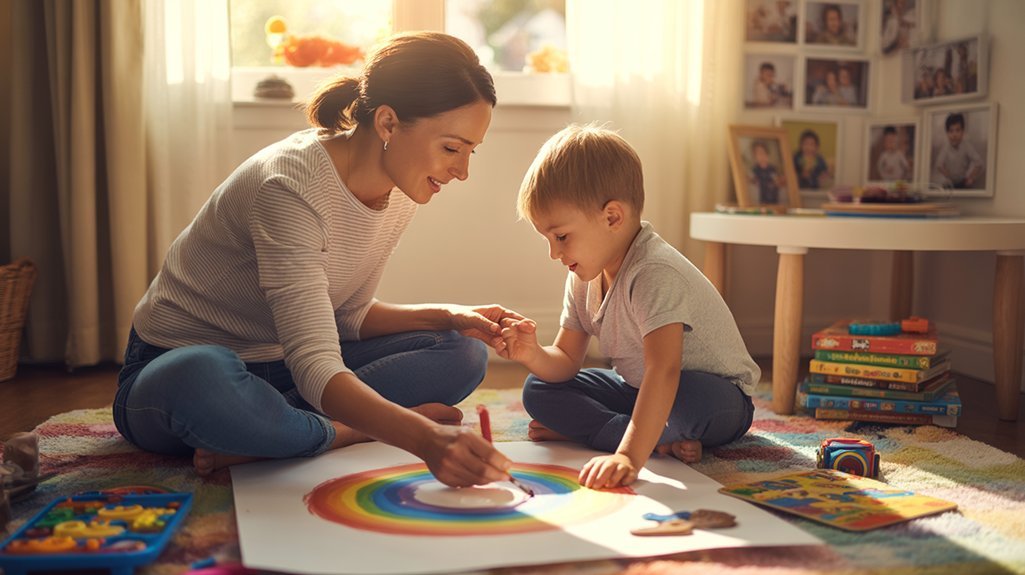
Middle children often navigate family life feeling invisible between their accomplished older sibling and the attention-commanding youngest, making intentional one-on-one time crucial for their emotional development.
You'll strengthen this essential connection by establishing regular solo activities—whether that's reading together before bed, playing their favorite game, or pursuing a shared hobby. These moments communicate that your middle child matters independently of their siblings.
Consider implementing weekly “date nights” exclusively for them. This dedicated time builds emotional security and demonstrates their unique value within your family structure.
During these interactions, actively acknowledge their individual qualities and achievements. Listen attentively as they share feelings and aspirations, validating their experiences without comparison to siblings. This consistent attention reinforces their importance and combats feelings of being overlooked.
Validate your middle child's unique experiences and aspirations through attentive listening, reinforcing their individual worth without sibling comparisons.
When you prioritize one-on-one time, you're not simply scheduling activities—you're investing in their self-worth and ensuring they feel genuinely treasured as an irreplaceable family member.
Celebrating Your Middle Child's Unique Strengths and Interests
Your middle child possesses distinct talents and interests that deserve recognition separate from their siblings' accomplishments.
By actively identifying these individual strengths early and providing resources to nurture their chosen pursuits, you'll help them build a confident sense of self.
When you acknowledge their personal milestones—whether in art, sports, academics, or other passions—you're affirming their unique value within the family structure.
Identify Individual Talents Early
Every child possesses distinct capabilities that deserve recognition, yet middle children often see their talents overshadowed by an older sibling's achievements or a younger one's developmental milestones.
You'll strengthen your child's development by actively observing their interests early—whether they're drawn to creative expression, athletic pursuits, or intellectual challenges.
Create opportunities for exploration through diverse activities and hobbies, allowing natural strengths to emerge. When you notice specific talents, celebrate them meaningfully. Acknowledge their first art exhibit or sports achievement with genuine enthusiasm.
Enable conversations where they can articulate their passions and feel heard. This intentional recognition builds self-esteem and establishes identity independent of sibling comparisons.
Support Unique Hobby Pursuits
When siblings naturally gravitate toward similar activities, it's easy for middle children to feel like they're competing in someone else's arena. You can counter this by actively encouraging your middle child to explore hobbies that differ from their older sibling's pursuits.
This differentiation helps them carve out a unique identity within your family. When your child feels valued in their distinct interests—whether it's coding, gardening, or dance—their self-esteem flourishes.
Celebrate their achievements, no matter how small, and create opportunities for them to showcase their skills through family presentations or talent displays. These moments validate their passions and strengthen your bond.
Recognize Personal Achievement Milestones
Too often, middle children's accomplishments get overshadowed by an older sibling's first-time achievements or a younger sibling's adorable milestones. You can counteract this by intentionally celebrating your middle child's personal achievement markers, whether they're completing a challenging project or mastering a new skill.
These celebrations reinforce their individual worth within your family. Make recognition tangible through personalized celebrations—host a special dinner or small party honoring their specific accomplishment.
Regularly discuss their successes during family conversations to combat feelings of neglect. Acknowledge their unique strengths, whether artistic talent or athletic ability, so they feel genuinely valued.
Encourage them to explore interests distinct from their siblings. This promotes self-confidence and helps them develop their own identity, ensuring they know their contributions matter.
Teaching Self-Advocacy and Communication Skills
Middle children often struggle to assert themselves amid the competing voices of older and younger siblings, making self-advocacy skills essential for their emotional development.
You can help your middle child find their voice by creating opportunities for them to express needs and feelings directly.
Start with role-playing scenarios where they practice stating preferences and resolving conflicts. This safe environment builds confidence before real situations arise.
When disagreements occur, encourage them to articulate emotions using “I feel” statements rather than remaining silent or reactive.
Validate their experiences by actively listening without judgment. When they speak up, acknowledge their courage and reinforce that their perspective matters.
Model healthy communication yourself, demonstrating how to express disagreement respectfully.
Creating Opportunities for Your Middle Child to Shine
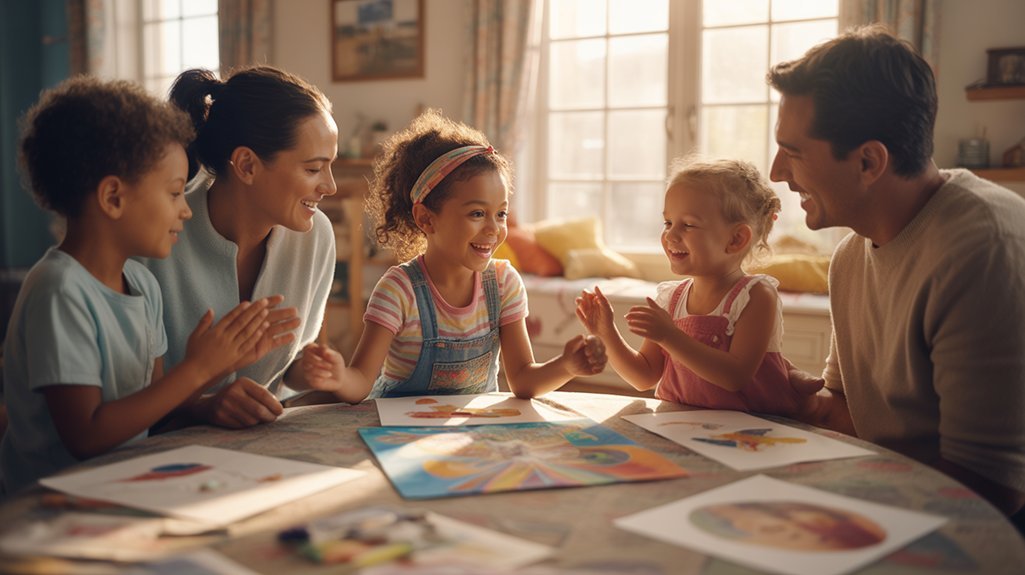
While older siblings often command attention through their achievements and youngest children naturally draw focus with their developmental milestones, middle children need intentional spaces to showcase their unique talents and strengths.
You can help your middle children feel valued by encouraging them to explore interests that distinguish them from their siblings. Whether it's art, robotics, or community service, supporting their distinct passions builds identity and confidence.
Celebrate their accomplishments meaningfully—even small victories deserve recognition. This validation reinforces their individual worth within your family structure.
Create leadership opportunities during family activities. Letting them plan a game night or lead a home project demonstrates trust and importance.
Schedule regular one-on-one time focused entirely on their interests. These dedicated moments communicate that they're not overlooked.
Consistently acknowledge their contributions and unique strengths. When middle children feel their presence matters, they develop resilience and self-worth that extends beyond birth order relationships.
Avoiding Comparison Traps Between Siblings
Comparing siblings—even with positive intentions—creates an environment where children measure their worth against each other rather than developing their own identities.
When you highlight differences between siblings, you inadvertently encourage rivalry and diminish each child's sense of individual value.
Instead, celebrate each child's unique strengths without reference to their siblings. Rather than saying “You're better at math than your brother,” try “You've worked hard on your math skills.” This approach helps children build self-esteem based on personal growth, not relative performance.
Research shows that children who feel valued for their distinct abilities develop healthier self-images and experience less sibling rivalry. You can create this environment by acknowledging personal milestones individually and maintaining open communication about each child's unique qualities.
When you avoid comparison traps, you're giving all your children—especially your middle child—permission to flourish independently, nurturing stronger sibling relationships built on mutual respect rather than competition.
Practical Strategies to Help Every Child Feel Significant
Every child needs tangible evidence that they matter within the family structure. You'll strengthen your child's development by implementing family appreciation nights that spotlight each child's unique contributions. These celebrations shouldn't feel forced—they're opportunities to genuinely recognize individual strengths.
Schedule consistent one-on-one time with each child. This dedicated attention communicates value beyond words and helps mitigate the neglect middle children often experience. During these moments, you're building their sense of significance.
Support each child's distinct passions, particularly those that differ from their siblings'. This encouragement nurtures individual identity and prevents unhealthy comparisons. When you tailor your praise to specific efforts and accomplishments, you're using positive reinforcement effectively.
Create space for open conversations about family interactions. Help your children understand they each bring unique value to your family unit. This awareness promotes healthy self-esteem and motivates continued growth, ensuring every child recognizes their irreplaceable role.
Signs of Feeling Overlooked
When middle children feel overlooked, they'll often signal their distress through distinct behavioral and emotional patterns.
You'll notice these warning signs that indicate your child needs more individualized attention and support.
Key Indicators to Watch For:
- Heightened sibling jealousy – Second children may exhibit increased resentment toward their older siblings, particularly when they perceive unequal parental attention or praise.
- Low self-esteem and self-comparison – You might observe your middle child frequently measuring their achievements against their sibling's accomplishments, leading to feelings of inadequacy and diminished self-worth.
- Behavioral extremes – Some second children become particularly introverted and withdrawn, while others develop attention-seeking behaviors or display tantrums as cries for recognition.
These patterns often emerge because your laid-back parenting approach—natural after raising your first—can inadvertently communicate that their needs matter less.
What feels like comfortable confidence in your parenting may unintentionally signal to your middle child that they're less of a priority.
Recognizing these signs early allows you to intervene meaningfully and restore their sense of value within your family.
Understanding Parent Concerns
You're not alone if you experience guilt about dividing your attention unevenly between your children—most parents struggle with these feelings and worry they're inadvertently playing favorites.
Managing your time effectively while ensuring each child receives meaningful individual attention requires conscious effort and strategic planning.
Learning to recognize the subtle warning signs that your middle child feels overlooked, such as withdrawal or attention-seeking behaviors, enables you to address concerns before they escalate into more serious emotional challenges.
Common Parental Guilt Feelings
As parents navigate the complexities of raising multiple children, guilt about giving less attention to their middle child often weighs heavily on their conscience.
You might recognize this parental guilt when realizing your second child's milestones didn't receive the same enthusiastic documentation or celebration as your firstborn's. Perhaps you've noticed yourself being less vigilant about safety concerns or relaxing boundaries you once firmly enforced.
This remorse often intensifies when you observe your middle child seeking validation or competing for recognition. You're not alone in feeling inadequate while balancing differing needs across your family.
However, acknowledging these guilt feelings represents your first step toward creating a more inclusive environment. By recognizing these patterns, you can intentionally guarantee each child receives individualized attention and feels genuinely valued within your family structure.
Fear of Playing Favorites
Have you ever caught yourself mentally tallying which child received more praise this week or whose achievements got the loudest applause? This fear of playing favorites weighs heavily on parents, particularly because research shows perceived favoritism can damage sibling relationships and contribute to long-term psychological issues like low self-esteem.
Your middle child is often most vulnerable to feeling overlooked in this fluid situation.
While aiming for equal treatment seems logical, it can actually miss the mark. Each child needs individualized attention that honors their unique strengths and challenges.
The solution lies in intentional effort: schedule dedicated one-on-one time with each child and maintain open dialogue about your appreciation for their distinct qualities.
This approach guarantees every child feels genuinely valued rather than merely treated identically.
Time Management Between Children
Balanced attention across siblings requires more than good intentions—it demands strategic planning. Research confirms that second children often receive less one-on-one time as parents juggle competing demands.
You'll find your focus naturally gravitating toward your firstborn's established routines while adopting a more relaxed approach with your second child. This unintentional imbalance can leave your middle child feeling undervalued.
Effective time management between children starts with structured scheduling. Create dedicated individual time slots for each child, treating these commitments as non-negotiable appointments.
Track your engagement levels during developmental milestones—your second child deserves the same enthusiasm you showed their older sibling. By intentionally allocating focused attention, you're not just managing time; you're building security and self-worth in each child while demonstrating that they're equally valued.
Recognizing Subtle Warning Signs
Your middle child's behavioral shifts often whisper what they can't articulate directly. When you notice jealousy intensifying toward their older sibling, it's revealing deeper feelings about attention distribution.
Second child syndrome manifests through low self-esteem markers—excessive self-comparison, diminished confidence, or reluctance to showcase achievements. You'll observe tantrums that seem disproportionate or rebellious behaviors emerging as frustration outlets when they feel undervalued.
Watch for personality divergence too. If your second child's traits sharply contrast their sibling's, they're likely carving an identity that distinguishes them within your family structure.
Sudden shifts toward introversion or extroversion signal their adaptive response to perceived attention gaps. These warning signs aren't character flaws—they're communication attempts.
When to Seek Help
Most parents wrestle with uncertainty about when behavioral patterns cross from typical sibling interactions into territory requiring outside support. You'll know it's time to prioritize your child's mental health when specific warning signs persist despite your best efforts.
| Warning Sign | When to Act |
|---|---|
| Low self-esteem patterns | Consistently comparing themselves negatively to siblings |
| Frequent emotional outbursts | Tantrums or jealousy over parental attention intensify |
| Self-advocacy struggles | Regularly overlooked during family discussions |
| Significant personality conflicts | Sibling dynamics create ongoing tension |
| Withdrawal behaviors | Isolation from family activities increases |
Professional support—whether family therapy or child psychology consultation—equips you with evidence-based strategies to promote inclusion. These interventions guarantee each child receives validation, helping your middle child develop healthy self-worth while strengthening family bonds.
Actionable Solutions for Parents
While middle children often navigate complex family interactions without the spotlight their siblings receive, research-backed strategies can help you address their unique emotional needs. Creating intentional space for connection strengthens their sense of belonging and self-worth.
Evidence-Based Approaches to Support Your Middle Child:
- Schedule dedicated one-on-one time that's non-negotiable in your family calendar. This individualized attention communicates they're valued beyond sibling comparisons and cultivates authentic connection.
- Celebrate achievements proportionally, not comparatively. Validate their efforts regardless of scale, building intrinsic motivation and resilience rather than measuring against siblings' milestones.
- Encourage distinct interests and hobbies separate from their siblings. This developmental strategy helps them establish independent identity and discover personal passions.
Additionally, teach conflict resolution and self-advocacy skills that enable them to articulate needs effectively.
Consider establishing family traditions that specifically honor your middle child's contributions. These targeted interventions demonstrate intentional recognition while strengthening overall family interactions and emotional security.
Celebrating Your Middle Child
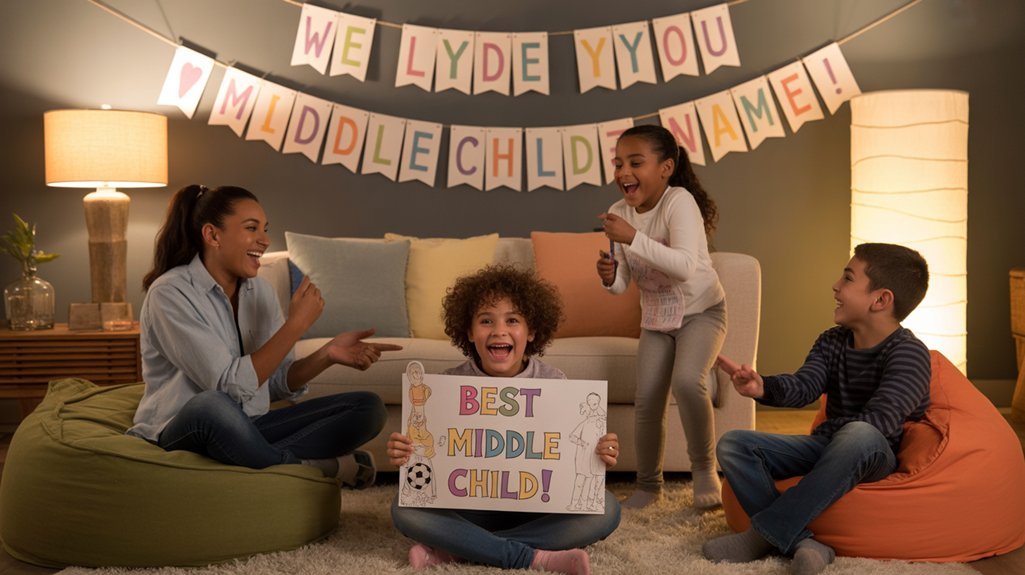
When you intentionally celebrate your middle child's unique qualities and contributions, you create meaningful opportunities for them to feel recognized within the family structure.
Consider organizing regular family appreciation nights that spotlight their specific achievements and talents, reinforcing their sense of belonging.
Middle Child Day offers a dedicated opportunity to honor your middle child's role in the family. You can make this celebration meaningful by focusing entirely on their interests and preferences for the day.
Encourage your middle child to pursue passions that distinguish them from their siblings. This individual recognition builds self-esteem and validates their unique identity.
Tangible acknowledgment, such as membership cards for organizations like the International Middle Child Union, provides concrete evidence of their valued position.
You might also explore supportive apps designed to validate middle children's experiences. These tools help them feel understood and appreciated, strengthening their confidence and emotional well-being within your family environment.
Frequently Asked Questions
What Is the Middle Child Syndrome?
Middle Child Syndrome occurs when you notice your middle child feeling overlooked or undervalued within sibling interactions.
They'll often perceive that older siblings receive recognition for achievements while younger ones get attention for being the “baby.”
Research shows these children may develop attention-seeking behaviors or withdraw emotionally.
You'll find they're managing complex family relationships where they don't hold the “first” or “last” position.
Understanding this helps you provide the individualized support they need to thrive.
What Is the Second Child Syndrome?
“The squeaky wheel gets the grease,” but your second child often doesn't squeak loudly enough.
Second Child Syndrome describes how your younger child develops distinct personality traits due to receiving less parental attention than their firstborn sibling.
These sibling interactions create coping mechanisms when they feel overshadowed by their older brother or sister's achievements.
You'll notice they may struggle with self-esteem as they navigate comparisons and perceived neglect, requiring your intentional effort to help them feel equally valued.
How to Make the Middle Child Feel Special?
Create Special Moments by scheduling regular one-on-one time with your middle child, focusing exclusively on their interests.
You'll strengthen their sense of importance by celebrating their unique achievements through family appreciation nights.
Research shows that individualized attention greatly boosts self-worth in middle children.
Encourage activities that differ from their siblings' pursuits, helping them develop a distinct identity.
When you consistently acknowledge their contributions and teach them self-advocacy, they'll feel genuinely valued within your family.
What Is the 7 7 7 Rule in Parenting?
The 7-7-7 Rule offers powerful parenting strategies: you'll spend 7 minutes daily in one-on-one conversation, you'll dedicate 7 hours weekly to quality activities, and you'll create 7 meaningful experiences yearly with each child.
This evidence-based approach guarantees your middle child receives consistent, individual attention that builds their self-worth.
Conclusion
Your middle child's journey through the family landscape doesn't have to be walked alone. When you're intentional about creating their space—both literal and emotional—you're giving them tools they'll carry forward. Research shows that children who feel seen develop stronger self-advocacy skills. You're not fixing a problem; you're nurturing their unique position. Small, consistent moments of connection today become the foundation for their confidence tomorrow. They're watching, learning, and growing through your efforts.
Related Articles
- The Ultimate Guide to Sibling Conflict
- The Ultimate Guide to Family Meal Planning
- The Ultimate Guide to Kids Educational Games
- 20 Fun DIY Crafts to Strengthen Family Bonds
- The Ultimate Guide to Screen Time Management

Written by Sarah Mitchell, M.S., CFLE
Founder & Lead Editor
Sarah is a Certified Family Life Educator with a Master's degree in Human Development and Family Studies from the University of Missouri. With 15+ years of experience as a parent educator and mother of three, she brings both professional expertise and real-world parenting wisdom to every article.
Credentials: M.S. in Human Development and Family Studies, Certified Family Life Educator (CFLE)