

Picture this: it’s a rainy Saturday, and your kid’s having a meltdown because you said “no more screen time.” It happens. Finding the right balance with screens can feel impossible, but setting age-appropriate limits can actually help keep tech use in check without constant battles. We’ve tried different strategies, and trust me, there are ways to make screen time work for your family. This article shares practical tips to create healthy habits and keep the peace, so you can focus on what really matters — enjoying those messy, chaotic moments together. You’re doing fine!

Key Takeaways
- Limit screen time for kids under 2 to video chats only — this protects brain development during critical growth stages.
- Allow toddlers (2-5 years) up to one hour of high-quality screen content daily — it promotes learning while ensuring healthy screen habits.
- Set a daily limit of 1-2 hours for kids aged 6-8, with breaks every 20-30 minutes — this boosts focus and reduces eye strain.
- For tweens (9-12 years), encourage 1-2 hours of recreational screen time, and create tech-free zones to inspire offline creativity and interaction.
- Cap recreational screen time for teens (13-17 years) at 2 hours daily — this balances online engagement with real-world activities, enhancing overall well-being.
Why Screen Time Limits Matter for Your Child’s Development
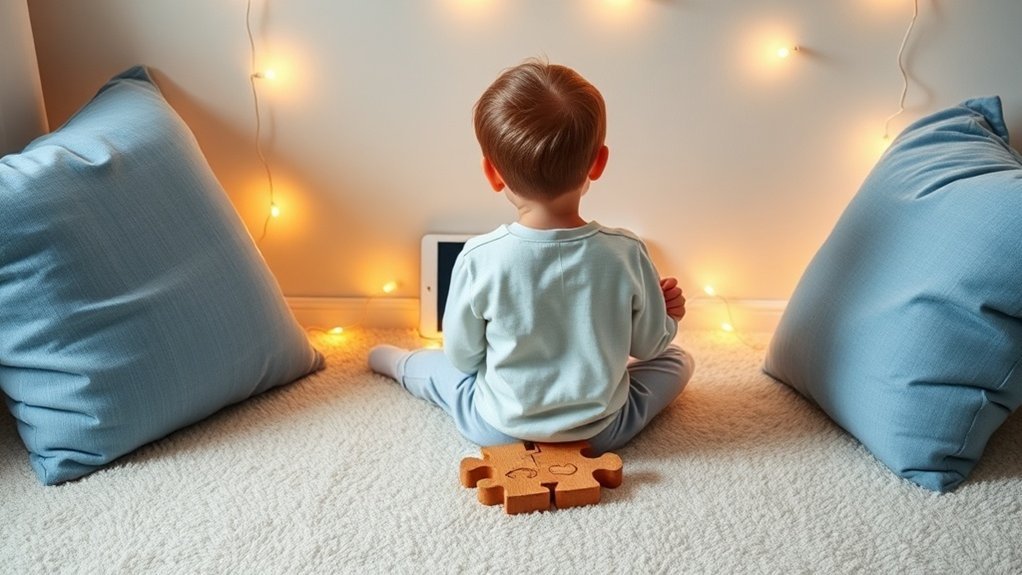
Ever had one of those days when the kids are glued to a screen, and you wonder what happened to good old-fashioned playtime? We’ve been there. It feels like a win when they’re entertained, but then you start to notice the little things: the way they drift into their own world, the short attention spans, and the endless requests for snacks instead of outdoor adventures.
Here’s the thing: while screens can be entertaining and educational, too much time in front of them can really sideline your child’s development. We’ve learned that setting some simple limits can help our kids connect better with the world around them. It’s not about being the screen-time police; it's about finding balance.

The American Academy of Pediatrics (AAP) suggests that kids aged 2 to 5 should have no more than one hour of high-quality programming each day. For younger kiddos, like babies and toddlers, it’s really best to keep screens out of their playtime. By sticking to these guidelines, you're making space for more face-to-face interactions, which are key for developing those all-important social skills. Research shows that screen time guidelines can significantly enhance children's social interactions and play.
What’s the payoff? When we limit screen time, we see our kids engage more with each other and the world. They chat, they argue over toys, and they negotiate playtime rules. Those moments? Priceless. It’s like watching their communication skills bloom right before your eyes.
On the flip side, too much screen time can lead to struggles with focus, learning, and even behavior. And let’s not ignore the physical side effects: less movement can mean more couch time, which can lead to issues like poor posture and sleep troubles. We all know those late-night meltdowns when the kids can't wind down after too much screen time!
Here’s a tip: when things feel chaotic, try creating a “screen-free zone” in your house. We set aside a corner of our living room for books and puzzles. It’s amazing how just changing the environment can spark creativity. Plus, it gives us a break from the usual “what’s on TV?” questions.
Budget-wise, you don’t need to spend a fortune to keep the kiddos entertained. Nature walks are free, and you can turn a simple trip to the park into an adventure. Bring along a picnic, or even just a couple of snacks! On a rainy day, pull out some arts and crafts supplies—think paper, markers, and whatever else you have lying around. Even the messiest projects have a way of creating great memories.
We’ve also found that routine helps. Mixing in screen time with playtime, chores, and family meals keeps the chaos in check. And guess what? It’s okay if things go sideways sometimes. If a planned activity flops, roll with it. We once tried baking cookies, and let’s just say the kitchen looked like a flour bomb went off. But the laughter and the experience? Totally worth it.
So, what can you do today? If screen time feels overwhelming, try implementing a simple rule: for every hour of screen use, balance it out with an hour of active play. It’s a small step that can lead to big changes. And remember, you’re doing just fine. Every family is different, and it’s all about what works for you.
And if you’re looking for some backup, don’t hesitate to lean on your support network—whether that’s friends, family, or other parents. We’re all in this together, learning and adjusting as we go!
Set Screen Time Limits for Toddlers (Ages 1-3)
When setting screen time limits for toddlers, focusing on age-appropriate content that supports their learning is essential. Establishing consistent daily limits not only helps build healthy habits but also ensures that screen time is safe and beneficial for your little one. But how do you engage your child meaningfully during this time? Let’s explore effective strategies to enhance their experience. Additionally, it's crucial to consider the average child's screen time habits to create a balanced approach that promotes overall well-being.
Age-Appropriate Content
You know those days when you wonder if you’re raising a tiny genius or just a whirlwind of chaos? Trust me, we’ve all been there. As a parent, it can feel overwhelming to figure out what’s safe and beneficial for our little ones, especially when it comes to screen time. The good news? A little bit of thoughtful planning can go a long way.
For toddlers, keeping screen time age-appropriate is key. According to the AAP, kids aged 2 to 5 should be limited to about one hour of high-quality programming each day. So, what can you do? Look for shows and apps that are simple and slow-paced. They should match your toddler's attention span and help with language, motor skills, and social understanding.
What we’ve found works in our house is focusing on educational content. Think basic words, numbers, shapes, and colors. Shows like “Bluey” and “Sesame Street” have been hits here. They’re fun, engaging, and free from any scary themes or violence.
We’ve even made it a little ritual — a cozy blanket fort and a snack while we watch together.
But let’s be real: sometimes things go sideways. Maybe you’re stuck inside on a rainy Saturday, and the toddler meltdown is brewing. It happens. In those moments, I’ve learned that having a backup plan is a lifesaver. You can pull out a simple craft or a storybook instead of stressing over screen time.
And don’t forget to preview any content before your child dives in! It might feel like a chore, but it’s worth it to ensure you’re steering clear of anything inappropriate. Also, watch out for ads or links that could lead to questionable stuff. Keeping an eye on what they’re exposed to can make screen time a safe, positive part of your day.
So, here’s a quick win: try to find at least one new, reputable source of toddler-friendly content this week. Maybe it’s a new app or a show you haven’t watched yet. You’ve got this!
And, full disclosure — sometimes the content you think is perfect can surprise you. We'd a show that seemed great, but there was a character that scared my little one. It’s all about trial and error, right?
Remember, every family is unique, and what works for one mightn't work for another. Lower the bar if you need to. You’re doing just fine.
And if you can, carve out some time today to explore new, age-appropriate content together. You’ll be glad you did!
Consistent Daily Limits
Setting daily screen time limits for our little ones—those tiny tornadoes aged 1 to 3—can feel like trying to wrangle cats. But trust me, it makes a difference. We've found that sticking to about one hour of high-quality, age-appropriate content each day helps create a routine that supports their growth and keeps the chaos manageable.
Let’s be real: kids thrive on predictability. When you set consistent times for screen time, it helps them understand when it’s okay to watch and when it’s time to switch gears. This predictability doesn’t just reduce anxiety; it promotes healthy habits too. We’ve learned the hard way that letting those boundaries blur can lead to meltdowns—both theirs and ours!
Always keep an eye on what they’re watching. Supervision isn’t just a safety net; it keeps them engaged. Pairing screen time with interactive, educational content? That’s the sweet spot. Think of it as a way to spark a conversation or play a game afterward.
And remember, balance is key. Mixing in plenty of physical play, reading, and social interaction helps protect their growing brains and emotional health.
Got a rainy day? Pull out some books or play a fun game instead of defaulting to screens. We’ve had plenty of those days where plans went sideways, and a little creativity saved us.
And here’s a tip: don’t feel pressured to spend a fortune on apps or shows. There are tons of free or low-cost options that fit the bill. The AAP suggests keeping screen time to an hour for 2 to 5-year-olds, so you don’t have to break the bank to stay within guidelines.
What’s your go-to backup plan for screen-free days? Share your secrets!
In our house, we’ve found that sticking to these limits sets a solid foundation for healthy screen habits down the road. And it’s never too early to start. You’re doing great, and every little bit helps.
Today, try setting a specific time for screen use and see how it changes the flow of your day. Embrace the chaos, and remember: you’ve got this!
Manage Screen Time for Preschoolers (Ages 4-5)
Setting consistent screen time limits for preschoolers not only fosters healthy habits but also paves the way for engaging learning experiences. With this foundation, the next step is to explore the types of interactive content that can make screen time both fun and educational for your little ones. Additionally, it's essential to incorporate expert-tested strategies that ensure a balanced approach to screen time in 2025.
Setting Consistent Screen Limits
You know those days when you’re juggling a million things and your little one just wants to watch “one more episode”? We’ve been there. Setting screen time limits can feel like another chore on your never-ending list, but trust me, it makes a world of difference. Consistency is key. It helps your kiddo know what to expect, which can mean fewer tantrums and more peace for you.
Here’s what’s worked for us:
- Keep it simple with daily limits: Aim for around an hour of screen time each day, following the AAP guidelines. It’s about protecting those little brains while still letting them enjoy some screen time. If your preschooler is under 2, it’s best to limit it even more, focusing on quality interactions instead.
- Timers are your friend: We’ve found that using a kitchen timer or an app helps. When the timer goes off, it’s time to switch gears. No more nagging from you, which means less resistance from them.
- Create screen-free zones: This isn’t just about cutting down on screen time; it’s about fostering connection. Designate areas like the dinner table or bedrooms as device-free spaces. It encourages family time and can even help with those bedtime wind-down routines.
Now, let’s be real. Life happens. Some days, the timer gets ignored, and that's okay. If a meltdown occurs because it’s time to turn off the screen, try a transition activity that captures their attention instead, like a favorite book or a game.
What about budget-friendly options? You don’t need to break the bank. If you’re looking for screen-free activities, check out local parks or community events. Many libraries offer free storytime sessions or craft days. We love the local park, and it’s a perfect way to burn off that extra energy!
So, here’s a little challenge for you: Pick one screen-free zone this week and see how it goes. You might be surprised at how much more connected you feel as a family.
And hey, from our experience, it’s all about trial and error. What works one week may not work the next. Lower the bar, and give yourself grace. You’re doing fine.
Encouraging Interactive Content
Ever had one of those days where you just need a breather, but your little one is bouncing off the walls? Yeah, I’ve been there. When we need a moment to recharge, screen time can feel like a lifesaver. But here’s the thing: not all screen time is created equal.
Instead of plopping them in front of a mindless show, look for apps and games that actually get those tiny brains working. Think problem-solving, storytelling, or simple puzzles. We've found these kinds of activities spark creativity and keep kids engaged.
The American Academy of Pediatrics suggests that for preschoolers, you should aim for no more than one hour of high-quality programming daily. So, let’s make that hour count!
Always preview what your kiddo will be watching or playing. You want to ensure it’s safe, age-appropriate, and aligns with your values. And trust me, you don’t want to deal with ads popping up every five minutes.
Creating a cozy, distraction-free space during screen time can work wonders. It helps your child focus and really dive into whatever they're doing. We’ve set up a little nook with pillows and blankets, and it’s become our go-to spot.
Remember, though: screen time shouldn’t replace hands-on playtime or social interactions. It’s all about balance. After all, kids learn best through play, not just screens.
What actually worked for us? We’ve made it a routine to alternate between digital activities and tangible play, like building blocks or read-aloud time.
Now, if the meltdown hits because they want to keep playing, don’t sweat it. Set clear boundaries beforehand, and if things go sideways, it’s okay to pivot. Maybe have a backup plan for a quick art project or a dance party to reset the mood.
So, as you navigate this screen time journey, aim for interactive content that keeps your little one curious and engaged. Your family might look different from others, and that’s perfectly fine. There’s no one-size-fits-all here.
Today, why not try introducing a new interactive app together? You might just find a new favorite! And remember, you’re doing just fine.
Build Healthy Screen Habits for Early Elementary Kids (Ages 6-8)
Ever had that moment when you finally sit down with a cup of coffee, only to hear the unmistakable sound of a tablet powering up? Yep, me too. As our kids dive into the digital world around ages 6 to 8, it can feel chaotic. But here's the good news: laying down some solid screen time rules today can help shape healthier habits for tomorrow.
So, what can you do? Start by setting consistent daily limits—1 to 2 hours of quality screen time is a good benchmark. We’ve found that sticking to this helps keep the kids balanced.
And don't forget to encourage those little breaks every 20-30 minutes. Trust me, it gives their eyes a rest and gets them moving. I mean, who doesn't need a little wiggle time?
When choosing what to watch, go for age-appropriate, educational content. There’s a treasure trove of options out there!
And do yourself a favor—turn on those parental controls. You’ll feel a lot better knowing you’re filtering out the stuff that’s not for their eyes.
Quick win: Check out resources like PBS Kids or National Geographic Kids. They offer a ton of fun, educational content without breaking the bank.
Now, I get it—screen time rules can be a slippery slope. Some days, you might find yourself negotiating like a seasoned diplomat. (Been there?) If things start to feel out of control, don’t stress. Just remind yourself that parenting is messy.
And here's a little tip for those rainy days when the kids are bouncing off the walls: plan a tech-free activity. Try a scavenger hunt around the house or a DIY craft. It’s amazing how a little creativity can save the day.
As you're navigating this digital landscape, keep in mind the American Academy of Pediatrics (AAP) recommends that kids ages 6 to 18 get no more than 1 to 2 hours of recreational screen time daily. It’s a guideline that can help you keep things in check.
So, what’s something you can try today? Maybe set a timer for screen use and plan a fun break activity.
And remember, not every kid will respond the same way. My 4-year-old had a meltdown over a timer once—it happens!
What we learned the hard way? It’s all about balance. If you can create a safe, structured environment, you’re doing great.
Your family may look different from others, but that’s what makes it special. Lower the bar, take a deep breath, and keep going. You’ve got this!
Balance Screens and Activities for Tweens (Ages 9-12)
Is it just me, or does it feel like screens are magnetically pulling our tweens in? Between the latest games, TikTok dances, and endless YouTube videos, it can be a real challenge to find that sweet spot between screen time and other activities. We’ve all been there, right? The chaos of trying to balance their interests while ensuring they stay active and engaged.
Here’s a quick win: set clear limits on screen time. The American Academy of Pediatrics recommends no more than 1-2 hours of recreational screen time for kids ages 6 and up. Trust me, it makes a difference. Try designating tech-free zones—like the dinner table or bedrooms. It’s amazing what a little unplugging can do for family connections.
In our house, we find that encouraging hobbies can really help. Whether it’s sports, reading, or diving into creative arts, it keeps them physically active and mentally engaged. Ask your tween what they’re curious about. You might just discover a new passion.
And hey, you don’t need to break the bank—check out community programs, local libraries, or even DIY art projects at home.
Let’s talk about those moments when things go sideways. Maybe you planned a grand family hike, and it pours rain. Or your fancy recipe ends up as a kitchen disaster. It happens! Keep a few backup plans handy—like a board game night or a movie marathon.
Also, don’t forget to chat about online safety. It’s vital to talk openly about privacy and respectful behavior. We make it a point to keep the conversation going, so they feel comfortable coming to us with questions.
And remember, you can monitor their digital activities while still respecting their privacy—creating that trust is key.
So, what’s one thing you can do today? How about sitting down with your tween and brainstorming some tech-free activities to try together this week? You might be surprised at what they come up with.
And here’s what we learned the hard way: not every kid will jump at the idea of a screen break. Patience is your best friend in those moments. You're not alone in this; we’re all figuring it out together.
Set Screen Time Guidelines for Teenagers (Ages 13-17)
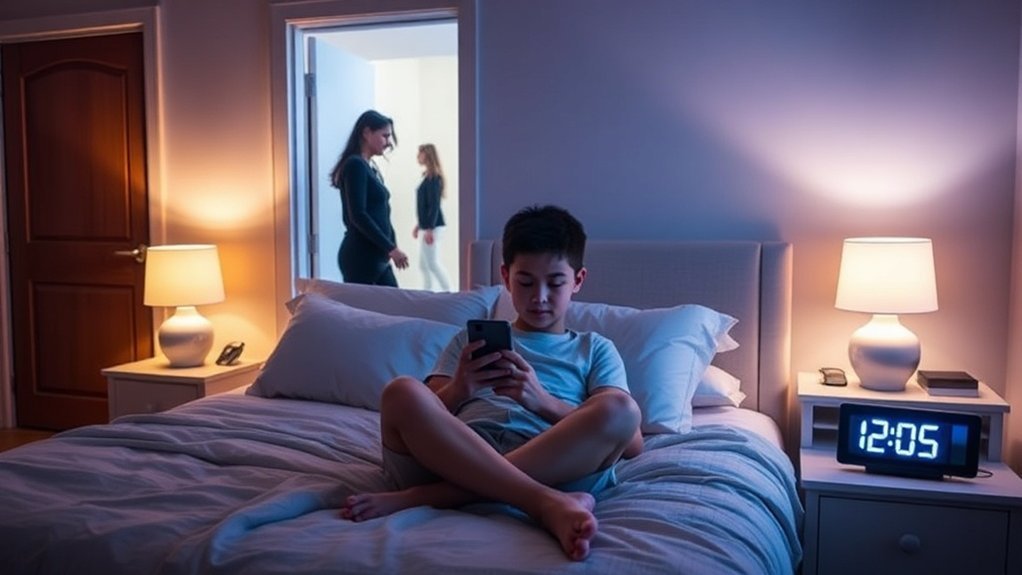
When your teen's screen time starts to eat into homework, sleep, and those precious face-to-face moments, it’s time to step in. We all know that balancing digital life with real-world responsibilities isn’t easy — trust me, I've been there. Here’s what’s worked for us:
Set consistent limits: We keep it to about 2 hours of recreational screen time each day. Sure, they might roll their eyes, but it gives them space to focus on studies and catch enough z’s.
Remember, it’s about balance, not deprivation.
Designate tech-free zones: We’ve found that keeping devices out of bedrooms and off the table during meals really helps us connect as a family.
It’s amazing what a simple dinner without screens can do — those conversations might surprise you!
Encourage safe and purposeful use: Talk to your kids about online safety and privacy. It’s not just about the latest TikTok dance; it’s about making sure they know how to navigate that world.
And let’s not forget to balance social media with offline activities. Been there?
Quick Win
Try a family tech-free night once a week. It doesn’t have to be fancy — board games or even a walk can work wonders.
Time Estimate
This could take about an hour or two, depending on your family’s vibe.
And if it feels awkward at first, that’s okay. It happens.
Real Talk
Things can go sideways — like that time we tried to have a tech-free dinner, and the kids were so bored they started bickering.
It wasn’t pretty. But we laughed it off and tried again the next week.
Budget-Friendly Options
You don’t need a big budget for fun. A nature walk or a game night at home can be just as engaging as a pricey outing.
And if you’re looking for activities, the library often has free events — check it out!
Seasonal Tip
With school back in session, it’s a perfect time to set these guidelines.
Kids are busy with homework, after-school activities, and sports. Adding screen limits now can help them manage their time better.
Safety First
For younger teens, keep an eye on the kind of content they’re engaging with.
The AAP suggests that kids aged 13-17 should have about 2 hours of recreational screen time.
And always remember to supervise those online interactions — it’s a wild world out there.
We’ve learned the hard way that not every kid will respond the same way to restrictions.
Some might push back, while others might surprise you with their cooperation.
Just keep the conversations open and remember: you’re doing fine.
Action Step
Tonight, gather the family and set some screen time goals together.
Make it a fun discussion! You might be surprised by their input.
Handle Screen Time Conflicts With Your Child
Ever had that moment when your kid's glued to a screen, and you just want to hit pause? We’ve all been there. It’s tough to navigate those screen time conflicts, but trust me, you can do it.
First things first: stay calm. I know, easier said than done, right? But when you take a breath and let your child share their thoughts, it makes a world of difference.
Let them vent. Seriously, give them space to express their feelings without jumping in. This shows you’re listening and gives you a peek into what's really causing the clash. After they’ve had their say, share your concerns about safety and well-being. Talk about why limits are important, not as a lecture, but as a conversation.
In our house, we’ve found that working together to set some ground rules helps a ton. Maybe it’s one hour of screen time on school nights and two on weekends.
And be sure to mix in other fun activities — think board games, crafts, or even cooking together. You don’t need to spend a fortune; a homemade pizza night can be just as exciting as a pricey outing.
Set those rules consistently, and stick to them. Kids thrive on predictability, and it builds trust. But don’t let it turn into a power struggle. You can be firm while still being kind. If things get heated, remember: you’re modeling how to handle frustration. That’s a life lesson right there.
Been there when a meltdown hits over a screen time limit? Yeah, I've too. Sometimes, things just don’t go as planned. On a particularly rainy Saturday, my kids lost it when I said “no” to extra time on their favorite game.
We ended up turning it into a craft day — messy, but we all survived.
And speaking of safety, keep in mind the AAP recommends no more than one hour of screen time for kids aged 2 to 5, and none for those under 18 months, except for video chatting. It’s crucial to supervise younger kids and be mindful of age-appropriate content.
To wrap this up, try this tonight: sit down with your child and brainstorm screen time rules together. What do they think is fair? What activities can you all enjoy as a family?
You might be surprised at the solutions they come up with. Remember, every family looks different, and that’s perfectly okay. You’re doing great!
Encourage Quality Screen Time and Use It to Support Learning
Got a few minutes of screen time on the schedule? Trust me, you’re not alone. Between juggling work, kids, and life’s little surprises, it can feel like a win just to get everyone settled in. But those moments can also become golden opportunities for learning.
We’ve found that choosing quality content can turn screen time from a guilt trip into something enriching. Think of it as a chance to explore together. Grab some educational shows or games that match your child’s interests and age. The American Academy of Pediatrics (AAP) suggests limiting screen time to about one hour a day for kids ages 2 to 5, so keep that in mind as you plan.
Try co-viewing or co-playing. It’s amazing how much more they absorb when you’re right there, engaging and chatting about what they’re watching or playing. And if you can find creative activities—like storytelling apps or problem-solving games—that really gets them thinking, you’re golden.
Been there when everything goes sideways? The app crashes, or they just can’t sit still? It happens. Lower the bar and just roll with it. On a rainy Saturday, we tried a storytelling app and ended up creating a wild adventure together. My 4-year-old's honest review? “Can we make it again?”
Keep in mind safety too. Supervise younger kids, and avoid apps or shows that might expose them to harmful content. If you’re worried about allergens, especially with snack time during screen time, stay vigilant.
For budget-friendly options, check out local libraries. They often have free educational apps and resources. And if you’re looking for something premium, there are great subscription services that offer quality content, but you can totally find gems without spending a dime.
Here’s a quick win: Try setting a timer for 30 minutes. It gives you time to prepare for the next activity—maybe a craft or a walk—while still enjoying that screen time.
What actually worked for us was mixing it up with active play. After an educational show, we’d hop up and do a related activity—like a science experiment or a little dance party to spark creativity. It’s all about keeping that balance.
Frequently Asked Questions
How Do Screen Time Recommendations Differ for Children With Special Needs?
Q: What're screen time recommendations for my child with special needs?
You can start using screens around age 3 with supervision. Focus on quality content that supports learning and communication.
Try limiting screen time to 30 minutes daily, and always watch for signs of overstimulation. Balancing screen time with outdoor play and social activities is key for overall well-being.
Q: How can I ensure my child isn’t overwhelmed by screens?
Watch your child's reactions closely; if they seem stressed or distracted, it might be time to take a break.
Look for engaging, interactive apps or shows that encourage participation. Consider using free resources, like educational YouTube channels, to keep costs down while still providing a quality experience.
Q: What if my child has trouble with social interaction?
Consider using screens to facilitate social connections, like video calls with friends or family.
Aim for short, guided sessions of around 10-15 minutes, especially for younger kids. You can make it budget-friendly by using free apps like Zoom or Skype to connect without added costs.
Q: How much screen time is too much?
It’s best to limit screen time to about 1 hour daily for kids aged 2-5, with supervision.
Always prioritize interactive content over passive viewing. If you're on a tight budget, libraries often have free access to educational programs and books that can help balance out screen time.
Q: Are there any safe screen time practices I should follow?
Always supervise your child during screen use, particularly for younger ones to prevent exposure to inappropriate content.
Set clear boundaries, like a designated screen-free zone in your home. Use parental controls found in most devices to help keep things safe, and if you’re concerned about costs, many apps offer free versions.
What Are the Best Tools to Monitor My Child's Screen Usage?
Q: What're the best tools to monitor my child's screen usage?
A: Apps like Qustodio, Bark, and Family Link are great for monitoring screen time. They let you set time limits and filter content, which is especially helpful for kids aged 5 and up.
If you’re on a budget, consider using built-in screen time settings on devices, which are often free. Just remember to check in with your child regularly about their online activities to keep things safe.
Q: How can I ensure my child stays safe online?
A: Open communication is key. Talk to your child about online safety from around age 5, and make sure to supervise their internet use.
Setting clear guidelines and using parental control apps can help. If you'd rather not spend extra, many devices have basic safety features at no cost. Just keep the conversation going to help them understand the risks.
Q: When should I start tracking my child's screen time?
A: You can start monitoring around age 3, but always with supervision. Use apps or device settings to keep track of their usage.
For younger kids, make it a fun routine, like screen time as a reward after outdoor play. If you're looking to save, many free apps offer basic features that can still help you keep an eye on things.
Q: How can I set appropriate screen time limits for my child?
A: Setting limits is essential; try 1 hour a day for kids aged 6-12. Use apps to enforce these limits, or simply set a timer.
For younger kids, balance screen time with physical activities. If you're on a tight budget, use a kitchen timer instead of an app. Just remember, leading by example with your own screen habits can make a big difference!
How Can Parents Model Healthy Screen Habits Themselves?
Q: How can I model healthy screen habits for my kids?
You can start by setting clear boundaries for your own device use.
Try turning off screens during meals and an hour before bedtime.
Balance tech time with offline activities like reading or outdoor play.
This shows them that life beyond screens is fun too.
Just remember, it’s all about consistency, and you don’t need fancy gadgets—simple family games or walks can do the trick!
Q: What if I find myself constantly checking my phone?
It’s important to reduce phone checking to prioritize face-to-face interactions.
Set specific times to check your phone—maybe every hour or so.
You could also keep your phone in another room during family time.
If you're worried about missing something urgent, ask a partner or friend to alert you for any important messages.
It’s totally doable and helps set a good example for your kids.
Are There Specific Apps That Promote Positive Screen Time?
Q: What apps should I consider for my kids' screen time?
You should look for apps like Khan Academy Kids or Calm that promote creativity, learning, and mindfulness.
For younger kids, supervise usage to ensure they’re engaging meaningfully. Always read reviews and check privacy policies to make sure the app aligns with your family’s values.
If you’re on a budget, explore free educational games available online.
Q: Are there any apps that help with mindfulness?
Yes, Calm is a great option for mindfulness activities aimed at kids. It’s suitable for ages 5 and up, but younger kids can join in with your help.
You can also find free mindfulness resources on YouTube if you want to save some cash. Just be mindful of screen time limits, especially for little ones.
Q: How do I know if an app is safe for my child?
To ensure safety, always check the app’s reviews and privacy settings before downloading.
Look for age recommendations and parental controls. If you’re concerned about costs, many reputable apps offer free trials or basic versions, so you can test them out without spending a dime.
Q: What if I can’t afford premium apps?
No problem! Lots of free apps promote learning and creativity, like PBS Kids or Duolingo for Kids. These are suitable for ages 4 and up.
Just supervise to ensure they’re engaging properly. Remember, you can always use household items for creative activities, too—no need to break the bank!
How Does Screen Time Affect Sleep Patterns in Children?
Q: How does screen time affect my child's sleep patterns?
A: Screen time, especially before bed, can mess with your child’s sleep by lowering melatonin levels.
To help, try limiting screen use at least an hour before bedtime and encourage calming activities like reading or drawing instead. This not only helps them fall asleep easier but also promotes better sleep quality.
Q: What can I do to keep my child from using screens too close to bedtime?
A: Set a family rule to turn off screens an hour before bed.
You might create a bedtime routine that includes activities like reading or puzzles, which can be done together. If you're looking for budget-friendly options, you can use library books or print out coloring pages instead of buying new toys.
Q: Is there a specific age when I should be more concerned about screen time?
A: From about age 3, you should start monitoring screen time, especially before bed.
Make sure to supervise their usage to avoid exposure to inappropriate content and ensure they’re engaging with age-appropriate material. If you’re on a tight budget, many educational apps offer free versions that still provide quality content.
Conclusion
You’re doing great navigating the screen time challenge! Today, why not set aside 20 minutes to explore a new book together? Pick a fun story that sparks their imagination, and dive into it with enthusiasm. Kids ages 3 to 8 love interactive reading, and it can be a wonderful way to connect. Trust me, the giggles and questions that come up will be priceless. Good enough counts, and they won’t remember if you skipped a page. You’ve got this—making moments together is what matters most!