



Your child's lying represents normal cognitive development rather than moral failure. Between ages 2-4, children tell simple denials as their brains develop. From 4-8, lies become more sophisticated due to fear of punishment or desire for approval. By ages 8-12, children craft elaborate stories for peer acceptance. You'll respond most effectively by staying calm, creating safe spaces for honesty, and modeling truthfulness yourself. Understanding the developmental motivations behind dishonesty at each age helps you guide your child toward integrity with patience and empathy.
Key Takeaways
- Lying emerges naturally as children's cognitive abilities develop, progressing from simple denials to sophisticated deceptions throughout childhood.
- Ages 2-4: Children blur fantasy and reality; respond with gentle redirection and calm acknowledgment rather than punishment.
- Ages 4-8: Fear of punishment drives dishonesty; create safe environments and use open communication to encourage truthfulness.
- Ages 8-12: Lies become elaborate for peer acceptance; discuss consequences and values while exploring underlying motivations.
- Respond calmly using “I” statements, model honesty by admitting mistakes, and reinforce truth-telling with positive feedback.
Understanding Why Children Lie at Different Ages

While it may surprise you, your toddler's first fibs aren't signs of moral failing—they're actually developmental milestones.

Children lie for different reasons as they grow, and recognizing these developmental stages helps you respond with wisdom rather than worry.
Your 2-3-year-old's simple denials reflect emerging cognitive abilities, not intentional deception. As preschoolers develop their understanding of lying, they'll test boundaries and seek your approval through fabricated stories.
By ages 6-8, children lie primarily to protect feelings or navigate friendships, showing increased social awareness.
The common reasons children lie evolve greatly during middle childhood. Your 8-12-year-old creates more complex deceptions to avoid consequences or gain peer acceptance.
Teenagers add another layer, using lies to establish independence and explore their identity.
Understanding these patterns equips you to guide children through each stage thoughtfully.
You'll recognize that lying behaviors aren't character flaws but opportunities to teach integrity while honoring their developmental needs. Supporting children through these challenges involves addressing both their learning and emotional needs as they develop healthy communication skills.
Early Childhood Lying: Ages 2-4
Between ages 2 and 4, you'll notice your child's lies emerge naturally as their brain develops the capacity for imagination and symbolic thinking.
What starts as simple denials of misbehavior evolves into more elaborate stories as they test boundaries between fantasy play and reality.
Your toddler isn't being manipulative—they're mimicking the social behaviors they observe in you and other adults while gradually learning to distinguish truth from fiction.
Understanding that the first three years are crucial for lifelong mental health and well-being can help parents respond to these developmental milestones with patience and appropriate guidance.
Imaginative Play and Fabrication
As toddlers discover their growing independence between ages 2 and 4, they simultaneously commence a fascinating journey of testing reality's boundaries through imaginative play and their first attempts at deception.
During this developmental stage, young children genuinely struggle to distinguish between reality and fantasy, resulting in innocent fabrications that reflect cognitive exploration rather than intentional deceit.
When your toddler denies breaking a toy or claims they didn't eat the cookies, they're often engaging in wishful thinking—attempting to undo their actions through words. These transparent attempts to lie lack sophistication, making detection straightforward.
Emerging Understanding of Truth
Your child's earliest lies reveal a remarkable cognitive milestone unfolding in real time. Between ages 2 and 4, your toddler begins distinguishing truth from fiction—a sophisticated developmental leap.
At two, these innocent fabrications often emerge during imaginative play or simple denials of misbehavior, without genuine intent to deceive.
By three, your child grasps that their internal thoughts differ from external reality. They'll craft simple stories aligning with their desires, though these early attempts lack sophistication.
You'll notice they struggle maintaining consistency or covering their tracks.
At four, lying becomes more deliberate. Your child now understands the distinction between truth and falsehood, using deception to gain approval or explore social boundaries.
Rather than viewing this negatively, recognize you're witnessing essential cognitive and social development that requires patient, thoughtful guidance.
Mimicking Adult Behaviors
Where do toddlers learn their earliest deceptive behaviors? Your child observes you daily, noticing when you tell white lies to avoid hurting someone's feelings or fabricate excuses.
Between ages 2 and 4, children naturally mimic these adult behaviors, though they're not yet grasping moral implications.
At this developmental stage, your toddler's lies aren't malicious. They're struggling to understand the difference between truths and fantasies, often blending imaginative play with reality.
When your child tells their first successful lie, it's actually a cognitive milestone—they're recognizing that others hold different perspectives.
You'll notice these early attempts are clumsy and transparent. Your child lacks the sophisticated skills to maintain deception, revealing their limited understanding.
This transparency provides valuable teaching opportunities as you guide them toward honesty while respecting their developmental capacity.
Preschool and Early School Years: Ages 4-8
Preschool and Early School Years: Ages 4-8
The preschool and early school years mark a pivotal shift in children's relationship with truth-telling. Between ages 4-8, you'll notice your child lies with increasing sophistication as they grasp the distinction between reality and fiction. These child lies often stem from fear of punishment, desire for approval, or attempts to navigate complex social situations.
Understanding why children bend the truth helps you respond with positive parenting strategies that support their emotional well-being:
| Age Range | Lying Characteristics | Your Response |
|---|---|---|
| Ages 4-5 | Fantasy-based lies; seeking approval | Gently distinguish reality from pretend |
| Ages 6-7 | Protective lies; avoiding consequences | Create safe spaces for honesty |
| Ages 7-8 | Sophisticated deception; social navigation | Discuss values and model integrity |
You can help your child tell the truth by encouraging open communication without harsh judgment. When children feel emotionally safe, they're more likely to be honest, even when admitting mistakes feels difficult. Just as with other aspects of child development, creating supportive environments helps children navigate challenging behaviors while building trust and emotional security.
Middle Childhood Through Adolescence: Ages 8-12

As your child moves into middle childhood, their lies become markedly more sophisticated—weaving elaborate stories that involve selective truth-telling and strategic omissions. This developmental shift reflects expanding cognitive abilities and deeper awareness of social interactions. Your child now understands that lying is a normal social tool, though they're simultaneously grasping its moral weight.
During ages 8-12, children learn to lie for varied reasons: dodging responsibilities, protecting others' feelings, or seeking peer acceptance. They're increasingly sensitive to judgment and social expectations, making dishonesty feel safer than vulnerability.
This stage offers significant opportunities to help your child develop ethical foundations. Engage in meaningful conversations about the importance of honesty and how lies affect relationships and trust. Rather than harsh punishment, explore the motivations behind their dishonesty. Understanding the reasons behind dishonesty becomes even more crucial as children approach the teenage years, when social pressures and identity formation intensify.
How Parents Can Respond to Lying Effectively
When your child lies, your response shapes whether they'll feel safe being honest with you in the future.
By staying calm, implementing logical consequences, and modeling the honesty you expect, you create an environment where truthfulness becomes the easier choice.
These evidence-based strategies work together to build your child's moral development while strengthening your relationship through trust and open communication.
Stay Calm, Create Safety
Although your first instinct might be to express frustration when you discover your child has lied, maintaining composure sets the foundation for a constructive conversation about honesty.
When you stay calm, your child feels safe enough to engage authentically rather than retreating further into dishonesty out of fear.
Create this secure environment by getting down to your child's eye level, demonstrating through your body language that you're approachable and genuinely interested in understanding their perspective.
This physical positioning removes the intimidation factor and promotes open communication.
Use “I” statements like “I noticed something different happened” rather than accusatory language.
This approach invites explanation without triggering defensiveness, making it easier for your child to practice telling the truth while knowing they'll be heard with compassion rather than immediate punishment.
Use Natural Consequences Wisely
Natural consequences teach children about honesty far more effectively than harsh punishments ever could. When your child lies about completing homework, having them finish it helps them understand the connection between their words and actions. This approach builds accountability through experience rather than fear.
Create a safe environment where your child can face these outcomes without shame. Express gladness when they admit the truth: “I'm so glad you told me what really happened.” This positive reinforcement strengthens their understanding of honesty's value.
These natural consequences cultivate moral reasoning and emotional intelligence as children reflect on how their lies affect others.
Model Honesty and Trust
Your children watch everything you do, and they learn more from your actions than your words. When you model honesty in daily interactions—admitting mistakes, keeping promises, and being truthful even when it's difficult—you demonstrate that integrity matters.
If you accidentally provide wrong information, correct it openly. This shows your child tell-the-truth behavior is valued over appearing perfect.
Respond by saying “I” statements when discussing honesty: “I feel concerned when I hear something that mightn't be true.” This approach invites dialogue rather than defensiveness.
When your child tells the truth, especially after lying, offer specific praise that reinforces their courage. Help them understand the consequences of lying through natural outcomes rather than harsh punishment, building trust through consistent, honest interactions.
Creating a Trust-Based Environment That Encourages Honesty
When children sense that honesty leads to connection rather than condemnation, they're far more likely to tell the truth. Creating a trust-based environment begins with how you respond to disclosures—approaching mistakes with curiosity rather than harsh judgment helps children feel safe being transparent.
You'll encourage open communication by establishing clear expectations while demonstrating that truthfulness strengthens relationships. When you model honesty in your daily interactions, children internalize that integrity matters more than perfection.
Positive feedback plays an essential role in reinforcing truthful behavior. Acknowledge courage when children admit mistakes: “I appreciate you telling me what happened. That took bravery.” This recognition builds self-esteem and reduces future dishonesty.
Regular discussions about feelings and behaviors create opportunities for children to process their experiences without shame.
Age-Appropriate Lying Patterns
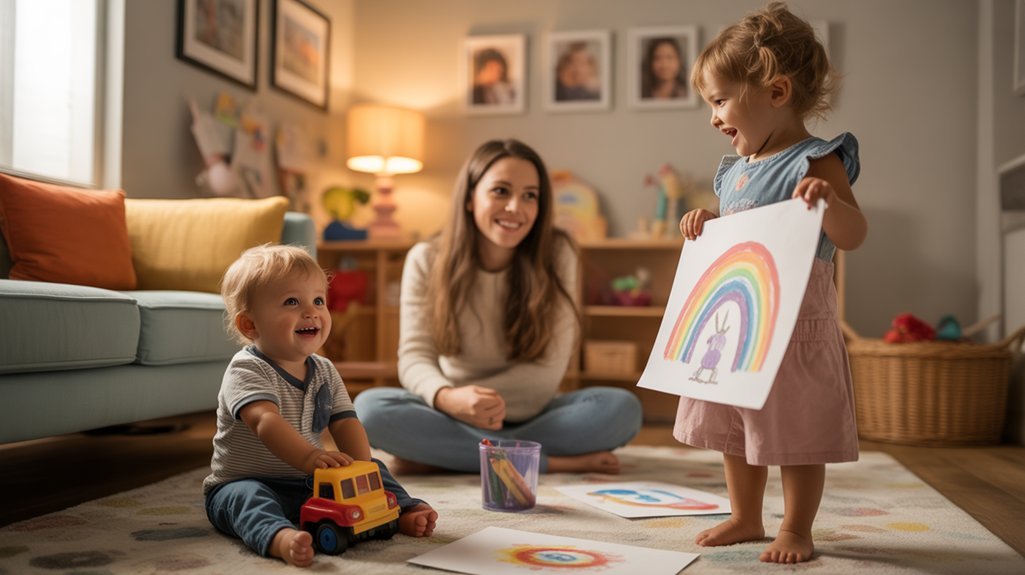
As children's cognitive abilities mature, their capacity and motivations for lying evolve through predictable developmental stages. Understanding these age-appropriate patterns helps you respond with empathy rather than alarm when your child lies.
- Toddlers (2-3 years): Your child might deny wrongdoing without malicious intent, as they're still distinguishing fantasy from reality.
- Preschoolers (4-6 years): Expect exaggerated stories as they experiment with social norms and seek your approval.
- Early elementary (6-8 years): Your child begins grasping moral implications, using lies to protect feelings or navigate friendships.
- Middle childhood (8-12 years): Lying becomes more sophisticated as they manipulate information and understand logical consequences.
- Adolescence (12+ years): Deception often serves identity formation and independence-seeking, with complex moral reasoning.
When you know what's developmentally typical, you'll recognize that lying might signal growth rather than character flaws. This knowledge enables you to guide your child through each stage effectively.
When Children Begin Lying
Your child's first lies typically emerge around age two, when they may deny obvious behaviors like having a cookie despite telltale crumbs on their face.
These early untruths aren't morally motivated but rather stem from wishful thinking and an inability to fully distinguish fantasy from reality.
This developmental milestone actually signals important cognitive growth, as lying requires your child to understand that others have different knowledge and perspectives—a skill that won't fully develop until around age four or five.
First Lies Around Age Two
Around age two, toddlers begin their first experiments with deception, though these early attempts look vastly different from adult lies. Your child doesn't know the difference between reality and imagination yet, making these early lies a first step in cognitive development rather than moral failures.
| Lie Characteristics | Cognitive Ability | Primary Motivation |
|---|---|---|
| Simple denials | Limited perspective-taking | Avoid punishment |
| Poorly executed | Can't cover tracks | Escape consequences |
| Wishful thinking | Blurred reality/fantasy | Fulfill desires |
| Transparent attempts | Emerging self-awareness | Test boundaries |
When your child denies spilling juice despite evidence everywhere, they're demonstrating developmental progress. These moments signal growing mental complexity—your toddler's beginning to separate their internal thoughts from external reality. Rather than punishing this milestone, respond with gentle guidance that nurtures their emerging understanding of truth.
Fantasy vs. Intentional Deception
Between ages two and six, your child's lies shift from magical thinking to purposeful deception, marking an essential cognitive leap.
When your toddler first lied about taking a cookie, they likely weren't manipulating you—their understanding of reality was still developing.
However, as preschoolers, children begin crafting intentional falsehoods. They'll tell a white lie to please you or fabricate elaborate stories during imaginative play.
Cognitive Development Enables Lying
The capacity to lie emerges from specific cognitive milestones that unfold predictably across childhood. Around ages 2-3, your child begins denying behaviors as they're just starting to distinguish reality from imagination.
By ages 4-5, developing theory of mind allows preschoolers to recognize others have different thoughts, enabling them to tell a lie strategically.
As children reach ages 6-8, their growing moral reasoning creates more sophisticated deceptions aimed at protecting feelings or avoiding punishment.
Understanding these cognitive development stages reveals that lying isn't simply misbehavior—it's evidence of advancing mental capabilities.
When you recognize the child's emotional and cognitive growth driving these behaviors, you're better equipped to respond effectively.
Identifying their motivations can help you address underlying needs while teaching honesty appropriately for their developmental level.
Normal Developmental Milestone Marker
Your toddler's first lies usually surface between ages 2 and 3, marking a significant cognitive leap rather than a character flaw.
When your child tells these early untruths, they're simply asserting independence and testing boundaries without malicious intent.
By age 4, you'll notice more deliberate deception as your child seeks approval and explores social expectations.
Around ages 6 to 8, lies become increasingly sophisticated—your child may lie to avoid hurting someone's feelings or escape consequences.
This reflects growing emotional intelligence and understanding of right and wrong.
As older children enter ages 8-12, they'll demonstrate advanced reasoning when manipulating information.
Throughout adolescence, their lying becomes more complex, reflecting their moral development and identity formation.
Each stage represents normal cognitive progression.
Age-Specific Lying Patterns
Around age 2, most toddlers start experimenting with their first lies—simple denials like “I didn't take the cookie” despite telltale crumbs on their face.
These early fibs lack malicious intent; they're developmental milestones showing cognitive growth.
As children grow through preschool years (ages 4-5), they'll lie to impress adults or avoid disapproval, testing social boundaries.
By ages 6-8, you'll notice more sophisticated reasoning—they understand taking responsibility but may lie to protect friends' feelings.
During middle childhood (ages 8-12), lies become more complex as cognitive abilities sharpen.
They'll better manipulate information and anticipate consequences.
Adolescents use deception differently, often justifying lies as they establish independence.
Understanding these developmental stages helps you respond with appropriate guidance rather than harsh judgment, supporting their moral growth.
Responding by Child's Age
When responding to your child's lies, tailoring your approach to their developmental stage proves far more effective than applying one-size-fits-all consequences.
Age-Appropriate Responses:
- Toddlers (2-3): Gently redirect their wishful thinking without harsh correction. When your child has lied about spilling juice, acknowledge reality calmly: “I see the juice spilled. Let's clean it together.”
- Preschoolers (4-5): Help them understand truth versus lies through simple explanations. Avoid shaming; instead, praise honesty when it occurs to reinforce truth-telling.
- Early school-age (6-8): Explore motivations behind lying. Ask, “What made you worried about telling the truth?” This helps address underlying fears while teaching accountability.
- Middle childhood (8-12): Engage in thoughtful discussions about consequences and values. When your child has lied, focus on rebuilding trust rather than punitive measures.
- All ages: Create safe spaces for honesty by responding with curiosity rather than anger, emphasizing that mistakes are learning opportunities.
Building Trust Over Time
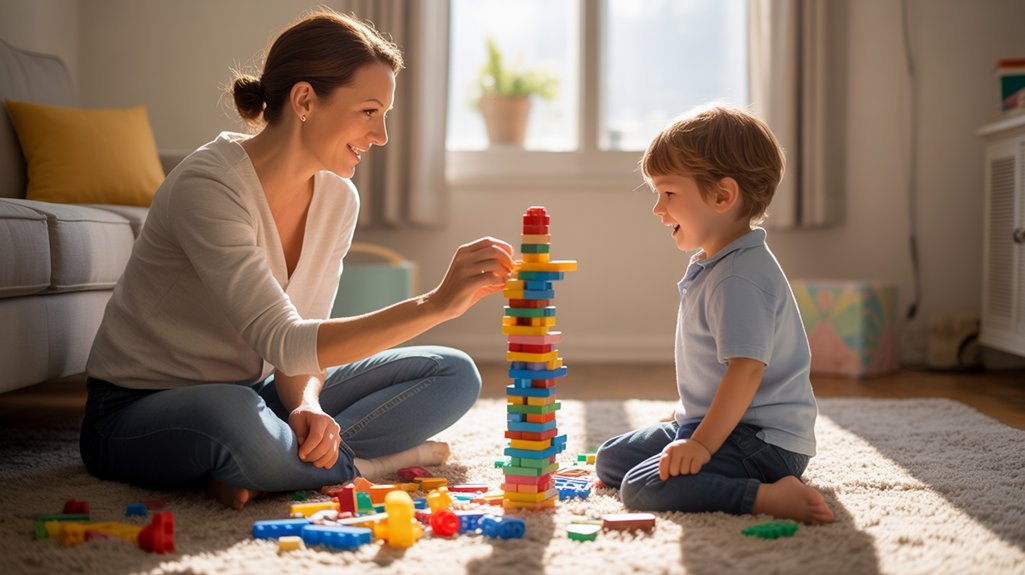
Trust develops through consistent, patient interactions where children learn that honesty brings connection rather than rejection.
When you create a safe environment where your child can express themselves freely, you're establishing the foundation for truthfulness. Children may lie when they fear punishment, so remain calm when addressing dishonesty—your reaction shapes their future willingness to tell you the truth.
Model honesty by admitting your own mistakes, showing that everyone errs and truthfulness matters more than perfection.
Engage in open dialogue about feelings and behaviors, making it clear you value their perspective. Consistently reinforce expectations about honesty within your family structure, helping children understand why truthfulness strengthens relationships.
Build their self-esteem through unconditional love and support.
When children feel secure and valued, their need to lie diminishes. This patient, ongoing process creates lasting trust where honest communication becomes natural rather than forced.
Frequently Asked Questions
Should I Punish My Child Every Time They Tell a Lie?
No, you shouldn't automatically punish every lie. Punishment effectiveness decreases when overused, and it doesn't teach honesty.
Instead, focus on age appropriateness—younger children often blur fantasy and reality. Use natural consequences when possible, helping your child understand how dishonesty affects relationships.
You'll be more effective by calmly discussing why truth matters and problem-solving together. This approach builds trust and teaches the values you're hoping to instill in your child's character development.
How Can I Tell if My Child Is Lying or Confused?
Look for behavioral indicators like inconsistent details, emotional distress, or genuine uncertainty in their storytelling.
Consider age benchmarks—younger children often confuse fantasy with reality.
Use communication strategies that create safety: ask open-ended questions without accusation.
Your parental influence matters tremendously here. Rather than immediately assuming deception, approach with curiosity: “Help me understand what happened.”
This distinguishes intentional lying from developmental confusion, allowing you to respond appropriately and nurture honesty.
Do Children Who Lie Frequently Become Dishonest Adults?
Not necessarily.
Developmental psychology shows that childhood honesty patterns don't predict adult character. Most children lie experimentally while developing moral reasoning skills.
What matters most is your parental influence—how you respond shapes their values more than the lying itself. When you create safe spaces for truth-telling and model integrity, you're nurturing honesty.
Research confirms that children who receive compassionate guidance about truthfulness typically develop strong ethical foundations, regardless of early lying frequency.
Can Therapy Help Children Who Lie Excessively?
Yes, therapy can effectively help children who lie excessively.
You'll find that behavioral therapy techniques address underlying causes like anxiety or attention-seeking. Through therapy, your child develops emotional regulation skills and healthy coping strategies to replace dishonest behaviors.
A developmentally-focused therapist helps you understand what's driving the lying while teaching your child age-appropriate ways to express needs truthfully.
Early intervention creates lasting positive changes in communication patterns.
How Do Cultural Differences Affect Children's Lying Behaviors?
Cultural norms greatly shape your child's lying behaviors. In collectivist cultures, you'll notice children lie more to maintain group harmony, while individualistic societies see lies protecting personal autonomy.
Your parenting styles—whether authoritarian or permissive—directly influence honesty patterns. Different moral education approaches teach children when “white lies” are acceptable.
Social expectations around politeness versus directness also affect truthfulness. Understanding these cultural contexts helps you respond empathetically rather than punitively to your child's lying behaviors.
Conclusion
You've now got the roadmap to navigate your child's lying behaviors with confidence and compassion. Remember, honesty isn't built in a day—it's nurtured through consistent, age-appropriate responses that prioritize understanding over punishment. When you approach each lie as a teaching moment rather than a character flaw, you're helping your child develop the moral reasoning they'll carry into adulthood. Trust the process, stay patient, and watch as truthfulness gradually becomes their default choice.
Related Articles
- The Ultimate Guide to Sibling Conflict
- The Ultimate Guide to Family Meal Planning
- The Ultimate Guide to Kids Educational Games
- 20 Fun DIY Crafts to Strengthen Family Bonds
- The Ultimate Guide to Bedtime Routine

Written by Sarah Mitchell, M.S., CFLE
Founder & Lead Editor
Sarah is a Certified Family Life Educator with a Master's degree in Human Development and Family Studies from the University of Missouri. With 15+ years of experience as a parent educator and mother of three, she brings both professional expertise and real-world parenting wisdom to every article.
Credentials: M.S. in Human Development and Family Studies, Certified Family Life Educator (CFLE)