

You know that chaotic moment when dinner turns into a flour fight, and the kids are more interested in making a mess than actually cooking? It happens. Last Saturday, we decided to whip up some tacos, and what started as a kitchen disaster turned into a fun lesson about Mexican culture. Cooking meals from different traditions isn’t just about the recipes—it’s a way to help kids understand and appreciate diversity. You’ll be surprised how much they learn just by mixing ingredients and sharing stories. Trust me, this hands-on approach makes a world of difference!

Key Takeaways
- Cook one new international dish each week to spark curiosity and deepen kids' understanding of different cultures through flavors and ingredients.
- Assign age-appropriate kitchen tasks, like measuring or mixing, to engage kids’ creativity and senses while exploring diverse food traditions.
- Share one interesting story about each dish's cultural origins to foster empathy and appreciation for different backgrounds during mealtime.
- Organize monthly family cooking challenges, rewarding creativity with fun prizes to build pride and positive associations with diverse cuisines.
- Use a checklist to ensure kitchen safety by monitoring allergies and supervising tasks, creating a comfortable environment for trying new foods.
Introduction
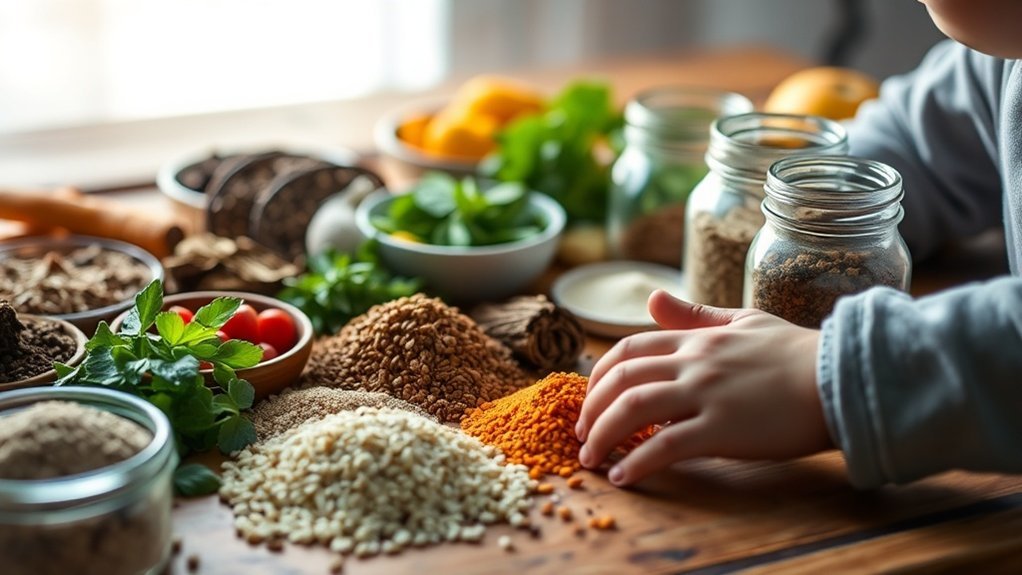
You know that moment when dinner's a total bust, and you're just trying to figure out what to make everyone happy? We've all been there, right? Well, what if I told you that food could be a fun and tasty way to help your kids explore different cultures? It’s a win-win. You get to avoid the stress of a complicated lesson, and they get to experience the joy of new flavors.
When we introduce our kiddos to various cuisines, it opens up a world of understanding. Think about it: tasting different dishes can spark their curiosity without the pressure of formal lessons. You don’t need to worry about rigid schedules or fancy ingredients; just grab what you have on hand and go from there.

We often involve our kids in cooking, and they love it! Whether it’s rolling sushi or mixing up a simple curry, they feel connected to the process.
Now, if your little one is under 4 years old, keep an eye on them in the kitchen. Sharp knives and hot pans can be tricky, and remember to avoid small, choking hazard foods—like whole grapes or popcorn. For older kids, give them some age-appropriate tasks like stirring or measuring. It’s always exciting to see their pride when they create something yummy!
Budget's a concern? No worries! You can explore world cuisines without breaking the bank. Look for recipes that use seasonal ingredients or what you already have at home. A simple taco night can transform into a culinary adventure with some fun toppings and a bit of creativity.
We once had a “taste test” night where we made tiny versions of different international dishes using whatever we'd on hand. It was chaotic, messy, and absolutely hilarious.
Rainy day? That’s when we whip out the cooking supplies and get creative. My 4-year-old once mixed a bunch of spices and declared it “the best thing ever,” even though it was just salt and pepper—hey, she was proud!
So, what’s the takeaway? Start small. Pick a dish from a different culture and involve your kids in the preparation. It doesn’t have to be perfect; it just needs to be fun. You’ll find that food becomes a bridge to understanding and celebrating our differences. Engaging in outdoor activities as families can also complement these culinary explorations, creating even more memorable experiences together.
Give it a shot tonight! Grab a simple recipe, and see how your family can make a meal from another culture together. You might just create a new tradition—messy kitchen and all!
Overview
Understanding how food connects us to different cultures sets the stage for an exciting exploration of culinary diversity.
What You Need to Know
Ever had one of those chaotic dinners where everyone’s either too busy or too picky to try something new? We've definitely been there. But introducing kids to cultural diversity through food? That’s a game changer. It opens up their taste buds and their minds. Just remember, safety first—always check for allergies and dietary restrictions before diving in.
Start by prepping in a clean space. We’ve found that involving the kids, even in small ways like washing veggies or setting the table, keeps them engaged. Plus, it makes for some pretty cute chaos! Just keep an eye on the little ones—sharp knives and boiling pots aren’t friends with curious hands.
And if you’ve got toddlers, be extra cautious with small foods that could be choking hazards.
Now, let’s talk budget. You don’t need to drop a ton of cash. Hit up your local farmers' market or a grocery store for seasonal produce. Fresh fruits or veggies from different cultures can be inexpensive and fun to explore.
In our house, we’ve learned to share simple stories about the food we’re making. It respects the dish’s culture and gets the kids curious. Have they asked why a certain dish is important? Great! Encourage those questions. It’s all about creating a comfortable space where they can explore without pressure.
And hey, some kids might be hesitant to try new foods. That’s totally fine. It happens. We’ve had meltdowns over the color of a vegetable! Just make sure to be patient; it might take a few tries for them to warm up to something new.
Feeling inspired? Grab a recipe—maybe something simple like quesadillas or sushi rolls (just avoid raw fish for little ones). Set a timer for about 30 minutes, gather your ingredients, and get cooking together.
What actually worked for us was making it a fun family challenge: “Who can roll the best sushi?” Spoiler: it was a mess, but they loved it.
Why People Are Talking About This
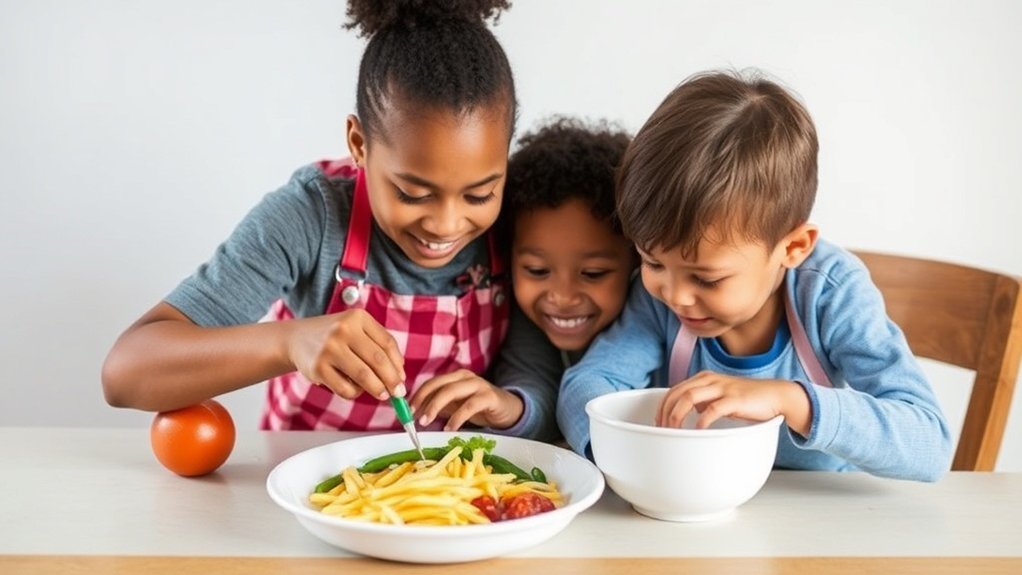
Ever had one of those chaotic dinner nights where you’re just trying to get everyone to eat something—anything? I get it. Between juggling homework, a toddler throwing a fit, and the oven beeping, it’s a miracle if anything makes it to the table.
But here’s a little secret: trying new cultural dishes with your kids can actually turn those hectic meals into meaningful moments.
We’ve found that food can be a gentle way to introduce kids to different cultures. It sparks conversations about traditions, histories, and values. And you know what? Kids are naturally curious. When we share meals from various cultures, it opens the door for discussions without feeling overwhelming. Plus, it’s a chance to teach empathy and respect—qualities we all want our kids to have.
Safety First: If you're cooking with younger kids, stick to age-appropriate tasks—think stirring or assembling ingredients. Supervise closely, especially with heat and sharp tools. And always check for allergens in new recipes!
Now, let’s keep it real. Not every dish will be a hit. My 4-year-old once tried a spicy curry and declared it “yucky”—cue the giggles, not the meltdown! That’s just part of the journey, right? If you hit a wall, it’s okay to pivot. Maybe try a taco night with a twist or a simple stir-fry instead.
And if you need a backup plan because it's pouring rain outside, have some easy snacks on hand that can double as a cultural experience, like rice cakes or pita bread with dips.
For budget-friendly options, look for recipes that use ingredients you already have. You don’t need to splurge on exotic spices to create a fun family meal. We often adapt recipes to what’s in season at the local market. It not only saves money but also teaches kids about seasonal eating.
Tip: Set aside about 30-45 minutes for cooking together. This way, you can squeeze it in before dinner or even make it a weekend project.
And here’s something else we learned the hard way: not every kid will be on board with every dish. It's totally normal! Focus on the experience, not just the end result. If a dish flops, that's a great opportunity to talk about trying new things and learning from it.
So, why not pick a cultural dish to try together this week? Maybe something simple like sushi rolls with veggies or a flavorful stir-fry. Get your kids involved in the prep—they'll love it.
And who knows, you might create a new family favorite while building those important conversations around the dinner table.
What’s on your menu this week?
History and Origins
As we explore how traditional dishes evolved from simple ingredients and basic cooking methods, it becomes clear that these changes were influenced by the movement of people and ideas.
This rich tapestry of cultural exchange not only shaped recipes but also enriched our understanding of how food brings us together across different times and places.
Early Developments
Ever had one of those chaotic dinner prep nights where you just want something easy and familiar? We’ve all been there, right? While we often think about cultural diversity in food as something trendy, it’s actually got roots that go way back. Early humans shared recipes and ingredients, learning from each other’s cooking methods.
When I introduce my kids to the idea of food sharing, it’s not just about trying something new; it’s about connection. In our house, we talk about how those early communities relied on each other for safe cooking techniques and local ingredients. This gives kids a sense of respect for different traditions while also emphasizing the importance of hygiene.
Here’s a quick win: you can turn a family dinner into a mini cultural exchange. Pick a country, find a simple recipe online (think budget-friendly, like rice and beans or a veggie stir-fry), and dive in together. Just remember, if your little one is under 4, keep an eye on them around hot stoves or sharp knives. Cooking can get messy (full disclosure—ours usually does!), but that’s part of the fun.
Have you ever had a recipe flop? We made a “traditional” dish once, and it turned into a total disaster. But you know what? We laughed it off and tried something else, which led to a great bonding moment.
How It Evolved Over Time
Ever had one of those days where you’re juggling dinner plans while trying to keep your little ones entertained? Yeah, we’ve been there too. Cooking can feel like a chaotic dance, but it can also be a beautiful way to explore different cultures together. Here’s a quick win: introducing a dish that blends flavors from around the world can spark curiosity and connection in your family.
As our kids grow, they’re naturally curious about where their food comes from. When we try recipes that mix elements from different cultures, we're not just cooking; we're sharing stories of connection and change. Think about it: every ingredient has a history. Maybe you’ve tried tacos with a twist—adding some Korean BBQ sauce for a fusion night. It’s not just about the taste; it shows kids how people adapt recipes while honoring their roots.
Just a heads up: if you’re cooking with younger kids, keep an eye on them around sharp tools and hot surfaces. I usually have my 5-year-old help with washing veggies or stirring (supervised, of course) to keep it safe and fun. And don’t stress if things get messy—this only works with kids 4 and up.
In our house, we’ve found that diving into global flavors can lead to some eye-opening conversations. “Why is this dish special?” or “How do people eat it in that country?” It opens up a world of learning. You might even find out your kid prefers curry over mac and cheese (but no promises!).
Sound like your Tuesday? If you’re looking for a budget-friendly option, try a themed dinner night. You can often pull together a meal with ingredients from your pantry or local market. Even a simple stir-fry can be transformed with different spices or sauces.
And if the weather’s nice, set up a picnic in the backyard.
What actually worked for us was picking one new recipe a week. We let the kids help choose it—great for building eagerness and making them feel involved. We even turned it into a family game to guess the origins of each dish. This way, we’re not just eating; we’re exploring together.
How It Actually Works
When you introduce kids to foods from different cultures, you’re tapping into a simple but powerful way to build understanding.
It all comes down to tasting, learning the stories behind the dishes, and sharing the experience together.
With that foundation in place, let's uncover how these culinary adventures can spark curiosity and foster deeper connections among children.
The Core Mechanism
Ever tried to get your kids excited about different cultures? It can feel like herding cats some days, right? But here’s a little secret: food can be your best ally. When we share meals from various cultures, it opens up a world of flavors and stories, all while keeping the chaos manageable. And let’s be honest, who doesn’t love a good snack?
In our house, we’ve found that tasting new foods really engages the senses. Think about it: the smell of unfamiliar spices, the crunch of new textures—it invites curiosity without pressure. And those moments? They help break down barriers. Kids start asking questions, connecting with the traditions behind each dish. It’s like a mini adventure right in your kitchen!
Safety first, though! If you're cooking with little ones, keep an eye on those sharp knives and hot stoves. I recommend involving kids ages 4 and up in simple tasks, but always supervise closely. And let’s not forget allergies—always check with your pediatrician about any food concerns.
Got a tight budget? Trust me, you don’t need to spend big bucks to explore different cuisines. Try simple recipes using pantry staples or local ingredients. A taco night with homemade salsas can be just as exciting as a fancy dinner out.
We've even turned it into a fun challenge: “What can we make with the stuff we already have?” It’s amazing what you can whip up!
And look, I get it—some days just go sideways. Maybe the kids refuse to try that new dish, or a recipe flops spectacularly. That’s okay! We'd a taco night that turned into a burrito disaster once. Sometimes, just ordering takeout and calling it a cultural experience is the way to go!
To make it seasonal, why not pick a dish that fits the current holiday or event? For example, during Diwali, we made simple sweet treats together. It took about an hour, and I'd my 5-year-old help with mixing. It was a bit messy, but honestly? That’s part of the fun.
What actually worked for us was turning cooking into a family tradition. Set aside one night a week where you explore a new culture through food. It doesn’t have to be perfect. Just keep it fun and light!
Key Components
Food can be a messy, magical way to connect kids to new cultures. We all know how chaotic it gets, right? One minute you're stirring spaghetti, and the next, you’re dodging a flying meatball. But here's the thing: food is a bridge to exploration, curiosity, and understanding. You can create a safe, inviting space where kids feel comfortable trying different cuisines.
We've found that introducing familiar ingredients alongside new ones really helps ease those little jitters. Maybe your kid loves carrots? Try adding some roasted sweet potatoes to the mix. It’s like a little culinary safety net. When they help out—whether it’s stirring, measuring, or just tasting—it's a game changer.
Safety first! Keep in mind the age of your little chefs. For younger ones, stick to no-choke foods and always supervise if they're using sharp tools or heat. Cooking can be fun, but it can also get chaotic.
Sharing stories behind dishes can spark their imagination, too. Why does that curry have a special meaning in its culture? What’s the history behind those dumplings? Just be ready for a million questions, and keep it light.
And hey, dietary restrictions? Totally get it. Always respect allergies and preferences—it's crucial for everyone’s safety. If you’re not sure, just ask. You know your kid best.
What about conversations around diversity and inclusion? Let’s face it—kids are naturally curious about differences. Use mealtime to chat about different cultures. It’s low-pressure and can lead to some pretty enlightening discussions.
Been there? I know how easy it's for dinner to turn into a meltdown when something goes sideways. So, if a recipe flops or your kid outright refuses to try something new, don’t sweat it. Just keep trying.
Here’s a quick win: Pick one night a week to explore a new cuisine. It doesn’t have to break the bank either. You can find budget-friendly recipes online or even try a themed potluck with friends or family.
What we learned the hard way: Not every kid is going to love everything. My youngest once turned his nose up at sushi, while my oldest devoured it. It’s all part of the journey.
Under the Hood
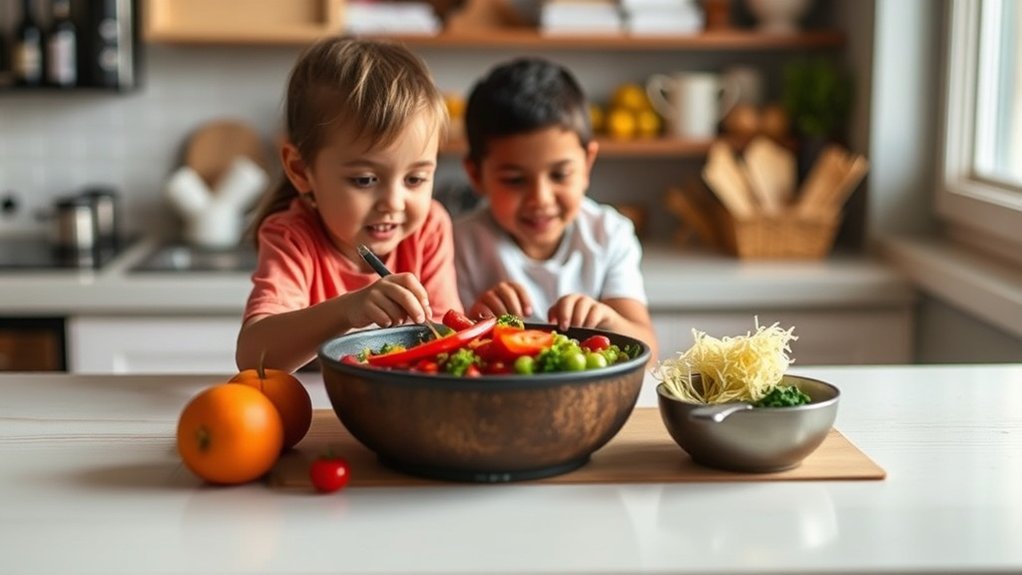
You know that beautiful chaos of family life? The loud laughter, the little messes, and the occasional meltdown? I bet you’ve been there.
We’ve found that getting kids involved in cooking can be one of those joyful moments that also opens up a world of new cultures. It’s not just about tasting different flavors; it’s about planting seeds of empathy and curiosity.
Picture this: you’re in the kitchen, and your little one is mixing spices for a dish from another country. You’re not just cooking; you’re sharing stories about what those ingredients mean to people around the world. It’s a chance to create a safe space where kids can ask questions and explore diversity.
And let’s be real—this can be messy. But that’s part of the fun, right? Just keep things age-appropriate and supervise closely, especially with sharp tools or heat.
Quick win: If your kid is under 4, stick to washing veggies or stirring with a spoon. For older kids, let them handle more complex tasks, but always keep an eye on them.
In our house, we’ve discovered that cooking together activates all the senses. Kids can see, smell, and taste, which makes cultural learning stick.
But don’t worry if things go sideways—like when my 4-year-old insisted on adding too much salt to the curry. It happens! We laughed it off and grabbed a frozen pizza.
Now, if you’re looking for budget-friendly ideas, you don’t need to spend a ton. Hit up your local grocery store for affordable ingredients or even explore your pantry. Seasonal ingredients can be a hit, too! Think about making pumpkin soup in the fall or a fresh fruit salad in summer.
What about that rainy Saturday? We tried making homemade sushi rolls. Full disclosure: it was messy, but so much fun! We used cucumbers, carrots, and some rice.
Just make sure to supervise closely with the sushi mat and any sharp knives.
Remember, not every kid will dive into cultural cooking. Some might be picky eaters or just not into it. That’s okay! Find what works for your crew.
Applications and Use Cases
You know those chaotic family dinners where the kids are bouncing off the walls? We've all been there. But what if you could turn that energy into something meaningful? Introducing dishes from different cultures can be a game-changer. It’s not just about food; it’s a chance to have real conversations about diversity and inclusion.
Think of it as a hands-on way to teach respect and empathy—without the pressure of a lecture. It's about making space for kids to explore new cultures, whether it's at home, in the classroom, or during community events.
Here’s a quick win: Try cooking an international recipe with your child. We’ve found that getting them involved in the kitchen not only sparks curiosity but also builds confidence. Just keep it simple! Start with something like tacos or sushi rolls—easy, fun, and adaptable.
| Setting | Activity | Learning Outcome |
|---|---|---|
| Classroom | Cooking international recipes (30-45 mins) | Understanding cultural roots |
| Family Dinner | Sharing traditional dishes (30 mins prep) | Building family connection |
| Community Event | Food tastings from diverse regions (1-2 hours) | Encouraging open-mindedness |
| After-School | Cultural food story sessions (30 mins) | Enhancing listening skills |
| Festivals | Participating in food fairs (1-2 hours) | Celebrating diversity safely |
Just a heads-up: Cooking can be messy, and with little ones, supervision is key! Keep them away from sharp knives and hot stoves. And if you’re worried about allergens, be sure to check labels and have alternatives ready.
Now, how about a low-cost option? You don’t need fancy ingredients to make this work. Hit up your local grocery store or farmer’s market for fresh produce on a budget. Sometimes, even just sharing a favorite recipe from a friend or relative can open doors to rich discussions.
Been there? We had a taco night that turned into a mini-meltdown over who got to pick the toppings. It happens! Just roll with it and keep things light. Kids can be unpredictable, and not every meal will go as planned.
What actually worked for us was creating a “food passport” where each dish we tried came with a little story about its culture. It was a great way to get the kids talking and asking questions. Incorporating family bonding activities can make these culinary experiences even more impactful.
Advantages and Limitations
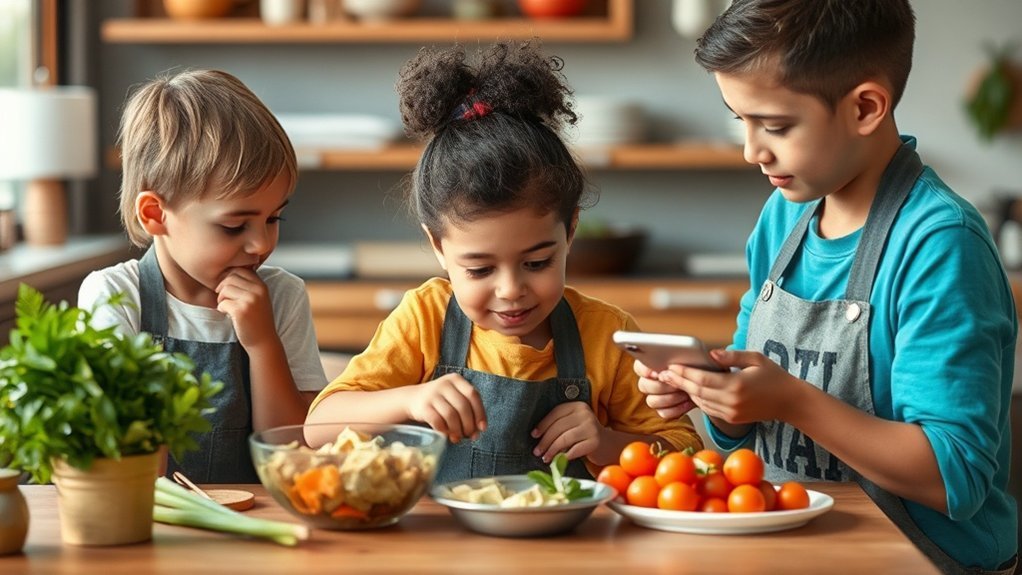
You know those days when you’re just trying to keep it together, and suddenly you find yourself in a kitchen adventure? Introducing cultural dishes to your kids can be a fun way to spark curiosity and get them thinking about the world beyond their backyard. But let’s be real — it comes with its own set of ups and downs. We've found that food can connect our little ones to different traditions in a safe way, but some cultural nuances can be tricky. You don’t want a misunderstanding to turn into a meltdown, right? Engaging in family outdoor activities can also enhance the overall experience of exploring new cultures through food.
Advantages and Limitations of Cooking with Kids
| Advantages | Limitations | Safety Tips |
|---|---|---|
| Encourages open-mindedness | Some ingredients can be unfamiliar | Introduce new foods gradually |
| Builds respect for cultures | Allergies or dietary restrictions | Always check for allergies first |
| Enhances sensory experiences | Requires adult supervision | Keep a watchful eye in the kitchen |
Quick Win: If you can, make a dish from a different culture this week. It’s a great way to start conversations about diversity.
Advantages
Let’s talk about the good stuff first. Cooking together can really encourage open-mindedness. When my kids helped make sushi last summer, they were so curious about the rolling process. They even asked questions about where sushi comes from! It's those little moments that can spark big conversations.
Been there? Cooking can build respect for other cultures too. It’s not just about the food; it's about understanding the stories behind it.
Limitations
Now, let’s chat about the challenges. You might run into unfamiliar ingredients that your kids are hesitant to try. My youngest once took one look at a seaweed sheet and declared, “No way!” But after he tasted it, he asked for seconds.
And then there are allergies. This is a biggie. Before you dive into something new, always check for allergies. We once had a minor freakout when we forgot to check for nuts in a dessert recipe!
Safety First
Safety can’t be an afterthought. Make sure you're supervising food prep, especially if you’re using heat or sharp tools. For younger kids, stick to age-appropriate tasks like washing veggies or measuring ingredients. That way, they still feel involved without the risk.
What actually worked for us: When my kids were 5 and 7, we started with simple no-bake recipes. It kept things fun and safe. We even made a “rainy day snack” plan for when the weather kept us indoors.
Real Talk
It’s not always a perfect process. Sometimes the dish turns out… well, let’s say “interesting.” That’s okay! Embrace the chaos. If you’re in the thick of it, remember: lower the bar! Not every meal needs to be a Michelin-star event.
Tip: If the kids lose interest or if things go sideways, pivot! Have a backup plan, like a favorite simple dish or snack.
Seasonal Considerations
With school schedules in full swing, it’s a great time to incorporate seasonal produce into your cooking. Apples, pumpkins, and squash are all over the place right now! They’re budget-friendly and can be turned into fun dishes.
So, here’s your action item: Choose a cultural dish this week and involve your kids in the process. Maybe even pick a recipe that uses seasonal ingredients to keep it fresh.
The Future
As we consider the innovative ways in which food can serve as a bridge to cultural understanding, it’s fascinating to see how emerging technologies are transforming these experiences.
Emerging Trends
You know those chaotic evenings when dinner feels like a battleground? We’ve been there. It’s tough to get kids excited about food, let alone the diverse flavors of the world. But here’s a little secret: teaching them about cultural diversity through food can actually be fun and totally doable.
Imagine this: virtual cooking classes where your kids can whip up authentic recipes from different countries, all from the safety of your kitchen. We tried one on a rainy Saturday, and my 7-year-old was thrilled to make homemade pasta while learning about Italy. Just a heads up—keep an eye on little ones when using the stove or sharp tools. For younger kids, stick to age-appropriate tasks, like mixing or measuring. And if you’re worried about allergies, always double-check those ingredients first.
Augmented reality apps are another game-changer. They can show kids the origins of ingredients and the cultural stories behind dishes. We’ve found that this kind of tech can transform a simple snack into an adventure. Just remember to follow AAP guidelines for screen time—no more than an hour for kids ages 2 to 5, and a bit more for older kids, but always keep it educational and interactive.
If you’re looking for something hands-on, kid-friendly cultural food kits are popping up everywhere. These usually come with all the safe-to-use ingredients and clear instructions. We’ve tried a few, and while they can be a bit pricey, there are plenty of budget-friendly options too. You can even DIY your own kits using recipes you find online, which can be just as engaging and way cheaper.
Now, let’s talk about the reality of parenting: sometimes, things go sideways. Like that time we tried making sushi and ended up with a rice explosion all over the counter. It happens! Have a backup plan ready, like a simple stir-fry or a favorite sandwich, just in case.
Also, keep the seasons in mind. Fall’s a great time for hearty dishes, and around the holidays, you can explore traditional recipes from different cultures that celebrate this time of year. You might be surprised at how much kids enjoy learning about other customs while they cook.
So, what’s the takeaway? Start small. Pick a recipe that fits into your schedule—maybe something that takes about 30 minutes. Involve your kids in the prep, and let them ask questions. You’ll not only introduce them to new flavors but also nurture their curiosity and respect for other cultures.
Remember, it doesn’t have to be perfect. What matters is making memories together.
Give it a try this week! Pick a recipe, gather your ingredients, and dive into a culinary adventure. You might just find that cooking together becomes a highlight of your week.
What Experts Predict
You know those days when you’re trying to get dinner on the table, and your little one asks about where their food comes from? It can feel overwhelming, right? But here’s a thought: teaching kids about cultural diversity through food doesn’t have to be a chore. In fact, it can be a fun family adventure, especially with a little help from technology.
We’ve found that interactive apps and virtual cooking classes can be absolute lifesavers. They can safely connect your kids with global cuisines without leaving home—and you don’t have to break the bank! There are plenty of free or low-cost options out there. Just make sure to supervise closely, especially with younger kids (think ages 4 and up) who might be curious about sharp tools or hot stoves. Trust me, it’s easy to get distracted, and that’s when accidents happen.
What’s great is these tools provide guided experiences. You can explore different cultures together, share recipes, and even learn about food traditions. We tried a virtual cooking class on a rainy Saturday, and it turned into a bonding moment we’ll always remember. Plus, it kept everyone engaged and off screens for a bit!
Here’s a tip: when you’re navigating these activities, always check ingredients for allergens. It’s crucial, especially with kids who might've food sensitivities. And if a recipe doesn’t go as planned (which, let’s be honest, happens more often than not), don’t sweat it! A quick backup plan, like grabbing a ready-made meal from the freezer, can save the day.
Now, let’s talk about the importance of family collaboration. Schools are starting to share resources with families, using tech to exchange stories and recipes in safe ways. This can be a great opportunity to teach kids respect and understanding for other cultures while enjoying some good food together.
Got a few minutes this week? Pick a country and find a simple recipe to try together. You might be surprised at how much fun it can be. Just remember, it’s all about the experience, not perfection. What’s been your best family cooking moment?
In our house, we learned the hard way that not every kid will vibe with every dish. My 4-year-old's honest review of “green pasta” was a solid “yuck.” But that’s okay! It opened up a conversation about tastes and preferences. The goal here isn’t to force it but to spark curiosity and appreciation for the world around us.
Frequently Asked Questions
What Age Is Best to Start Teaching Kids About Cultural Foods?
Q: When can I start teaching my kids about cultural foods?
You can start introducing cultural foods around ages 2 to 3. At this age, they’re curious and ready to try new flavors.
Offer small portions of safe, familiar textures while keeping an eye on them to avoid choking hazards. Use what you already have in your pantry to keep it budget-friendly!
Q: How do I make cultural food experiences safe for my kids?
From about age 3, with supervision, you can explore new foods together.
Always check for allergens and be cautious with small parts that could pose choking hazards. Start by preparing soft foods, and if you're on a budget, try recipes that use inexpensive ingredients like rice or beans.
Q: What’s a good way to introduce a variety of cultural foods?
You can start around age 2-3, using simple, colorful dishes to spark interest.
Get them involved by letting them help with age-appropriate tasks, like mixing or plating. If you're short on cash, check out local community events or cultural festivals that often offer free food tastings.
How Can I Handle Picky Eaters During Cultural Food Lessons?
Q: How can I help my picky eater try new foods during cultural lessons?
Start by offering small, familiar portions with new dishes. Let them explore at their own pace, and involve them in cooking to build excitement.
For kids 3 and up, always supervise when using utensils. If you're on a budget, use ingredients you already have instead of buying new ones.
Q: What if my child refuses to try the new foods?
It's normal for kids to be hesitant. Encourage curiosity without pressure; just let them sniff or touch the food first.
For kids 3+, always watch for choking hazards with small pieces. You could even turn it into a game to make it more fun, and remember, you don’t need fancy ingredients—simple ones work too!
Q: How can I make cultural food lessons affordable?
You can budget about $15-20 for supplies, but many recipes can be made with pantry staples.
For kids 4 and up, always check for allergens in new foods. Try visiting a local market for affordable ingredients, or even choose a simple dish that uses what you already have at home.
Q: At what age can my child help in the kitchen?
Kids can start helping in the kitchen around age 3 with supervision.
Keep an eye on them, especially with sharp tools or hot surfaces. For budget-friendly activities, let them stir or mix ingredients while you handle the more complicated tasks. It’s a great way to bond without breaking the bank.
Are There Allergy-Friendly Cultural Recipes for Children?
Q: Can I find allergy-friendly cultural recipes for my child?
Absolutely! You can swap out common allergens with safe alternatives. For example, use sunflower seeds instead of peanuts or gluten-free flours in traditional dishes.
Involve your kids in picking these substitutes to make it fun. Just make sure to check ingredient labels carefully for any hidden allergens.
Q: What age can my child help with cooking?
Kids can start helping in the kitchen around age 3, but always keep an eye on them. Simple tasks like mixing or pouring are great for little hands.
Just be cautious with small parts and sharp utensils. You can keep costs down by using pantry staples for your recipes instead of buying specialty items.
Q: How do I make sure the recipes are safe for my allergic child?
Always read ingredient labels and double-check for allergens. Involve your child in the process to help them learn about safe foods.
If you're on a tight budget, focus on simple recipes using ingredients you already have, rather than expensive specialty products.
How Do I Involve Reluctant Family Members in Cultural Food Activities?
Q: How can I get my reluctant family members to join in cooking cultural foods?
Start by involving them in simple tasks when they're around 3 years old, but always supervise closely. You could have them chop soft veggies or sprinkle spices—just keep an eye out for choking hazards.
If you’re on a budget, try using ingredients you already have instead of buying new ones.
Q: What if they don’t want to try new foods?
Try sharing fun stories about the dishes while cooking. This can pique their interest and make them more willing to taste.
Keep the vibe relaxed, so there’s no pressure. If they still resist, don’t worry—just focus on the cooking part first, and let them warm up at their own pace.
Q: How can I make the cooking activity budget-friendly?
You can budget about $15-20 for supplies, but using what’s already in your pantry is a great low-cost option.
Look for recipes that use common ingredients or leftovers. This way, you can still create cultural dishes without breaking the bank, and everyone can join in the fun.
What Resources Exist for Sourcing Authentic Cultural Ingredients Locally?
Q: Where can I find authentic cultural ingredients locally?
You'll find authentic cultural ingredients at specialty ethnic grocery stores, farmers’ markets, and international food co-ops.
If you’re looking for options, check online directories or community apps for trusted spots near you.
For budget-friendly alternatives, consider visiting local cultural festivals or community centers where vendors sell genuine products, often at lower prices.
Always ask store staff about sourcing to ensure safety, especially if your kids have allergies.
Conclusion
Let’s get cooking! Today, grab a mixing bowl and invite your kids to help whip up a simple stir-fry. It’ll take about 20 minutes, and little ones as young as 5 can help wash vegetables and toss in the ingredients. You’ll be amazed at how much they’ll learn about different cultures just from trying out new flavors.
Remember, good enough counts—don’t stress about perfection. They won’t remember the mess, just the fun you had together. So stir those pots, share the stories behind the dishes, and watch their curiosity grow. You’ve got this!