

You’re in the middle of a chaotic dinner, someone’s crying over broccoli, and another just tried to launch a spoon across the table. It happens. But what if you could turn those wild moments into a family podcast that captures your crew's unique stories and laughter? We tried this on a rainy Saturday, and let me tell you, the kids loved being part of the fun. You don’t need fancy equipment or a master’s in media—just a willingness to share your family’s adventures. Here’s how to get started and make those memories last.

Key Takeaways
- Set up a dedicated recording space with soundproofing materials to minimize distractions — a cozy environment enhances focus and encourages open dialogue.
- Plan episodes together for at least 30 minutes each week, assigning roles like host, editor, and researcher — shared responsibilities boost engagement and ownership.
- Invest in two USB microphones under $100 for clearer audio quality — good sound makes your podcast more enjoyable and professional.
- Keep episodes to 15-20 minutes to hold listeners' attention — concise content keeps family members engaged and caters to busy schedules.
- Embrace spontaneity during recordings, allowing natural conversations to flow — this fosters authenticity and strengthens family bonds through shared experiences.
Introduction

Before you dive into recording a family podcast, let’s chat about what that really means. It’s not just about hitting record; it’s about creating a cozy space where everyone feels free to share their thoughts and stories.
Think about it—ever had a family dinner where one kid just wouldn’t open up? Yeah, we’ve been there.

Setting clear boundaries is key. It helps everyone know what topics are on the table and what might be off-limits.
And let’s not forget about privacy. You’ll want to think about how much personal info you’re comfortable sharing. Trust me, it’s worth it to talk this through ahead of time. Nobody wants to deal with surprise meltdowns later because someone felt exposed.
Safety isn’t just about the tech you use. It’s also about emotional well-being. We’ve had moments where a little one felt overwhelmed by the microphone.
Establishing trust and keeping communication open is a game changer. It encourages everyone to jump in and enjoy the process together.
So, what’s your game plan? Maybe set aside a weekend afternoon to chat about what everyone wants to share. This can take about 30 minutes, and it’s a great way to get the ball rolling.
Trust me, having a plan makes everything smoother.
And hey, if things go sideways—like a kid suddenly deciding they don’t want to record—don’t stress it. It happens. Just take a break and revisit it later. You’re doing fine, and it’s all part of the chaos we call family life.
Incorporating family bonding activities can also enhance your podcasting experience, creating deeper connections through shared experiences.
Overview
With those insights in hand, you're ready to embark on the exciting journey of creating your family podcast.
But what exactly do you need to ensure your stories resonate?
Let’s explore the essential tools and strategies that will set the stage for your recording adventure.
What You Need to Know
Starting a family podcast? Trust me, I get it — the chaos, the joy, and all the moments in between. It can feel overwhelming, but here’s the good news: you can totally do this together (and have fun while you're at it).
First things first: find a cozy spot in your home where you can record without too much background noise. Maybe it’s the living room after the kids go to bed or a quiet corner of the playroom. Just make sure everyone feels comfortable and safe. We’ve found that a familiar space helps everyone relax and be themselves.
Planning episodes together is a game changer. Set clear roles — maybe one person is the host, another handles tech, and someone else chooses topics. This way, everyone knows what’s expected, and it keeps things respectful. Got a 7-year-old? They might surprise you with their ideas!
When it comes to equipment, you don’t need to break the bank. Look for budget-friendly options like a decent USB microphone or even smartphone apps for recording. Just remember, the goal is good sound quality without a hefty price tag.
And, hey, if it’s a bit rough around the edges at first? That’s okay. You’re not aiming for perfection; you’re aiming for connection.
Protecting your family’s privacy is crucial. Be mindful of what personal info you share. Set some ground rules — for example, no full names or school details. This keeps your family safe and your listeners engaged.
As you dive into content creation, keep it appropriate for all ages. Not every topic fits every listener, so think about what’s inclusive and relatable. You might even want to ask your kids what they think!
Editing can feel daunting, but you don’t need to be a pro. Start with simple editing tools that are easy to navigate. We learned the hard way that over-editing can strip away the authentic feel, so keep it natural.
And let’s not forget those family moments that can go sideways — like when your toddler decides to join the recording with a loud toy or when someone has a meltdown mid-episode. Roll with it! Those moments are part of your family’s story and bring a realness that listeners love.
Why People Are Talking About This
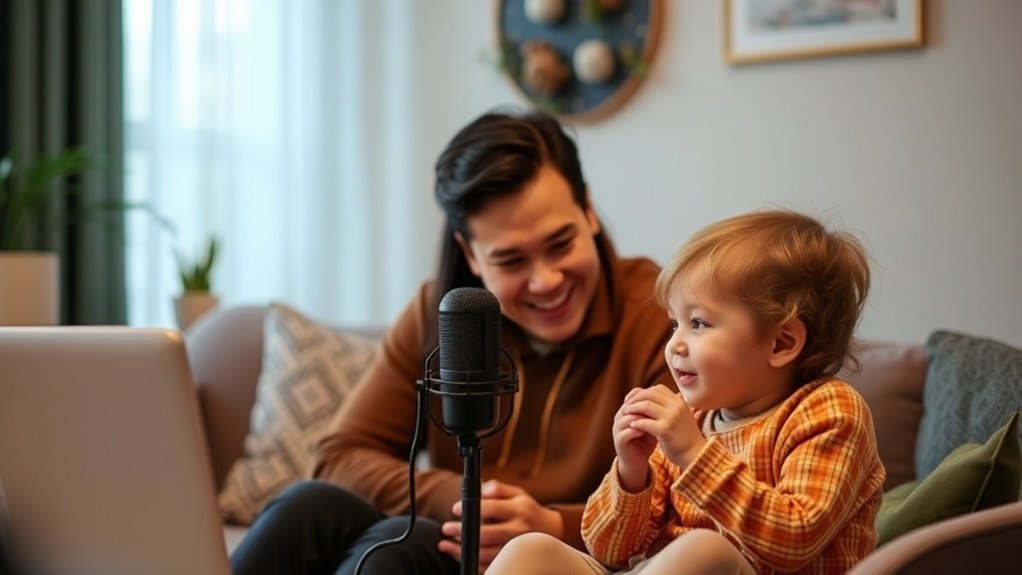
Why are family podcasts popping up everywhere lately? Maybe you’ve noticed families sharing their stories and laughs, creating a cozy little corner of the internet. It’s like sitting around the dinner table, where everyone gets to chime in. We’ve found that these genuine, unfiltered conversations can help build trust and connection—something we all need, especially when life feels chaotic.
In our house, we love using this format to hold onto memories and share values without the pressure of outside opinions. It’s a way to stay connected, even when the whirlwind of life pulls us in different directions. Plus, with podcasting, you can control what you share—no need to worry about oversharing.
But let’s be real: not every family is the same, and that’s perfectly okay. Whether you’re a single parent, a blended family, or grandparents raising kids, there’s a place for you in this trend.
If you’re curious about diving into family podcasts, here’s a quick win: pick a topic you all love and start recording! It doesn’t have to be perfect. You could even try it during a weekend when everyone’s around. Just keep it light and fun.
But what happens when things go sideways? Maybe there’s a meltdown mid-recording, or someone just won’t stop giggling. That’s okay—it happens! Embrace those moments. They often turn into the funniest stories, and you’ll look back on them fondly.
Thinking about trying this out? Here’s a tip: keep episodes short, especially for younger kids—15 to 20 minutes is a sweet spot for their attention spans. If your kids are under 4, keep the topics simple and engaging, like favorite toys or funny pet stories.
And remember, it’s all about connecting. You can do this, and you’ll find your own unique rhythm. The chaos is part of the charm, right?
History and Origins
To truly appreciate the evolution of family podcasts, it helps to reflect on their humble beginnings. Initially, individuals relied on basic tools to weave stories and maintain connections with their loved ones.
Fast forward to today, and you’ll find a vibrant array of creative shows, each reflecting the diverse experiences that have shaped this medium.
What led to this transformation?
Early Developments
You know that feeling when you stumble upon an old family photo and it brings back a flood of memories? That’s kind of how podcasting started—back in the early 2000s, folks began sharing their stories and ideas online. It wasn’t all polished and perfect, just real people, often in their living rooms, using a simple microphone and free editing software.
We’ve all been there—feeling overwhelmed by the thought of starting something new. But here’s the thing: you don’t need fancy equipment or a studio to create your own family podcast. Just like those early podcasters, you can carve out a space where your family’s voice shines. You get to share stories that matter, whether it’s about the chaos of family dinners or the little wins that often go unnoticed.
Ever tried to explain something to your kids only to realize they didn’t get it? Sound familiar? That's what early podcasters tackled too—creating safe, accessible spaces for listeners to connect without judgment. They valued authenticity and trust. So, when you think about starting your own podcast, remember that it’s all about comfort and connection.
Quick Tip:
Start with what you’ve got. Your phone’s voice memo app can do wonders. Record a family chat during a car ride—who knows what gems might come out?
Now, let’s talk safety. If your kids are involved, keep them engaged but also set some ground rules. The American Academy of Pediatrics suggests limiting screen time for kids under 2, so if they’re participating, make it short and sweet. Think of it like a quick family meeting—maybe 10-15 minutes max.
Real Life Moment:
We tried recording a fun family story on a rainy Saturday—let’s just say it didn’t go as planned. My 4-year-old got distracted halfway through and started singing a random song.
But you know what? That made it even more special. It wasn’t just about the story; it was about being together and laughing. Sometimes, the chaos can lead to the best moments.
Budget-Friendly Options:
If you’re worried about costs, don’t be! There are tons of free resources out there. Websites like Anchor let you record and edit your podcast without spending a dime.
And for family activities, think about using what you already have at home. A cozy corner can become your recording studio with just a few pillows and a blanket!
So, ready to give it a shot? Grab your phone, gather the family, and just start talking. What’s one story you’ve been meaning to share? Remember, it’s all about connection, chaos, and, most importantly, having fun.
What we learned the hard way? Don’t stress the little things. Embrace the messiness—it's part of the journey!
How It Evolved Over Time
As a parent, you know those chaotic moments when everyone’s trying to talk at once? Picture this: a rainy Saturday, and we decided to start a family podcast. What a ride! It turned into a fun way for us to share stories and keep connected, even when life feels like a whirlwind.
Podcasting really took off for families, and it’s easy to see why. We’ve found it’s a great outlet for everyone—kids, grandparents, you name it. It’s not about perfection; it’s about real life. With some affordable recording tools (you can even use your smartphone), you can dive in without breaking the bank. Remember, you don’t need fancy equipment to capture those heartfelt moments.
When we started, everyone had a turn to share their thoughts. It was more than just a project; it became a safe space to talk. We discussed values, shared memories, and even tackled tough subjects—all while making sure everyone felt comfortable. Here’s a tip: set some simple guidelines to keep things respectful. It goes a long way!
Now, safety first—especially if you’re involving younger kids. Stick to age-appropriate topics, and keep an eye on their comfort levels. For little ones, like my 4-year-old, keep it light and fun. Podcasts can be a great way to learn about storytelling, but remember the AAP suggests limiting screen time for kids aged 2-5 to one hour a day.
So, what do you do when things go sideways? Trust me, it happens. We once had a full-on meltdown when the recording didn’t go as planned. Here’s what worked for us: take a break, grab a snack, and come back to it later.
If you’re looking for budget-friendly options, start by recording on your phone or laptop. There are free apps for editing too. And if you’re feeling adventurous, try making it a family activity during school breaks or even on weekends.
What’s great about family podcasts is that they can reflect your unique story. No two families are the same, and that’s a beautiful thing. So, whether you’re a single parent, part of a blended family, or anything in between, you can make it work.
Here’s a little challenge for you—this week, gather your crew and record a short episode. Maybe start with everyone sharing their favorite family memory. You might be surprised at the stories that come out.
What we learned the hard way? Sometimes, the best moments come from the messiest situations. So, embrace the chaos, and enjoy the journey!
How It Actually Works
To get your family podcast up and running, you’ll need to understand the core mechanism behind recording and sharing episodes.
You’ll work with key components like microphones, editing software, and hosting platforms that bring your conversations to listeners.
With that foundation laid, let’s explore how these tools come together to create a seamless podcasting experience.
The Core Mechanism
You know that feeling when you're sitting around the dinner table, and chaos reigns? Kids are talking over each other, laughter bursts out, and somehow, amidst the noise, you all connect? That’s the magic of authentic conversation. It’s the heart of our family podcast. When everyone feels free to share, it creates this cozy space where each voice matters. Trust me, that’s what makes your podcast relatable and inviting.
You don’t need expensive gear or a fancy script—just real talk and listening. We’ve found that keeping it natural helps everyone join in at their own pace. Maybe your teenager isn't ready to share their latest crush, and that's okay! Let them ease into it. We all have our moments, right?
A quick tip: consider your topics. Think about what’s happening in your lives right now. School projects, holiday prep, or even just that rainy Saturday when nothing went as planned—those are the stories that resonate. And don’t worry if it gets a bit messy; that’s part of the charm.
By sticking to this core of authentic conversation, you’re not just connecting with your family but also with listeners who might be in the trenches too. Remember, every family looks different, and that’s what makes us unique. You’re doing fine, even if today’s episode turns into a giggle fest or a heartfelt moment that tugs at the heartstrings.
Now, let’s get real for a second. Safety’s key. If you're chatting about food or activities, make sure to flag any choking hazards or age-appropriate risks. For example, if you're diving into a new recipe, keep an eye on those sharp tools or potential allergens.
And don’t forget—some kids thrive on routine, while others might need a more flexible approach. Budget matters too. Not every family can splurge on a fancy recording studio. So, look for low-cost options. You can use your smartphone for recording, and there are free editing apps that can make your podcast shine without breaking the bank.
Here's a little peek into our world: we once tried recording on a snowy day. The kids were bouncing off the walls, and we ended up with a lot of giggles—and a few unexpected interruptions. But you know what? It turned into one of our best episodes!
So, what can you do today? How about setting aside some time for a family chat? Pick a theme—maybe a favorite memory from last summer or what each person is looking forward to this holiday season. You’ll be surprised at the stories that emerge.
Oh, and remember, it’s okay if things go sideways. That’s life! Embrace the chaos. When you share your real moments, you’re creating a podcast that’s not just about you, but about every family navigating this wild ride together.
Key Components
Every family podcast has its ups and downs, right? Between school pick-ups, meal prep, and the occasional meltdown, finding time to sit down and record can feel like a Herculean task. But trust me, when you create a space where everyone feels comfortable, the magic happens. Here’s what’s worked for us in our chaotic household.
Open Communication: We’ve found that fostering honest and respectful dialogue among family members is key. Kids have thoughts, feelings, and ideas just waiting to be shared. When everyone knows they’ll be heard, they’re more likely to jump in. Sound familiar? It’s like those moments when your toddler drops a truth bomb at dinner—gold!
Defined Roles: Assigning roles like host, editor, and researcher can take a lot of the stress off your shoulders. It keeps things organized and makes everyone feel involved. My kids love being the “sound effects team” or “fact checkers.” It’s a win-win!
Reliable Schedule: Establishing a regular recording routine helps keep the family committed. We aim for every other Saturday morning, but let’s be real—it doesn’t always happen. When it doesn’t, we adapt. We’ve learned to roll with the punches—sometimes, life just gets in the way.
Here’s a tip: Start small. Maybe a 20-minute episode every couple of weeks. That way, if things go sideways (like when our dog decided to join our last recording), you won’t feel overwhelmed.
Safety First: If you’re including younger kiddos, remember to supervise closely. For any activities, make sure they’re age-appropriate—stick to things for kids 4+ to avoid potential choking hazards (think small items, sharp tools, or heat sources).
And if you’re using tech, check out the AAP guidelines for screen time limits.
Budget matters, too. Not every family has a hefty budget for fancy equipment or editing software. You can start with your smartphone and some free editing apps. Seriously, it’s that easy!
Been there? When we started, we didn’t have much, but we made it work. And let me tell you, those improvised sound effects? Priceless.
Now, I’d love to hear from you. What’s your biggest struggle when it comes to family time? Let’s find some solutions together!
As you think about starting or revamping your podcast, remember this: it’s about connection, not perfection. Aim for joy, laughter, and a little chaos. That’s what makes it real. So grab that mic and start recording today—your family's stories deserve to be shared!
Under the Hood
You know that feeling when you’re knee-deep in family chaos, and everything seems to be going sideways? Yeah, I’ve been there. But let me tell you, starting a family podcast doesn’t have to add to the chaos. It’s all about the connections behind the scenes, not just the shiny gear.
Here’s the scoop: your recording setup, editing software, and hosting platform need to work together like a well-oiled machine. It’s not about having the latest mic or the fanciest software; it’s about making sure everything plays nice together. Trust me, we’ve learned the hard way that using reliable software with good privacy controls is a must.
We’re talking about keeping your family’s content and data safe, especially when kids are involved.
So, what does this look like in practice? You’ll want to record your conversations, edit out those awkward pauses (we all have them), and upload your episodes to a hosting service. This is where the real magic happens — your podcast gets distributed to all the popular apps.
Just remember to pay attention to file formats and backup routines to avoid the dreaded data loss. Nothing like a tech hiccup to ruin your day, right?
Been there? I hear you.
Here’s a quick win: start with what you have. If you can’t swing a big budget for gear, don’t sweat it. Your smartphone can be a fantastic recording device, and there are plenty of free editing tools out there.
Now, let’s talk safety. If your little ones are involved, you’ll want to supervise while recording. Kids can be curious — think about those little fingers getting into things they shouldn’t.
Keep an eye on any potential hazards like cords or sharp objects around your setup. And, as tempting as it's to record while they’re running around, find a quiet time — maybe during nap time or after bedtime — to keep the background noise to a minimum.
What actually worked for us was setting a regular podcasting time, just like you'd for family movie night. We found that weekends worked best, but it’s all about what fits your family’s rhythm.
Sometimes, things go sideways — a toddler tantrum, a puppy deciding to chew on the mic. Just roll with it.
Got a rainy Saturday? Use that time to brainstorm episode ideas or plan out your content. You could even involve the kiddos in the process. Let them help pick topics; it can be a fun bonding experience!
So, here’s your action step: grab your phone, find a quiet spot, and record a short conversation with your family about a favorite memory. You’ll be amazed at how much fun it can be — and it’s a great way to dip your toes into podcasting without committing to a full episode right away.
Applications and Use Cases
You know those chaotic mornings when you're trying to juggle breakfast, getting everyone dressed, and finding that missing shoe? Yeah, we've all been there. But what if I told you that family podcasts can help turn some of that chaos into connection? They’re not just a way to pass the time; they can strengthen your family bonds while sharing stories and lessons that matter. Imagine a space where your kids can hear their grandparents' stories or learn something new, all while you sip your coffee (or cold cup of it, let’s be real).
Here’s a quick look at how family podcasts can fit into your life:
| Application | Description |
|---|---|
| Storytelling | Share family stories that spark creativity. Think about what made you laugh or cry growing up. Kids love hearing how you were once just as goofy! |
| Educational Content | Teach subjects in a fun way. Whether it’s math tricks or science experiments, make learning feel like an adventure. We’ve found that hands-on activities work best for our little ones. |
| Daily Updates | Keep distant relatives in the loop. It’s like sending a postcard, but with your voice. Plus, it’s a great way to connect without all the pressure of a phone call. |
Got a quiet afternoon? Maybe the kids are napping or playing quietly? Grab your phone, sit at the kitchen table, and record a little something. You might be surprised at how much fun it can be.
Of course, safety first! Make sure to supervise younger kids around tech, and remember the American Academy of Pediatrics (AAP) guidelines on screen time: they recommend no more than one hour for kids ages 2 to 5. For older kids, it’s all about balance.
And let’s talk budget! You don’t need fancy equipment to get started. A simple smartphone or tablet will do the trick. There are plenty of free apps to help you edit and publish. Not every family has the budget for a $200 microphone, and that’s okay.
Here’s a tip: when things don’t go as planned — maybe you forgot to hit “record” or your toddler had a meltdown mid-episode — it’s all part of the process. Lower the bar and embrace the chaos. What actually worked for us was to keep it casual. If something goes sideways, laugh about it and try again later. Adding seasonal family activities to your podcast can also enhance the connection, as these shared experiences create lasting memories together.
Advantages and Limitations

Starting a podcast with your family can sound like a fun adventure, right? I mean, who wouldn’t want to share their stories and connect more deeply? But let’s be real for a second: it’s not all sunshine and rainbows. There’s a lot to consider before you dive in.
Here’s the scoop: You’ll love the time spent together, but juggling schedules, tech hiccups, and all the little details can be a real challenge. We’ve been there, and it can feel like a juggling act while trying to keep the chaos at bay.
| Advantages | What You Gain | Limitations |
|---|---|---|
| Family Bonding | Stronger relationships | Time commitment |
| Creative Outlet | Expressing yourselves | Learning curve |
| Shared Memories | Preserving moments | Equipment costs |
| Flexible Schedule | Record anytime | Consistency needed |
| Safe Environment | Controlled content | Privacy concerns |
What Actually Works for Us
In our house, we’ve found that the key is to keep it simple. Pick a time that works for everyone—preferably when the little ones are fed and happy (or napping!). We aim for short, 20-minute episodes focused on one topic, so it doesn’t feel overwhelming.
Been there? You know those days when nothing goes as planned? Maybe your toddler has a meltdown just as you’re about to hit record. It happens. Lower the bar. You can always try again another day.
Safety First
If you’re including little ones in the fun, keep safety in mind. For younger kids, like under 4, supervision is crucial. Avoid any choking hazards—think small toys or snacks nearby. And if you’re sharing stories that involve others, make sure everyone's on board with what’s being shared.
Budget-Friendly Tips
Not every family has a big budget for fancy microphones or studio time. Here are some low-cost options that we’ve used:
- Free Apps: Use apps like Anchor or GarageBand to record. They’re user-friendly and perfect for beginners.
- DIY Microphone: A simple earbud mic can do the trick if you’re just starting out.
- Cozy Space: You don’t need a fancy studio. Just find a quiet spot in your home—like a closet or under a blanket fort!
What We Learned the Hard Way
Full disclosure: our first few episodes? Total messes. We had background noise, kids bursting in, and random giggles that made it hard to focus. But you know what? Those moments became some of our favorite stories to share.
So, if you’re ready to give it a go, start with a plan. Set a time, gather your family, and have fun with it. Try recording just one episode this week. You’ll find your groove along the way—trust me.
And remember, it’s all about connection and sharing laughs. That’s what really counts! Plus, engaging in family activities can significantly enhance your bonding experience together!
The Future
As you explore the key elements of engaging family podcasts, consider how emerging trends could further enhance your storytelling.
With advancements in technology and innovative narrative styles on the horizon, the landscape of podcasting is set to evolve.
This brings exciting opportunities for families looking to not only create but also share their unique stories in captivating ways.
Emerging Trends
As any parent knows, life can feel like a whirlwind. One moment you're celebrating a win, and the next, you're navigating a meltdown. Sound familiar? That's where podcasting can step in and help you capture those family moments—both the chaos and the joy.
We've found that tech is making it easier than ever to create family podcasts that feel interactive and engaging. You can use tools that let your listeners chime in while you're recording. It's like having a family meeting, but with a fun twist!
Plus, with better audio quality and user-friendly editing apps, you can whip up professional-sounding episodes without breaking a sweat.
And here's the kicker: privacy controls are getting a boost. You can share your stories with close friends or go public without worrying about your family's info falling into the wrong hands. Just keep in mind that you’ll want to supervise younger kids if they’re involved in the process, especially with any tech tools.
In our house, we love the idea of voice-activated features. They let you manage your podcast hands-free, which is perfect when you’ve got little ones running around. It's a great way to include everyone in the fun—just imagine your toddler giggling in the background while you record!
But let’s be real: things won’t always go smoothly. Maybe your kid decides that today’s the day to be a little too “hands-on” with the mic, or someone spills juice right before you hit record. It happens! Lower the bar, and remember, it’s all part of the adventure.
If you’re worried about costs, don’t sweat it. You can start with free apps and tools before investing in anything fancy. There's no need to spend a fortune to make something that feels meaningful.
And if you ever find yourself stuck during a recording, have a backup plan—like a fun game or a snack, just in case.
When your kids are involved, be mindful of screen time. The AAP recommends that kids aged 2 to 5 get no more than an hour of high-quality programming each day. So, if you’re using tech to record, keep that in mind.
What we learned the hard way? Not every kid is going to share the same enthusiasm for podcasting. My 4-year-old had a hilarious—and slightly chaotic—take on our first recording session, but my older kids were more hesitant.
Be patient, and let them engage with the process in their own way.
What Experts Predict
Ever tried to capture a perfect family moment only to end up with chaos instead? We've all been there. Family podcasting is a growing trend that can help us share those beautiful, messy moments in a fun way. And guess what? It’s about to get even better!
Experts say we’ll see platforms that prioritize your family’s safety and privacy. No one wants to worry about what’s being shared, right? Look for user-friendly tools that make it simple to record and edit — even if you’ve never touched a mic before. Think of it as a way to document your family’s journey without the stress.
What’s more, there’ll be features to help you monitor content, making sure it’s suitable for all ages. Whether you’ve got toddlers or teens, it’s a relief to know you can keep things appropriate. In our house, we love the idea of sharing stories while making sure everyone feels safe and respected.
Now, let’s talk budget. Not every family has a ton of cash to spend on fancy tech. The good news? Many platforms offer free trials or low-cost options. You don’t need a $200 microphone to get started!
And let’s face it — parenting is unpredictable. Maybe your little one decides to have a meltdown right before recording. Or perhaps the dog thinks it’s playtime right as you hit “record.” It happens! One rainy Saturday, we tried to podcast, and it turned into a giggle fest instead. And you know what? That’s okay. Those moments make the best stories.
As you think about starting your family podcast, remember to keep it light and fun. Maybe set aside just 30 minutes for your first recording. You could even involve the kids! They might surprise you with their creativity.
And don’t forget to follow the AAP’s guidelines on screen time, especially if your kids are involved. For those under 2, experts recommend limiting screen time to ensure healthy development.
Here’s a practical tip: set a specific time each week for your podcast, like Sundays after breakfast. It can become a family ritual, and you can share the highlights of your week.
What we learned the hard way? Don’t be too hard on yourself. Not every episode will be perfect, but every story matters. So, grab a phone or a simple recording device, and start capturing those beautiful, chaotic family moments today!
Frequently Asked Questions
What Equipment Is Best for Beginners on a Budget?
Q: What microphone should I get for my beginner's setup?
You’ll want a reliable USB microphone like the Audio-Technica ATR2100x, which is easy to use and gives great sound.
For kids aged 8 and up, they can help with recording, but always supervise. If that’s too pricey, look for budget-friendly options like the Fifine USB microphone, which works well for under $50.
Q: What headphones are safe and effective for monitoring audio?
Go for headphones like the Sony MDR7506, which provide clear audio without cranking up the volume.
They're suitable for ages 10 and up, but younger kids should always have adult supervision. If you're on a tight budget, consider using regular earbuds you already own, just ensure they fit properly and are at a safe volume level.
Q: What software can I use to record audio without spending money?
Free recording software like Audacity is a fantastic choice for beginners.
Kids aged 10 and older can easily navigate it with help from you. If you’ve got a smartphone, there are also free apps like Voice Memos, which can be a good starting point without any costs involved.
How Do We Handle Differing Opinions on Podcast Topics?
Q: How can I handle different opinions on podcast topics with my family?
A: You’ll want to create a safe space where everyone feels heard.
Encourage respectful conversations and set some ground rules for disagreements.
Try rotating topic choices to ensure everyone gets a turn.
When conflicts pop up, aim for common ground instead of winning the argument.
Can Young Children Actively Participate in Recording Sessions?
Q: Can young children participate in recording sessions?
A: Yes, kids as young as 3 can join in, but you’ll need to supervise. Keep topics simple and fun to match their energy, and use kid-friendly equipment.
Just make sure there are no small parts they could choke on. If you’re on a budget, try using a smartphone or tablet instead of expensive gear!
Q: How can I keep my child engaged during recording?
A: Introduce interactive activities to hold their attention. Use props or toys related to your topics, and let them take short breaks if they get restless.
Always monitor what they’re playing with to avoid any choking hazards. You can even create DIY props from household items for a fun, low-cost option!
Q: What should I do if my child feels shy during the session?
A: If your child’s shy, start with activities they’re comfortable with, like storytelling or singing. Encourage them gently, but don’t pressure them.
Make sure the environment is relaxed and familiar. For a budget-friendly way to build confidence, practice recording their voice on your phone at home first!
Q: How can I ensure my child’s safety during recording?
A: Always supervise your child closely during recording sessions. Make sure the equipment is safe and appropriate for their age.
Remove any small parts from microphones or props. If you’re concerned about costs, remember that you can use items from around the house instead of buying expensive gear!
What Are Some Fun Podcast Name Ideas for Families?
Q: What're some fun podcast name ideas for families?
A: You can start with names like “The Cozy Corner Crew” or “Family Funcast.”
For younger kids, keep it simple and memorable.
You might also try “Together Time Talks” or “Homebound Hangout” for a warm vibe.
Avoid anything too complex, and consider asking your kids for their input to make it feel personal and engaging.
How Do We Distribute Our Podcast on Multiple Platforms?
How Do We Distribute Our Podcast on Multiple Platforms?
How can I get my podcast on different platforms?
You can use a podcast hosting service like Anchor, Libsyn, or Podbean to distribute your show easily.
Just upload your episodes once, and they’ll push them to Spotify, Apple Podcasts, and Google Podcasts.
If you’re on a tight budget, Anchor is free, so you don’t have to spend anything to get started.
Is it safe to use these hosting services?
Yes, these platforms prioritize the safety of your content.
They ensure your episodes are secure while you focus on creating.
Just make sure to read their terms and privacy policies to understand how your data is handled.
Conclusion
You've got this! Why not sit down with your kids this afternoon and record a quick 10-minute chat about their favorite family memory? It’s an easy way to spark laughter and connection. Grab your phone or tablet—no fancy gear needed—and just hit record. Good enough counts, and they won’t remember the mess of your living room. You’ll be amazed at how much fun you can have, and who knows, you might just capture a moment that becomes a favorite episode. So go ahead, make it a family affair, and let those stories flow!