

How to Organize the Perfect Family Game Night
Between work schedules, homework, extracurricular activities, and the constant pull of screens, finding quality time to connect as a family can feel nearly impossible. You want those moments of laughter and togetherness, but coordinating everyone's calendars and keeping kids engaged feels overwhelming. The good news? Organizing family game night doesn't have to be complicated, and the benefits—stronger bonds, improved communication, and genuine fun—are absolutely worth the effort.

Family game nights create a sacred space where phones are set aside, competition is friendly, and memories are made. Research shows that families who regularly engage in shared activities like game nights report higher levels of satisfaction and better communication skills among children. Whether you're starting from scratch or revitalizing a tradition that's fallen by the wayside, this guide will walk you through every step of planning game night success.
What You'll Need to Get Started
Before diving into the how-to steps, let's gather what you'll need for your family game night. The beauty of this tradition is that you don't need fancy equipment or expensive games to get started. Here's your basic toolkit:

- A consistent time slot that works for your family's schedule
- A selection of age-appropriate games (we'll cover this in detail)
- A comfortable space where everyone can gather
- Simple snacks and drinks to keep energy up
- House rules that everyone agrees on
- A positive attitude and flexibility when things don't go as planned
What you'll learn in this guide goes beyond just picking a game and hoping for the best. You'll discover how to choose the right night, create an inviting atmosphere, select games that work for mixed ages, handle competitive emotions, and build a tradition that your family will look forward to week after week.
🎁 Top Picks for Your Family
As an Amazon Associate, we earn from qualifying purchases.


Step-by-Step Guide to Organizing Family Game Night
Step 1: Choose Your Night and Stick to It
The foundation of a successful family game night is consistency. Look at your family's weekly schedule and identify a night that works for everyone—or at least most people most of the time. Friday evenings work well for many families because there's no school the next day, but Thursday nights, Sunday afternoons, or even Monday evenings can be perfect if they fit your rhythm better.
Once you've chosen your night, protect it fiercely. Treat it like an important appointment that can't be easily canceled. This doesn't mean being rigid—life happens, and sometimes you'll need to skip or reschedule—but establishing the expectation that this time is sacred helps everyone prioritize attendance. Put it on the family calendar, set phone reminders, and give everyone advance notice about the weekly game night.
Consider the timing within that evening too. Right after dinner often works well, giving everyone time to digest while transitioning into play mode. For families with younger children, starting by 6:30 or 7 PM ensures little ones aren't too tired. If you have teens, a later start time of 7:30 or 8 PM might accommodate their schedules and make them more willing to participate.
Potential Challenge: Someone always has a conflict. Solution: Aim for 80% attendance rather than perfect attendance. If one family member has soccer practice every Thursday, that's okay—the rest of you can still play. They'll join when they can, and knowing the tradition continues might motivate them to wrap up other commitments sooner.
Step 2: Set the Scene for Fun
The environment you create significantly impacts how much everyone enjoys game night. Start by designating a specific space—whether that's the dining room table, the living room floor, or even a basement game room. Clear away distractions like laptops, tablets, and especially phones. Consider creating a “phone basket” where everyone deposits their devices at the start of game night. Yes, even you, parents.
Lighting matters more than you might think. Overhead fluorescent lights can feel harsh and institutional, while softer lighting creates a more relaxed, cozy atmosphere. Turn on table lamps, string lights, or even light a few candles (safely out of reach of flailing game pieces). If you're playing in winter, a fireplace adds wonderful ambiance.
Music can enhance the mood before you start playing. Keep it soft and upbeat—something that signals “fun time” without drowning out conversation. Once the games begin, you might turn the music off so everyone can focus, or keep it as gentle background noise depending on your family's preference.
Potential Challenge: Siblings fight over seating arrangements. Solution: Rotate seats with each new game, or assign seats by drawing cards—highest card picks first. Making it random removes arguments and becomes part of the fun ritual.

Step 3: Pick Age-Appropriate Games
Nothing kills game night faster than choosing a game that's too complex for younger kids or too boring for older ones. The key is having a diverse game library that offers something for every mood and configuration. Start with 5-8 solid games and build from there based on what your family enjoys.
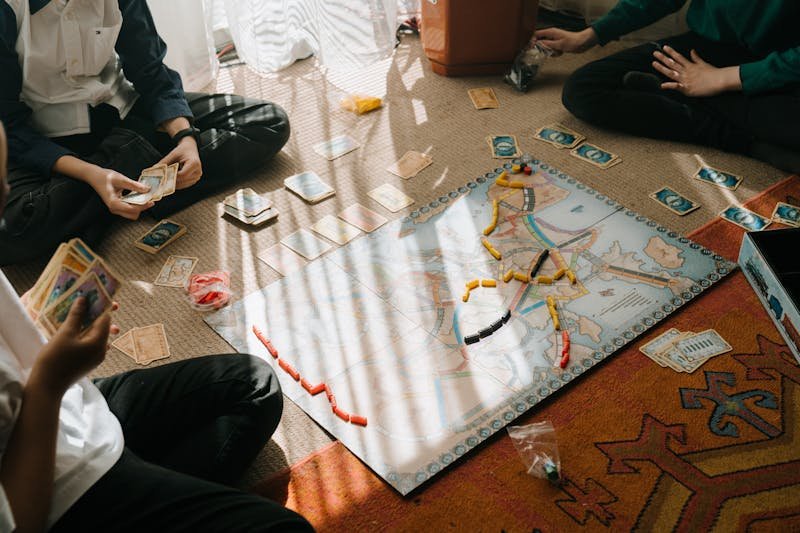
For mixed-age families, look for games with simple mechanics but strategic depth. Classics like Uno, Spot It, and Sequence work because everyone can play at their level. Cooperative games like Pandemic or Forbidden Island are excellent because the family works together rather than competing, which can reduce tension with sensitive kids. Party games like Telestrations, Codenames, or Apples to Apples (or the junior version) accommodate larger groups and different skill levels.
Keep a game rotation system so you're not always playing the same thing. Let family members take turns choosing the game, or keep a jar with game names written on slips of paper—draw one randomly to decide what you'll play. This prevents the loudest voice from always winning and ensures everyone's favorites get played eventually.
🛒 Our Top Game Night Picks
Ticket to Ride: First Journey
Perfect intro to strategy games for ages 6+, collect trains and claim routes
Exploding Kittens: Family Edition
Hilarious strategic card game safe for all ages
As an Amazon Associate, we earn from qualifying purchases. Prices updated regularly.
Potential Challenge: The game ends up too hard or too boring. Solution: Give new games a 15-minute trial. If it's not working, switch to something else without shame or guilt. Save the unsuccessful game for a different time or age range, or trade it with friends who have different needs.
Step 4: Plan Snacks and Treats
Food transforms game night from an activity into an event. The snacks don't need to be elaborate—in fact, simpler is often better. The goal is to have easy-to-eat foods that don't require utensils and won't destroy game pieces if there's a spill. Think finger foods that can be grabbed between turns.
Popcorn is a game night champion—it's inexpensive, easy to make in large quantities, and everyone loves it. Jazz it up with different seasonings: parmesan cheese, cinnamon sugar, or ranch seasoning. Cut-up vegetables with hummus, pretzels, crackers with cheese, fruit kabobs, or homemade trail mix are other crowd-pleasers. For a special treat, keep a stash of individual candy bars or cookies that make an appearance only on game night.
Drinks matter too. Have a pitcher of water with lemon or cucumber slices, hot chocolate in winter, or lemonade in summer. Avoid juice boxes or sodas that might cause sugar crashes midway through the evening. If you really want to make it special, create a signature “game night smoothie” or special mocktail that kids help prepare.
Potential Challenge: Snack preparation becomes stressful. Solution: Make it a rotation. One person chooses and prepares snacks each week, or prepare simple snack boxes ahead of time on Sunday that just need to be grabbed from the fridge on game night. Alternatively, make snack prep part of the game night ritual—everyone helps set up before playing begins.

Step 5: Establish House Rules
Clear expectations prevent most game night meltdowns. Before your first official game night, hold a family meeting to establish house rules that everyone agrees to follow. Write them down and post them where everyone can see during game time. Revisit and adjust these rules as needed—they're not carved in stone.
Essential rules to consider: No gloating or making fun of others (winning graciously is a skill worth teaching). No rage-quitting (if you start a game, you finish it, even if you're losing). Follow the actual game rules (no making up new rules midgame unless everyone agrees). Put away the game when finished (the person who suggested the game leads cleanup, but everyone helps). Be kind to frustrated family members (it's okay to feel upset about losing, but not okay to take it out on others).
Decide as a family how you'll handle cheating accusations—will you allow “take-backs” for young children? What's the consequence for actual cheating? How will you resolve rule disputes? Some families appoint a “referee” who rotates each week, others agree that the oldest person at the table makes the final call, and some use phones (gasp!) to look up official rules when disputes arise.
Potential Challenge: One child is a sore loser. Solution: Emphasize process over outcome. Celebrate great moves regardless of who makes them. Play cooperative games where everyone wins or loses together. For highly competitive kids, remind them before starting that the goal is fun and connection, not victory. Consider a “sportsperson of the week” award for whoever handles winning and losing most gracefully.
Step 6: Mix Up the Activities
While board games are the heart of game night, don't feel locked into that format every single week. Variety keeps things fresh and accommodates different energy levels and interests. Some weeks you might have high energy to spare—perfect for active games like charades, Twister, or a mini indoor scavenger hunt. Other weeks everyone's tired—ideal for quieter card games or puzzle completion together.
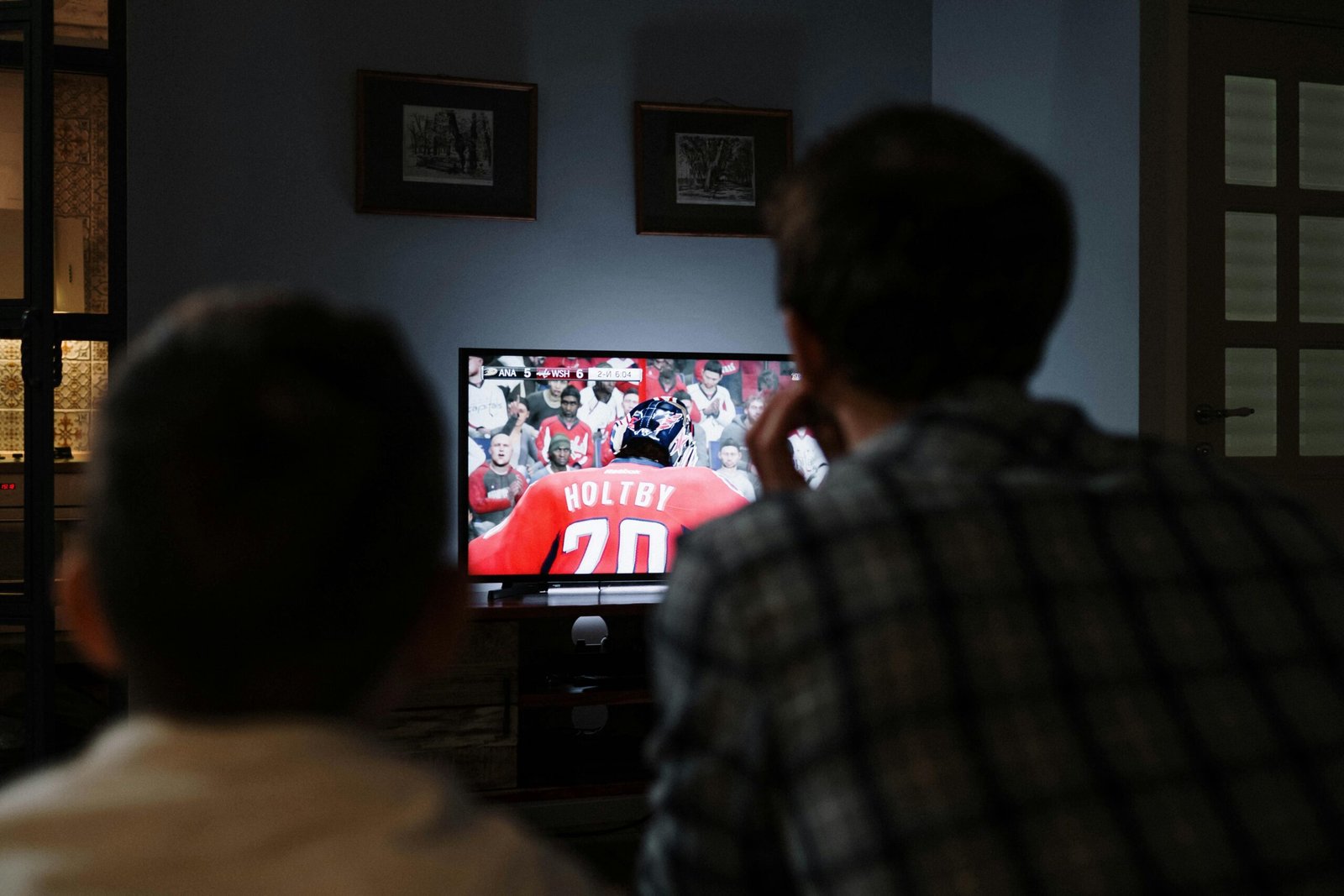
Consider theme nights occasionally: murder mystery dinner, trivia night based on family history, Minute-to-Win-It challenge night, or even video game tournaments if that's something your family enjoys together. The key word is “together”—the activity should promote interaction, not everyone staring at separate screens.
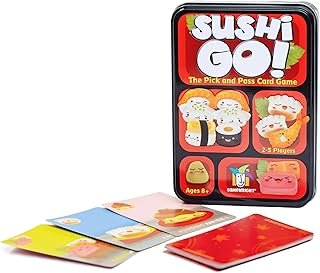
Card games deserve a place in your rotation too. A simple deck of cards offers dozens of game options: Go Fish and Crazy Eights for younger kids, Rummy and Hearts for older kids, and Poker (with chips, not money) for teens. Teaching kids traditional card games connects them to generations of family traditions and gives them skills they'll use their whole lives.
🎁 More Great Options
As an Amazon Associate, we earn from qualifying purchases.


Potential Challenge: Teens roll their eyes at “family fun.” Solution: Give them ownership. Let them plan one game night per month entirely—they choose the games, the snacks, the music. When teens feel respected as contributors rather than reluctant participants, they're more likely to engage. Also, don't force constant chatter—some teens participate better when the activity speaks for itself.
Step 7: Create Traditions Within the Tradition
The most memorable family game nights have special rituals that make them uniquely yours. These small touches transform a regular activity into a cherished family tradition that kids will remember long into adulthood. Start with a consistent opening ritual—maybe everyone shares one good thing from their week before the first game begins, or you ring a special bell to signal the official start.
Create a traveling trophy for the weekly “champion”—this could be a silly hat, a homemade trophy, or a special mug they get to use at breakfast the next morning. Take a family photo every game night and create an album or wall collage that shows your tradition growing over time. Establish silly traditions like the “victory dance” winners must perform, or the special handshake everyone does before starting.
Consider keeping a game night journal where you record which games you played, who won, and one funny thing that happened. Kids love looking back at past entries and seeing how their skills have improved. This journal also helps you track which games are hits and which ones never get requested again.
Potential Challenge: Traditions feel forced or cheesy. Solution: Let them develop organically. Don't force rituals that don't resonate with your family's personality. The best traditions usually emerge naturally from inside jokes, repeated behaviors, or spontaneous moments that you decide to preserve. Stay open and observant, and the right traditions will find you.
Step 8: Keep It Consistent but Flexible
Here's the paradox of successful family game night: consistency matters tremendously, but so does flexibility. Your goal is to make game night a reliable fixture in your family's weekly rhythm while remaining adaptable when life throws curveballs. Some weeks will be perfect—everyone's present, the games go smoothly, laughter fills the room. Other weeks will be messy—someone's grumpy, a game choice flops, siblings bicker. Both are okay.
Consistency means protecting the time and making game night happen even when you don't feel like it. Often the nights you least feel like playing turn into the most meaningful ones. Consistency also means following through on the structure—if you've agreed on house rules, enforce them calmly and fairly every time. If you've committed to this tradition, honor that commitment for at least three months before evaluating whether it's working.
Flexibility means adapting to your family's changing needs. Maybe your usual Friday slot doesn't work this week—move it to Saturday morning instead. Perhaps everyone's too tired for a complex strategy game—pull out Uno instead. If someone's having a terrible day, maybe you skip the competitive games and work on a puzzle together. The spirit of connection matters more than rigid adherence to format.
Potential Challenge: Life gets busy and game night falls apart. Solution: Start small and build. If weekly feels overwhelming, commit to twice monthly. Once that's solidly established, increase frequency. Missing a week doesn't mean the tradition is dead—just restart the next week without guilt or lengthy discussions. Forward momentum matters more than perfect attendance records.
Troubleshooting Common Game Night Problems
Even with the best planning, challenges will arise. Here's how to handle the most common game night obstacles:
Problem: Constant arguing and fighting. This often means the competitive atmosphere has become too intense. Switch to cooperative games where the family works together against the game rather than against each other. Remind everyone of house rules and enforce consequences for rule breaking—perhaps the offender sits out the next round. For persistent issues, take a break and revisit what game night is really about.
Problem: One person dominates or always wins. Experienced players can inadvertently make games less fun for beginners. Consider handicapping systems—the strongest player operates under a constraint like playing with their non-dominant hand or giving weaker players bonus points. Rotate who explains rules to new games, ensuring the experienced player isn't always the “teacher.” Choose games with luck elements that level the playing field.
Problem: Young kids can't keep up. For families with wide age gaps, splitting into teams can help—pair the youngest with a parent or older sibling who assists them. Choose games with simple turn structures where even toddlers can participate meaningfully. Have a backup quiet activity for very young children who lose interest, allowing older kids to continue playing without feeling guilty.
Problem: Teenagers refuse to participate. Bribery isn't beneath you—link game night attendance to privileges they care about, or offer appealing incentives (they choose dinner, get extra screen time afterward). More effectively, involve them in planning. Let them invite a friend occasionally. Choose games they actually enjoy rather than childish options. Respect that some teens genuinely connect better through side-by-side activities than face-to-face ones.
Problem: Game night feels like another obligation. You might be trying too hard. Scale back—simplify snacks, choose quicker games, shorten the time commitment. Remember that 45 minutes of genuine fun beats three hours of forced togetherness. If the tradition isn't working despite good-faith efforts, it's okay to try different connection activities instead.
Variations for Different Family Situations
Game Night with Toddlers (Ages 2-4)
Game night with very young children looks different but can still be meaningful. Choose games with virtually no rules: simple matching games, building block challenges, or “Don't Break the Ice.” Keep sessions short—20 to 30 minutes maximum before attention spans wane. Celebrate participation rather than winning, and expect to adjust rules significantly. The goal at this age is teaching turn-taking and beginning to build the family tradition, not complex strategy.
Game Night with Teens (Ages 13-18)
Teenagers often enjoy more complex strategy games, social deduction games, and anything with dark humor. Games like “Betrayal at House on the Hill,” “Secret Hitler,” “Catan,” or “Cards Against Humanity: Family Edition” might work well. Give them genuine decision-making power about game selection and format. Accept that they may want to play on their phones between turns—pick your battles. The fact that they're physically present and engaging, even imperfectly, counts as success.
Multi-Generational Game Night
Including grandparents or extended family adds richness to game night but requires additional accommodation. Choose games that don't require sharp vision or quick reflexes—”Bananagrams,” “Ticket to Ride,” and “Rummikub” work well. Ensure comfortable seating with adequate lighting. Keep games shorter since older adults may tire more quickly. Consider games that prompt storytelling, allowing grandparents to share family history while playing.
Single-Parent Families
Game night as a single parent might feel daunting—you're outnumbered and handling all the logistics alone. The key is simplifying ruthlessly. Let kids help with every aspect: choosing games, preparing snacks, setting up and cleaning up. Accept that you might not finish games some nights, and that's fine. The consistency of trying matters more than perfection. Consider occasionally inviting another single-parent family to join you, sharing the load while expanding the fun.
Blended Families and Co-Parenting
Game night can help blended families bond, but tread carefully around competition and fairness. Ensure all children get equal turns choosing games regardless of whose biological kids they are. Be sensitive to traditions kids had in previous family configurations—maybe incorporate elements rather than completely starting over. If co-parenting, you might both implement game night at your respective homes, giving kids consistency across households. This shows cooperation and prioritizes their needs.

Frequently Asked Questions
How long should family game night last?
There's no magic number, but most successful family game nights run 60 to 90 minutes. This is long enough to play one longer game or 2-3 shorter games while remaining short enough that no one's begging to be done. For families with younger children, 45 minutes might be plenty. With older kids and teens, you might extend to two hours if everyone's engaged. Pay attention to energy levels and end on a high note rather than dragging things out until everyone's miserable.
What if we can't afford to buy games?
You absolutely don't need expensive games for meaningful family time. A deck of playing cards costs a couple of dollars and offers dozens of game options. Your local library likely has board games you can check out—it's a great way to try before buying. Look for games at thrift stores, yard sales, or swap with other families. Many classic games require nothing but paper and pencils: Hangman, Tic-Tac-Toe tournaments, or Pictionary. Free printable games online provide endless options. Charades, 20 Questions, and storytelling games cost absolutely nothing.
What do we do when someone cheats?
First, distinguish between young children who don't fully understand rules and older kids/adults who deliberately cheat. For young children, gently correct and re-explain the rules without shame. For deliberate cheating, address it immediately and calmly. Pause the game and remind everyone of house rules. If it's a first offense, issue a warning. For repeated cheating, that person sits out the remainder of the current game. The key is consistency—enforce consequences every time, and don't let cheating slide just because you're tired of addressing it.
How can we make it special without spending money?
Special doesn't mean expensive—it means intentional. Light candles, turn off overhead lights, and use table lamps for ambiance. Create a special playlist that plays only during game night. Let the weekly winner choose what's for breakfast the next morning. Make a construction paper trophy that travels to each winner. Take a family selfie every week and create a photo wall. Have everyone wear silly hats during play. Create inside jokes and recurring bits that only your family understands. These cost nothing but add the element of specialness that makes game night feel distinct from regular evenings.
What if my kids say game night is boring?
First, give it time—new traditions often meet resistance before they're accepted. That said, listen to the specific complaints. Are the games actually boring (wrong complexity level for age), or is the complaint really about missing screen time? If games are genuinely boring, involve kids in choosing new ones. Try different formats—maybe board games don't work but outdoor lawn games do, or perhaps they'd prefer family karaoke. Sometimes “boring” means “I feel awkward with this forced fun,” which often resolves as the tradition becomes more natural. If after three months of genuine effort everyone truly hates it, it's okay to try different connection activities instead.
Your Family's Best Game Nights Are Ahead
Organizing family game night isn't about perfect execution or expensive equipment—it's about creating space for connection in our overscheduled, over-screened world. Some game nights will be magical, filled with belly laughs and warm memories. Others will be mediocre, marked by bickering and false starts. Both kinds matter because both say, “We're a family that shows up for each other.”
You don't need to follow every suggestion in this guide to succeed. Start with the basics: pick a consistent time, choose one or two games your family enjoys, make simple snacks, and show up. The rest will develop naturally as you discover your family's unique rhythm and preferences. What works for your neighbor's family might not work for yours, and that's perfectly okay.
The real magic of family game night isn't about the games themselves—it's about the conversations that happen between turns, the inside jokes that develop, the way your teenager relaxes for the first time all week, the pride in your child's face when they master a new strategy. These moments of genuine presence with each other are increasingly rare in modern life, which makes them all the more valuable.
Start this week. Don't wait for the perfect moment or until you've purchased the ideal games. Pull out a deck of cards, grab some popcorn, turn off the TV, and begin. Your family's game night tradition starts with this first imperfect, beautiful attempt. In a year, you'll look back amazed at how this simple weekly practice has strengthened your family bonds and created memories you'll all treasure. You're not just organizing a game night—you're building a foundation for connection that will serve your family for years to come.
Related Articles
- The Ultimate Guide to Family Meal Planning
- The Ultimate Guide to Screen Time Management
- The Ultimate Guide to Family Bonding
- Family Budget Planning Guide
- Family Activities and Parenting Tips 2025

Written by Sarah Mitchell, M.S., CFLE
Founder & Lead Editor
Sarah is a Certified Family Life Educator with a Master's degree in Human Development and Family Studies from the University of Missouri. With 15+ years of experience as a parent educator and mother of three, she brings both professional expertise and real-world parenting wisdom to every article.
Credentials: M.S. in Human Development and Family Studies, Certified Family Life Educator (CFLE)