


When your preschooler hits or bites, stay calm and intervene immediately by separating children and using clear language to set boundaries. Their aggressive behavior typically signals communication struggles or emotional overload—not defiance. Help them connect feelings with words by naming emotions, then redirect their energy toward acceptable alternatives. Create a consistent routine with a designated calming corner featuring soothing items. Document patterns to identify triggers like hunger, fatigue, or changes. Understanding these developmental signals and implementing structured support strategies will help you address the underlying causes effectively.
Key Takeaways
- Stay calm during aggressive episodes to model emotional regulation and intervene safely by separating children when necessary.
- Identify triggers through observation, documenting situations like hunger, fatigue, transitions, or overwhelming environments that precede aggressive outbursts.
- Teach emotional vocabulary during calm moments and create a designated calming corner with soothing items for self-regulation practice.
- Set clear, consistent boundaries about aggressive behavior while acknowledging the child's feelings and redirecting energy to acceptable alternatives.
- Seek professional help if aggression persists despite consistent strategies, occurs across multiple settings, or interferes with social interactions.
Understanding Why Preschoolers Act Aggressively
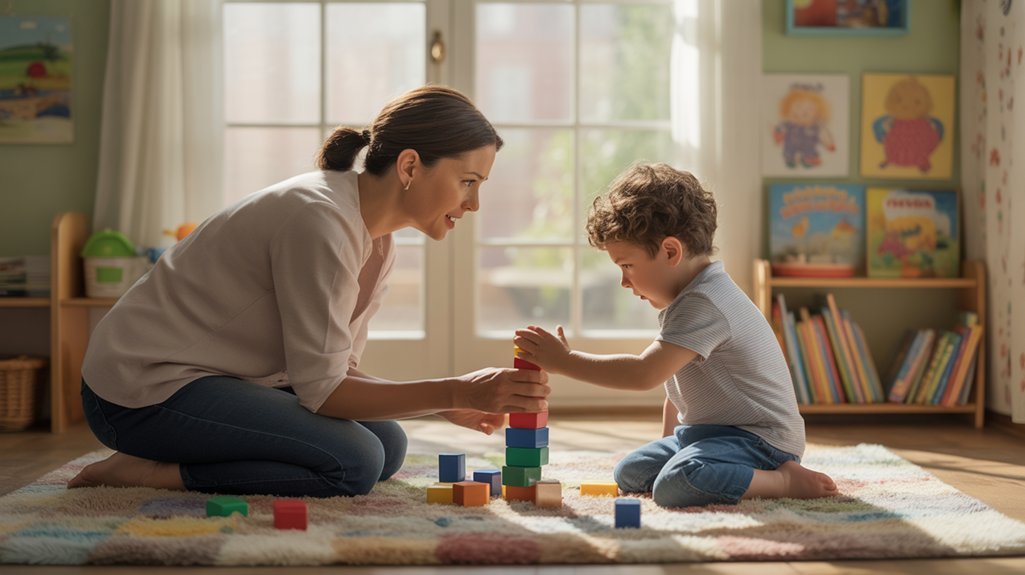
When your preschooler hits, bites, or throws toys, they're not trying to be difficult—they're communicating the only way they know how in that moment.

Young children display aggressive behaviors for several developmental reasons. As they establish independence, they're testing boundaries and asserting control over their environment. Their limited vocabulary creates a gap between what they feel and what they can express, leading to physical outbursts when words fail them.
Physical states directly impact their capacity to manage emotions. When tired or hungry, your preschooler's emotional regulation skills diminish considerably, making aggression more likely. Their brains simply aren't equipped yet to handle intense feelings under these conditions.
Importantly, many preschoolers continue aggressive behaviors because they work—they get the toy, the attention, or the desired outcome.
Understanding these underlying causes helps you respond with compassion while teaching them more appropriate ways to express their needs and navigate their growing world. Organizations like the Child Mind Institute provide evidence-based treatment approaches that can help families develop effective strategies for addressing these challenging behaviors.
Recognizing Triggers and Patterns of Aggressive Behavior
Before you can effectively address your child's aggressive behavior, you'll need to identify what sparks it. Recognizing triggers and patterns equips you to intervene before situations escalate. Start by observing when aggression occurs—during changes, in crowded spaces, or when your child's hungry or tired.
Track these observations systematically:
| Common Trigger | Child's Response | Underlying Need |
|---|---|---|
| Activity changes | Hitting, throwing | Need for control |
| Overwhelming environments | Pushing, yelling | Need for calm space |
| Hunger or fatigue | Biting, kicking | Physical comfort |
You'll notice patterns emerging through consistent observation. Perhaps your child becomes aggressive every morning before snack time or struggles when shifting from free play to structured activities. These patterns reveal emotional immaturity—your child lacks the vocabulary to express frustration effectively. When media exposure to traumatic events occurs, it can intensify aggressive behaviors as children struggle to process overwhelming information. By documenting specific situations and interactions, you're building a roadmap for proactive support, helping your child develop healthier ways to communicate their needs.
Immediate Strategies to Stop Aggression in the Moment
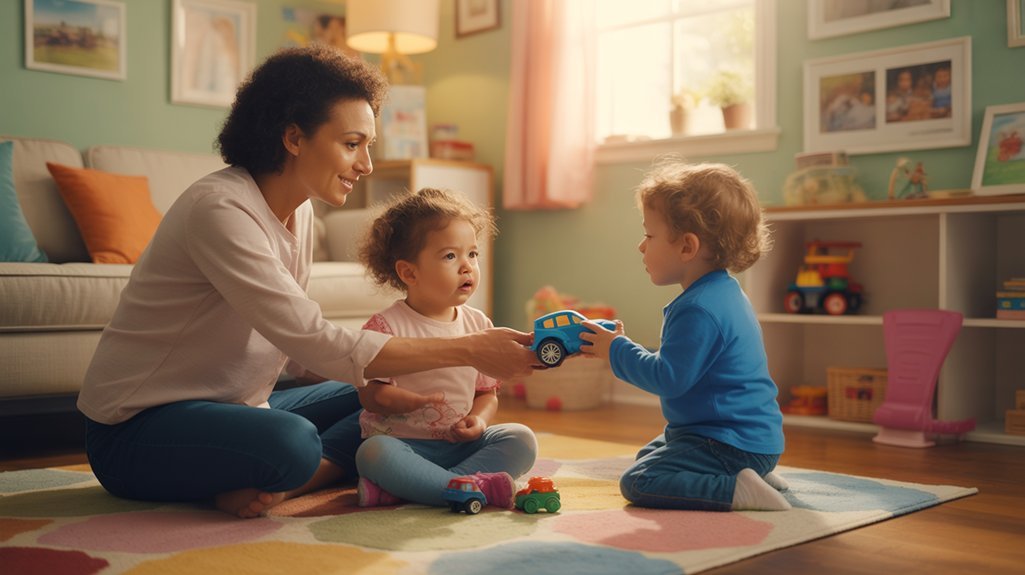
Your immediate response to aggression sets the stage for your child's learning. When you witness hitting, biting, or pushing, stay calm—your emotional regulation becomes their anchor during overwhelming moments.
Intervene promptly and safely. Separate children if needed, positioning yourself at their eye level. Use clear, firm language: “I can't let you hit. Hitting hurts.” This boundary-setting is essential.
Acknowledge their feelings immediately: “You're really angry right now.” This validation helps preschoolers connect emotions with words, building their capacity to manage aggressive behavior through verbal expression rather than physical actions.
Redirect their energy to acceptable alternatives. Offer a pillow to punch or suggest they stomp their feet. These substitutes honor their intense feelings while teaching appropriate outlets.
Use distraction strategically when emotions peak. Introduce a compelling toy or activity to shift their focus, giving their developing brain time to reset and preventing escalation.
For comprehensive guidance on managing challenging behaviors in this age group, explore young children resources that provide age-appropriate strategies for keeping preschoolers healthy and safe.
Teaching Emotional Regulation and Self-Control Skills
Emotional regulation skills form the foundation for reducing aggressive behavior in preschoolers, yet these abilities don't develop automatically. You'll need to actively guide children in identifying their feelings and expressing them verbally rather than through hitting or biting.
Teaching emotional regulation begins with naming emotions during calm moments, helping children build the vocabulary they need during conflicts.
Create a “cozy corner” where overwhelmed children can practice self-soothing techniques. This dedicated space promotes impulse control by giving them somewhere to reset before emotions escalate.
Consistently praise successful self-regulation attempts, reinforcing the positive outcomes of managing feelings appropriately.
Physical activities like running or dancing provide healthy outlets for intense emotions.
Role-playing conflict scenarios during peaceful times equips children with practical resolution strategies they'll remember when tensions arise.
These proactive approaches develop the impulse control necessary for maneuvering through social situations without aggression, benefiting both the child and their peers. Since the first three years are the most important for lifelong mental health and well-being, establishing these emotional regulation skills early sets the foundation for healthy development.
Creating a Home Environment That Reduces Aggressive Outbursts
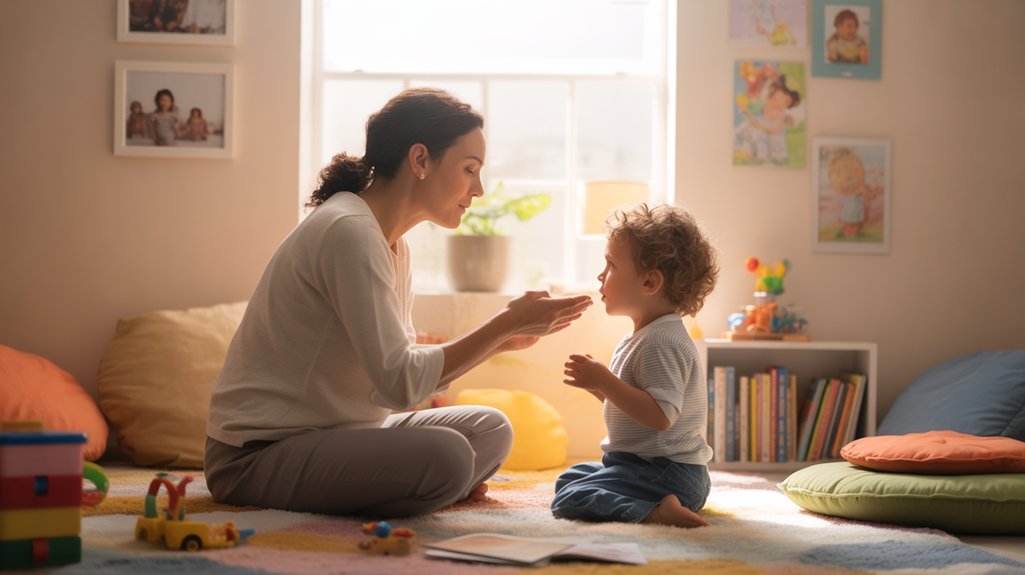
Your home environment plays a vital role in either triggering or preventing aggressive outbursts in your preschooler.
By establishing clear, consistent rules and creating dedicated calming spaces, you'll provide the structure and security your child needs to manage intense emotions.
These environmental adjustments work alongside your child's developing brain to support better self-regulation and reduce behavioral challenges.
Establish Consistent Rules Daily
When preschoolers know what's expected of them, they're far less likely to resort to hitting, biting, or throwing tantrums. Clear, consistent rules create the predictable environment young children need to feel secure. You'll reduce aggressive behavior by establishing simple guidelines and reviewing them daily.
| Without Consistent Rules | With Daily Rule Reinforcement | Your Child Feels |
|---|---|---|
| Confusion about boundaries | Clarity and security | Safe and understood |
| Frustration leading to aggression | Confidence in expectations | Emotionally stable |
| Unpredictable consequences | Reliable outcomes | Trusting and calm |
Use positive reinforcement when your child demonstrates appropriate behavior. Model self-control when addressing violations—your calmness teaches emotional regulation. Discuss why rules matter, emphasizing natural consequences rather than punishment. This developmental approach helps children internalize behavioral expectations, encouraging peaceful interactions while greatly reducing aggressive outbursts.
Create Calming Safe Spaces
Beyond establishing predictable routines and behavioral expectations, preschoolers need a physical environment that supports their developing emotional regulation skills.
Designate a “calming corner” in your home—a retreat space equipped with soft pillows, soothing books, and sensory items like stress balls or fidget toys. These tangible tools help children manage their feelings during overwhelming moments.
Enhance this space with soft lighting, gentle music, and nature-inspired elements to create a genuinely peaceful atmosphere. Teach your preschooler simple deep breathing techniques and mindfulness exercises they can practice there, building their self-soothing capabilities.
Consistently reinforce this space's purpose during calm moments, helping your child associate it with comfort rather than punishment.
When frustration emerges, gently guide them there, enabling them to recognize their emotions and choose healthy coping strategies independently.
When to Seek Professional Help for Your Child's Behavior
While most aggressive behaviors are a normal part of preschool development, there are times when you'll need to contemplate professional support.
Knowing which signs require intervention can help you get your child the right help at the right time.
Understanding the available therapy options will enable you to make informed decisions about your child's behavioral and emotional well-being.
Signs Requiring Professional Intervention
Although occasional aggressive outbursts are normal in preschoolers learning to manage big emotions, certain warning signs indicate it's time to seek professional guidance.
You should consult a mental health professional if your child's aggressive behavior interferes with activities or social interactions, escalates in frequency or intensity, or persists after traumatic events or significant life changes.
Early intervention is essential—addressing concerning behaviors promptly prevents escalation and promotes healthier coping mechanisms.
If you notice signs of self-harm or harm to others accompanying the aggression, seek immediate professional support for your child's safety.
Available Therapy and Support
When your preschooler's aggressive behavior persists despite consistent home strategies, several evidence-based therapies can provide the specialized support your family needs.
Parent-Child Interaction Therapy (PCIT) strengthens your relationship while teaching effective behavior management techniques through real-time coaching.
Parent Management Training (PMT) equips you with practical tools to address challenging behaviors and reinforce positive alternatives.
A professional evaluation helps identify underlying issues contributing to aggression, whether developmental, emotional, or environmental.
Early intervention offers your child vital skills in emotional regulation and coping mechanisms before patterns become entrenched.
Available therapy options benefit both you and your child, creating healthier interactions and reducing behavioral disruptions.
These professionals understand that seeking help demonstrates your commitment to your child's wellbeing, enabling you to support their emotional growth effectively.
Understanding Preschooler Developmental Stages
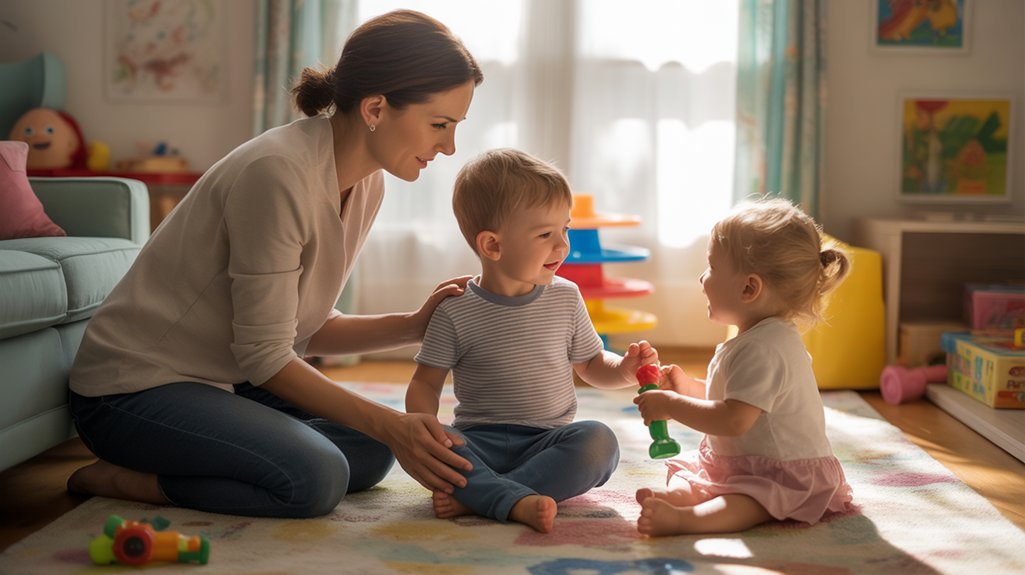
Between the ages of two and five, preschoolers undergo rapid brain development that fundamentally shapes how they express themselves and interact with others. As their vocabulary expands and self-control strengthens, you'll notice significant emotional growth that naturally reduces aggressive behaviors over time.
During this developmental stage, children navigate critical milestones that directly impact their conduct:
- Independence assertion: They're testing boundaries and may use aggression to express frustrations when words fail them.
- Emotional regulation: Their immature nervous systems struggle to manage big feelings, particularly when tired or hungry.
- Communication development: As language skills improve, physical outbursts typically decrease.
Understanding these developmental patterns helps you respond with appropriate support rather than frustration. While aggressive behaviors are common at this age, they're not inevitable.
Your recognition of these stages allows you to intervene effectively, teaching children healthier ways to express needs and preventing aggressive patterns from becoming habitual.
When to Seek Professional Help
While most aggressive behaviors in preschoolers are developmentally normal and respond to consistent strategies, certain warning signs indicate it's time to seek professional guidance.
You'll want to consult a child psychologist, pediatrician, or behavioral specialist when aggression persists despite your best efforts, escalates to self-harm or causing injuries, or considerably disrupts your family's daily functioning.
Early assessment can identify underlying developmental, emotional, or sensory issues that require specialized intervention to support your child's healthy growth.
Persistent Aggression Despite Interventions
Although most preschoolers respond well to consistent behavioral strategies, some children continue displaying aggressive behaviors that don't improve over time. When you've implemented interventions consistently yet see no progress, it's crucial to recognize that persistent aggression signals the need for professional support.
This pattern may indicate underlying emotional challenges requiring specialized assessment and treatment. Seeking help isn't admitting failure—it's demonstrating commitment to helping children thrive.
Healthcare providers can evaluate whether developmental, sensory, or emotional factors contribute to the behavior. They'll recommend tailored approaches, including behavioral therapy or counseling, equipping you with effective management strategies.
Early intervention prevents escalation and supports healthier emotional development. If aggressive outbursts disrupt daily routines, strain peer relationships, or hinder learning participation, don't hesitate to consult professionals who can provide the thorough support your child deserves.
Self-Harm or Injury Behaviors
When preschoolers intentionally harm themselves—through head-banging, biting their own arms, scratching until they bleed, or hitting themselves repeatedly—you're witnessing behaviors that demand immediate professional attention.
These self-harm actions differ markedly from typical aggressive behaviors and often signal deeper emotional distress or developmental concerns.
Don't wait if you notice increasing frequency or intensity in these patterns. Contact a healthcare provider promptly to identify underlying causes, whether they stem from environmental changes, trauma, or other factors.
Early intervention prevents escalation and helps your child develop healthier coping mechanisms.
Collaborate with child psychologists or behavioral therapists who can provide tailored strategies for your family.
Their specialized support addresses both the child's needs and equips you with effective tools to manage these concerning aggressive behaviors compassionately.
Developmental Delays or Regressions
Beyond specific self-harm patterns, you might notice broader concerns in how your child develops and communicates. Aggressive outbursts may signal developmental delays, particularly when accompanied by limited verbal skills, difficulty expressing emotions, or struggles with age-appropriate social interactions.
If your child's aggression persists despite consistent interventions or increases in intensity, professional evaluation becomes vital.
Watch for regressions—losing previously mastered skills—or significant behavioral changes following traumatic events or life changes. These signs warrant immediate attention from healthcare providers who can assess underlying issues and create tailored intervention strategies.
Early professional support is essential for addressing your child's specific needs effectively. By seeking help promptly, you'll access evidence-based strategies that prevent behavioral escalation while supporting your child's healthy emotional and social development during these significant preschool years.
Family Functioning Severely Impacted
If your child's aggressive behavior creates constant tension at home, disrupts family routines, or leaves you feeling emotionally drained and unable to cope, it's time to seek professional help. When aggression escalates multiple times weekly, parents and caregivers may find themselves walking on eggshells, unable to maintain normal household functioning.
| Warning Signs | Impact on Family |
|---|---|
| Siblings avoid interaction | Fear replaces connection |
| Parents disagree on discipline | Marriage strain increases |
| Family events cancelled | Isolation grows deeper |
| Exhaustion becomes constant | Hope feels distant |
Early intervention prevents behavioral escalation and restores family harmony. Children learn best when parents and caregivers receive tailored strategies from specialists who can address underlying issues like anxiety or ADHD. Professional assessment guarantees your family receives appropriate support, converting overwhelming challenges into manageable solutions.
Warning Signs Require Assessment
Recognizing when your preschooler's aggression requires professional evaluation protects their developmental trajectory and your family's well-being.
Seek professional assessment if aggressive behavior persists despite consistent parenting strategies or occurs across multiple settings like home and childcare. Watch for escalating frequency or intensity of outbursts, especially when they interfere with your child's ability to participate in age-appropriate activities and form friendships.
Early intervention prevents further escalation and promotes healthier emotional regulation. Specialists can identify underlying issues you mightn't recognize and provide tailored strategies for managing these challenges effectively.
Their support equips you with evidence-based approaches while addressing your child's specific needs. Remember, seeking help demonstrates strength and commitment to your child's development, ultimately improving your entire family's functioning and your little one's long-term success.
Calming Techniques for Parents
When your preschooler displays aggressive behavior, your own emotional state becomes the foundation for helping them regain control. Before addressing your child's actions, you'll need to manage your own stress response.
Your calm is contagious—before you can help your child regulate their emotions, you must first regulate your own.
These calming techniques support both your emotional regulation and your ability to guide your child effectively:
- Practice deep breathing exercises—inhale for four counts, hold briefly, then exhale slowly. You can invite your child to breathe with you, converting tension into a shared moment of connection.
- Model patience through your body language—relax your shoulders, soften your facial expression, and lower your voice. Children mirror what they observe in you.
- Take a brief pause before responding. Step back momentarily if needed, ensuring you approach the situation with composure rather than reactivity.
Your calm presence doesn't just de-escalate immediate conflict; it teaches your preschooler invaluable skills for managing their own big emotions throughout life.
Consistency Builds Long-Term Success
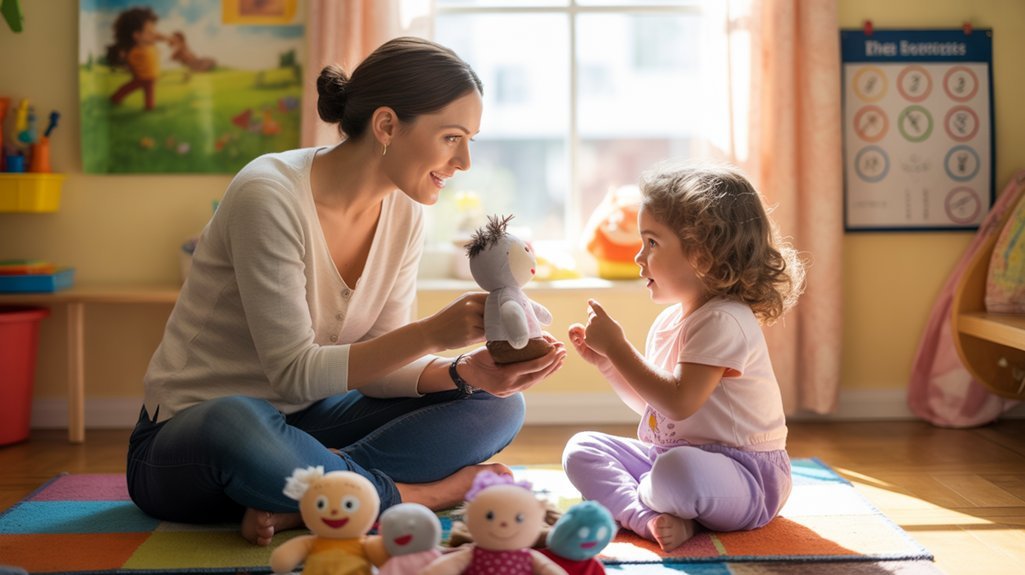
Predictability serves as the cornerstone of your preschooler's behavioral development. When you consistently enforce rules and expectations, you're creating a secure foundation that helps children understand acceptable behavior. This stability enables them to navigate their world with confidence rather than confusion.
Your steady responses to aggressive behavior—whether praising positive actions or addressing concerning conduct—reinforces essential learning patterns. Research confirms that consistent parenting practices greatly reduce behavioral issues while promoting emotional development and self-control.
Regular discussions about behavioral expectations solidify your child's understanding of consequences, leading to improved self-regulation over time. When you establish predictable routines, your preschooler can anticipate their environment, minimizing the overwhelm that often triggers aggression.
Think of consistency as your most powerful teaching tool. Each time you respond predictably to behavior, you're helping your child develop the emotional management skills they'll carry throughout life.
Your unwavering commitment today shapes their long-term success.
Frequently Asked Questions
How to Help an Aggressive 4 Year Old?
Help your 4-year-old by teaching emotional regulation through simple techniques like deep breathing and naming feelings.
Set clear, consistent boundaries about acceptable behavior, especially during playground interactions.
Create safe outlets for big emotions through active play and designated calm-down spaces.
Model gentle responses when they're upset, showing them how to express frustration appropriately.
Stay patient and empathetic—aggression at this age typically signals they're struggling to communicate needs.
If concerns persist, don't hesitate to consult your pediatrician for additional support.
How Do You Deal With an Aggressive Child in Preschool?
Ironically, aggressive preschoolers need *more* connection, not isolation.
You'll address this by staying calm and teaching social skills through modeling. Use positive reinforcement when they choose gentle behaviors, immediately acknowledging their progress.
Identify triggers—hunger, overstimulation, frustration—and intervene early. Redirect their energy toward physical play and creative outlets.
Most importantly, you're teaching emotional regulation through your patient responses, showing them that feelings are valid but hurting others isn't.
They're learning self-control through your steady guidance.
What Are the 3 R's of Aggressive Behavior?
The 3 R's of aggressive behavior are Recognize, Respond, and Redirect.
You'll start by recognizing triggers that spark aggression in your preschooler, like frustration or overstimulation.
Next, you'll respond calmly but firmly, acknowledging their feelings while setting clear boundaries.
Finally, redirect their energy toward positive alternatives.
Throughout this process, you're teaching empathy by helping them understand how their actions affect others.
This developmental approach builds emotional regulation skills they'll use throughout childhood.
How to Help a Child With Explosive Anger?
You'll love this: your tiny human's explosive meltdowns aren't actually designed to ruin your day!
Help them develop anger management skills by teaching emotional regulation during calm moments. You can model deep breathing, name their feelings, and create predictable routines that minimize triggers.
Reinforce their efforts when they express emotions appropriately, and remember—their brains are still developing self-control.
If outbursts persist, don't hesitate to seek professional support. You're equipping them with lifelong coping skills.
Conclusion
Think of your guidance like planting a garden—you won't see roses bloom overnight. Research shows that children whose parents consistently respond to aggression with calm coaching demonstrate 40% better emotional regulation within six months. You're teaching skills your preschooler will use for life. Some days feel harder than others, but you're building their emotional foundation brick by brick. Trust the process, seek support when needed, and celebrate small victories along the way.
Related Articles
- The Ultimate Guide to Sibling Conflict
- The Ultimate Guide to Family Meal Planning
- The Ultimate Guide to Kids Educational Games
- 20 Fun DIY Crafts to Strengthen Family Bonds
- The Ultimate Guide to Screen Time Management

Written by Sarah Mitchell, M.S., CFLE
Founder & Lead Editor
Sarah is a Certified Family Life Educator with a Master's degree in Human Development and Family Studies from the University of Missouri. With 15+ years of experience as a parent educator and mother of three, she brings both professional expertise and real-world parenting wisdom to every article.
Credentials: M.S. in Human Development and Family Studies, Certified Family Life Educator (CFLE)