



Your child's sleep needs vary considerably by age: infants require 12-16 hours daily, toddlers need 11-14 hours, preschoolers do best with 10-13 hours, school-aged children should get 9-12 hours, and teenagers need 8-10 hours. Adequate sleep supports physical growth, cognitive development, and emotional regulation at every stage. Watch for signs of sleep deprivation like hyperactivity, mood swings, or academic struggles, as these indicate your child may need more rest. Understanding these age-specific requirements and implementing healthy sleep habits will help guarantee your child thrives developmentally.
Key Takeaways
- Infants aged 4-12 months require 12-16 hours of sleep daily, including naps, to support rapid growth and development.
- Toddlers need 11-14 hours, preschoolers need 10-13 hours, and school-aged children require 9-12 hours for optimal functioning.
- Teenagers aged 13-18 years need 8-10 hours of sleep to support physical health, cognitive function, and academic performance.
- Sleep supports physical growth, cognitive development, emotional health, and strengthens the immune system through deep non-REM stages.
- Signs of sleep deprivation include hyperactivity, daytime sleepiness, academic difficulties, irritability, and trouble waking up in children.
Sleep Requirements by Age Group
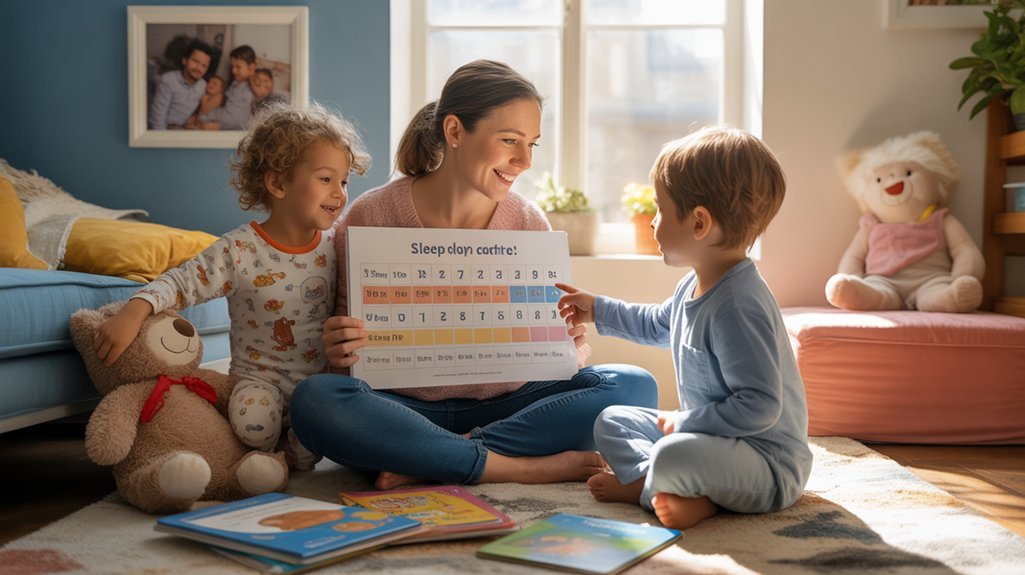
Understanding your child's sleep needs is essential for supporting their physical growth, cognitive development, and emotional health. The amount of sleep children need varies considerably across developmental stages.

Your infant (4-12 months) requires 12-16 hours daily, including naps, to fuel rapid growth. As your child becomes a toddler (1-2 years), they'll need 11-14 hours to maintain stable energy and mood.
Sleep needs shift dramatically in the first two years, ranging from 12-16 hours for infants to 11-14 hours for toddlers.
Preschoolers (3-5 years) thrive on 10-13 hours as they absorb new learning experiences. School-aged children (6-12 years) function best with 9-12 hours, directly impacting their academic performance and emotional regulation.
Your teenager (13-18 years) needs 8-10 hours nightly for ideal physical health and cognitive function. Establishing a regular sleep schedule aligned with these age-appropriate guidelines helps you nurture your child's well-being.
Meeting the sleep children need isn't simply about rest—it's foundational care that enables them to flourish throughout each developmental phase. Adequate sleep also supports healthy, active living by helping children overcome obstacles and maintain the energy needed to thrive physically and mentally.
What Happens During Sleep and Why It Matters
While your child sleeps, their body and brain engage in complex processes that directly shape their growth and well-being. Sleep cycles through two main types: non-REM sleep, which includes light and deep stages, and REM sleep, crucial for learning and memory consolidation.
During deep non-REM sleep, your child's body releases important growth hormones that repair tissues and strengthen their immune system. This stage is particularly essential for physical development.
REM sleep, meanwhile, helps process daily experiences and form neural connections that support cognitive advancement.
Babies require more REM sleep for rapid brain development, while older children benefit from balanced cycles lasting approximately 90 minutes. This natural rhythm supports attention, emotional regulation, and behavioral control—all fundamental for successful learning and social interactions.
Insufficient sleep disrupts these restorative processes, potentially leading to behavioral challenges, academic difficulties, and long-term health concerns including obesity and mental health disorders. When sleep problems persist, they can contribute to learning disorders that may require specialized support and intervention strategies.
Understanding sleep's role enables you to prioritize your child's rest effectively.
Signs Your Child Isn't Getting Enough Sleep

Because sleep deprivation doesn't always present as obvious tiredness, you'll need to watch for subtle behavioral and cognitive changes in your child. Recognizing signs your child isn't getting enough sleep helps you adjust their sleep habits before problems escalate.
Younger children often display hyperactivity when sleep-deprived, as they struggle to regulate their energy levels effectively. You might notice excessive daytime sleepiness or frequent napping that seems inappropriate for their age group.
Academic performance offers valuable clues—difficulty concentrating, paying attention in class, or declining grades often indicate inadequate rest.
Emotional regulation suffers when children aren't getting enough sleep. Watch for increased irritability, crankiness, or mood swings that seem out of character.
Sleep-deprived children often show their exhaustion through irritability and uncharacteristic mood swings rather than simple tiredness.
These behavioral changes reflect their body's inability to cope with sleep debt. Parent Information resources can provide additional guidance for caregivers on maintaining healthy sleep habits across different developmental stages.
Creating Healthy Sleep Habits and Bedtime Routines
Once you've identified that your child needs more sleep, the next step is building routines that make quality rest achievable night after night.
A consistent bedtime routine signals to your child's body that sleep is approaching. Include calming activities like reading together, taking a warm bath, or storytelling to help them wind down naturally.
Maintain a regular sleep schedule by keeping bedtimes and wake times consistent, even on weekends. This consistency regulates your child's internal clock, making falling asleep easier over time.
Create a sleep-friendly environment by ensuring their bedroom stays dark, cool, and quiet. These conditions promote deeper, more restorative rest.
Limit screen exposure by turning off devices at least one hour before bed. Blue light from screens disrupts melatonin production, interfering with your child's natural sleep-wake cycle.
If you're struggling with establishing these routines, consider exploring proven sleep training methods that can help both babies and older children develop independent sleep skills.
These evidence-based strategies work together to establish healthy sleep patterns that support your child's physical growth, emotional regulation, and cognitive development.
The Impact of Screen Time on Children's Sleep
The screens your child interacts with throughout the day—from tablets to smartphones to televisions—emit blue light that directly interferes with their brain's ability to prepare for sleep. This exposure delays melatonin release, the hormone essential for sleep onset, making it harder for your child to fall asleep naturally.
Research shows children who use screens before bedtime experience increased sleep difficulties and deprivation. You'll likely notice daytime sleepiness, attention challenges, and behavioral struggles in school when screen time disrupts their rest.
The American Academy of Pediatrics recommends turning off all electronic devices at least one hour before bedtime. By establishing this boundary, you're helping your child achieve better sleep quality, which translates to improved mood, improved emotional regulation, and stronger learning capabilities.
Creating a screen-free bedtime routine isn't just about limiting devices—it's about prioritizing the restorative sleep your child needs to thrive developmentally and emotionally.
When to Seek Professional Help for Sleep Issues
How do you know when your child's sleep struggles require more than at-home solutions? If your child consistently can't fall asleep or stay asleep despite following a structured bedtime routine, it's time to evaluate professional assistance.
Watch for persistent sleep issues like snoring, gasping for air, or excessive daytime sleepiness—these may signal an underlying medical condition requiring attention.
Pay close attention to your child's emotional well-being and daily functioning. Significant mood changes, irritability, or behavioral problems linked to sleep deprivation warrant assessment by a healthcare professional.
Similarly, if you notice declining academic performance or reduced attention span alongside sleep difficulties, consult your pediatrician or a sleep specialist.
Children with ADHD or autism often face unique sleep challenges. Working with a mental health professional can provide targeted strategies to address these issues effectively.
Sleep Needs Vary by Age
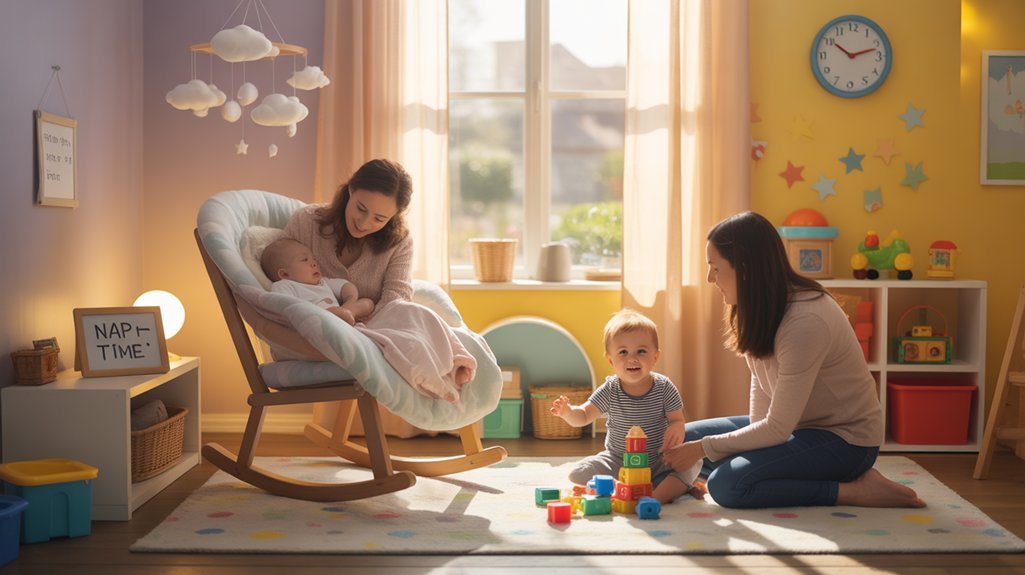
Understanding your child's sleep needs starts with recognizing that requirements shift dramatically as children grow and develop. Each age group has distinct sleep patterns that support their unique developmental stage.
Your child's hours of sleep requirements decrease progressively from infancy through adolescence:
- Infants (4-12 months): 12-16 hours daily, including naps
- Toddlers (1-2 years): 11-14 hours with daytime naps
- Preschoolers (3-5 years): 10-13 hours, possibly including one nap
School-aged children (6-12 years) need 9-12 hours nightly to function effectively in academic and social settings.
Teenagers (13-18 years) require 8-10 hours to support their rapid physical growth and cognitive development.
These evidence-based ranges reflect the significant neurological and physical changes occurring at each stage.
When you align your child's schedule with their age-appropriate sleep needs, you're providing essential support for their learning, behavior regulation, and overall well-being.
Signs of Sleep Deprivation
Recognizing sleep deprivation in your child isn't always straightforward, as the signs often manifest differently than they do in adults.
You might notice changes in behavior, mood swings, difficulty getting them out of bed, excessive daytime tiredness, trouble focusing, or even physical complaints like headaches.
Understanding these warning signs enables you to adjust your child's sleep schedule before deprivation affects their development, learning, and overall well-being.
Behavioral Changes and Mood
When children don't get enough sleep, their behavior often tells the story before words can.
You'll notice mood changes like increased crankiness and irritability that seem disproportionate to the situation. Younger children may paradoxically become hyperactive rather than tired, making it harder to recognize they're not getting the sleep needed for healthy development.
Behavioral issues often emerge at school and home, including difficulty following directions, reduced impulse control, and conflicts with peers.
These changes aren't defiance—they're symptoms of an overtired nervous system struggling to regulate emotions and responses.
Pay attention to patterns. If you're observing consistent behavioral shifts, especially when paired with academic struggles or physical complaints, inadequate sleep is likely undermining your child's ability to function at their best.
Difficulty Waking Up Daily
One of the clearest signals that your child isn't getting adequate sleep shows up each morning at wake-up time. When children consistently struggle to wake up, require multiple alarms, or need repeated prompting from you, they're demonstrating classic signs of sleep deprivation.
| Well-Rested Child | Sleep-Deprived Child |
|---|---|
| Wakes naturally or with one gentle reminder | Requires multiple wake-up attempts |
| Alert within 15-20 minutes | Groggy, disoriented throughout morning |
| Cooperative mood during routine | Irritable, resistant to daily tasks |
Establishing a regular bedtime helps guarantee your child gets the sleep they need. Monitor morning wake-ups alongside daytime behavior—persistent difficulty rising, combined with school concentration problems or mood changes, indicates inadequate rest. Addressing sleep patterns now supports your child's healthy development and daily functioning.
Daytime Fatigue and Drowsiness
Your child's daytime behavior reveals critical information about their nighttime sleep quality. When you notice daytime sleepiness—like your child nodding off during activities or struggling to stay alert—it's a clear signal they're not getting adequate rest.
This lack of sleep manifests differently across ages: younger children often become hyperactive rather than drowsy, as they fight exhaustion by ramping up their energy. You'll also see their ability to learn diminish through poor concentration, difficulty focusing during lessons, and struggles completing schoolwork.
Mood changes are equally telling; irritability and crankiness increase when sleep needs aren't met. These signs collectively indicate your child requires more nighttime rest to function effectively, supporting their emotional regulation, academic success, and overall development.
Poor Focus and Concentration
Sleep deprivation directly impairs your child's ability to focus and concentrate, creating a cascade of academic and behavioral challenges. When sleep-deprived, children struggle to complete assignments, follow multi-step instructions, and retain information—affecting their classroom success and self-confidence.
| Focus Challenge | Sleep Impact | Support Strategy |
|---|---|---|
| Completing homework | Reduced attention span | Establish earlier bedtimes |
| Following instructions | Impaired working memory | Prioritize good sleep routines |
| Staying engaged | Mental fatigue increases | Create consistent schedules |
| Processing information | Cognitive function declines | Limit screen time before bed |
| Organizing tasks | Executive function weakens | Monitor sleep duration |
Teachers consistently report that well-rested students demonstrate superior engagement and behavior. By prioritizing good sleep, you're equipping your child with the cognitive resources needed for learning and social success.
Physical Health Warning Signs
Beyond the cognitive challenges that sleep deprivation creates, your child's body provides clear physical signals when rest falls short of their needs.
Watch for recurring headaches or frequent stomach complaints—these physical health warning signs often emerge when children don't receive adequate rest. You might notice your younger child becoming unexpectedly hyperactive, which paradoxically indicates exhaustion rather than excess energy.
Daytime drowsiness or falling asleep during activities clearly signals insufficient nighttime sleep. Your child may also display increased irritability or mood swings that seem disproportionate to situations.
Remember that sleep need varies by age and individual constitution. Help Your Child by recognizing these physical manifestations early, allowing you to adjust bedtime routines before sleep deprivation impacts their overall well-being and development.
Creating Healthy Sleep Routines
When children struggle with sleep, the solution often lies in establishing a predictable bedtime routine that signals their body it's time to rest.
You'll find that consistency alters sleep patterns when you implement age-appropriate practices tailored to your child's developmental needs.
Effective sleep routines include three essential elements:
- Establish fixed bedtimes aligned with age-specific requirements—toddlers need 11-14 hours while teenagers require 8-10 hours of quality sleep
- Create a screen-free adjustment period by turning off electronic devices at least one hour before bedtime to support natural sleep cycles
- Incorporate quiet time activities like reading or listening to calming music that help children wind down mentally and physically
You'll improve these routines by optimizing the sleep environment.
Keep your child's bedroom dark, cool, and quiet to promote deeper rest.
These evidence-based strategies work together to help the children in your care develop healthy sleep patterns that support their overall growth and well-being.
Consulting Your Pediatrician

While implementing healthy sleep routines at home provides a strong foundation, you shouldn't hesitate to reach out to your pediatrician when sleep challenges persist or worsen. Consulting your pediatrician offers personalized recommendations tailored to what your child needs based on their age and health status.
They'll help identify underlying medical conditions like sleep apnea or restless leg syndrome that may be disrupting rest. Regular check-ups guarantee your child's sleep patterns align with developmental milestones and remain healthy throughout their growth.
Your pediatrician can provide age-appropriate strategies for improving sleep hygiene and establishing effective routines. Don't overlook behavioral changes or signs of sleep deprivation—discussing these concerns leads to targeted interventions that support better sleep health.
Your pediatrician serves as a valuable partner in addressing sleep difficulties, offering evidence-based guidance that helps your child thrive. When you're uncertain about your child's sleep needs, professional medical advice provides clarity and peace of mind.
Frequently Asked Questions
How Much Sleep Do Kids Need by Age Chart?
Your child's sleep needs vary by developmental stages:
infants (4-12 months) need 12-16 hours,
toddlers (1-2 years) require 11-14 hours,
preschoolers (3-5 years) need 10-13 hours,
school-age children (6-12 years) should get 9-12 hours,
and teens (13-18 years) need 8-10 hours.
Understanding these sleep patterns helps you establish consistent bedtime routines that support your child's growth, learning, and emotional well-being.
You're providing essential care by prioritizing their rest.
What Is the 10 4 3 2 1 Rule?
Wondering how to enhance your child's rest? The 10-4-3-2-1 rule guides healthy sleep duration: 10 hours nightly sleep, no screens 4 hours before bed, avoid caffeine 3 hours prior, establish 2-hour calming wind-down periods, and maintain 1 consistent bedtime.
These evidence-based bedtime routines support ideal child development by regulating melatonin production and circadian rhythms. You'll find this framework particularly effective when tailored to your child's developmental stage, creating sustainable sleep habits that benefit their physical growth and cognitive functioning.
What Is the 5-3-3 Rule?
The 5-3-3 rule helps you establish consistent bedtime routines by avoiding caffeine 5 hours before sleep, heavy meals 3 hours prior, and work or screens 3 hours beforehand.
This evidence-based approach supports your child's developmental needs by creating ideal conditions for quality rest.
You'll find it complements age-appropriate sleep duration recommendations, helping children wind down naturally.
What Is the 80/20 Rule Sleep?
Picture your child drifting into peaceful, restorative slumber—that's the 80/20 rule in action.
You'll find that 80% of sleep quality comes from just 20% of sleep time, specifically the deep sleep stages.
By improving your child's sleep environment with darkness and quiet, establishing consistent sleep patterns, and creating calming bedtime routines, you're maximizing those precious restorative hours.
This evidence-based approach means you don't need to obsess over total hours—focus instead on enhancing quality for your child's best development.
Conclusion
Picture your child drifting into restorative sleep, their body growing stronger with each peaceful breath, their mind processing the day's discoveries. You've now got the evidence-based tools to make this vision reality. By understanding your child's unique sleep needs and establishing consistent routines, you're laying the foundation for their physical health, emotional resilience, and cognitive development. Trust the process—you're investing in your child's brightest future, one restful night at a time.
Related Articles
- The Ultimate Guide to Sibling Conflict
- The Ultimate Guide to Family Meal Planning
- The Ultimate Guide to Kids Educational Games
- 20 Fun DIY Crafts to Strengthen Family Bonds
- The Ultimate Guide to Bedtime Routine

Written by Sarah Mitchell, M.S., CFLE
Founder & Lead Editor
Sarah is a Certified Family Life Educator with a Master's degree in Human Development and Family Studies from the University of Missouri. With 15+ years of experience as a parent educator and mother of three, she brings both professional expertise and real-world parenting wisdom to every article.
Credentials: M.S. in Human Development and Family Studies, Certified Family Life Educator (CFLE)