


Remember that time you dropped $30 on a sensory bin kit from Target, only to have your toddler dump the entire thing onto the rug within 90 seconds? I’ve been there—twice. The first kit came with a tiny scoop, a plastic dinosaur, and exactly four ounces of colored rice. My 18-month-old finished exploring it in less time than it took me to open the packaging. The second kit was from a popular subscription box; it cost $25 plus shipping and included a single bag of water beads that needed four hours to expand. By the time they were ready, my toddler had lost interest and moved on to banging pots in the kitchen.
Here’s the truth: you don’t need a subscription or a specialty store to create engaging sensory bins. With a little planning and a trip to the dollar store or your pantry, you can build ten different bins for under $20 total. Each of the bins below targets specific developmental stages—from scooping and pouring for 12-month-olds to sorting and fine-motor work for 2- and 3-year-olds. I’ve included exact materials, prices I paid in early 2025, time estimates (both prep and typical play duration), and honest stories about which bins flopped with my kids and why. Let’s get our hands a little messy.

1. Rainbow Rice Bin – The Classic Starter
This is the sensory bin that launched a thousand Pinterest boards, and for good reason. A 2-pound bag of white long-grain rice from Aldi costs $1.89. To dye it, you’ll need 1 tablespoon of white vinegar and 10–15 drops of food coloring per color. I use the gel food coloring from Wilton—$3.49 for a set of four at Walmart.com/” target=”_blank” rel=”nofollow sponsored noopener”>Walmart.com/” target=”_blank” rel=”nofollow sponsored noopener”>Walmart.com/” target=”_blank” rel=”nofollow sponsored noopener”>Walmart.com/” target=”_blank” rel=”nofollow sponsored noopener”>Walmart.com/” target=”_blank” rel=”nofollow sponsored noopener”>Walmart.com/” target=”_blank” rel=”nofollow sponsored noopener”>Walmart.com/” target=”_blank” rel=”nofollow sponsored noopener”>Walmart—because it produces vivid shades without making the rice sticky. For a full rainbow, you’ll want six colors: red, orange, yellow, green, blue, and purple. That’s about 1.5 cups of rice per color, so one bag covers all six with a little left over.
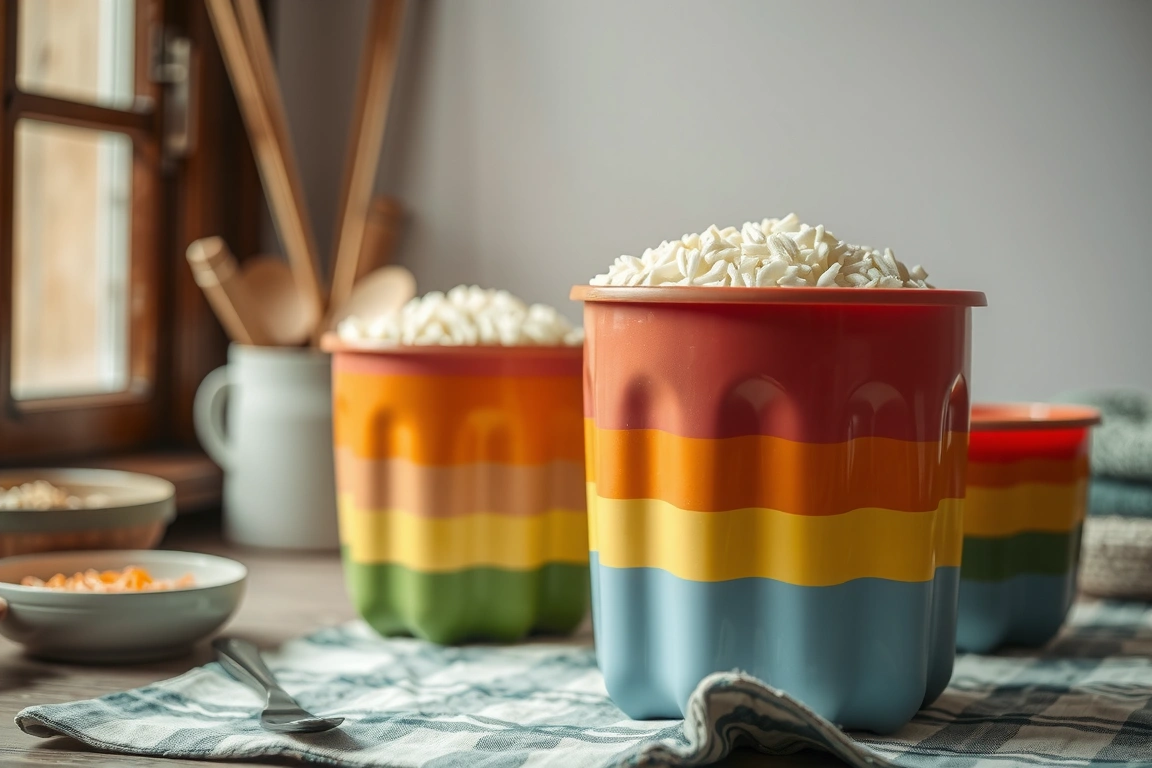
Prep time: 20 minutes active, plus 30 minutes drying. Play time: 15–25 minutes for a 2-year-old, 30–40 minutes for a 3-year-old. Best age: 18 months and up (watch for mouthing).
To dye the rice, put 1.5 cups of dry rice into a zip-top bag. Add 1 teaspoon of vinegar and the food coloring. Seal the bag and shake—let your toddler help with this part. Spread the rice on a baking sheet lined with wax paper and let it dry for 30 minutes. Repeat for each color. Once dry, combine all colors in a shallow bin. I use a 28-quart Sterilite latch box ($6.97 at Target). Add scoops, spoons, and small containers. Dollar Tree sells a set of three measuring cups for $1.25.
The flop: My first attempt used too much vinegar (I used a tablespoon per color), and the rice stayed damp and started to smell like a salad dressing after two days. Stick to 1 teaspoon. Also, if you have a toddler who still puts everything in their mouth, skip the rice and go for the oatmeal bin in the next section.
2. Oatmeal and Pasta Bins – Edible and Durable
For babies 6–12 months who are still exploring with their mouths, an edible sensory bin is a lifesaver. Rolled oats from the bulk bin cost $0.79 per pound at Sprouts. I use 3 cups of oats in a 6-quart bin. Add a few silicone muffin cups (a set of 12 from IKEA costs $2.99) and a soft spoon. The oats are safe to taste, though not exactly delicious. My 9-month-old spent 18 minutes just squishing the oats between her fingers—a full 18 minutes of quiet while I drank coffee.
For toddlers 12 months and older, dried pasta is a fantastic filler. A 1-pound box of rotini from Great Value costs $0.98. You can dye it the same way as rice (using vinegar and food coloring), but pasta holds color better and doesn’t crumble. For a two-color bin, use half rotini and half farfalle (bow-tie pasta). The shapes are easy for little hands to grasp. I dyed 2 cups of rotini yellow and 2 cups of farfalle green. Total cost: $1.96 for the pasta plus food coloring I already had. Prep time: 15 minutes active, 20 minutes drying. Play time: 20–30 minutes for a 2-year-old.
The flop: I once used orzo (the tiny rice-shaped pasta) thinking it would be a cheaper alternative. It was a disaster—the pieces stuck to everything, including my carpet, and took forever to vacuum. Stick to larger shapes like rotini, penne, or shells.
3. Water Beads and Ice Cube Bins – Cool Sensory Play
Water beads are a sensory heavyweight, but they come with a major caveat: they are a choking hazard if swallowed. The American Academy of Pediatrics recommends them only for children 3 years and older who don’t mouth objects. My son turned 3 in January, so we finally introduced them. You only need about 1 teaspoon of dehydrated beads to fill a quart-sized container. They expand in water for 4–6 hours. I put them in a glass bowl so my son could watch them grow—that observation alone bought me 10 minutes of engagement.
Ice cube bins are a messier but cheaper alternative. Fill an ice cube tray with water, drop in a small plastic animal or a berry, and freeze overnight. Pop the cubes into a shallow bin with a cup of warm water. My 2-year-old daughter spent 22 minutes trying to free a frozen strawberry from its ice prison. The cost
Related from our network
- How to Build a Smart Home in 2024: Beginner's Guide” – but need to check length. Let's count characters. “How to Build a Smart Home in 2024: Beginner's Guide” is 47 characters? Actually: H o w space t (smarthomegearreviews)
- How to Build a Smart Home with Voice Assistants in 2024 (informational) – check length: 48 chars? Actually “How to Build a Smart Home with Voice Assistants in 2024” is 49? Let's count: H o w space t o (kitchentechinsider)
- How to Build a Smart Home from Scratch in 2026′ – check length? Count: “How to Build a Smart Home from Scratch in 2026” = 43 characters? Actually let's count: H(1)o2w3 space4 t5o6 space7 B8u9i10l11d12 (smarthomegearreviews)
Are sensory bins really worth the mess for toddlers?
Absolutely! The mess is part of the fun and learning. Sensory play builds fine motor skills, encourages exploration, and can keep them engaged for longer than you'd think. Plus, with these affordable bins, the cost-per-minute of play is way better than any pricey toy. A small tarp or sheet makes cleanup a breeze.
I'm on a tight budget. Can I really make these for under $20?
Yes, you totally can! The key is using pantry staples like rice, beans, or pasta and dollar-store finds. The article's author built ten different bins for under $20 total by skipping fancy kits. Things like vinegar for dyeing or old kitchen tools for scooping keep costs super low.
My toddler has a short attention span. Will they actually play with these?
That's the beauty of variety! Having a few different bins ready to rotate means you can quickly swap when interest fades. Some bins, like water beads, require prep time, so having a quick-starter bin (like rainbow rice) on hand ensures instant engagement when the mood strikes.
What's the best sensory bin for a complete beginner?
Start with the Rainbow Rice Bin. It's a classic for a reason. It's cheap, easy to make with just rice, vinegar, and food coloring, and provides hours of scooping and pouring fun. It's also less messy than something like water or sand, making it a perfect first step into sensory play.
Your Weekly Dose of Inspiration
Journaling ideas, family tips, and gentle inspiration.
Related from our network

