

Creating a Foundation for Family Wellness
Building a strong foundation for family wellness requires intentional planning and commitment from every family member. Success begins with honestly assessing your family's current wellness baseline across physical, mental, and emotional health dimensions. Take time to evaluate eating habits, activity levels, sleep patterns, stress management, and family communication dynamics.

Setting Realistic Family Health Goals
The SMART goals framework adapts perfectly to family wellness when modified for multiple personalities and ages. Instead of setting individual goals, create shared family objectives that everyone can contribute to achieving. For example, rather than “everyone must exercise daily,” try “our family will engage in 30 minutes of active play together four times per week.”
Consider each family member's developmental stage, interests, and current health status. A preschooler's wellness goals will focus on basic habits like washing hands and trying new foods, while teenagers might work on sleep hygiene and stress management techniques. Parents should model goal-setting behavior while remaining flexible as family needs evolve.

Document goals using visual aids that appeal to your children's ages. Younger kids respond well to colorful charts and sticker rewards, while older children might prefer smartphone apps or journals to track progress. Board games like “The Game of Life: Healthy Living Edition” can make goal-setting discussions more engaging for the whole family.
Establishing Family Wellness Values
Creating a family wellness mission statement helps clarify shared values and provides direction during challenging times. Involve every family member in developing this statement through family meetings where everyone's voice matters. Ask questions like “What does being healthy mean to our family?” and “How do we want to take care of each other?”
Your family wellness values might include prioritizing home-cooked meals, spending time in nature, supporting each other's mental health, or maintaining work-life balance. Write these values in language that resonates with your family's personality and post them where everyone can see them daily.
Remember that values guide decisions when motivation wanes. When your teenager resists family dinner time or your spouse wants to skip the weekend hike, referring back to agreed-upon values helps redirect conversations toward shared commitments rather than individual preferences.
Getting Everyone on Board
Addressing resistance and varying motivation levels requires patience, creativity, and individualized approaches. Start by understanding each person's current relationship with health and wellness. Some family members might feel excited about changes, while others may feel overwhelmed or skeptical about new routines.
Age-appropriate involvement strategies ensure everyone feels valued in the process. Young children can choose between two healthy snack options or pick family activity themes. Elementary-aged kids might help with meal planning or select educational books about nutrition and exercise. Teenagers can research family-friendly fitness apps or lead discussions about mental health awareness.
Establish accountability systems that encourage rather than shame. Instead of punishments for missed goals, focus on problem-solving together. If someone struggles with a new habit, explore modifications or temporary adjustments. Maybe the planned evening walk becomes a dance party in the living room during bad weather, or meal prep gets simplified during particularly busy weeks.
Plan for obstacles and setbacks with flexible approaches that maintain momentum without perfectionism. Discuss common challenges your family might face: illness, travel, schedule conflicts, or seasonal changes. Having backup plans prevents derailment and teaches children that wellness requires adaptation rather than rigid adherence to rules.
Nutrition and Healthy Eating Habits
Nutrition forms the cornerstone of family wellness, yet busy schedules and conflicting preferences often make healthy eating feel overwhelming. The key lies in creating sustainable systems that work for your family's unique circumstances while gradually introducing better choices that everyone can enjoy.
Meal Planning for Busy Families
Weekly meal planning sessions involving all family members transform eating from a daily stress into an anticipated family activity. Schedule 20-30 minutes each weekend to plan the upcoming week's meals together. Let each person choose one meal, ensuring everyone feels heard while maintaining nutritional balance.
Focus on whole foods, seasonal ingredients, and balanced macronutrients while keeping preparation realistic for your schedule. Batch cooking grains, proteins, and chopped vegetables on Sunday creates building blocks for quick weeknight meals. Slow cooker and instant pot recipes work excellently for families who need dinner ready when they walk through the door.
Create themed nights to simplify decision-making: Meatless Monday, Taco Tuesday, or Soup Saturday. Themes provide structure while allowing creativity within boundaries. Stock your pantry with versatile staples like quinoa, canned beans, frozen vegetables, and quality oils that support multiple meal options.
Use meal planning cookbooks designed for families, or try apps that generate shopping lists from selected recipes. Some families enjoy creating their own recipe books featuring everyone's favorites, including photos and notes about modifications that worked well.
Teaching Children About Nutrition
Age-appropriate nutrition education through cooking activities builds lifelong healthy relationships with food. Preschoolers can wash vegetables, tear lettuce, and learn color recognition through rainbow meals. Elementary-aged children can measure ingredients, read simple recipes, and understand basic food groups through hands-on experience.
Make nutrition education fun rather than lecture-based. Use books like “Green Eggs and Ham” to discuss trying new foods, or “The Very Hungry Caterpillar” to talk about how food helps bodies grow. Create games around identifying nutrients: “Can you find three foods with vitamin C?” or “What foods give us energy to play?”
Involve children in grocery shopping with specific missions like finding the most colorful vegetables or comparing nutrition labels on different cereals. Teach them to read ingredients lists and understand that shorter lists with recognizable words usually indicate less processed foods.
Plant a family garden if space allows, or grow herbs in windowsill containers. Children who participate in growing food show increased willingness to try new vegetables and develop appreciation for fresh, whole foods.
Healthy Snacking Strategies
Establish regular family meal times without digital distractions to create positive eating environments where family members can focus on food enjoyment and conversation. Research shows that families who eat together regularly have children with better nutritional intake and stronger family bonds.
Stock healthy snack alternatives and create accessible snack stations that children can navigate independently. Prepare cut vegetables with hummus, fresh fruit portions, nuts and seeds (age-appropriate), or homemade energy balls made from dates and oats. Having ready-to-eat healthy options prevents hangry moments that lead to less nutritious choices.
Create snack guidelines rather than strict rules: “Choose one protein and one fruit” or “Try a vegetable with every snack.” This approach teaches decision-making skills while ensuring nutritional balance.
Managing Food Allergies and Dietary Restrictions
Navigate food allergies while maintaining family meal unity by focusing on naturally inclusive ingredients that everyone can enjoy safely. Rice, quinoa, fresh fruits and vegetables, and simple proteins work for most dietary restrictions.
Address picky eating with patience and creative presentation, understanding that multiple exposures to new foods may be necessary before acceptance. Serve new foods alongside familiar favorites, and avoid turning mealtime into battles that create negative food associations.
Budget-friendly strategies for healthy eating include buying seasonal produce, purchasing frozen fruits and vegetables, cooking larger batches for leftovers, and utilizing dried beans and lentils as inexpensive protein sources.
Physical Activity and Fitness for All Ages
Regular physical activity benefits every family member's physical health, mental wellbeing, and family bonding. The challenge lies in finding activities that engage different ages and fitness levels while fitting into busy schedules. Success comes from viewing movement as play and family time rather than exercise obligations.
Family-Friendly Exercise Activities
Design exercise routines that accommodate different fitness levels and ages by focusing on effort rather than performance. Family fitness should feel inclusive, ensuring the least fit member can participate fully while the most active person still feels challenged.
Start with activities that require minimal equipment or preparation: walking together after dinner, dancing in the living room, or playing active games like tag or hide-and-seek. These simple activities build the habit of moving together before progressing to more structured exercise.
Consider family-friendly fitness equipment that encourages group participation. A basketball hoop in the driveway, jump ropes for everyone, or a badminton set can provide years of active entertainment. Board games with active components, like “Twister” or movement-based charades, blend fun with fitness seamlessly.
Create family fitness challenges that span several weeks, like step-counting competitions or trying a new physical activity each month. Use fitness tracking apps or simple charts to monitor progress together, celebrating effort and improvement over absolute performance.
Creating Active Daily Routines
Incorporate movement into daily activities through walking meetings when parents need to discuss family business, active chores like vacuuming races or leaf-raking competitions, and taking stairs instead of elevators whenever possible.
Transform routine activities into movement opportunities. Park farther from destinations to add walking, have children deliver messages between family members instead of calling across the house, or do stretching exercises during television commercial breaks.
Set realistic activity goals based on current guidelines: 150 minutes per week for adults and 60 minutes daily for children. Break these into manageable chunks rather than lengthy workout sessions. Three 10-minute family dance parties throughout the week count toward weekly goals while feeling spontaneous and fun.
Make physical activity a positive experience rather than punishment or obligation. Avoid using exercise as consequences for behavior or diet choices, which creates negative associations with movement that can last lifelong.
Seasonal Outdoor Activities
Plan seasonal activities that take advantage of natural cycles and weather changes: hiking and cycling in spring and fall, swimming and water play in summer, skiing or sledding in winter. Seasonal activities prevent boredom while introducing variety that appeals to different preferences.
Create family traditions around seasonal activities. Annual camping trips, weekly summer hikes, or winter weekend ski outings give family members something to anticipate while building lasting memories associated with active lifestyles.
Address weather challenges by having backup plans that maintain activity levels. When rain prevents planned outdoor activities, indoor alternatives like yoga videos, obstacle courses created from furniture, or active video games keep movement consistent.
Indoor Movement Solutions
Create indoor workout spaces and rainy-day activity options that require minimal setup and equipment. Clear space in a basement, garage, or living room where family members can exercise together regardless of weather conditions.
Use technology positively through fitness apps designed for families, dance videos that appeal to different ages, or step challenges that gamify activity tracking. Many streaming services offer family-friendly workout content that makes exercise feel like entertainment.
Address screen time balance by using active alternatives to sedentary activities. Instead of watching television, try active video games that require movement, or alternate between screen time and movement breaks throughout longer entertainment periods.
Consider family sports leagues or classes that provide structured activity while building community connections with other active families. Many community centers offer family yoga, martial arts, or swimming classes designed for multiple ages.

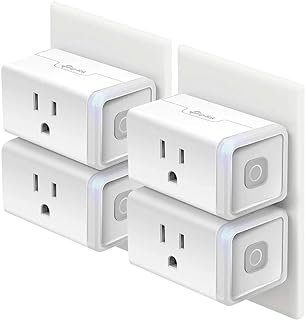
Check each product page for other buying options. Price and other details may vary based on product size and color.
Highly rated by customers for quality and value. Click to see current pricing and customer reviews.
More Top-Rated Options



Mental Health and Emotional Wellness
Mental health and emotional wellness form essential components of overall family wellness, yet many families struggle to address these aspects openly and effectively. Creating environments where emotions are acknowledged, discussed, and managed healthily benefits every family member's development and strengthens family relationships.
Building Emotional Intelligence in Children
Teaching emotional vocabulary and recognition skills to children begins with helping them identify and name feelings accurately. Use emotion wheels, feeling charts, or books that explore different emotions to expand children's emotional vocabulary beyond basic happy, sad, and mad categories.
Model healthy emotional expression by narrating your own feelings and coping strategies. When you feel frustrated in traffic, verbalize your experience: “I'm feeling impatient because we're running late. I'm going to take some deep breaths to help myself stay calm.” This demonstrates that all emotions are normal while showing healthy management techniques.
Create emotion check-in routines where family members share their current emotional state and any challenges they're facing. This might happen during dinner, bedtime, or car rides, providing regular opportunities for emotional expression and family support.
Use children's books that explore emotional themes appropriate for different ages. Picture books like “The Way I Feel” help young children identify emotions, while chapter books for older children can address more complex emotional situations like friendship conflicts or academic pressure.
Stress Management for Parents
Parent stress management directly impacts family emotional wellness since children often mirror their parents' emotional states and coping strategies. Prioritize your own mental health through regular self-care practices, whether that means morning meditation, evening walks, reading time, or connecting with supportive friends.
Practice stress-reduction techniques that can be used in front of children, teaching them healthy coping strategies through observation. Deep breathing exercises, progressive muscle relaxation, or brief mindfulness moments show children that managing stress is a normal, healthy practice.
Address common parenting stressors proactively by creating support systems with other parents, simplifying schedules when possible, and asking for help when needed. Remember that seeking professional mental health support models healthy help-seeking behavior for children.
Communicate with your partner or co-parent about stress management strategies and emotional support needs. When parents support each other's mental health, children feel more secure and learn about healthy relationships.
Creating Open Communication Channels
Implement regular family check-ins about emotions and challenges through structured conversations that feel safe and non-judgmental. These might be weekly family meetings, daily gratitude shares, or bedtime conversations where family members discuss highlights and challenges from their day.
Create safe spaces for discussing mental health without stigma by using age-appropriate language and normalizing emotional experiences. Explain that everyone experiences difficult emotions sometimes, and seeking help shows strength rather than weakness.
Teach active listening skills where family members practice giving full attention to the person speaking without immediately offering solutions or judgments. Model reflective listening by summarizing what you heard before responding with advice or questions.
Address different communication styles within the family, recognizing that some members might prefer written communication, one-on-one conversations, or creative expression through art or music rather than verbal discussion.
Mindfulness and Relaxation Techniques
Practice family mindfulness activities like meditation, gratitude exercises, or mindful eating that can be adapted for different ages and attention spans. Start with very brief sessions (2-3 minutes) and gradually increase duration as family members become more comfortable with the practices.
Establish bedtime routines that promote emotional regulation through calming activities like reading together, gentle stretching, listening to soothing music, or practicing gratitude by sharing three good things from the day.
Address anxiety and depression signs in family members by staying alert to changes in sleep patterns, appetite, social engagement, or mood that persist over time. Know when to seek professional mental health support and have resources readily available.
Create family relaxation traditions like Sunday afternoon rest time, evening meditation sessions, or weekend nature walks that provide regular opportunities for stress relief and emotional reset. Consider guided meditation apps designed for families or relaxation games that make mindfulness feel playful rather than forced.
Sleep Hygiene and Rest
Quality sleep affects every aspect of family wellness, from physical health and emotional regulation to academic performance and family harmony. Establishing consistent sleep hygiene practices benefits all family members while creating peaceful evening routines that strengthen family bonds.
Age-Appropriate Sleep Schedules
Establish consistent bedtime routines for all family members that account for different sleep needs across age groups. Toddlers need 11-14 hours of sleep per day, school-age children require 9-11 hours, teenagers need 8-10 hours, and adults function best with 7-9 hours nightly.
Address the unique challenges of teen sleep phase shifts, which naturally delay bedtime preferences due to hormonal changes. Work with teenagers to create realistic bedtimes that allow adequate sleep while accommodating their biological tendencies and school schedules.
Create family sleep schedules that allow for different bedtimes while maintaining some shared evening routines. Younger children might start bedtime preparations earlier, while older family members can participate in quiet evening activities that don't disrupt others' sleep preparation.
Handle common sleep challenges like night terrors in young children, sleep anxiety, or parent sleep deprivation due to caring for family members. Develop strategies specific to your family's sleep disruptions while maintaining overall sleep hygiene goals.
Creating Optimal Sleep Environments
Optimize bedroom environments by controlling temperature (ideally 65-68°F), minimizing light exposure through blackout curtains or eye masks, and reducing noise disruptions through white noise machines or earplugs when necessary.
Address different family members' sleep environment preferences while maintaining household harmony. Some people sleep better in completely dark rooms while others prefer small night lights. Some need absolute quiet while others sleep better with background noise.
Use natural light exposure to regulate circadian rhythms by spending time outside during daylight hours, especially in the morning. This helps family members maintain healthy sleep-wake cycles and fall asleep more easily at appropriate times.
Consider sleep-supporting products like comfortable pillows appropriate for different ages, mattresses that provide proper support, and breathable bedding materials that help regulate body temperature throughout the night.
Managing Screen Time Before Bed
Implement device-free bedtime policies with charging stations outside bedrooms that apply to all family members, including parents. The blue light emitted by screens interferes with melatonin production, making it harder to fall asleep naturally.
Create calming pre-sleep activities to replace screen time: reading together, gentle stretching or yoga, warm baths, listening to audiobooks or calming music, or practicing gratitude exercises. These activities signal to the body that sleep time approaches while providing positive family interaction.
Address common sleep disruptors beyond screens, including caffeine consumption (especially in teenagers), large meals close to bedtime, overstimulation from exciting activities, or anxiety about upcoming events.
Establish technology boundaries that the whole family follows, demonstrating that healthy sleep habits apply to everyone. When parents model good sleep hygiene, children more readily accept similar expectations for their own behavior.
Use sleep-tracking tools appropriately, helping older children and teenagers understand their sleep patterns without becoming obsessive about data. Some families enjoy comparing sleep quality as motivation for maintaining good sleep hygiene habits.
Digital Wellness and Technology Balance
Technology profoundly impacts modern family life, offering educational opportunities and connection while potentially disrupting family relationships, physical activity, and mental health. Achieving digital wellness requires intentional boundaries, modeling healthy technology use, and teaching children to navigate digital environments safely and thoughtfully.
Setting Healthy Screen Time Boundaries
Establish age-appropriate screen time limits based on current pediatric guidelines: minimal screen time for children under 18 months, up to one hour of high-quality programming for 2-5 year olds, and consistent limits for older children that prioritize sleep, physical activity, and face-to-face interaction.
Create family media agreements with clear expectations and consequences that apply to all family members. These agreements should address appropriate content, time limits, device-free zones, and consequences for misuse while remaining flexible enough to adapt as children mature.
Distinguish between different types of screen time, recognizing that educational content, creative activities, and video calls with family members provide more value than passive entertainment consumption. Help children understand these distinctions and make conscious choices about their technology use.
Use parental controls and monitoring tools appropriately to ensure safety while gradually increasing independence as children demonstrate responsible technology use. Explain monitoring as safety measures rather than lack of trust, and adjust supervision based on maturity and demonstrated responsibility.
Teaching Digital Citizenship
Teach critical thinking about social media and online content by discussing advertising tactics, fact-checking sources, and recognizing bias in digital information. Help children understand that online content is often curated and doesn't represent complete reality.
Address cyberbullying, online safety, and digital footprint awareness through ongoing conversations rather than one-time lectures. Discuss the permanence of digital communications and the importance of treating others with respect online just as they would in person.
Model positive digital citizenship by demonstrating thoughtful social media use, respectful online communication, and critical evaluation of digital information. Children learn more from observing parent behavior than from rules that parents don't follow themselves.
Teach children about privacy settings, safe password practices, and the importance of never sharing personal information with strangers online. Role-play different scenarios they might encounter and practice appropriate responses.
Creating Tech-Free Family Time
Implement tech-free zones in areas like the dining table, bedrooms, and car rides that encourage face-to-face conversation and family connection. These boundaries should apply to all family members to avoid feelings of unfairness.
Plan regular digital detox periods for the whole family, ranging from one hour of tech-free time daily to occasional weekend or vacation digital breaks. Start small and gradually increase duration as family members adjust to increased face-to-face interaction.
Balance educational technology use with recreational screen time by prioritizing homework, creative projects, and skill-building activities before entertainment consumption. Help children see technology as a tool for learning and creativity rather than just entertainment.
Create engaging alternatives to screen time that appeal to different ages and interests: board games, outdoor activities, art projects, cooking together, or reading aloud. Having ready alternatives prevents boredom that leads to excessive screen time.
Use technology to enhance rather than replace family experiences. Document family activities through photos or videos, research destinations for family trips, or use educational apps that promote learning together rather than solitary consumption.
Building Strong Family Connections
Strong family connections provide emotional security, support systems, and positive relationships that benefit every family member throughout their lives. Building these connections requires intentional effort, consistent practices, and adaptation as family members grow and change.
Quality Time Strategies
Schedule regular one-on-one time with each family member to strengthen individual relationships and address specific needs or interests. These special times don't need to be elaborate—even 15 minutes of focused attention can significantly impact relationship quality.
Create meaningful family traditions that strengthen bonds while reflecting your family's values and interests. Traditions might include weekly game nights, annual camping trips, holiday cooking sessions, or bedtime story routines that family members anticipate and remember fondly.
Plan weekly family activities that everyone enjoys by rotating who chooses the activity, ensuring all preferences receive consideration. Balance active and quiet activities, indoor and outdoor options, and individual versus group preferences.
Focus on presence rather than perfection during family time. Put away devices, minimize distractions, and give full attention to family interactions. Quality matters more than quantity when building strong family connections.
Family Traditions and Rituals
Develop both special occasion traditions and everyday rituals that create family identity and belonging. Special traditions might center around holidays, birthdays, or annual events, while daily rituals could include morning gratitude shares, bedtime stories, or Sunday family dinners.
Include children in creating and modifying family traditions so they feel ownership rather than obligation. Ask for input about holiday celebrations, vacation destinations, or new traditions they'd like to establish.
Share family history and values through storytelling, photo albums, or creating family trees that help children understand their place in the larger family narrative. Consider interviewing grandparents or other relatives to preserve family stories.
Celebrate individual achievements and family milestones through recognition rituals that acknowledge effort, growth, and important moments. This might include special meals for good grades, family cheers for sports achievements, or photo documentation of significant events.
Conflict Resolution Skills
Teach healthy conflict resolution and communication skills by modeling respectful disagreement and collaborative problem-solving when family conflicts arise. Show children that disagreement is normal while demonstrating constructive ways to address differences.
Practice active listening and empathy within family interactions by teaching family members to summarize what they heard before responding with their own perspective. This prevents misunderstandings and helps everyone feel heard and understood.
Establish family meeting protocols for addressing ongoing conflicts or making family decisions collaboratively. These meetings should follow consistent formats that ensure everyone's voice is heard while working toward mutually acceptable solutions.
Balance family time with individual space and autonomy, recognizing that strong family connections require both togetherness and independence. Respect family members' needs for alone time while maintaining connection through regular check-ins and shared activities.
Volunteer together as a family to build community connections while teaching children about service and empathy. Choose volunteer activities that match your family's values and abilities, whether that means serving meals at a homeless shelter, participating in community clean-up events, or visiting elderly neighbors.
Preventive Healthcare and Safety
Preventive healthcare forms a crucial foundation for family wellness, encompassing regular medical care, safety preparedness, and health education that protects family members while teaching them to advocate for their own health needs throughout their lives.
Regular Health Checkups and Screenings
Maintain updated vaccination schedules and regular physician visits for all family members according to recommended guidelines. Keep organized health records that include vaccination histories, allergy information, medication lists, and important medical contacts easily accessible for emergencies.
Teach children about body awareness and when to seek help by encouraging them to communicate about pain, discomfort, or changes in how they feel. Help them understand the difference between minor issues that will resolve on their own and symptoms that require adult attention.
Address seasonal health considerations like allergy management, sun protection during summer months, and winter safety measures including proper clothing and recognizing signs of cold-related illness. Prepare for seasonal challenges before they occur rather than reacting after problems develop.
Maintain open dialogue about body changes and health concerns, especially during adolescence when physical and emotional changes can feel overwhelming. Create environments where questions about health are welcomed and answered age-appropriately.
Emergency Preparedness
Create emergency action plans for various scenarios including natural disasters, medical emergencies, home accidents, and getting separated in public places. Practice these plans regularly so all family members know their roles and responsibilities during stressful situations.
Keep updated first aid kits in your home, vehicles, and travel bags while teaching basic first aid skills appropriate for different ages. Young children can learn to apply bandages and call for help, while older children and teenagers can learn more advanced first aid techniques.
Maintain emergency contact information in multiple locations and ensure all family members know important phone numbers, addresses, and meeting places. Consider emergency preparedness games or books that make safety planning feel less frightening for children.
Address teen-specific health needs including sexual health education, substance use prevention, and mental health awareness as they gain independence and face new social situations and pressures.
Teaching Health Advocacy Skills
Teach children to advocate for their health needs by encouraging them to ask questions during medical appointments, describe symptoms accurately, and speak up when something doesn't feel right with their bodies or emotions.
Stay informed about family medical history and genetic considerations that might affect health risks or preventive care needs. Share age-appropriate information with children about family health patterns while avoiding unnecessary anxiety.
Model good health advocacy by asking questions during your own medical appointments, seeking second opinions when appropriate, and demonstrating that patients have rights and responsibilities in their healthcare relationships.
Create health portfolios for each family member that include emergency contacts, allergy information, current medications, and relevant medical history. Teach older children and teenagers to maintain their own health information as they prepare for eventual independence.
Address common childhood and adolescent health concerns proactively through education and open communication rather than waiting for problems to develop. This includes topics like nutrition, exercise, sleep, mental health, and safety in various environments.
Sustainable Wellness Habits
Creating sustainable wellness habits requires realistic goal-setting, flexible approaches, and recognition that family wellness is an ongoing journey rather than a destination. Success comes from building systems that adapt to changing family needs while maintaining core healthy practices over time.
Making Changes That Stick
Start with small, manageable changes rather than complete lifestyle overhauls that feel overwhelming and are difficult to maintain long-term. Choose one or two specific habits to focus on for several weeks before adding additional changes, allowing time for new behaviors to become automatic.
Use habit stacking to build new behaviors onto existing routines by pairing desired habits with activities your family already does consistently. For example, add a gratitude share to dinner time, include stretching in bedtime routines, or pack healthy snacks while preparing school lunches.
Create visual reminders and tracking systems that motivate the family without becoming burdensome. Simple charts, photos, or apps can help maintain awareness of goals while celebrating progress toward healthy habits.
Build flexibility into wellness routines to prevent all-or-nothing thinking that derails progress when life gets complicated. Plan modified versions of healthy habits for busy days, travel, illness, or other disruptions that are inevitable in family life.
Adapting to Family Life Changes
Adapt wellness strategies as children grow and family dynamics change, recognizing that approaches that work for young families may need modification as children become teenagers or family circumstances evolve.
Plan for common obstacles including illness, travel, schedule changes, and holidays by developing contingency plans that maintain wellness priorities without adding stress during already challenging times.
Regular family wellness reviews and strategy adjustments help identify what's working well and what needs modification. Schedule monthly or quarterly family meetings specifically focused on wellness goals and practices.
Address resistance or motivation dips by exploring underlying causes and collaborative solutions rather than abandoning goals entirely. Sometimes resistance indicates that goals need adjustment rather than elimination.
Celebrating Progress and Milestones
Celebrate small wins and progress rather than focusing only on end goals or perfect adherence to wellness plans. Recognition of effort and improvement motivates continued engagement with healthy habits.
Create support networks with other families pursuing similar goals through community groups, school connections, or online communities that provide encouragement and accountability beyond your immediate family.
Document your family wellness journey through photos, journals, or scrapbooks that capture positive changes and memorable moments related to health goals. This documentation provides motivation during challenging times and creates positive associations with healthy living.
Focus on how healthy habits make your family feel rather than external measures like weight loss or athletic performance. Emphasize increased energy, better sleep, improved mood, and stronger family relationships as primary indicators of wellness success.
Plan regular family celebrations that acknowledge wellness achievements while reinforcing the importance of health in your family values. These celebrations might include special healthy meals, active outings, or recognition ceremonies that make healthy living feel rewarding and fun.
Related Articles
- The Ultimate Guide to Family Meal Planning
- The Ultimate Guide to Screen Time Management
- The Ultimate Guide to Family Bonding
- Family Budget Planning Guide
- Family Activities and Parenting Tips 2025

Written by Sarah Mitchell, M.S., CFLE
Founder & Lead Editor
Sarah is a Certified Family Life Educator with a Master's degree in Human Development and Family Studies from the University of Missouri. With 15+ years of experience as a parent educator and mother of three, she brings both professional expertise and real-world parenting wisdom to every article.
Credentials: M.S. in Human Development and Family Studies, Certified Family Life Educator (CFLE)