

Creative Family Craft Ideas for Rainy Days
We've all been there—rain pattering against the windows, kids bouncing off the walls, and that familiar question: “What can we do?” Rainy days don't have to mean endless screen time or cabin fever. With a little creativity and some basic supplies, you can transform a dreary afternoon into cherished family memories.

In this guide, you'll discover 25 creative family craft ideas that turn rainy days into opportunities for bonding, learning, and fun. These projects are organized by craft type, making it easy to find activities that match whatever supplies you have on hand. Whether you're working with paper, recycled materials, or items from nature, there's something here for every family and every age group.
Paper Crafts That Spark Imagination
Paper crafts are perfect for rainy days because the materials are usually already in your home. These creative family craft ideas require minimal setup and deliver maximum entertainment.

1. Paper Plate Masks
Materials needed: Paper plates, markers, scissors, yarn or elastic string, glue, and any decorative items like feathers, buttons, or fabric scraps.
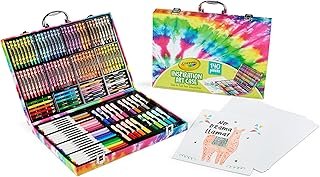
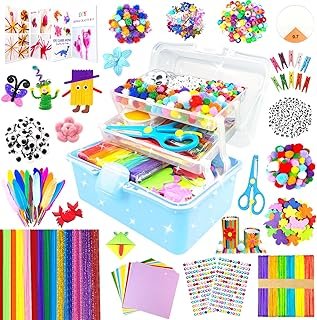
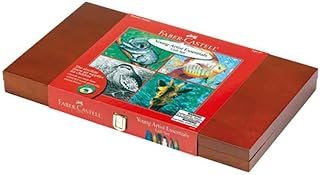
🎁 Top Picks for Your Family
As an Amazon Associate, we earn from qualifying purchases.
Instructions: Cut eye holes in the paper plate and let each family member design their own character—animals, superheroes, or imaginary creatures. Attach yarn or elastic to both sides so masks can be worn. Once everyone has created their mask, put on a family play or puppet show.
Why kids love it: Children get to become someone or something else entirely, encouraging imaginative play that often extends well beyond the crafting session itself.
2. Origami Menagerie
Materials needed: Origami paper or regular paper cut into squares, printed instructions or online tutorials, and markers for decorating.
Instructions: Start with simple designs like paper airplanes, boats, or fortune tellers before progressing to animals like cranes, frogs, or butterflies. Create a whole zoo or aquarium as a family project. Display finished pieces on a windowsill or hang them from the ceiling.
Why kids love it: There's something almost magical about transforming a flat piece of paper into a three-dimensional object through careful folding. Plus, origami improves fine motor skills and patience.
3. Homemade Greeting Cards
Materials needed: Cardstock or construction paper, markers, crayons, stickers, stamps, glue, and any decorative materials like ribbon, glitter, or magazine cutouts.
Instructions: Fold cardstock in half and let creativity flow. Make birthday cards for upcoming celebrations, thank-you notes, or “just because” cards for grandparents or friends. Teach older children how to write meaningful messages inside.
Why kids love it: Children feel proud knowing their handmade creation will bring joy to someone they care about, and it teaches the value of thoughtful gestures.
4. Paper Bag Puppets
Materials needed: Brown paper lunch bags, construction paper, markers, glue, scissors, and googly eyes if available.
Instructions: The bottom flap of the bag becomes the puppet's mouth. Glue on construction paper features, draw details with markers, and add yarn for hair. Create an entire cast of characters, then write and perform a puppet show together.
Why kids love it: These puppets are simple enough for young children but offer endless possibilities for storytelling and dramatic play.
5. Paper Chain Countdown Calendar
Materials needed: Construction paper strips, glue or stapler, markers for decorating each link.
Instructions: Create a paper chain with one link for each day until an upcoming event—a birthday, holiday, or the first day of school. Write activities, kind deeds, or jokes on each link. Remove one link each day and complete the activity written on it.
Why kids love it: It makes waiting for special events more tangible and gives children something to look forward to each day, building excitement and teaching patience.
Recycled Materials: Eco-Friendly Creativity
These rainy day crafts teach resourcefulness while reducing waste. You'll be amazed at what your recycling bin can become with a little imagination.
6. Cardboard Box Creations
Materials needed: Various sized cardboard boxes, scissors or box cutter (adult use only), markers, paint, tape, and decorative materials.
Instructions: Transform boxes into anything your family imagines—a castle, rocket ship, house, car, or robot costume. Cut windows and doors, paint exteriors, and add details with markers. Large appliance boxes work wonderfully for play houses or forts.
Why kids love it: A simple cardboard box becomes a portal to adventure, and children can customize their creation exactly how they envision it.
7. Egg Carton Caterpillars and Creatures
Materials needed: Egg cartons, paint, pipe cleaners, googly eyes, scissors, and glue.
Instructions: Cut egg cartons into sections—a row of cups makes perfect caterpillar bodies. Paint in bright colors, poke pipe cleaner antennae through the top, and glue on eyes. Create an entire garden of bugs, from ladybugs to butterflies to spiders.
Why kids love it: These creatures are adorable, quick to make, and perfect for younger children who need simpler projects with immediate results.
8. Tin Can Pencil Holders
Materials needed: Clean tin cans with smooth edges, construction paper, glue, decorative materials like buttons or ribbon, and markers.
Instructions: Wrap cans in construction paper and secure with glue. Decorate with drawings, stickers, or collaged magazine pictures. These make wonderful gifts for teachers or can organize craft supplies, creating a productive cycle.
Why kids love it: They create something functional that they'll actually use, and it's satisfying to see trash transformed into treasure.
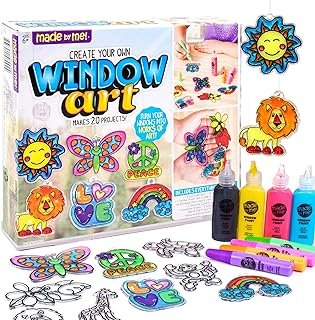
Made By Me Window Art Kit
Create colorful suncatchers with paints and frames for 12 projects
🎁 More Great Options
As an Amazon Associate, we earn from qualifying purchases.
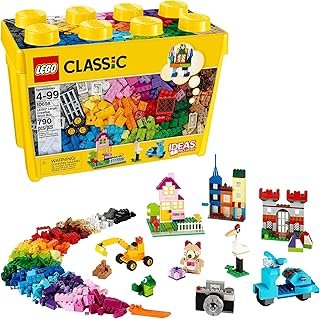
LEGO Classic Creative Brick Box
484 pieces in 35 colors for open-ended building fun
As an Amazon Associate, we earn from qualifying purchases. Prices updated regularly.
24. Bottle Bowling Game
Materials needed: 10 empty plastic bottles, sand or water for weight, paint or markers for decorating, and a soft ball.
Instructions: Clean bottles and add a small amount of sand or water for stability. Decorate each bottle as a character—monsters, animals, or paint them like traditional bowling pins. Set up in a triangle formation and use a soft ball to bowl.
Why kids love it: It's an active indoor game that they helped create, plus it teaches counting, turn-taking, and friendly competition.
25. Memory Matching Game
Materials needed: Index cards or cardstock cut into matching rectangles, markers or stickers, and envelopes for storage.
Instructions: Create pairs of matching cards using drawings, stickers, or simple shapes. For younger children, use 6-8 pairs; for older kids, increase to 12-15 pairs. Personalize with family photos, favorite characters, or educational content like sight words or math problems.
Why kids love it: They can customize difficulty and themes to their interests, and playing their own creation feels more engaging than store-bought games.
Bonus Tips for Rainy Day Craft Success
Make your indoor craft projects smoother and more enjoyable with these practical preparation and engagement strategies.
Preparation tips: Keep a dedicated craft bin stocked with basic supplies—paper, glue, scissors, crayons, and tape. Save recyclables throughout the week in a designated box. When rainy days hit, you'll be ready without last-minute store runs. Set up a crafting station with washable tablecloth or newspaper protecting surfaces.
Cleanup tips: Make cleanup part of the creative process by setting a timer and making it a game. Use muffin tins to organize small items, and keep wet wipes handy for quick hand cleaning. Assign each family member a cleanup task so everyone contributes. Take before and after photos to show the transformation.
Engagement tips: Join in rather than just supervising—children are more engaged when you craft alongside them. Put on music to create a festive atmosphere. For multiple children, assign age-appropriate variations of the same project so everyone participates. Don't worry about perfection; focus on process over product and praise effort and creativity rather than results.
Extension ideas: Photograph finished projects and create a digital or physical craft portfolio. Display artwork prominently—rotate a gallery wall or create a special shelf. Use crafts as gifts for holidays or thank-you presents. Connect crafts to books you're reading or topics children are learning in school.
Frequently Asked Questions
How do I keep multiple ages engaged in the same craft project?
Choose crafts with flexible complexity levels. For example, with paper plate masks, younger children can simply color and add basic features while older kids design elaborate characters with layered materials. Assign older children as helpers who can assist younger siblings, creating opportunities for bonding. Alternatively, set up stations with different activities so each child works at their own level.
What if my child gets frustrated or loses interest quickly?
It's perfectly normal for children to have shorter attention spans, especially younger ones. Keep projects simple and break them into smaller steps with natural stopping points. Don't insist on completion—half-finished projects can be revisited later. Sometimes the value is in the process, not the final product. If frustration appears, take a break and return with fresh energy, or pivot to a different activity entirely.
How can I make cleanup manageable with younger children?
Prevention is easier than cleanup, so contain messes from the start. Use trays or mats to define craft zones, dress kids in old clothes or smocks, and choose washable supplies. Make cleanup collaborative and fun by singing cleanup songs, racing against a timer, or turning it into a sorting game. Simplify by having designated homes for supplies with picture labels so even non-readers know where items belong.
Are these crafts suitable for only children or single-parent households?
Absolutely! These creative family craft ideas work beautifully in all family structures. If it's just you and one child, enjoy one-on-one bonding time and deeper conversations while crafting. Invite neighborhood friends or cousins to join occasionally for social interaction. Single parents can prep supplies during quiet times so crafting together requires minimal setup, maximizing quality time.
How do I store all the finished projects without cluttering our home?
Create a rotating display system where new projects replace old ones on a gallery wall or shelf. Photograph everything before storage or disposal—digital albums preserve memories without physical clutter. Keep a memory box for truly special pieces. Some projects, like games or toys, earn their space by providing ongoing play value. Be honest about what you'll realistically keep, and teach children that creating is often more valuable than keeping every creation.
Ready for Your Next Rainy Day?
Rainy days are no longer something to dread—they're opportunities to slow down, create together, and build memories that last far beyond the weather. These 25 creative family craft ideas give you a starting point, but the real magic happens when your family adds personal touches and makes each project your own.
Remember, the goal isn't Pinterest-perfect creations. It's the laughter when paint spills, the proud smile when your child shows you their finished work, and the quiet moments of concentration as little hands carefully glue pieces together. These are the moments of family flourishing.
So next time rain patters against the windows, grab your craft bin, gather your family, and let creativity flow. You're not just filling time—you're creating traditions, teaching skills, and showing your children that joy isn't found in expensive entertainment but in what we create together.
Save this list for your next rainy day, and share it with other parents who could use creative inspiration. What's your family's favorite rainy day craft? We'd love to hear how you make these projects your own!
Related Articles
- The Ultimate Guide to Sibling Conflict
- The Ultimate Guide to Family Meal Planning
- The Ultimate Guide to Kids Educational Games
- 20 Fun DIY Crafts to Strengthen Family Bonds
- The Ultimate Guide to Screen Time Management

Written by Sarah Mitchell, M.S., CFLE
Founder & Lead Editor
Sarah is a Certified Family Life Educator with a Master's degree in Human Development and Family Studies from the University of Missouri. With 15+ years of experience as a parent educator and mother of three, she brings both professional expertise and real-world parenting wisdom to every article.
Credentials: M.S. in Human Development and Family Studies, Certified Family Life Educator (CFLE)