



Your child's anxiety often hides behind physical complaints like frequent stomachaches or headaches, especially before school or social events. Watch for perfectionism, excessive worry about mistakes, sudden mood swings, and sleep disruptions that emerge after smooth routines. If your child withdraws from previously enjoyed activities, shows persistent irritability, or experiences symptoms lasting beyond 2-3 weeks that disrupt daily functioning, these are red flags requiring attention. Understanding these subtle signs and knowing when professional intervention becomes necessary can help you support your child effectively.
Key Takeaways
- Physical complaints like frequent stomachaches or headaches may indicate anxiety, as children often express emotional distress through somatic symptoms.
- Perfectionism and excessive worry about mistakes can signal anxiety, especially when children internalize unrealistic expectations and show overwhelming performance pressure.
- Sudden mood changes and irritability over minor issues may reflect underlying anxiety, particularly during routine disruptions or increased academic demands.
- Social withdrawal, including avoiding activities or declining invitations, often indicates anxiety masked by physical complaints or reluctance to participate.
- Sleep disruptions like bedtime resistance or frequent awakenings may signal anxiety, especially when occurring after previously established smooth routines.
Physical Complaints Without Medical Cause

When your child complains of a stomachache before school yet seems fine on weekends, you're likely witnessing anxiety in disguise. Young children often lack the vocabulary to express their worries, so they communicate emotional distress through physical symptoms instead.

These somatic complaints—headaches, nausea, or unexplained pain—typically have no identifiable medical cause.
You'll want to monitor patterns carefully. Do these physical symptoms appear before social events or academic challenges? This timing reveals the anxiety-emotional connection that many parents initially miss. Rather than dismissing these complaints as excuses, recognize them as legitimate expressions of your child's internal struggle.
Early intervention is critical for anxiety in children. Without proper support, these symptoms can persist and evolve into chronic health issues that affect overall functioning. Just as traumatic news events can trigger anxiety responses in children, everyday stressors like school or social situations can manifest through unexplained physical complaints.
Sleep Disruptions and Nighttime Fears
If your child suddenly resists bedtime after years of smooth routines, you're likely observing anxiety's nocturnal footprint. Sleep disruptions in anxious children manifest as difficulty falling asleep, frequent awakenings, or intense nighttime fears that seem disproportionate to their triggers.
Sudden bedtime resistance after years of peaceful routines signals anxiety's nighttime presence in your child's world.
You might notice your child clinging to you at bedtime or insisting on co-sleeping—behaviors reflecting their need for security when anxiety peaks.
Nightmares occur more frequently in anxious children, as racing thoughts and unprocessed worries surface during sleep. This creates a challenging cycle: poor sleep intensifies anxiety symptoms, while heightened anxiety further disrupts rest.
When you observe recurring sleep issues, you're witnessing more than typical childhood resistance; you're seeing anxiety's impact on your child's developing brain and body.
Monitor these patterns carefully. Addressing sleep disruptions early prevents chronic insomnia and breaks the anxiety-sleep cycle. Your child's sleep quality directly influences their emotional regulation, academic performance, and overall well-being.
Finding evidence-based treatment for childhood anxiety can help address both the underlying mental health concerns and their impact on sleep patterns.
Perfectionism and Fear of Mistakes
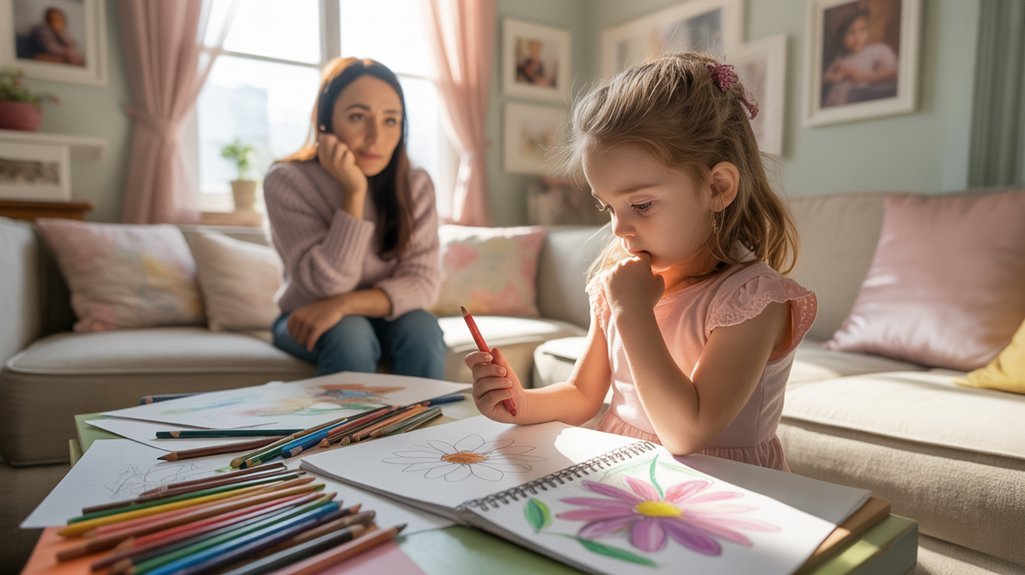
Anxiety doesn't only disrupt your child's nights—it infiltrates their daily achievements and self-perception. When you notice your child erasing homework repeatedly or refusing to try new activities, you're witnessing perfectionism—a subtle anxiety symptom parents frequently overlook.
Children with perfectionism internalize unrealistic expectations, developing an excessive worry about making mistakes. Research shows they experience intense shame when failing to meet self-imposed standards, triggering avoidance behaviors and social withdrawal.
High-achieving children often report feeling overwhelmed by performance pressure, leading to chronic stress.
Watch for perfectionistic self-talk like “I'm terrible at this” or “It has to be perfect.” These patterns indicate anxiety-related distress that requires your attention.
You can help by shifting focus from outcomes to effort. Praise your child's persistence rather than results.
Model self-compassion when you make mistakes. Teaching healthy coping strategies that embrace imperfection helps anxious children develop resilience and reduces their fear of failure. The first three years are especially critical since they establish the foundation for lifelong mental health and well-being patterns.
Sudden Mood Changes and Irritability
Your child's sudden tears over mismatched socks or explosive anger about minor homework changes might signal anxiety rather than deliberate misbehavior. When children struggle with underlying anxiety issues, they often lack the emotional capacity to handle routine disruptions that wouldn't typically cause distress.
These sudden mood changes manifest as heightened irritability, particularly during changes like starting a new school year or facing increased academic pressure. What appears as defiance is frequently an anxious child's overwhelmed nervous system responding to perceived threats.
You'll notice patterns emerging—emotional outbursts triggered by seemingly small events, difficulty recovering from minor setbacks, or disproportionate reactions to everyday changes. Instead of labeling these behaviors as problematic, consider them potential anxiety signals requiring investigation.
Recognizing this connection between irritability and anxiety enables timely intervention. When you identify these patterns early, you can provide appropriate support, helping your child develop coping strategies before anxiety becomes more entrenched in their daily functioning.
Social Withdrawal and Avoidance Behaviors
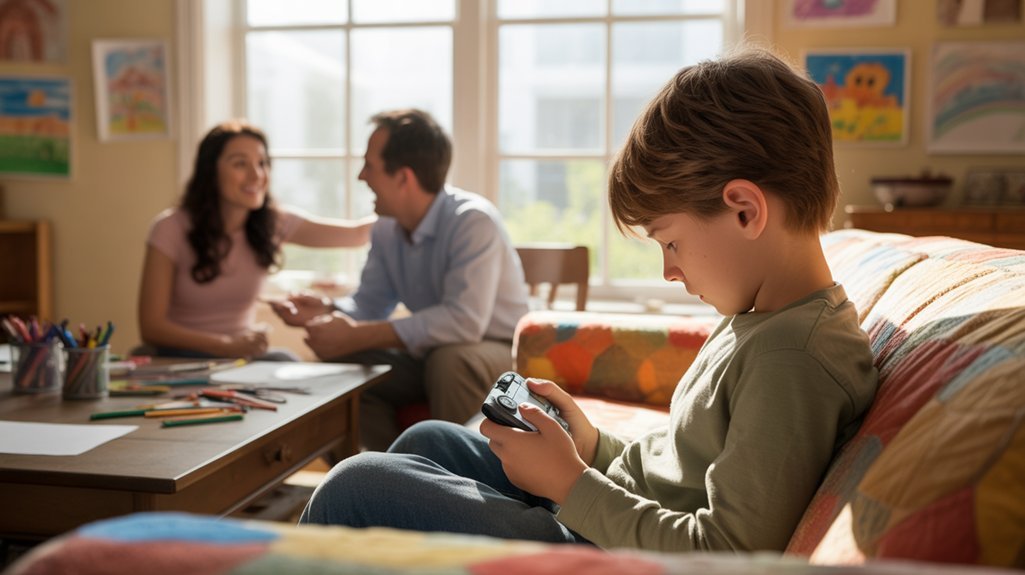
When your child suddenly declines birthday party invitations or makes excuses to skip soccer practice they once loved, you're witnessing potential anxiety rather than simple disinterest.
Social withdrawal in anxious children often disguises itself as physical complaints or last-minute reluctance to attend school events. These avoidance behaviors serve as protective mechanisms against anxiety triggers, but they can intensify emotional struggles over time.
You might notice your child increasingly isolating from friends or abandoning extracurricular activities they previously enjoyed. While occasional shyness is developmentally normal, persistent patterns of social withdrawal warrant attention.
The distinction matters because untreated social anxiety can lead to prolonged isolation and depression. Early intervention helps children develop coping strategies to confront their fears rather than retreat from them.
When you observe consistent avoidance patterns—especially changes from previous behavior—consider consulting a pediatric mental health professional who can provide appropriate support and guidance. Understanding your child's developmental milestones can help you distinguish between normal behavioral changes and signs that may require professional attention.
Recognizing Hidden Anxiety Signs

How can you identify anxiety in your child when they're unable or unwilling to name what they're feeling? Anxious children often communicate emotional distress through their bodies and behaviors rather than words.
Early detection requires looking beyond surface-level explanations for what might appear as typical behavioral issues.
Watch for these physical manifestations of anxiety symptoms:
- Unexplained stomach complaints before school that mysteriously disappear on weekends
- Restless nights filled with tossing, turning, and tearful awakenings from nightmares
- Clenched fists and tense shoulders during seemingly routine changes or activities
Your child's sudden irritability or mood swings might reflect internal struggles they can't verbalize.
When they act out or become dysregulated, consider whether anxiety—not defiance—drives their behavior. Their difficulty expressing feelings creates frustration that manifests as apparent misbehavior.
When to Seek Professional Help
Recognizing when your child's anxiety requires professional intervention can prevent long-term challenges and support healthy development.
If symptoms persist beyond a few weeks, disrupt daily activities like school or friendships, or manifest as unexplained physical complaints, it's time to consult a mental health professional.
Pay particular attention to severe warning signs such as school refusal, withdrawal from previously enjoyed activities, or any mention of self-harm—these situations demand immediate evaluation.
Symptoms Persist Beyond Weeks
While occasional worries are a normal part of childhood development, anxiety that lingers beyond two to three weeks warrants closer attention—particularly when it disrupts your child's daily functioning.
Persistent anxiety symptoms like recurring stomachaches without medical cause or refusing to attend school signal the need for professional evaluation. Watch for emotional outbursts and irritability that don't subside, as these often indicate significant anxiety issues requiring expert guidance.
You'll also want to note regression in behavior—when your child withdraws from previously enjoyed activities or relationships.
If they're avoiding social interactions or experiencing mood swings that persist, don't hesitate to reach out to a mental health professional. Early intervention provides children with coping strategies that support their long-term emotional development and well-being.
Daily Functioning Significantly Impaired
When anxiety prevents your child from completing everyday tasks—getting ready for school, eating meals with the family, or sleeping through the night—it's time to consult a mental health professional.
Daily life shouldn't feel like an obstacle course for children struggling with emotional distress.
Watch for patterns where anxiety disrupts normal routines: persistent school refusal, withdrawal from friendships, or recurring physical complaints without medical explanation. These signs indicate your child needs professional support beyond what you can provide at home.
Mental health professionals can assess whether avoidance behaviors and emotional dysregulation require intervention. Early treatment prevents anxiety from escalating into depression or social isolation.
Don't wait for symptoms to worsen—seeking help demonstrates strength and protects your child's developmental trajectory. Professional guidance equips both you and your child with effective coping strategies.
Physical Complaints Without Medical Cause
Your child's frequent stomachaches and headaches might signal anxiety rather than physical illness—especially if medical evaluations reveal no underlying condition.
Children often lack vocabulary to express emotional distress, manifesting anxiety through physical complaints instead. Pay attention to patterns: Do symptoms emerge before school settings or social events? Document these occurrences to help healthcare providers assess the connection between physical complaints and emotional health.
If symptoms persist beyond a few weeks or disrupt daily activities, seek professional help. A qualified mental health provider can evaluate whether anxiety disorders underlie these complaints.
Early intervention supports your child's developing coping skills and prevents escalation. Remember, addressing these concerns isn't overreacting—it's responding to your child's genuine needs with compassion and appropriate care.
School Refusal or Absenteeism
School refusal represents more than typical reluctance—it's a persistent pattern where anxiety prevents your child from attending school despite your best efforts.
Watch for physical symptoms like stomachaches or headaches appearing before school, which signal anticipatory anxiety. Your child might express excessive worry about academic performance, fear social interactions, or experience panic attacks related to school settings.
Early intervention is critical. Untreated school refusal can lead to chronic anxiety disorders and long-term academic and social difficulties.
If avoidance behaviors persist beyond a few weeks or markedly disrupt daily functioning, it's time to seek professional help. A mental health specialist can assess underlying anxiety and develop targeted interventions.
Self-Harm Thoughts or Behaviors
If your child mentions self-harm—even casually—treat it as an urgent signal requiring immediate professional attention. Approximately 17% of adolescents seriously consider self-harm, often as a coping mechanism for overwhelming emotional distress tied to anxiety.
Warning signs can be subtle: increased withdrawal, sudden behavioral shifts, expressing worthlessness, or heightened irritability. Your child might talk about wanting to escape or feeling hopeless.
Don't dismiss these indicators—they frequently precede actual self-harming behaviors.
Open communication remains essential, but professional intervention is non-negotiable when self-harm emerges. A mental health professional can provide evidence-based treatment that greatly reduces future risk and strengthens your child's emotional well-being.
Your vigilance and prompt action create a protective barrier between anxious thoughts and harmful actions.
Calming Anxious Kids at Home
When your child's anxiety surfaces at home, you have a unique opportunity to create a safe haven where they can learn to manage their fears and build resilience.
Start by establishing open communication where your child feels comfortable expressing their worries without judgment. Teaching simple breathing exercises and mindfulness techniques gives them practical coping skills they can use independently during stressful moments.
Consider these calming strategies that engage multiple senses:
- Create a cozy relaxation corner with soft pillows, dim lighting, and favorite books where your child can retreat when overwhelmed.
- Incorporate regular physical activities like family walks, dancing, or yoga that naturally release tension and boost mood.
- Establish predictable bedtime routines with calming activities like reading together or gentle music to improve sleep quality.
Remember to validate your child's feelings consistently.
When you offer reassurance while helping them develop their own anxiety management tools, you're building their confidence and long-term emotional resilience.
You're Not Alone

As you navigate your child's anxiety, it's important to know that approximately one in seven adolescents worldwide experiences similar challenges. You're part of a community of parents facing these emotional hurdles together.
Many families struggle to recognize anxiety's subtle signs, often attributing physical complaints and behavioral changes to other causes. Understanding that seeking support isn't a sign of failure—it's proactive parenting—can enhance your family's journey.
| What Parents Often Experience | The Reality |
|---|---|
| Feeling isolated in the struggle | Millions of families face childhood anxiety daily |
| Uncertainty about seeking help | Early intervention prevents long-term consequences |
| Guilt about missing signs | Anxiety symptoms are subtle and easily overlooked |
Connecting with other parents, consulting professionals, and learning about anxiety enables you to provide the emotional support your child needs. Remember, reaching out strengthens both you and your child, creating pathways toward resilience and healing.
Frequently Asked Questions
What Happens if Childhood Anxiety Is Left Untreated?
If your child's anxiety goes untreated, you'll likely see untreated anxiety effects that create long term consequences affecting their entire future.
They'll face emotional development challenges that damage self-esteem and coping mechanism issues that persist into adulthood.
You'll notice social interaction difficulties as they withdraw from peers, potentially leading to depression and substance abuse.
Early intervention is essential—by recognizing and addressing anxiety now, you're protecting your child's academic success, relationships, and mental health for years to come.
What Is the Biggest Predictor of Childhood Anxiety?
Like a family tree casting shadows across generations, genetic predispositions remain the strongest predictive factor for childhood anxiety. If you've experienced anxiety yourself, your child faces considerably higher risk.
However, environmental influences—including trauma and social interactions—interweave with these genetic tendencies. You can't change family history, but early interventions make substantial differences.
What Is the 3 3 3 Rule for Anxiety Kids?
The 3 3 3 technique helps your child ground themselves by naming three things they see, hear, and touch.
This mindfulness practice serves as one of the most effective anxiety coping strategies, promoting emotional regulation during stressful moments.
You'll enable your child to build essential anxiety support systems by practicing this method together during calm times.
It's a developmentally appropriate tool that gives kids immediate control, helping them redirect overwhelming thoughts toward their present environment with confidence.
What Type of Parenting Causes Anxiety in Children?
You'll find that overprotective parenting, high expectations, and inconsistent discipline are primary contributors to childhood anxiety.
When you're overly controlling, you're preventing your child from developing essential coping skills.
A perfectionist mindset and unrealistic standards create constant fear of failure.
Lack of communication about emotions leaves children feeling unsupported and confused.
If you're inconsistent with rules, you're inadvertently creating insecurity.
Conclusion
You've learned to read the whispers beneath your child's words—the stomach aches that speak of worry, the perfectionism that masks fear. These signs aren't puzzle pieces you've failed to notice; they're a map showing you where your child needs support. Trust what you're seeing. Whether you start with calming strategies at home or reach out to a professional, you're already doing the essential work: paying attention, staying present, and helping your child navigate their emotional landscape.
Related Articles
- The Ultimate Guide to Sibling Conflict
- The Ultimate Guide to Family Meal Planning
- The Ultimate Guide to Kids Educational Games
- 20 Fun DIY Crafts to Strengthen Family Bonds
- The Ultimate Guide to Bedtime Routine

Written by Sarah Mitchell, M.S., CFLE
Founder & Lead Editor
Sarah is a Certified Family Life Educator with a Master's degree in Human Development and Family Studies from the University of Missouri. With 15+ years of experience as a parent educator and mother of three, she brings both professional expertise and real-world parenting wisdom to every article.
Credentials: M.S. in Human Development and Family Studies, Certified Family Life Educator (CFLE)