



You can strengthen your child's immune system through five evidence-based approaches: prioritizing nutrient-dense whole foods that support the 70% of immune function originating in the gut, ensuring age-appropriate sleep duration to boost cytokine production, facilitating 60 minutes of daily physical activity for improved lymphocyte circulation, implementing stress-reduction strategies to counter cortisol's immunosuppressive effects, and practicing proper hygiene with 20-second handwashing that reduces respiratory infections by 21%. Each intervention creates measurable improvements in immune competence, and understanding the specific mechanisms behind these strategies will help you implement them effectively in your family's daily routine.
Key Takeaways
- Feed children whole foods like citrus fruits, leafy greens, yogurt, and berries while limiting sugar to strengthen immune cell function.
- Ensure age-appropriate sleep duration: toddlers need 11-14 hours, preschoolers 10-13 hours, and school-age children 9-12 hours nightly.
- Encourage 60 minutes of daily outdoor physical activity to boost natural killer cells and vitamin D synthesis from sunlight.
- Teach proper handwashing for 20 seconds at key moments to reduce respiratory infections by 21% and gastrointestinal illnesses by 31%.
- Support emotional wellness through creative play and family time to reduce stress hormones that suppress immune function.
The Foundation: Nutrition and Diet for Immune Strength

Because approximately 70% of immune function originates in the gastrointestinal tract, your child's dietary choices directly determine their capacity to resist infection and maintain health.

Your child's dietary choices directly shape their immune strength, as 70% of immune function begins in the gut.
A balanced diet centered on whole foods—fruits, vegetables, whole grains, and lean proteins—delivers essential nutrients like vitamins C and E, zinc, and omega-3 fatty acids that fortify the immune system naturally.
Focus on immune-boosting foods that improve cellular defense mechanisms. Citrus fruits, leafy greens, yogurt, and berries promote white blood cell production while supplying antioxidants that prevent cellular damage.
Fermented foods containing probiotics foster diverse gut microbiota, directly supporting immune resilience.
Limit sugar consumption strategically. High sugar intake suppresses immune response by 45% for several hours, compromising your child's defenses. Replace sugary snacks with nutrient-dense alternatives like fresh fruits and unsweetened yogurt.
Consistent variety in a healthy diet builds strong gut health, establishing the biological foundation for lifelong immune competence in the children you serve.
Just as early immunizations protect against serious diseases, proper nutrition provides the foundation your child's immune system needs to develop and function effectively throughout their growth.
Sleep Quality and Its Direct Impact on Children's Immunity
While nutrition establishes the biochemical foundation for immune defense, sleep operates as the body's primary restorative mechanism that directly determines how effectively your child's immune system functions.
Quality sleep boosts protective cytokine production—proteins essential for fighting infections and inflammation. During deep sleep phases, immune memory consolidates, enabling more effective pathogen recognition and response.
Sleep deprivation compromises vaccine effectiveness, leaving children vulnerable to preventable infections. Research confirms preschoolers require 10-13 hours nightly for ideal immune function. This isn't negotiable—it's biological necessity.
You'll enhance immune system support by establishing a consistent bedtime routine. This predictability signals the body to initiate restorative processes, improving sleep quality and strengthening immune responses.
Implementing proven sleep training methods can help establish these healthy sleep patterns that directly support your child's developing immune system.
When you prioritize these sleep parameters for the children in your care, you're directly influencing their capacity to mount strong defenses against pathogens.
Sleep quality and immune function are inseparably linked in pediatric development.
Physical Activity and Outdoor Play Benefits

Physical activity functions as a biological catalyst for immune optimization, directly enhancing lymphocyte circulation and natural killer cell activity in developing bodies. Regular physical activity strengthens immune response by facilitating efficient cell transport throughout vascular systems, enabling rapid pathogen detection and elimination.
You'll want to guarantee children achieve 60 minutes of daily movement, with outdoor play offering compounded benefits. Sunlight exposure during these activities stimulates vitamin D synthesis, essential for activating T-cell function and antimicrobial peptide production. This dual mechanism supports both physical health and immune competence.
Outdoor play simultaneously addresses emotional health by reducing cortisol production—a stress hormone that suppresses immune function. Nature exposure lowers stress levels while encouraging cooperative interactions, building emotional resilience that directly correlates with improved immune markers.
The integration of movement, sunlight, and social engagement creates a synergistic effect, optimizing both immediate immune function and long-term health trajectories in developing children. When parents maintain their own healthy behaviors through regular physical activity and outdoor engagement, they model positive lifestyle choices that children naturally adopt and sustain throughout their development.
Managing Stress and Supporting Emotional Wellness
When stress hormones remain heightened in children's developing systems, cortisol actively suppresses lymphocyte proliferation and reduces immunoglobulin production, creating measurable immune vulnerabilities. Managing stress becomes a critical component of immune health, requiring intentional intervention strategies.
You'll improve emotional wellness by teaching children developmentally-appropriate coping mechanisms. Deep breathing exercises, mindfulness practices, and outdoor engagement effectively regulate stress responses. These stress-relief activities provide concrete tools children can independently deploy during challenging situations.
Supportive environments prove foundational for immune function. When you encourage open communication about feelings, children develop emotional resilience that directly correlates with improved immunological markers. Research demonstrates that positive relationships buffer stress-related health risks through measurable physiological pathways.
Incorporate creative play and dedicated family time as structured stress-relief activities. These interventions build emotional resilience while simultaneously supporting immune health through reduced cortisol levels and improved neuroendocrine function.
Your consistent attention to children's emotional wellness creates protective factors that extend beyond psychological benefits into tangible immunological advantages. The first three years are particularly crucial for establishing these protective emotional foundations that support both mental health and immune system development throughout life.
Vitamins, Minerals, and Natural Supplements for Immune Support

Beyond behavioral interventions, targeted nutritional support provides measurable immunological benefits through specific micronutrient pathways. You'll bolster children's defenses by prioritizing essential vitamins and minerals proven to improve immune support.
Vitamin C promotes white blood cell production, critical for fighting infections. You'll find it in citrus fruits, berries, and leafy greens.
Vitamin D activates immune defenses—children with deficient levels face heightened respiratory infection risks.
Zinc maintains immune system functionality and accelerates wound healing through lean meats, shellfish, legumes, and seeds.
Probiotics deserve particular attention since approximately 70% of immune function originates in the gut. You'll support beneficial bacteria through yogurt and fermented foods, directly strengthening immunity.
While herbal remedies like elderberry and echinacea show promise as immune-boosting agents, you must consult healthcare providers before introducing supplements. This guarantees appropriate dosing, safety verification, and compatibility with each child's developmental stage and existing health conditions.
Creating a Healthy Environment and Hygiene Practices
You'll strengthen your child's immune defenses by establishing a clean, low-toxin home environment paired with consistent hygiene routines.
Focus on three evidence-based strategies: teaching proper handwashing techniques that remove 99% of pathogens when done correctly for 20 seconds, maintaining indoor air quality through ventilation and filtration systems, and systematically reducing household chemical exposures from cleaning products and materials.
These environmental modifications work synergistically with nutrition and sleep to create ideal conditions for developing immune resilience during critical growth periods.
Proper Handwashing Techniques Daily
Something as simple as proper handwashing stands among the most effective strategies for protecting children from infectious diseases.
Teach children proper handwashing techniques by scrubbing with soap and water for at least 20 seconds, ensuring thorough germ removal. This practice can reduce the risk of respiratory infections in children by 21% and gastrointestinal illnesses by 31%.
Establish critical handwashing moments: before eating, after bathroom use, and following coughing or sneezing.
You'll find that incorporating fun songs or timers helps children maintain the full 20-second duration needed for effective cleaning.
Clean Indoor Air Quality
While handwashing removes germs from your child's hands, the air they breathe inside your home carries equal importance for immune system development.
Clean indoor air quality directly impacts children's immune health by reducing respiratory infections and allergic responses. You'll strengthen their defenses by ventilating spaces regularly through open windows or quality air purifiers, which decrease airborne pathogens and allergens.
Implement a no-shoes policy to prevent outdoor contaminants from entering living areas.
Choose non-toxic cleaning products, reducing exposure to harmful chemicals that compromise respiratory function. These environmental modifications work synergistically with good hygiene practices like frequent hand washing and sanitizing shared surfaces.
Reducing Household Toxin Exposure
Household toxins pose a measurable threat to your child's developing immune system, as their smaller body size and higher metabolic rates increase vulnerability to chemical exposures.
You'll strengthen immune responses by switching to non-toxic cleaning products and eliminating synthetic fragrances that compromise respiratory function. Reducing the risk of endocrine disruption requires minimizing plastic use for food storage, particularly containers with BPA. Your commitment to a cleaner environment directly supports ideal immune function.
Good hygiene practices complement these efforts—teach handwashing with soap after outdoor exposure and discourage face-touching.
These interventions help your child's body maintain strong defenses against pathogens while reducing chemical burden. This healthy lifestyle approach creates measurable improvements in immune markers, positioning children for improved resistance to infections and stronger long-term health outcomes.
Essential Immunity Facts Summary

Children's immune systems function as sophisticated defense networks that mature progressively through environmental exposures and pathogen encounters.
You'll improve your child's health by implementing evidence-based strategies that support natural immunity development.
Core protective factors include:
- Essential vitamins and minerals – Vitamin C, Vitamin D, and zinc from whole foods strengthen immune responses and antibody production
- Regular physical activity – Improved circulation enables ideal immune cell function while reducing stress hormones
- Quality sleep requirements – Toddlers need 11-14 hours, preschoolers 10-13 hours, and school-age children 9-12 hours nightly
- Good hygiene practices – Consistent handwashing and vaccination schedules greatly reduce infection risk
These foundational elements work synergistically to build a strong immune system.
By prioritizing nutrient-dense foods, adequate movement, sufficient rest, and preventive health measures, you're equipping children with the biological tools necessary for effective pathogen defense.
Your commitment to these practices directly influences their capacity to maintain wellness throughout developmental stages.
Myths Parents Often Believe
You've likely encountered well-meaning advice about protecting your child's health that sounds reasonable but lacks scientific support.
These widespread misconceptions—from believing cold weather directly causes infections to thinking antibacterial products prevent all illness—can actually undermine your child's immune development.
Understanding which common beliefs are myths enables you to make evidence-based decisions that truly strengthen your child's natural defenses.
Cold Weather Causes Illness
Although generations of parents have warned their children to bundle up or risk catching a cold, scientific evidence tells a different story. Cold weather doesn't directly cause illness—viruses do. These pathogens thrive in colder, drier conditions that winter brings.
You'll find that reduced sunlight exposure during these months depletes Vitamin D levels, compromising your children's immune system function. The real culprit isn't temperature but indoor crowding, where infections spread rapidly through respiratory droplets and contaminated surfaces.
When you understand this mechanism, you'll recognize that hygiene practices—frequent handwashing and surface sanitization—provide more protection than extra layers of clothing. Your focus should shift from bundling up to maintaining strong immune defenses through adequate Vitamin D supplementation and teaching proper sanitation habits during winter months.
Supplements Replace Healthy Diet
Just as misunderstandings about cold weather persist, another widespread misconception leads parents to view supplements as nutritional insurance policies that can compensate for dietary shortcomings. However, whole foods deliver nutrients your child's body recognizes and utilizes more effectively than isolated supplements.
| Whole Foods Advantage | Supplement Limitation |
|---|---|
| Synergistic nutrient combinations | Isolated compounds only |
| Natural absorption rates | Potential nutrient imbalances |
| Diverse phytochemicals | Missing complementary elements |
| Support healthier immune responses | Cannot replicate food complexity |
Research confirms children consuming nutrient-dense diets demonstrate superior immune function compared to those relying on supplements. While supplements address specific deficiencies, they can't replace the extensive benefits of a varied diet rich in fruits, vegetables, and whole grains. Prioritize food first—supplements serve best as targeted interventions, not dietary substitutes.
Antibacterial Everything Protects Kids
The antibacterial product industry has convinced countless parents that eliminating microbes from every surface protects children's health, yet this approach contradicts fundamental immunological science.
You're actually undermining your child's developing immune system when you overuse antibacterial products. These items disrupt the natural microbiome essential for building strong immune defenses.
Studies demonstrate that regular handwashing with plain soap achieves equal germ reduction without contributing to antibiotic resistance. Research reveals that excessive cleanliness increases allergy and asthma risks, as microbial exposure strengthens immune responses.
The harsh chemicals in antibacterial wipes and sprays can irritate children's skin and respiratory systems. The WHO confirms that good hygiene practices—particularly consistent handwashing—support children's health far more effectively than antibacterial saturation.
You'll serve your child best by embracing evidence-based cleanliness rather than sterile environments.
Avoid All Germs Always
Many well-intentioned parents operate under the dangerous misconception that shielding children from all microbial exposure will guarantee ideal health.
Research demonstrates that moderate exposure to germs actually strengthens the developing immune system through antibody production and improved immune function.
Children encountering diverse environmental elements, including beneficial microbes in soil and from household pets, develop more resilient microbiome diversity and superior immune responses compared to those in overly sanitized environments.
Excessive germ avoidance paradoxically increases risks for allergies and autoimmune conditions by depriving the immune system of essential developmental training.
While teaching proper hygiene practices like handwashing remains essential, complete microbial elimination undermines natural immunity-building processes.
You'll better serve your children's long-term health by balancing cleanliness with appropriate environmental exposure.
Fever Always Needs Medicine
Beyond misguided sterilization practices, another pervasive misconception drives parents to intervene unnecessarily when their child develops a fever.
You'll often reach for medication automatically, yet mild fevers represent a natural response—your child's immune system actively fighting infections. The American Academy of Pediatrics confirms that fever itself isn't harmful; rather, it signals effective immune function.
Research demonstrates that medication doesn't accelerate recovery, as raised temperatures improve immune performance. Instead of focusing solely on temperature reduction, you should monitor your child's comfort and hydration levels.
Excessive medication use stems from unwarranted anxiety about fever. Your role involves distinguishing between manageable fevers and those requiring professional evaluation.
Consult your healthcare provider to determine appropriate intervention thresholds, ensuring you support rather than undermine your child's developing immune capabilities.
Nutrition-Based Immunity Strengthening Methods
When parents prioritize nutrient-dense foods in their children's daily diets, they're directly influencing immune cell function and disease resistance capacity.
Nutrition-based immunity strengthening methods provide measurable benefits through specific dietary interventions.
Essential Dietary Strategies:
- Fruits and vegetables: Citrus fruits deliver Vitamin C, which boosts white blood cell production—your child's primary defense against pathogens.
- Whole grains: Supply dietary fiber that supports gut health, where 70% of immune responses originate.
- Yogurt with live probiotics: Fortifies natural defenses by promoting beneficial gut bacteria.
- Reduced sugar intake: Critical intervention, as high sugar consumption suppresses immune function by 45% for several hours.
You'll improve immune responses by incorporating colorful foods across meals, ensuring diverse nutrient profiles.
Since gut health directly correlates with immunity strength, focus particularly on fiber-rich whole grains and probiotic sources.
These evidence-based dietary modifications create lasting developmental advantages beyond immediate illness prevention.
Actionable Steps Moving Forward
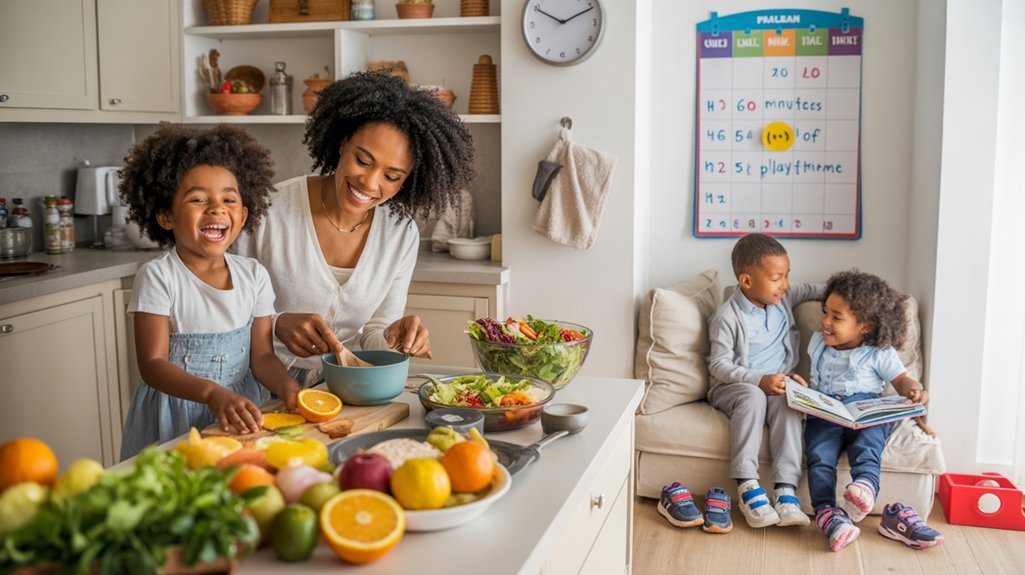
Five practical interventions can change your child's immune resilience starting today.
First, implement a balanced diet emphasizing immune-boosting foods—citrus fruits, leafy greens, whole grains, and lean proteins—while you limit sugar intake to prevent white blood cell suppression.
Second, establish 60 minutes of regular physical activity daily to improve circulation and maximize immune cell function.
Third, prioritize quality sleep according to developmental needs: 10-13 hours for preschoolers supports protective protein production essential for immune response.
Fourth, reinforce good hygiene practices through consistent handwashing protocols and proper sneeze coverage to minimize pathogen exposure during peak illness seasons.
Fifth, create structured routines that integrate these evidence-based strategies smoothly into your family's daily schedule.
These developmentally-focused interventions work synergistically to support immune function.
Frequently Asked Questions
What Is the Best Natural Immune Booster for Kids?
You'll find the most effective natural immune boosters combine nutritional supplements like vitamin D, probiotic foods such as yogurt, and herbal remedies including elderberry.
Prioritize sleep hygiene with consistent bedtimes, encourage outdoor play for fresh air exposure, and establish hydration habits with regular water intake.
Don't overlook stress management through calming routines.
Research shows these evidence-based approaches work synergistically to strengthen children's immune defenses when implemented consistently throughout their developmental stages.
What Is Scientifically Proven to Boost the Immune System?
Studies show quality sleep boosts children's immune response by 50%.
You'll strengthen their defenses through evidence-based approaches: guarantee adequate vitamin D levels, maintain proper hydration importance, and provide a balanced diet rich in nutrients.
Probiotics benefits include improved gut immunity, while outdoor play naturally supports immune development.
Don't overlook stress management—chronic stress weakens immunity.
Prioritize 10-14 hours of sleep quality nightly, as this directly impacts cytokine production and cellular repair essential for strong immune function.
How Do I Boost My Child's Immune System?
You'll strengthen your child's immune system through evidence-based practices: provide a healthy diet rich in fruits, vegetables, and lean proteins; guarantee adequate sleep (9-14 hours depending on age); incorporate regular exercise and outdoor play for at least 60 minutes daily; maintain proper hydration habits; practice stress management through family bonding activities; and teach good hygiene.
These developmentally-focused interventions work synergistically to enhance immune function, reducing illness frequency and supporting your child's overall health and resilience.
How to Correct the Immune System Naturally?
You'll naturally correct your child's immune system by prioritizing gut health through probiotics and a balanced diet rich in fiber.
Establish consistent sleep hygiene with age-appropriate rest schedules, and incorporate stress management techniques like mindfulness.
Encourage daily outdoor play for vitamin D synthesis and physical activity.
Guarantee adequate hydration—children need 5-8 cups daily.
Consider evidence-based herbal remedies like elderberry under pediatric guidance.
These interventions work synergistically to restore peak immune function.
Conclusion
You've now equipped yourself with evidence-based strategies that function like architectural blueprints for your child's immune development. These science-backed methods—nutrient-dense nutrition, adequate sleep, regular physical activity, stress management, and targeted supplementation—work synergistically to build strong immune function. Implementation doesn't require perfection; consistent application of these developmentally-appropriate interventions creates measurable improvements in your child's immune resilience. Start with one method today, then progressively integrate others as your family's routine allows.
Related Articles
- The Ultimate Guide to Sibling Conflict
- The Ultimate Guide to Family Meal Planning
- The Ultimate Guide to Kids Educational Games
- 20 Fun DIY Crafts to Strengthen Family Bonds
- The Ultimate Guide to Screen Time Management

Written by Sarah Mitchell, M.S., CFLE
Founder & Lead Editor
Sarah is a Certified Family Life Educator with a Master's degree in Human Development and Family Studies from the University of Missouri. With 15+ years of experience as a parent educator and mother of three, she brings both professional expertise and real-world parenting wisdom to every article.
Credentials: M.S. in Human Development and Family Studies, Certified Family Life Educator (CFLE)