

You’re in the kitchen, trying to whip up something edible while your toddler’s having a meltdown over broccoli. Sound familiar? We’ve all been there, feeling the pressure of busy weeknights and picky eaters. But here’s the good news: meal planning doesn’t have to add to the chaos. We tried a new system on a rainy Saturday, and it actually worked—dinner was on the table, and there were no tears! You don’t need a Pinterest-perfect plan to make it through the week. Lower the bar, and let’s find a way that sticks without all the stress.

Key Takeaways
- Compile a rotating list of 7-10 family meals to simplify weekly planning and cut down on decision fatigue, keeping dinners exciting and stress-free.
- Organize your shopping list by store sections, allowing you to shop in 20 minutes and minimize duplicate purchases by checking the pantry beforehand.
- Spend 2 hours on Sunday prepping: wash veggies, marinate proteins, and cook grains. This speeds up weeknight meal assembly and reduces cooking time.
- Stock up on frozen proteins, canned beans, and pasta to ensure quick meal options are always available for unexpected schedule changes.
- Let kids pick meals and participate in age-appropriate prep tasks to foster excitement around dinner and develop their cooking skills.
The 5-Step Family Meal Planning System That Actually Works
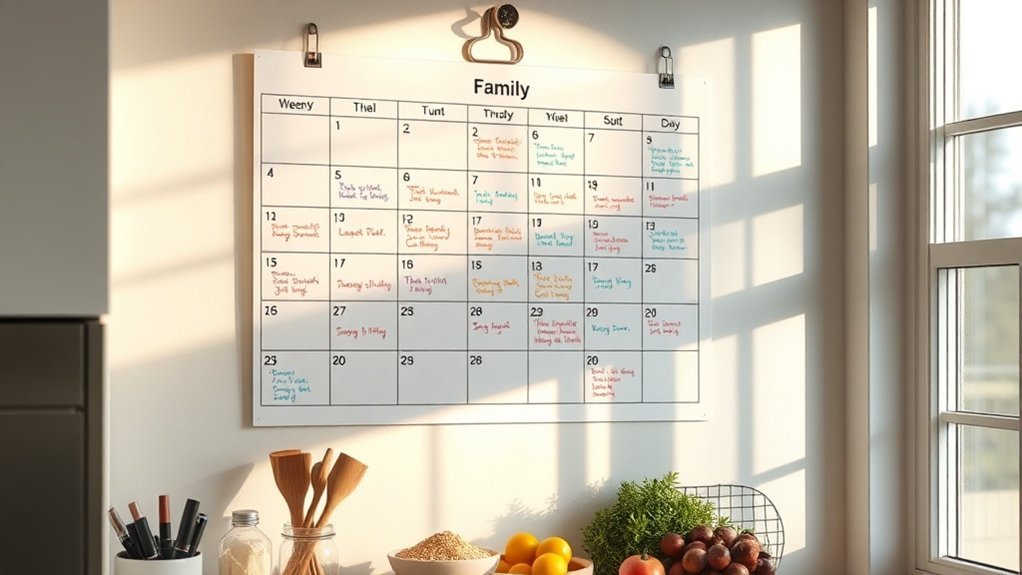
Most weeknights, I find myself staring into the fridge, wondering what on earth to make for dinner. Sound familiar? We all know that chaos. But here’s the good news: I’ve stumbled upon a five-step meal planning system that actually works. It’s helped us cut down on the stress and decision fatigue that comes with feeding a family.
First up, let’s create a master list of your family’s go-to meals. You know those dishes everyone loves? Write 'em down. Trust me, this little list will save you during those frantic moments when you can’t remember what anyone likes — or worse, when you realize you’ve bought ingredients for a recipe nobody wants.

Next, take a peek into your pantry and fridge. Got half a jar of marinara? A few chicken breasts? Use what you have! This not only keeps food waste at bay but also helps you avoid buying stuff you already own. It’s a win-win.
Now, for step three: choose five to seven meals for the week. Look at your schedule. Got a busy Tuesday? Pick something simple, like tacos or spaghetti. We’ve learned the hard way that elaborate recipes don’t mix well with after-school meltdowns or late work calls.
Then, let’s talk shopping. Write that list organized by store sections. You won’t believe how much time you’ll save — and you won’t forget those essential ingredients (hello, taco seasoning!).
Finally, choose a day for prep. Spend an hour washing veggies, portioning proteins, and measuring out spices. It’s a game changer for those hectic evenings when you just want to get dinner on the table. Additionally, having a master list of meals can streamline your planning process significantly.
And here's a tip: Don’t be surprised if things go sideways. Maybe that recipe flops or someone decides they’re suddenly not a fan of broccoli. It happens! Just pivot; keep a backup meal in mind, like a quick stir-fry or even breakfast for dinner.
How to Build Your 4-Week Rotating Meal Plan
Got dinner on your mind? We’ve all been there—chaotic evenings, kids demanding snacks, and that familiar question: “What’s for dinner?” If you're looking for a way to simplify your meal planning while keeping things fresh, a four-week rotating meal plan might just be your new best friend.
Here’s the deal: start by jotting down seven dinners that your family loves. Think of the meals that usually get a thumbs-up (maybe it's taco night or pasta primavera). Write those down for week one. For weeks two through four, pick seven different meals each week. This way, you’re mixing it up and avoiding that dreaded dinner rut. Before you know it, you’ll have 28 unique dinners lined up!
Give this plan a whirl for a month. When something doesn’t work—like that one dish the kids turned their noses up at—swap it out for a recipe that’s already been a hit. Trust me, you'll find a rhythm that fits your family.
We keep our meal plan right on the fridge. That way, when the “What’s for dinner?” question rolls around, you’re ready. Plus, it cuts down on those last-minute takeout calls.
Quick Tip: If your kids are younger, aim for meals that are easy to customize. Think taco bars or pasta with a variety of toppings. It makes it easier for everyone to find something they like.
What actually happened when we tried this? One week, I thought I’d get adventurous and try a new curry. Let’s just say it ended up being a “curry catastrophe,” and we'd to scramble to find something else.
Lesson learned: keep a couple of easy backups in your freezer for days that go sideways.
Got picky eaters? You’re not alone. It might take a few tries before everyone’s on board with a new dish. And that’s okay! Just remember to breathe and adjust as needed.
The 20-Minute Grocery Shopping Method for Meal Planners
Imagine this: you’re racing through the grocery store after a long day, trying to remember what’s on your list. And somehow, you still leave without that milk. Been there? Yep, me too.
Here’s the good news: a rotating meal plan can help you dodge that chaos. By organizing your shopping list by store sections, you’ll save time and avoid those frustrating backtracks. Here’s a simple system that’s worked wonders for us:
- Group ingredients by location (think produce, dairy, proteins) so you can zip through the store in a logical order.
- Check your pantry first. Seriously, nothing's worse than buying duplicates and wasting money on things you already have. We're all on a budget, right?
- Stick to your list. Impulse buys can sneak up on you, especially when the kids are with you.
In our house, we’ve found that sticking to a plan means less stress, and we know exactly what we need to keep our family fueled with safe, nutritious meals throughout the week.
But let’s be real: life happens. Sometimes, the kids are melting down, or maybe it’s a rainy afternoon, and you just can’t make it to the store. When that happens, have a backup plan. Maybe keep some frozen veggies or canned beans on hand for those “what’s for dinner?” moments.
Here are a few more tips to make grocery shopping easier and budget-friendly:
- Plan meals around seasonal produce. Not only is it fresher, but it’s usually cheaper too. Think pumpkins in the fall or strawberries in the summer.
- Involve your kids. Let them help choose a fruit or veggie for the week. It’s a fun way to teach them about nutrition, and you might just discover a new family favorite. Full disclosure: my 4-year-old once picked Brussels sprouts, and we had a surprisingly great time roasting them together.
- Be mindful of age-appropriate tasks. If you’ve got little ones, they can help with washing veggies, while older kids can handle picking out items from your list. Just keep an eye on those small choking hazards with younger ones, especially around grapes or popcorn.
Remember, building financial security through careful budgeting can also ease the stress of meal planning.
So, what can you try today? Start by making a meal plan for the week and list out your grocery needs by section. You’ll be amazed at how much smoother your shopping trips can be.
And remember, it’s okay if things don’t go perfectly. You’re doing just fine. Lower the bar — we're all in this together!
3 Sunday Prep Routines That Save 5+ Hours Weekly
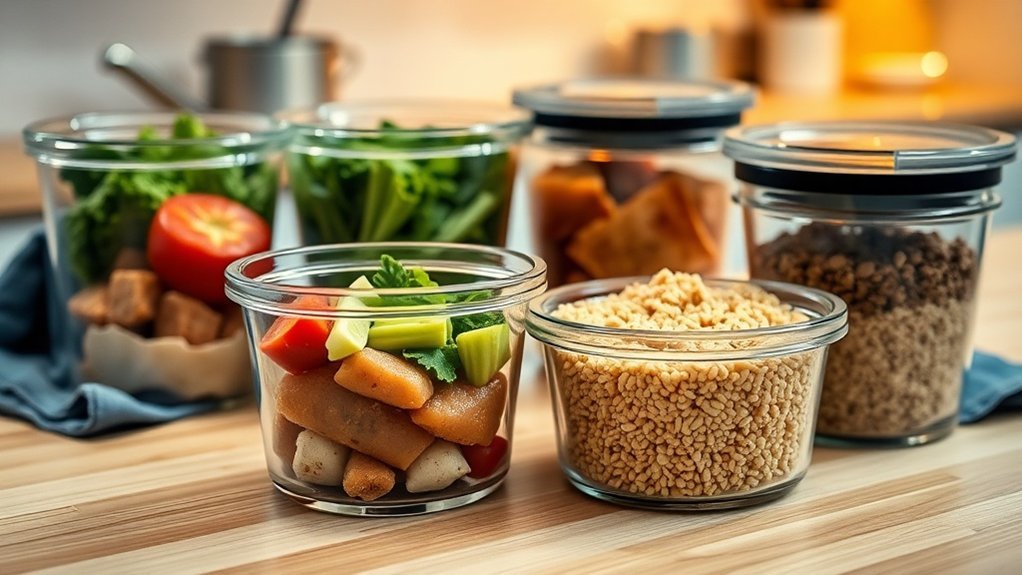
You know those weeknights where dinner feels like a race against the clock? Yeah, we’ve been there. Sunday prep can turn that chaos into a calm routine. Just set aside two hours on Sunday to wash and chop veggies, marinate proteins, and portion everything into labeled containers. Trust me, when you can see what’s ready to go, it makes a world of difference.
Cook up some basics, like rice, quinoa, or roasted veggies. They’re super versatile and can fit into multiple meals. Pre-measure your dry ingredients for recipes and stash them in sealed bags with cooking instructions. This way, you won't need to dig through the pantry every time you want to whip something up.
Here’s a tip: wash all your produce right away. It saves time later. Line your crisper drawers with paper towels to keep everything fresh longer. And don’t forget to label everything with prep dates — it really helps track how fresh your food is. This system can cut your weeknight cooking down to just 15-20 minutes per meal. Yes, please!
If you’ve got little ones, keep in mind that they can help with washing veggies or stirring things in a bowl. It's all about finding age-appropriate tasks that keep them engaged. Just remember, this works best with kids 4 and up. We learned the hard way that sharp knives and toddlers don’t mix — so always supervise!
And let’s talk budget. Not every family has a ton to spend on fancy ingredients. Use seasonal veggies or whatever’s on sale. Make it a fun challenge: what can you create with what's in your pantry? You might be surprised!
Additionally, incorporating meal planning tips can streamline your process even further.
But let’s be real — things won’t always go to plan. Maybe there’s a meltdown or a recipe that flops. That’s okay! Have a backup plan, like frozen pizza or a simple pasta dish. It happens to all of us, and you're doing just fine.
Make-Ahead Breakfast and Lunch Ideas for School Days
Oh, the morning rush! It feels like a circus act in our house some days. Between finding matching shoes and making sure everyone's backpack is packed, breakfast and lunch prep can easily get lost in the chaos. That's why I’ve learned to embrace Sunday prep. It’s not just for dinners; it can save your mornings, too! Trust me, a little planning goes a long way in keeping your family healthy and reducing that morning stress.
Make-Ahead Breakfast Winners
Here’s what’s worked for us:
- Egg Muffins: These little gems are a lifesaver. Bake a big batch, and they’ll stay fresh for about five days in the fridge. Just make sure your fridge is at 40°F or below. I like to toss in whatever veggies we've on hand. My kids love them, and they’re easy to reheat.
- Overnight Oats: We use sealed jars for this. It’s grab-and-go with zero contamination worries. Add some fruit or nuts, and you’ve got a balanced breakfast ready to roll. It’s a hit in our house—what about yours?
- Pre-Portioned Smoothie Bags: This one’s a game-changer! Just toss your smoothie ingredients in freezer bags, and they’ll keep for up to three months. They blend quickly in the morning, and my kids think it’s a treat.
Lunch Box Solutions
Now, let’s chat lunch. Here’s what works for us:
- Assemble Sandwich Components Separately: This keeps the bread from getting soggy and helps avoid any bacterial growth. I pack the ingredients separately, so they can build their own sandwiches at lunchtime. It’s fun for them, and I get fewer complaints!
- Cut Vegetables with Hummus Cups: Crunchy veggies are a must in our lunch boxes. Pair them with individual hummus cups for a tasty and healthy snack. Pro tip: cut veggies the night before to save time.
- Pasta Salads: Make these in food-safe containers to keep them at the right temperature. I usually prepare them with whatever we've on hand. It’s budget-friendly, and my kids love the variety.
A Quick Reality Check
Let’s be real—some mornings are just plain chaotic. If you find yourself running late, having backup options like yogurt cups or cheese sticks can save the day.
We’ve definitely had our meltdowns when things didn’t go as planned, and that’s okay. It happens to the best of us.
Safety Note: Always be mindful of choking hazards, especially with younger kids. Supervise as needed, especially if you’re introducing new foods.
What We Learned the Hard Way
Once, I tried making a fancy breakfast casserole. It looked great but took forever to bake! We ended up eating it for dinner that night.
Now, I stick to quicker options and save the fancy stuff for weekends.
What to Do When Your Meal Plan Falls Apart
Ever had one of those days where your meal plan just goes *poof*? You’re not alone. Life happens, and sometimes dinner plans take a nosedive. We’ve all been there, right?
Here’s a quick win: keep your freezer stocked with pre-cooked proteins and veggies. It’s a lifesaver when the clock’s ticking, and you need to whip something up fast. I usually have grilled chicken, shrimp, and a mix of frozen veggies ready to go. Just pop them in the microwave or sauté them for a quick meal.
Also, don’t forget about those pantry staples! I keep a list of go-to meals that take about fifteen minutes, using things I always have on hand—like canned beans, pasta, and jarred sauces. They’re life-savers when chaos strikes.
Now, let’s talk about simplifying. Breakfast for dinner? Yes, please! It’s nutritious and takes way less brainpower.
And if you grab a rotisserie chicken from the store, that’s not a fail—it's just smart parenting. We’ve done that on many busy nights, and it takes the pressure off.
Got little ones? Remember to watch out for choking hazards with foods like whole grapes or hot dogs. If they’re under four, cut those up! Safety first, always.
And if the day goes sideways? Keep some easy options like pasta, eggs, or canned soup on hand. They’re quick to prepare and can save you from a last-minute meltdown.
Here’s something I learned the hard way: sometimes it’s okay to order takeout. No guilt needed! What matters is that everyone is fed and happy. It’s all about survival some days, and that’s perfectly fine.
Why Most Meal Planning Systems Fail (And How This One's Different)
You know those weeks when dinner feels like a game of survival? We've all been there — racing against the clock, kids melting down, and the thought of cooking feels overwhelming. Traditional meal planning can often add to the chaos, right? It’s like they expect you to pull off a gourmet dinner every night, which just isn’t realistic.
That’s why I’m excited to share a meal planning system that’s genuinely different. It’s designed with families in mind, not perfect Pinterest kitchens. Here’s what makes it work:
- Built-in backup plans mean you'll never be stuck staring into the fridge wondering what to do. If dinner plans go sideways, you’ve got reliable options ready to go. That’s a lifesaver, especially on those crazy days!
- Simplified ingredient lists help cut down on the stress of grocery shopping and tackle food waste. Less time in the store means more time for what really matters.
- Flexible meal categories allow you to swap dinners based on your week’s schedule. No derailments here!
In our house, we’ve found that sticking to meals everyone enjoys makes a big difference. You’re not fumbling through complex recipes or searching for obscure ingredients. Instead, you create a dependable rotation that fits your family’s taste.
It’s such a relief knowing that no matter how chaotic things get, everyone will eat well and feel safe.
Been there? I get it — the guilt of not serving a “perfect” meal can weigh heavy. But here’s the truth: you’re doing fine. Lower the bar a bit. You don’t have to be a chef to make meals that are safe and nutritious.
Now, let’s talk safety. If you’re cooking with little ones, keep an eye on those sharp tools and hot surfaces. For toddlers, aim for soft, cut-up pieces to avoid choking hazards.
And remember, cooking together can be a fun way to bond, but always supervise.
What worked for us on a rainy Saturday? We turned a failed recipe into a make-your-own pizza night. The kids loved building their own, and it turned a potential meltdown into a mini celebration. Plus, it didn’t break the bank!
As you navigate these meal planning waters, consider your family structure. Whether you’re a single parent, a grandparent, or part of a blended family, this system can adapt to your needs.
And with school schedules and seasonal ingredients in mind, you can keep things fresh without the added stress.
So why not try this system today? Start by picking three meals your family loves and create a simple plan around those. You might just find a little more joy and a lot less chaos at dinner time.
And remember — it’s all about progress, not perfection. What we learned the hard way? Sometimes, the simplest meals can create the best memories.
The Only 4 Meal Planning Tools You Actually Need
Meal planning can feel like a juggling act, can’t it? Between school schedules, after-school activities, and the inevitable chaos of family life, it’s easy to feel overwhelmed. But here’s a little secret: you don’t need fancy apps or complicated systems to make it work. We've found that just four simple tools can make all the difference.
First up, grab a whiteboard for your kitchen. It’s like your family’s command center. Everyone can see the week’s meals at a glance, which helps avoid those “What’s for dinner?” meltdowns. Trust me, it saves a lot of stress!
Next, create a master recipe binder. Fill it with tried-and-true meals your family loves. No one wants to experiment with a new recipe on a busy Tuesday night when you’re just trying to get dinner on the table.
Then, keep a standard grocery list template handy. This little gem helps you avoid forgotten ingredients and last-minute improvisations — we all know how that turns out, right?
Finally, before you head to the store, take a quick photo of your pantry and fridge. It’s a game changer! You won't end up with three jars of the same pasta sauce, and you can actually plan meals based on what you already have.
These tools are straightforward and accessible. They take the stress out of meal planning, so you can focus on the joy of family dinners instead of the chaos. Plus, you won’t waste time learning complicated systems or risk dinner failures that leave everyone hungry.
Quick Tip: If your kids are old enough (think 4+), involve them in choosing meals for the week. It gives them a sense of ownership and can make them more excited about dinner time.
Now, let’s be real — not every meal is going to be a hit. We’ve had our share of “What is this?” looks when trying a new dish.
And when things go sideways (like the time my sauce turned into a weird blob), it’s okay to have a backup plan. Sometimes breakfast for dinner is the way to go!
So, if you’re feeling the meal planning pressure, remember: lower the bar. It’s all about what works for your family.
What actually worked for us? Keeping things simple and flexible.
Ready to dive in? Start by setting up that whiteboard today. You’ll be amazed at how much smoother the week feels when everyone’s on the same page.
And don’t forget to have a little fun with it — maybe even let the kids help decorate it!
You've got this!
Frequently Asked Questions
How Do I Meal Plan When Family Members Have Different Dietary Restrictions?
Q: How can I meal plan when my family has different dietary restrictions?
You can start by creating a master ingredient list that outlines each family member's restrictions.
Try flexible meals like taco bars or grain bowls where everyone can pick their own toppings.
For safety, keep allergen-free zones in your kitchen and use separate utensils to avoid cross-contamination.
You might also involve your kids in meal planning—it's a fun way for them to feel included!
Q: What’s a good way to manage food allergies in meal prep?
Label everything clearly and designate allergen-free zones in your kitchen.
For budget-friendly options, consider using what you already have in the pantry instead of buying new ingredients.
Supervise younger kids during meal prep to ensure they’re safe and aware of what’s allergenic.
This way, everyone can enjoy meals without worry.
Q: How can I involve my kids in meal planning?
Kids can help with meal planning from around age 3, but you'll need to supervise closely.
Let them choose a few safe ingredients or meals they’d like to try.
This can also be a chance to teach them about their dietary needs.
If you're on a budget, make it a fun challenge to create meals with what you already have at home!
What if My Kids Refuse to Eat the Meals I Planned?
Q: What should I do if my kids refuse to eat the meals I planned?
You can prevent mealtime battles by involving your kids in meal planning. Let them choose one dinner a week or pick side dishes.
To keep things manageable, offer familiar foods alongside new ones. Just remember, it might take up to 15 exposures for them to accept something new.
Q: How can I make my kids try new foods?
Encourage your kids to try new foods by serving them alongside favorites. Start with small portions to avoid overwhelming them.
If your child has allergies, always double-check labels and ingredients. You can also swap out pricey ingredients for budget-friendly ones, like using frozen veggies instead of fresh.
Q: What if my child only wants to eat snacks?
Redirect their focus by providing structured meal and snack times. Offer a healthy snack before meals to take the edge off.
If they still refuse, consider making a fun snack platter with various options. You don’t need to spend much—use what you have at home to keep costs down.
Q: How can I encourage my picky eater to try vegetables?
Start by serving veggies in fun ways, like dipping them in hummus or dressing. Get your kids involved by letting them help wash or arrange the veggies on their plates.
If you're tight on cash, grow some simple herbs or veggies in pots; it can be a rewarding, low-cost project.
Q: What’s the best way to handle mealtime tantrums?
Stay calm and consistent. It’s okay if they don’t eat everything you serve; just make sure they know it's what's on the table.
If tantrums happen, try to keep emotions neutral and avoid giving in to demands for different food. Instead, budget for simple, healthy meals that you know they'll eat.
Can This System Work for Single Parents With Limited Cooking Time?
FAQ Section
Q: Can I really make quick meals with my kids?
Absolutely! Kids can help prep meals from about age 3 with supervision. Let them wash veggies or mix ingredients while you handle the sharp stuff.
Just keep an eye out for small parts that could be choking hazards, and always check for allergens in recipes.
Q: How much should I budget for meal prep supplies?
You can budget about $15-20 for supplies, or start using what you already have in the pantry.
Look for ingredients you can bulk buy or use leftovers creatively to save money. It’s all about making the most of what you’ve got!
Q: Are there safe cooking activities for younger kids?
Yes! Kids around age 3 can help with simple tasks like washing fruits and veggies.
Always supervise them closely to avoid accidents, especially with anything that could be a choking hazard. You could also skip the cooking and do no-cook snacks with items like yogurt and fruits.
Q: What's a good alternative for busy nights?
On super busy nights, try one-pot meals or slow cooker options that you can prepare in advance.
You don’t need fancy ingredients—just throw in whatever’s on hand. If you can’t afford a slow cooker, a regular pot on the stove works just fine!
Q: How can I keep my family’s nutrition in check?
You can protect your family’s nutrition by batch-prepping on weekends.
Focus on wholesome foods that are easy to cook and adjust. If you're tight on cash, visit local food banks or community programs for fresh produce and pantry staples.
How Do I Handle Unexpected Schedule Changes That Affect Dinner Plans?
Q: How can I handle last-minute dinner changes?
Stock your freezer with pre-cooked proteins and easy-to-assemble meals. Kids as young as 3 can help you sort through options, but keep an eye on them to avoid any choking hazards with small items.
If you're on a budget, consider using pantry staples like canned beans and pasta instead of buying new.
Q: What should I keep on hand for quick meals?
Designate a shelf for non-perishable items like canned beans, pasta, and jarred sauces. Kids 3 and up can help organize, but supervise to avoid spills or mix-ups.
If you're tight on cash, check your pantry first—many meals can be made from what you already have.
Q: What’s a good backup plan for dinner?
Breakfast-for-dinner is a reliable go-to for unexpected changes. Kids aged 4 and up can help whip up scrambled eggs or pancakes, but be cautious with hot surfaces.
If you want to save money, leftovers can also make a quick meal without additional costs.
Q: How can I stay flexible with dinner plans?
Don't stress about meal swaps—flexibility is key. Kids 5 and up can help decide what to make based on what you have.
For budget-friendly options, repurpose leftovers into new dishes instead of buying fresh ingredients. It's a great way to minimize waste!
What's the Best Way to Involve Kids in the Meal Planning Process?
Q: When can my kids start helping with meal planning?
From about age 3, with supervision. For little ones, let them pick out vegetables at the store, while older kids (around 8 and up) can help search for recipes online.
Just keep an eye on small parts that could be choking hazards. If you’re on a budget, use what you already have in the pantry instead of buying new items.
—
Q: How do I get my kids interested in cooking?
Start by letting them choose one meal a week from a list of safe options you’ve pre-approved. This gives them a sense of ownership and excitement.
For younger kids, stick to simple tasks like washing veggies, while older kids can handle more complex recipes. To save money, consider using a family recipe that doesn’t require buying extra ingredients.
—
Q: What if my kids refuse to try new foods?
Kids are more likely to eat what they’ve helped create, so involve them in the meal prep. Let them assist in cooking or even plating the food.
If they’re under 5, be sure to supervise closely during cooking to avoid any accidents. You can also try swapping out one ingredient in their favorite dish to introduce something new without overwhelming them.
—
Q: How can I keep meal planning affordable?
Budget about $15-20 for supplies, but you can also work with what you have at home. Involve your kids in checking the pantry for ingredients and planning meals around them.
This not only saves money but also teaches resourcefulness. If your kids are old enough, let them help with a grocery list to avoid impulse buys and stick to your budget.
Conclusion
You’ve got this! Why not try meal prepping together this weekend? Spend just 30 minutes with your kids, ages 5 and up, to chop veggies and mix up a simple marinara sauce. They'll love being involved, and you’ll knock out dinner for a couple of nights. Remember, good enough counts—your kids won’t care if the sauce isn’t perfect. Plus, you’ll all feel a sense of accomplishment together. So grab those ingredients, make a mess, and enjoy some quality time in the kitchen. Your future self will thank you for this little win!