

You're knee-deep in a toy explosion, and your toddler's having a full-on meltdown over a lost dinosaur. It happens. When stress is piling up and you're just trying to keep it together, small moments of mindfulness can work wonders. I tried these quick techniques on a rainy Saturday, and trust me, they helped me find a sliver of calm amid the chaos. You don’t need hours to reset your mind—just a few simple shifts can make a world of difference. Here are seven easy mindfulness tricks that can help you regain control on those overwhelming days. You're doing fine; let’s dive in!

Key Takeaways
- Practice deep breathing for 4 seconds in, 4 seconds hold, and 4 seconds out—this technique quickly calms your mind during stressful parenting moments.
- Take 5-minute mindfulness breaks during carpool waits to clear your head and reduce accumulated stress throughout the day.
- Spend 10 minutes coloring with your kids to foster creativity and connection while introducing them to mindfulness practices.
- Use situational mindfulness during tantrums by pausing for 30 seconds to breathe; this helps you respond calmly instead of reacting emotionally.
- Integrate a 5-minute mindfulness ritual during family transitions, like dinner prep, to strengthen emotional resilience and improve connections.
Introduction

Parenting can feel like a wild rollercoaster ride, right? One minute you’re soaking in the giggles, and the next, you’re knee-deep in chaos. Ever had those days where everything seems to go sideways? We’ve all been there.
Mindfulness can be a game-changer in those moments. It’s not about perfection—just simple ways to stay calm and focused. Think about it: when you take a breath before reacting, you can create a more peaceful atmosphere at home. That’s what we’re all aiming for, isn’t it?

Practicing mindfulness helps you manage stress, reduce anxiety, and strengthen your connection with your kids. And the best part? You don’t need any fancy tools or hours of free time. Just a few minutes here and there can make a big difference. Mindfulness techniques can also enhance physical wellness by encouraging healthier habits and routines.
For example, we tried mindfulness during dinner prep one evening—just ten minutes of focused breathing while chopping veggies. It helped us reset and actually enjoy our mealtime together. So much better than the usual rush! Sound like your Tuesday?
When you prioritize mindfulness, you’re not only taking care of yourself but also showing your kids how to handle life’s ups and downs. It’s like handing them a map for their own journeys. And that’s something we all want, right?
Quick Tips:
- Breathe Deeply: Take a moment to close your eyes and take a few deep breaths when things feel overwhelming.
- Mindful Moments: Incorporate short mindfulness breaks into your day—maybe during the car ride or while waiting for dinner to cook.
- Modeling Behavior: Share your mindfulness practices with your kids. Even a simple “I’m taking a moment to breathe” can encourage them to do the same.
Remember, not everything will go smoothly. There’ll be meltdowns, burnt toast, and rainy days when the kids are bouncing off the walls. And that’s okay! It happens to all of us.
Real Talk:
We once tried an at-home spa day for the kids during a rainy Saturday. It didn’t go as planned—think more “slip-and-slide” than “relaxing retreat.”
But we learned it's okay to laugh about the mess instead of stressing over it.
Age Considerations:
Mindfulness techniques can work for kids as young as 4, but keep it simple. For younger ones, focus on short, fun practices like deep breathing or mindful coloring.
Just be sure to supervise any activities with small objects, like crayons.
Overview
Understanding the basics of mindfulness sets the stage for managing parenting stress effectively.
But how can these techniques actually transform your daily experience?
Let’s uncover the pivotal role mindfulness plays and explore practical steps to incorporate it into your life.
What You Need to Know
You ever have one of those days where the chaos feels like it’s closing in? You’re juggling snacks, school pickup, and a toddler meltdown all at once. Been there? It’s easy to lose your cool. But here’s a quick win: mindfulness can help you find a little calm amid the storm—no fancy equipment or extra time needed. Just a willingness to take a moment for yourself.
In our house, we’ve found that simple techniques like deep breathing or just noticing what’s around us can make a world of difference. Try taking a deep breath, feeling your feet on the ground, and tuning into the sounds, smells, and sights around you. It sounds simple, but trust me, it works. When we make this a regular practice, we build resilience. So the next time everything feels overwhelming, you’ll have a tool ready.
Now, I won’t lie—sometimes it takes a while to get the hang of it. If you're feeling unsure, that's normal. Mindfulness is like a muscle; the more you use it, the stronger it gets. Remember, this isn’t another chore on your to-do list. It’s a way to support yourself.
And safety first! If you’re involving older kids, make sure they know that mindfulness techniques are for calming down, not for avoiding responsibilities. For younger kids, you can practice together. Just keep it age-appropriate and fun.
What actually worked for us on a rainy Saturday? We turned on some calming music, laid out some pillows, and created a cozy “mindfulness corner” in the living room. It was a hit! We spent about 15 minutes just breathing and being present.
Feeling overwhelmed? It happens. Let’s be real—some days are tougher than others. If things go sideways, like a sudden tantrum or a spilled drink, take a breath. You’re doing fine. Maybe even lower the bar a bit.
And hey, if you’re looking for budget-friendly activities, go for a nature walk. It’s free! You can explore the outdoors, collect leaves, or just chat about what you see. No need to break the bank for family time.
Why People Are Talking About This
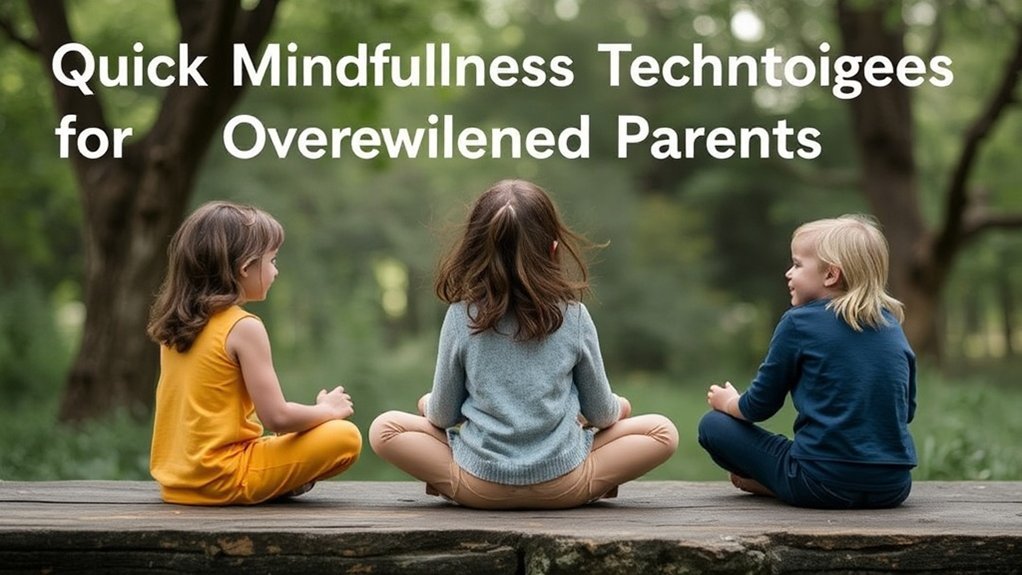
Finding those small moments of calm can be a game changer when you’re knee-deep in parenting chaos. Ever felt like you’re just reacting instead of really responding? Yeah, me too. That's why mindfulness is suddenly all the buzz among parents—it's not about adding more to our already overflowing plates. Instead, it’s about carving out little pauses to help us breathe and think before we act.
In our house, we’ve found that these tiny breaks make a world of difference. On a hectic Tuesday afternoon, when my toddler was in full meltdown mode, I took a minute to just breathe. Guess what? It helped me respond with patience instead of snapping. That’s what mindfulness can do—it builds a safe space for us and our kids, where understanding and patience can actually grow.
It’s not just me saying this; parents everywhere are sharing their success stories. And let’s face it, we all need these little wins. They can help us feel more grounded and connected, even on days when everything feels like a whirlwind.
Now, if you’re wondering how to actually get started, here’s a quick win: try taking three deep breaths before responding to any challenging moment. It sounds simple because it is! Just remember, it’s about progress, not perfection. And if things go sideways—like your child refuses to cooperate or you spill juice everywhere—give yourself grace. It happens!
For those looking to dive deeper, there are tons of budget-friendly mindfulness practices out there. Think short guided meditations you can find for free online or apps with free trials.
And if you’re looking for something to do with little ones, try a mindfulness scavenger hunt around the house. It can be done in under 30 minutes, and it’s a fun way to get everyone involved.
As we navigate this parenting journey, let’s remember that every family looks different. Whether you’re a single parent, part of a blended family, or a grandparent stepping in, these practices can adapt to fit your unique situation.
Here's a thought: what if you set aside just five minutes today to practice mindfulness with your kids? It could be as simple as sitting together and listening to the sounds around you. You might be surprised at how much you all enjoy it.
And here’s what we learned the hard way: sometimes, kids under 4 mightn't sit still for this. If that’s your crew, try something more active, like a mindful walk outside. Just keep it light and fun—after all, we’re in this together!
History and Origins
Mindfulness has deep roots in ancient practices, shaping its evolution into a tool that resonates with modern life.
With this historical perspective in mind, consider how these age-old techniques can profoundly enhance your parenting journey today.
Early Developments
Ever had one of those days where the chaos feels never-ending? You’re juggling snacks, tantrums, and a million thoughts racing through your mind. Been there? I get it. That’s where mindfulness can step in—and it doesn’t have to be complicated. Think of it as a way to hit pause amidst the daily whirlwind.
Mindfulness isn't just a buzzword that popped up in parenting blogs. Its roots go back thousands of years, especially in Buddhist traditions. Those ancient teachings emphasized being present, showing compassion, and finding calm—even when life feels anything but calm. They were all about creating a mental space to observe your thoughts without judgment. We’ve found that this mindset is super helpful, especially when we’re knee-deep in parenting chaos.
You don’t have to meditate for hours to reap the benefits. Even just taking a few moments to breathe deeply can help. Here's a quick win: when you feel your stress levels rising, try this simple breathing exercise. Inhale slowly for a count of four, hold it for four, and then exhale for a count of four. Just a couple of rounds can make a difference.
And let’s be real—this isn’t just about quieting your mind. It’s about cultivating kindness toward yourself and your kids. When my 4-year-old throws a fit over a broken crayon, I’ve learned that taking a deep breath helps me respond with patience instead of frustration. Full disclosure: this only works when I remember to do it!
Bringing mindfulness into your parenting toolkit means you’re tapping into those ancient methods to help make daily challenges feel more manageable. Imagine how much easier the morning chaos could be if you approach it with a calm mindset.
What does this look like in real life? Let’s say it’s a rainy Saturday, and the kids are bouncing off the walls. Instead of reaching for the screens (which the AAP recommends limiting to one hour for kids aged 2-5), we might set up a cozy indoor picnic with snacks and a story. It’s a low-cost option that can turn a dreary day into something special—and it only takes about 30 minutes to set up.
And hey, I know not every day goes as planned. Some days, the kids just won’t sit still, and that’s okay. If you find yourself in a meltdown moment, try to ground yourself first. Acknowledge the chaos, give yourself grace, and remember that it’s all part of the journey.
How It Evolved Over Time
Mindfulness isn’t just a buzzword—it’s something many of us parents are finding our way through in the chaos of everyday life. I remember a particularly hectic Tuesday: three meltdowns before breakfast and a spilled juice box right before we'd to leave for school. Sound familiar?
Mindfulness started with Buddhist traditions, focusing on calm and acceptance. But over the years, it’s morphed into something more accessible for busy families like ours. You don’t need an hour of meditation to feel the benefits; even just a few deep breaths can help when everything feels overwhelming.
In our house, we’ve found that taking a moment to breathe before reacting—especially during those crazy moments—can shift the whole atmosphere. What actually worked for us? Setting a timer for just one minute of mindful breathing. It’s like hitting pause.
If you’re wondering about how to fit this into your routine, try a quick breathing exercise while waiting in the carpool line or during a quiet moment after school. Just remember, mindfulness isn’t about perfection; it’s about giving yourself grace.
Safety note: Always keep an eye on little ones when trying mindfulness activities, especially if they’re seated in a way that could cause them to fall.
What if things don’t go as planned? That’s a normal part of family life. We’ve had plenty of moments where our mindfulness attempts turned into giggle fits instead. And that’s okay!
Budget-wise, you don’t need fancy apps or classes. You can find free resources online or even just sit quietly together for a few minutes.
So, whether it’s a rainy Saturday or a busy school day, give mindfulness a shot. Try a quick breathing exercise today. You might be surprised at how it helps you stay grounded, even when chaos reigns.
What we learned the hard way: It’s not a one-size-fits-all. Some days, your kids will roll their eyes, and that’s perfectly okay. Just keep it light. You’re doing fine!
How It Actually Works
You’ve learned how mindfulness cultivates present-moment awareness through techniques like focused breathing and non-judgmental observation.
So, how do these techniques come together to support you as a parent?
Let’s explore the inner workings of mindfulness and see how they can help you stay grounded in the chaos of daily life.
The Core Mechanism
You ever find yourself in the middle of a chaotic morning, juggling breakfast and trying to locate that missing shoe? Yeah, we’ve all been there. It’s moments like these when practicing mindfulness can feel like a lifesaver. It’s not about being perfect or having it all figured out; it’s about finding a little calm amid the storm.
When you take a moment to breathe and focus on what's happening right now—without judgment—you can create a bit of space between your thoughts and those knee-jerk reactions. Instead of getting wrapped up in stress, you can notice your feelings and surroundings with a gentler perspective. This simple shift can help you respond thoughtfully, rather than react impulsively.
In our house, we’ve found that giving ourselves that pause makes a world of difference. It’s like building a little muscle in your brain that supports emotional balance. And trust me, that’s a game changer when parenting feels especially overwhelming.
Over time, this core mechanism helps us build resilience, so we can feel steady, even when the kids are bouncing off the walls or refusing to wear anything other than pajamas for the third day in a row.
Mindfulness isn’t about escaping challenges; it’s about facing them head-on with a clear mind. It’s about caring for yourself so you can care for your family with calm confidence.
And here’s a quick win: try setting aside just five minutes a day to breathe deeply and check in with yourself. It doesn’t have to be perfect—just a small moment you can claim as yours.
Now, if you’ve got younger kids, remember that some mindfulness practices work better than others. For toddlers, simple breathing exercises can be fun. You might even turn it into a game—like pretending to blow up a balloon or smelling flowers. Just keep it light and playful.
And let’s be real—some days, nothing goes according to plan. If you find yourself in the thick of a meltdown, remember that it happens. Lower the bar and allow yourself to feel what you’re feeling. You’re doing fine.
Have you tried mindfulness yet? What actually worked for us was incorporating it into our daily routine. We started doing it during transitions—like before dinner or bedtime. It helped everyone settle down, and we could actually connect.
So, how about this: grab a few minutes today, find a quiet spot, and just breathe. No right or wrong way to do it—just be present. You might be surprised at how much of a difference it makes. And if your kids join in, even better!
Key Components
Ever had one of those days when the chaos feels like it’s spiraling out of control? You know, the kind where you’re juggling snacks, tantrums, and a hundred tiny decisions? Been there. Practicing mindfulness can help you find a little calm in the storm, but it’s not just about sitting quietly with your eyes closed. There are a few key components that can make a real difference, especially for parents navigating the wild ride of family life.
Here’s the scoop on what to focus on:
- Awareness: Take a moment to notice your thoughts and feelings without judging yourself. It’s okay to feel overwhelmed. Sometimes just acknowledging that can lighten the load.
- Presence: Try to stay fully in the moment. I know, easier said than done, right? But letting go of distractions, even if it's just for a few minutes, can help you feel more centered.
- Acceptance: Allow your experiences to be what they are. If your toddler just dumped their juice all over the floor, it happens! Instead of immediately reacting, take a breath and let it be.
- Breath Control: Your breath can be a powerful tool. When things get hectic, try taking a few deep breaths. It’s one of the quickest ways to calm your nervous system. We’ve found that even my 4-year-old can get into it if I make it a game!
- Non-reactivity: Instead of responding impulsively, take a moment to think before you react. This is a tough one, especially when you’re tired. But trust me, it’s worth it for your sanity.
These elements can help build resilience — a must-have for all the parenting chaos. Plus, they offer a reliable way to find calm, even when your kids are having a meltdown over what color their plate is.
What Works for Us
In our house, we try to weave these practices into our daily routine. Maybe it’s a quick breathing exercise before dinner or a moment of silence during storytime.
My kids love it when I join them in a silly breathing game, and it helps us all reconnect.
And let’s be real—some days, it feels like nothing goes right. On a rainy Saturday, we tried to practice mindfulness with a craft project.
Let’s just say, glitter everywhere doesn’t exactly scream “calm.” What actually worked for us was turning the craft into a mini dance party to shake off the chaos.
A Few Tips to Keep in Mind
If you’re looking for budget-friendly options, don’t stress. Mindfulness can be practiced anywhere, anytime — no expensive classes needed.
You can even check out free apps that guide you through mindfulness exercises, making it easier to fit into your busy schedule.
For younger kids, keep sessions short—aim for just a few minutes at a time. The American Academy of Pediatrics recommends limiting screen time to about one hour for kids aged 2-5, so if you're using a mindfulness app, make sure it’s age-appropriate.
What to Try Today
So, if you’re ready to dive in, consider this: take five minutes today to sit quietly with your little one.
Focus on your breath together. No expectations, just a moment of connection.
And remember, it’s totally okay if it doesn’t go perfectly. We learned the hard way that sometimes kids just want to wiggle instead of sit still.
Embrace the chaos, and trust that you’re doing great.
Under the Hood

Ever had one of those days where chaos reigns and you feel like you're just trying to keep your head above water? You’re not alone! We’ve all been there, juggling tantrums, homework, dinner prep, and somehow trying to find a moment for ourselves. Here’s a quick win: practicing mindfulness can really help you navigate those parenting storms.
When you focus on mindfulness, it’s like hitting the reset button in your brain. You shift from that swirling stress to being right here, right now. This little shift can help calm your mind and make it easier to respond to your kids instead of just reacting. I can’t tell you how many times I found myself snapping over a spilled drink or a forgotten backpack. Taking a breath and being present has made all the difference.
Mindfulness helps you notice your thoughts and feelings without judgment. It’s a safe mental space where you can pause during those overwhelming moments. And if you can create that safety, you’ll find it’s way easier to choose your responses. We’ve found that even a few seconds of mindfulness can lead to better choices, whether that’s taking a deep breath before addressing a meltdown or stepping outside for a moment of calm.
And let’s be real: parenting can feel chaotic. We’re all juggling different family structures—single parents, blended families, grandparents stepping in—you name it. It’s a wild ride! But those brief moments of awareness can help you build emotional resilience. Even when it feels like everything’s falling apart, you can stay grounded.
Now, what actually worked for us? On a rainy Saturday, we sat down together and tried a mindful breathing exercise. It took us about 5 minutes, and honestly, my kids loved it! We all took turns saying one thing we were grateful for. Sound cheesy? Maybe. But it brought us closer and helped us connect.
Want to give it a shot? Start with just one minute of focused breathing when things get hectic. It can help everyone in the family reset. And if your kids are under 4, keep it light and fun—maybe even turn it into a game!
What I learned the hard way? Not every kid will go for this right away. Some might giggle or get wiggly, and that’s okay! Just keep it flexible.
Applications and Use Cases
Between the morning rush, the tantrums, and the bedtime battles, it often feels like chaos is the norm, right? I get it. Some days, you just want to breathe without feeling like you're on a treadmill. Mindfulness can be your secret weapon. It’s not about being perfect; it’s about finding those little moments to center yourself so you can show up for your family without losing your mind.
We've tried these techniques in our house, and they've made a difference. Whether it's during the morning scramble or when you're knee-deep in homework stress, these small practices can help create a more peaceful vibe. Teaching emotional regulation to children is just as important, and these techniques can support that.
Here’s a quick rundown of what’s worked for us:
| Situation | Mindfulness Technique | Benefit |
|---|---|---|
| Morning rush | Deep breathing | Reduces anxiety |
| Tantrums | Grounding exercise | Promotes calm response |
| Bedtime | Body scan | Encourages relaxation |
| Homework stress | Mindful listening | Improves patience |
| Self-care time | Guided meditation | Restores mental energy |
Morning Rush
You know that frantic scramble to get everyone dressed, fed, and out the door? Try deep breathing. Just a few intentional breaths can ground you. You don’t need to be a yoga master—just inhale deeply, hold for a moment, and then exhale slowly. It can really cut through the chaos.
Handling Tantrums
When the inevitable tantrums hit—because they will—grounding exercises can help. Focus on your feet on the ground and take a moment to breathe. It’s not about fixing the situation instantly; it's about modeling calm. Your kids will pick up on that vibe, believe me.
Bedtime Routines
Bedtime can feel like a marathon. We’ve found that doing a quick body scan—tensing and relaxing each muscle group—can signal to your kids that it’s time to wind down. Just a few minutes can create a more peaceful atmosphere.
Homework Stress
Homework can turn into a battle zone. When things get tense, we practice mindful listening. Instead of jumping in with solutions, just listen. Let them express their frustrations. It’s amazing how much calmer things get when they feel heard.
Self-Care Moments
And let’s not forget about you! Guided meditations can be a game-changer. Even 5-10 minutes during nap time can recharge your batteries. There are tons of free apps available, so it doesn’t have to cost a thing.
What we learned the hard way: Not every technique will resonate with your kids. My 5-year-old thought “mindful listening” meant ignoring me completely at first. It took a few tries to figure out what worked for her.
So, what’s the takeaway? Pick one technique to try today. Maybe it’s deep breathing during the morning rush, or a quick body scan before bed. You’ll find your rhythm, and it doesn’t have to be perfect. Just remember—you’re doing fine.
What’s your go-to strategy for those chaotic moments?
Advantages and Limitations
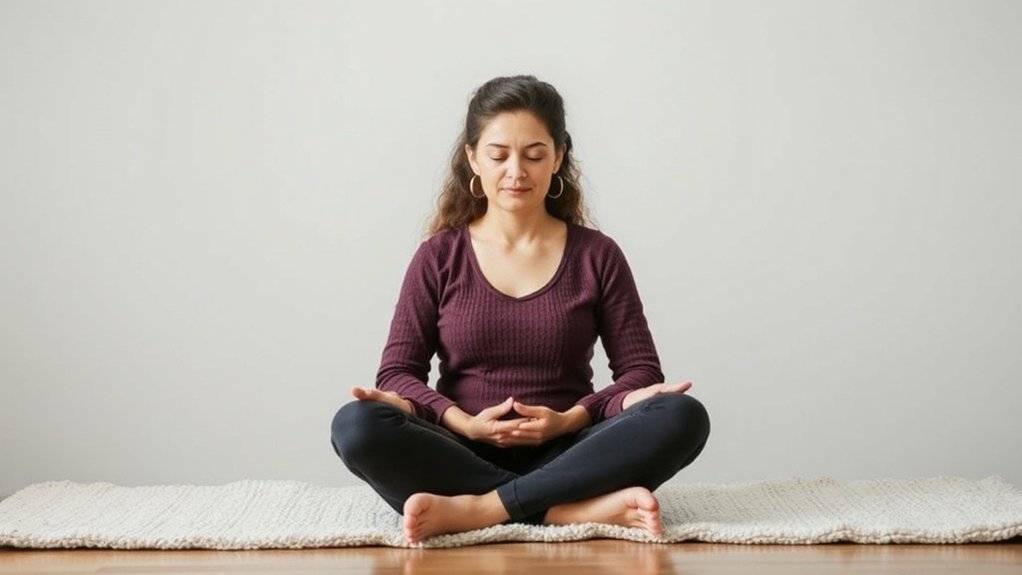
You know those chaotic mornings when everyone’s scrambling to get ready, and you just wish for a moment of calm? That’s where mindfulness can step in. In our house, we’ve found that taking a few deep breaths together can really help ground us, reduce the stress, and make those tricky moments a tad easier. It’s not a miracle cure, but it’s something that can help us respond to our kids with a bit more patience. Interestingly, managing screen time effectively can also play a significant role in reducing stress and improving focus for both parents and kids.
Still, let’s be real—mindfulness isn’t going to fix every problem overnight. It takes practice and it won’t replace the support you might need during tougher times. Knowing the pros and cons of mindfulness keeps our expectations in check and our families safe.
Advantages and Limitations
| Advantages | Limitations |
|---|---|
| Reduces stress and anxiety | Needs regular, consistent use |
| Improves emotional regulation | Not a substitute for therapy |
| Enhances parent-child connection | May take time to see results |
| Supports safer decision-making | Can be challenging under extreme stress |
Mindfulness can definitely help reduce stress, which we all know can be a real challenge when juggling kids’ schedules, school projects, and everything in between. But don’t forget, it needs to be practiced regularly—like brushing your teeth! It won’t just magically work if you try it once.
And while it can improve how we handle emotions, it’s important to remember that it’s not a replacement for professional help if you’re facing deeper issues. Have you ever found yourself in a situation where you really needed expert guidance? I know I have.
In our experience, the connection it fosters with our kids is priceless. Just the other day, my 4-year-old and I took a moment to breathe before tackling a messy art project. It turned into a sweet bonding time instead of a chaotic one. But, of course, it doesn’t always go as planned. Sometimes, our mindfulness practice just goes out the window when stress levels are high.
Here are a few tips we’ve learned along the way:
- Start Small: Just a few minutes of breathing or mindful listening can go a long way, especially with younger kids. Try it during a car ride or while waiting for dinner to cook.
- Make it Fun: Turn mindfulness into a game. Who can balance a book on their head while walking slowly? It’s silly, but it works!
- Be Patient: Results might take time. If your little one isn’t into it right away, that’s okay. Keep it light and don’t force it.
- Budget-Friendly: You don’t need fancy apps or classes. There are plenty of free online resources, like guided meditations on YouTube.
Tip for when things go sideways: If you find yourself in a meltdown moment, practice a quick breathing exercise together. Count to four as you breathe in, hold for four, and exhale for four. It can help both you and your child reset.
As we step into the school year, it’s a great time to incorporate mindfulness into your family routine. Maybe try a “mindful moment” after school to help everyone decompress.
The Future
As you embrace these foundational mindfulness techniques, you might wonder how they can evolve in our rapidly changing world.
It’s fascinating to see how technology and personalized practices are emerging as game-changers for parents. This shift opens up exciting possibilities for enhancing your mindfulness journey.
Emerging Trends
Ever had one of those mornings where you feel like you’re running a chaotic circus? The kids are bouncing off the walls, breakfast is half-eaten (or not at all), and you’re just trying to keep it together. Trust me, I’ve been there.
But here’s a little nugget of hope: mindfulness doesn’t have to be a lofty goal. It can fit right into those crazy moments. We’ve found that apps offering guided meditations specifically for busy parents can really help. Just a few minutes of calm can make a huge difference. And if you don’t want to spend a dime, there are plenty of free resources out there too.
Wearable devices are another game-changer. They can gently track your stress levels and nudge you to take a breather. It’s like having a little reminder that it’s okay to pause. Just keep in mind that these tools work best for adults, but you can model the behavior for your kids.
Virtual support groups are also popping up everywhere. They provide a safe space to share your parenting wins and woes without feeling judged. It’s comforting to know you’re not alone in the chaos.
Now, let’s talk about integrating mindfulness into family routines. Simple exercises, like a few minutes of deep breathing before dinner, can be a fun way to include your kids. You might say, “Hey, let’s take three big breaths together!” It’s quick, easy, and surprisingly effective.
What actually worked for us? We tried a family “calm corner” on a rainy Saturday. We set up a cozy spot with pillows and soft lights, and whenever things got overwhelming, we’d retreat there for a few minutes. It was messy, but it worked.
If you’ve got toddlers or preschoolers, keep in mind that they might need some supervision. And remember, every family looks different. Whether you’re a single parent, a grandparent taking charge, or part of a blended family, mindfulness can still find a place in your home.
So, why not give it a shot today? Set a timer for just five minutes and see if you can all take a breath together. You might be surprised at how a little moment of calm can change the vibe. Lower the bar and make it your own. You're doing just fine.
And here’s a tip from our messy journey: not every technique is a hit. It might take a few tries to find what resonates with your family, and that’s completely okay. Just keep experimenting, and remember that it’s all about finding what works for you.
What Experts Predict
Ever had one of those days where the chaos feels like it’s winning? The kids are bouncing off the walls, and you just need a moment to breathe? Trust me, you’re not alone. We’ve all been there.
While trying out mindfulness techniques can be a game-changer in those hectic moments, the good news is that experts are already thinking ahead about how mindfulness can fit into the daily grind of parenting.
Here’s what they’re predicting: more personalized mindfulness tools that actually fit your family’s unique rhythm. Imagine having access to guided sessions right on your phone—available whenever you need a breather, whether it’s during nap time or that rare five-minute break between school pick-ups. No fancy studio required.
Sound like your Tuesday?
In our house, we’ve found that little moments of calm can make all the difference. Experts expect that mindfulness will be woven into parenting support programs, making it easier to find trustworthy resources. Think of it as having a safety net that’s always there. You’ll have reliable, evidence-based options to help manage stress—gently and effectively.
Safety first, though—always remember to supervise young kids during mindfulness activities. For example, if you're using a mindfulness app, make sure it’s age-appropriate (the AAP suggests limiting screen time for kids under 2). If you’re trying breathing exercises, keep it simple and fun—think of it as a game.
And yes, not every family has the budget for fancy classes. That’s okay! There are plenty of free or low-cost options out there. Look for local community classes or even YouTube channels that focus on mindfulness for families.
What really works for us? On a rainy Saturday, we tried a family yoga session at home. We rolled out our mats in the living room and followed a YouTube video. Honestly? It was messy, and my 4-year-old thought downward dog was a new dance move. But we laughed, and we all felt a little more grounded afterward.
What about when things go sideways? We’ve had plenty of days when the kids just weren’t having it. On those days, I lower the bar—maybe we just sit quietly together with some coloring books instead of a full-on yoga session. It’s all about finding what fits your day.
So, here’s a quick win for you: try carving out just 5 minutes today. Whether it’s deep breathing, a quick stretch, or even a mindful snack (yes, really—focus on the taste and texture of your food), it can help reset everything.
What we learned the hard way? Not every kid will go for the same mindfulness technique. Experiment and find what works for your unique crew, and remember—you're doing fine.
Frequently Asked Questions
Can Mindfulness Help With Toddler Tantrums?
Q: Can mindfulness really help with my toddler's tantrums?
A: Yes, mindfulness can help you stay calm during your toddler's tantrums.
Try focusing on your breath for a few moments to ground yourself. You could also gently observe your child’s feelings, which creates a safe space for both of you.
If you’re on a budget, consider using simple breathing exercises or mindfulness apps that are free. Just remember to supervise closely, as toddlers can easily get overwhelmed.
Q: What age is appropriate for practicing mindfulness with my child?
A: You can start introducing mindfulness techniques to your child around age 3 with supervision.
Simple activities like breathing exercises or mindful listening can be effective. Just keep an eye on them, as they may get distracted easily.
If you’re short on funds, using everyday moments—like snack time for deep breaths—can work wonders without any extra cost.
How Long Should Each Mindfulness Session Last for Parents?
Q: How long should each mindfulness session last for parents?
You only need about 3 to 5 minutes per session to feel a difference.
Try taking a short pause during your child's tantrum to breathe deeply and focus on your senses. This quick mindfulness break can help you regain calm.
No need for fancy setups; just use a quiet corner in your home for free.
Are There Mindfulness Apps Specifically for Busy Parents?
Are there mindfulness apps specifically for busy parents?
Yes, there are mindfulness apps made just for busy parents. Apps like “Mindful Mama” and “Calm” offer short, guided sessions that fit into your hectic schedule.
You can also find free resources online or use simple breathing exercises together with your kids.
Just be mindful of screen time limits, and make sure to pick age-appropriate content for the little ones.
Can Mindfulness Improve Parent-Child Communication?
Can mindfulness really help me communicate better with my child?
Absolutely! Practicing mindfulness can enhance how you connect with your child. Start by setting aside a few minutes each day to be fully present with them—no distractions.
You can even try simple breathing exercises together. This creates a calm atmosphere where your child feels safe sharing. And the best part? You don’t need any fancy tools; just your time and attention will do!
What age can my child start practicing mindfulness with me?
From around age 3, with supervision. You can introduce mindfulness through fun activities like simple breathing games or nature walks.
Just keep an eye on them to ensure they’re engaged and safe, especially if you’re outside. If you’re on a budget, you can use free apps or online videos for guided sessions instead of pricey classes.
How can I use mindfulness to improve my patience with my child?
Mindfulness can help you stay calm and patient during challenging moments.
Try taking a few deep breaths before responding to your child’s needs. This can help you avoid knee-jerk reactions.
For a low-cost option, create a “calm corner” at home with soft pillows where both of you can go to regroup when things get tough.
What Are Quick Mindfulness Exercises for Parents on the Go?
Q: How can I practice mindfulness when I'm really busy?
You can try quick breathing exercises anytime. Inhale for four seconds, hold for four, and exhale for four.
For a grounding technique, notice five things you see, four you can touch, three you hear, two you smell, and one you taste. These can keep you centered and calm, even on hectic days.
Q: What’s a good mindfulness exercise for my toddler?
From around age 3, you can introduce simple breathing exercises with your supervision.
Make it fun by pretending to blow up a balloon: inhale deeply and then exhale slowly. You don’t need any special tools—just your breath!
Always keep an eye on them, and use simple language to explain.
Conclusion
You’re doing great—just getting through the day is a win! Today, set aside 10 minutes to sit with your kids and breathe together. Close your eyes, take deep breaths, and encourage them to do the same. It’s a simple way to help everyone reset and find a bit of calm in the chaos. Good enough counts, and they’ll remember that little moment of peace more than any mess. You've got this, and it only takes a few minutes to make a big difference. Try it out, and see how it transforms your day!