


Disclosure: This post contains affiliate links. If you click through and make a purchase, we may earn a small commission at no extra cost to you. Thank you for supporting this site!
Tired of overly complex or unsustainable wellness advice? You're not alone. The latest 2026 wellness trends focus on practical, integrated habits that families can actually maintain. Inspired by emerging research in family psychology and collective wellbeing, these seven habits prioritize connection, simplicity, and adaptability. They're designed to fit into real life, so flourishing together doesn't feel like another item on your to-do list.

5 min read
In This Article
Key Takeaways
- 1. Digital Sunset Rituals
- 2. Weekly “Family Council” Meetings
- 3. Nature Immersion Breaks
- 4. Mindful Meal Preparation
1. Digital Sunset Rituals
Screen time doesn't have to be a battleground. A digital sunset, where all family devices power down 60 minutes before bedtime, creates a calm transition to evening. It's a habit that pays off: consistent pre-sleep routines improve sleep quality for both children and adults, according to the American Academy of Pediatrics. For families with kids aged 3 and up, this habit helps regulate melatonin production and reduces overstimulation.

Start by designating a charging station outside bedrooms – a simple basket works perfectly. You'll likely face some pushback at first, especially from tweens, but consistency pays off. Many parents report quieter evenings and more meaningful conversations emerging naturally once screens are out of the picture. If quitting cold turkey feels too drastic, try a 30-minute sunset for the first week and gradually extend it.
If quitting cold turkey feels too drastic, try a 30-minute sunset for the first week and gradually extend it.
2. Weekly “Family Council” Meetings
Schedule a weekly 20-minute family check-in, no agenda needed. This meeting is a space for everyone to share highs, lows, and ideas. For younger kids, use a feelings chart or drawing activity to help them express themselves. Older kids and teens can help plan meals, outings, or household tasks.
Families who communicate regularly about challenges and celebrations build stronger emotional connections, according to the Gottman Institute. The goal is to keep it low-pressure – not to turn it into a disciplinary session. One parent shared that their family council meetings often end with spontaneous game nights or baking sessions. It's unplanned joy that grows from simply listening to each other.
3. Nature Immersion Breaks
Instead of structured outdoor activities, try unstructured nature time. The 2026 trend leans toward “micro-adventures”. Short, local exposures to natural environments. Just 20 minutes in a park or backyard can lower cortisol levels and improve mood for all ages, according to a study published in Frontiers in Psychology.
For toddlers, this might mean 10 minutes of dirt play. For teens, a walk while listening to a podcast about natural history. The goal isn't achievement or exercise, it's presence. Families report that these breaks reduce arguments and reset grumpy attitudes more effectively than screen time or treats. Keep a basket by the door with sunscreen, water bottles, and a blanket to make spontaneity easier.
4. Mindful Meal Preparation
Cooking together builds life skills and connection, but it doesn't need to be elaborate. Assign age-appropriate tasks: washing veggies (ages 2+), stirring (ages 3+ with supervision), or measuring ingredients (ages 5+). The act of creating food together encourages conversation and reduces picky eating behaviors, as noted in Journal of Nutrition Education and Behavior studies.
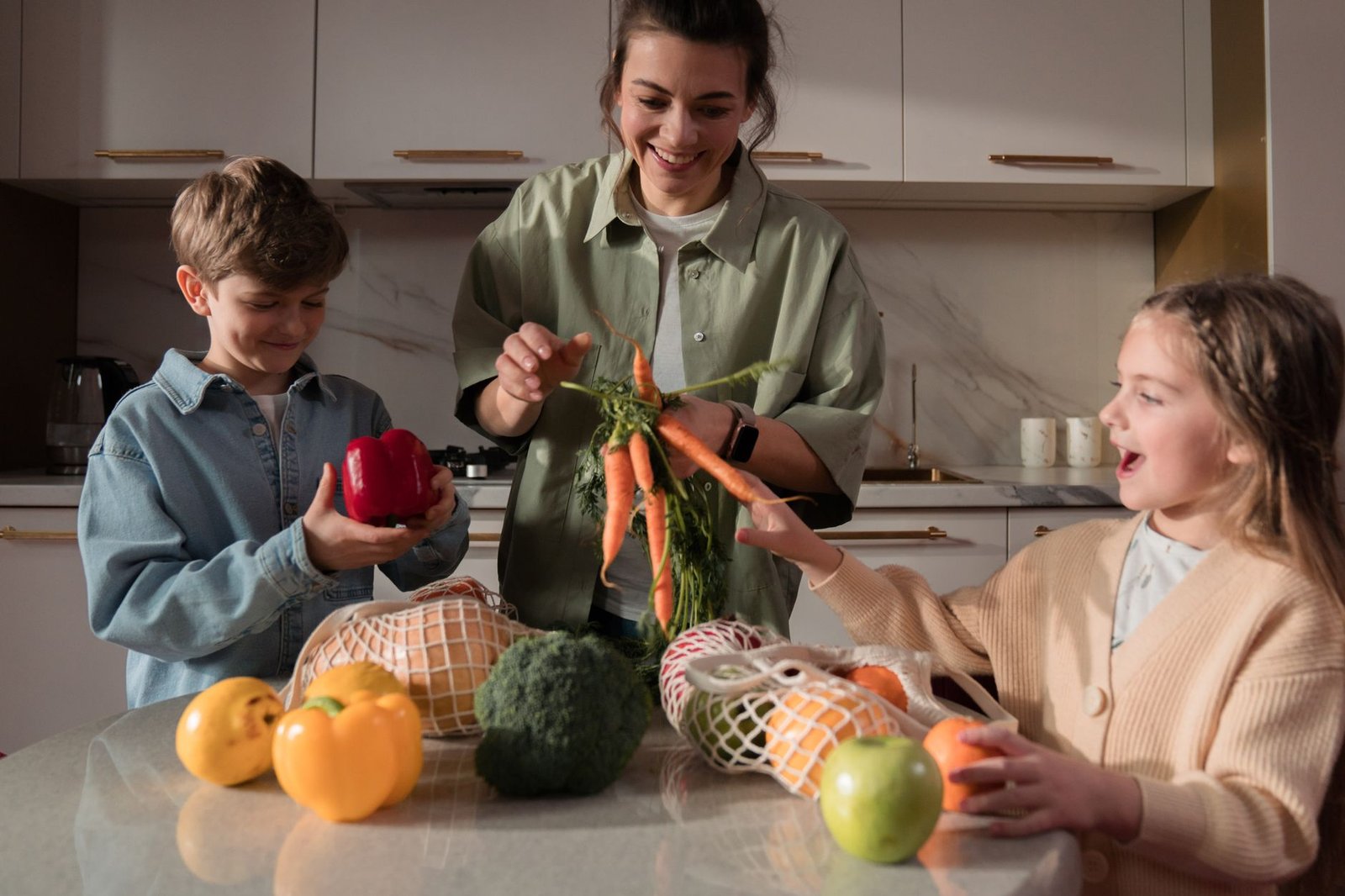
Budget-friendly version? Use pantry staples for “create-your-own” meals like oatmeal bars, tacos, or grain bowls. One family reported that their weekly “pizza Friday” prep became a cherished ritual that even their teenager enjoys. Mostly because they get to customize their own toppings. The cleanup is part of the process. Everyone helps wipe counters and load dishes.
Everyone helps wipe counters and load dishes.
5. Gratitude Spotlights
Move beyond simple “what went well” questions by implementing rotating gratitude spotlights. During dinner or bedtime, each family member shares one specific thing they appreciated about another person that day. This practice, supported by positive psychology research, strengthens relational bonds and reduces sibling rivalry.
For younger children, keep it concrete: “I loved how you shared your crayons with me.” Teens might acknowledge efforts rather than outcomes: “Thanks for helping me with my math homework even when you were tired.” Families who maintain this habit report noticing more small kindnesses throughout the day. And feeling more motivated to create them.
6. Collective Downtime
Parallel relaxation is a growing trend. Being together while doing quiet, individual activities. Instead of everyone scattering to different screens or rooms, create a shared space where family members read, draw, or puzzle separately but together. This satisfies the need for both connection and autonomy, especially valuable for families with introverted members.
Ages 4+ can participate with picture books or coloring. Teens might appreciate the option to wear headphones while still being physically present. Research in Journal of Family Psychology indicates that families who practice shared solitude report higher satisfaction with family time. One parent noted that their previously resistant teen now often chooses to bring their homework to the living room instead of isolating in their bedroom.
7. Flexible Tradition Building
Rather than rigid routines, build traditions that adapt to your family's evolving needs. Maybe it's a monthly “breakfast for dinner” night or a seasonal backyard camping event. The key is consistency in concept but flexibility in execution. If the camping gets rained out, move it to the living room with blankets and flashlights.
Studies on family rituals show that their predictive power lies in their meaningful repetition, not perfection. Families report that these adaptable traditions become anchoring points during busy or stressful periods. For blended families or those with shared custody, flexible traditions can be particularly valuable for creating continuity across different households.
Small changes, real momentum
Get practical guides and templates you'll actually use — a few thoughtful emails a month.
Frequently Asked Questions
What if my family resists these new habits?
Start with one habit that feels most achievable and introduce it as an experiment rather than a permanent change. Frame it with curiosity: “Let's try device-free evenings this week and see how we feel Friday.” Resistance often diminishes once everyone experiences the benefits. For stubborn cases, involve resistant members in choosing which habit to try next, autonomy increases buy-in.
How do we maintain these habits during particularly busy seasons?
Scale down rather than abandon them. If nature breaks normally mean park visits but soccer season eats all your time, try five minutes of stargazing before bed instead. If family council meetings typically run 20 minutes, condense to a 5-minute check-in during car rides. The consistency of the practice matters more than the duration or elaborateness.
Are these habits appropriate for families with wide age ranges?
Absolutely, the key is implementing them with age-adjusted expectations. A family council with a toddler, tween, and teen will look different for each participant, but everyone can contribute at their level. The toddler might share through pictures while the teen discusses schedule conflicts. The habits are designed to be framework-based rather than prescription-based for this exact reason.
Related from our network
- Smart Home Gifts Mom Will Love: Top 10 Devices for Easier Life (2026 Tested) (theconnectedhaven)
- Top 10 List for Health & Wellness: The Ultimate Guide to Better Living (groundinge)
- Top 5 Smart home lifestyle (2025 Expert Guide) (theconnectedhaven)
Related: Family: How to Run One Bullet Journal for Work, Family, and Wellness
Your Weekly Dose of Inspiration
Journaling ideas, family tips, and gentle inspiration.
Related from our network

