

50+ Family Game Night Ideas Everyone Will Love
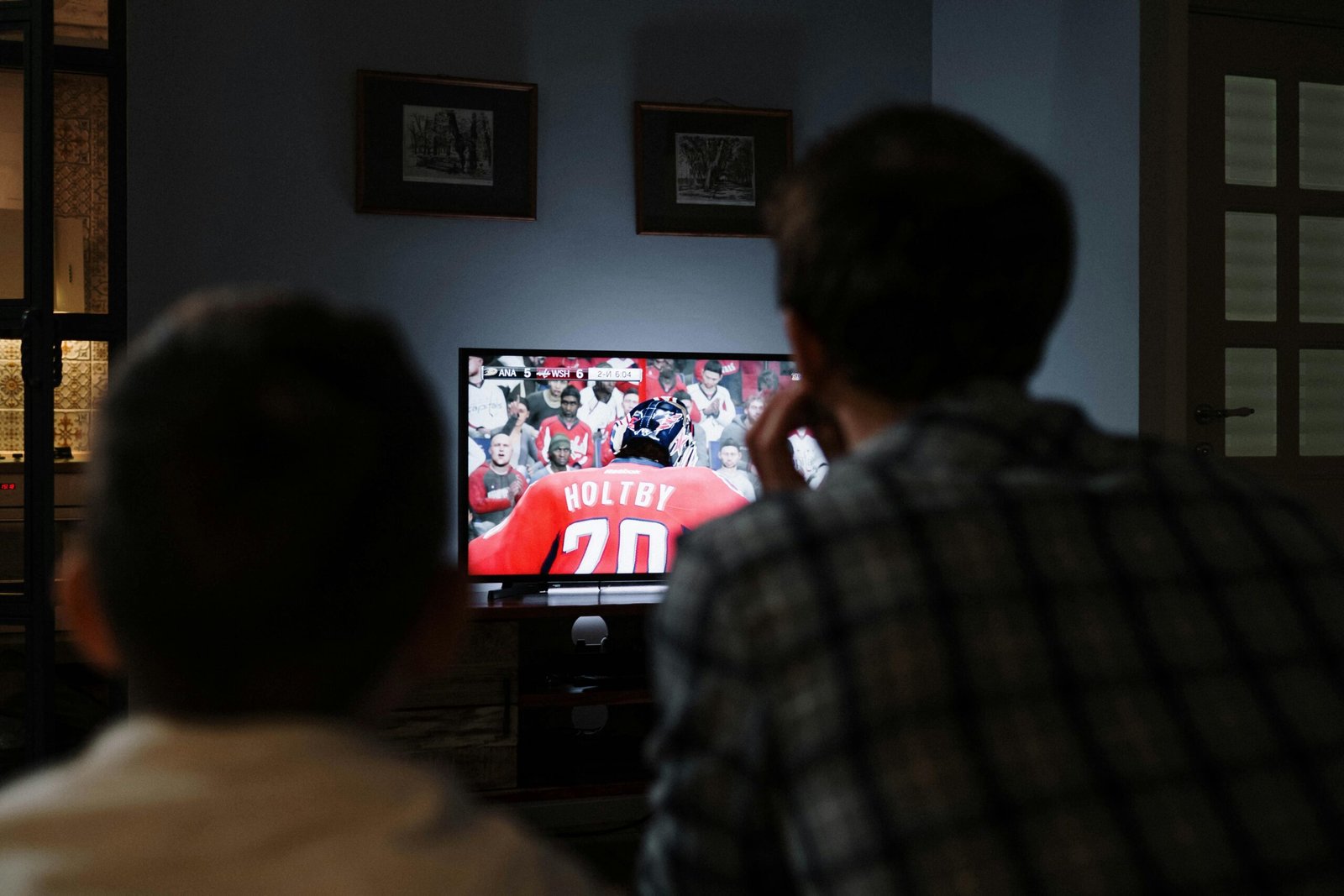
Picture this: phones tucked away, everyone gathered around the table, and the sound of genuine laughter filling your home. That's the magic of family game night. Whether you're looking to create new traditions or breathe fresh life into your weekly routine, the right family game night ideas can transform ordinary evenings into cherished memories your kids will talk about for years to come.

In this guide, you'll discover over 50 game night activities spanning every age, energy level, and family dynamic. From classic board games that stand the test of time to creative challenges that spark imagination, you'll find options for quiet nights in and high-energy competitions. let's get startedto the ultimate collection of games that bring families closer together.
Classic Board Games That Never Get Old
Sometimes the best family game night ideas are the ones that have been bringing families together for generations. These timeless favorites combine strategy, luck, and just the right amount of friendly competition.

- Monopoly Junior – This simplified version of the classic property game works perfectly for mixed-age families. Kids as young as five can grasp the basic buying and selling concepts, while older family members enjoy the strategic thinking. A typical game lasts 30-45 minutes, making it manageable for shorter attention spans.
- The Game of Life – Life's journey becomes a bonding experience as your family navigates career choices, family milestones, and financial decisions together. This game naturally sparks conversations about values and dreams. It works especially well for families with children ages eight and up who are starting to understand cause and effect.
- Clue – Mystery-solving brings out everyone's inner detective. As you deduce who committed the crime, where, and with what weapon, you're actually teaching critical thinking and deductive reasoning. The suspense keeps even reluctant players engaged, and the game adapts well to different skill levels.
- Candy Land – Don't underestimate this childhood staple for families with toddlers and preschoolers. It requires no reading, teaches color recognition and counting, and gives little ones a chance to win against older siblings. The whimsical theme makes losing easier for young players to handle.
- Scrabble – Turn vocabulary building into family fun. For mixed ages, try team play where younger kids partner with adults. This naturally creates teaching moments about spelling and strategy without feeling like homework. Keep a dictionary handy for word challenges and learning opportunities.
- Yahtzee – The satisfying shake of dice and the simple score-keeping make this perfect for families just starting game night traditions. Math practice sneaks in naturally as kids tally scores. Games move quickly enough to play multiple rounds, and the luck factor means anyone can win.
- Chess – While intimidating at first, chess offers incredible benefits for developing strategic thinking. Start young children with basic piece movements, then gradually introduce tactics. Many families find that chess becomes a special one-on-one bonding activity between parent and child.
- Checkers – This accessible strategy game requires only minutes to learn but years to master. The straightforward rules mean even kindergarteners can play, while the tactical depth keeps older players engaged. It's perfect for that 20-minute window before bedtime.
- Connect Four – Quick rounds and simple objectives make this ideal for impatient players. The vertical board adds visual interest, and the satisfying “click” of dropping checkers provides sensory engagement. Families often play tournament-style with winners advancing through brackets.
- Battleship – Strategic thinking meets the thrill of discovery in this naval warfare classic. The two-player format works well for parent-child bonding, and the grid system subtly reinforces coordinate skills. The anticipation of calling shots creates genuine suspense.

Card Games for All Ages
A simple deck of cards opens up endless game night activities. These versatile options require minimal setup and pack easily for travel, making them perfect for maintaining your family game night tradition anywhere.
🎁 Top Picks for Your Family
As an Amazon Associate, we earn from qualifying purchases.
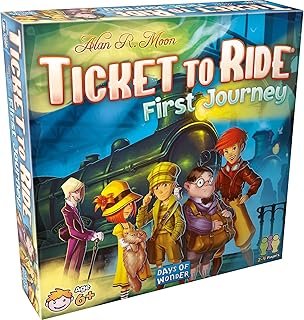
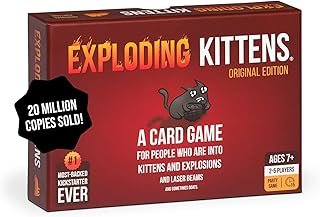
- Uno – Color and number matching combined with strategic “skip” and “reverse” cards create fast-paced excitement. The rules are simple enough for four-year-olds, yet the strategy keeps adults engaged. House rules like stacking draw cards add personalized fun to your family tradition.
- Go Fish – This childhood classic teaches turn-taking, memory skills, and good sportsmanship. The repetitive asking and answering builds language skills in young children naturally. For added engagement, use themed decks featuring your children's favorite characters.
- Crazy Eights – Similar to Uno but using a standard deck, this game teaches suit and number recognition. Kids learn to think ahead about which cards to save and which to play. The flexible rules allow families to add variations as children master the basics.
- Spoons – Fast-paced chaos meets hilarious competition in this high-energy card game. As players grab for spoons when they complete a set, laughter and friendly scrambling ensue. The physical component makes this perfect for families with energetic kids who struggle sitting still.
- Slapjack – Reflexes and attention get a workout in this simple yet addictive game. Everyone watches for jacks, and the first to slap the pile wins those cards. The quick rounds and equal chance for all ages make it a regular request in many households.
- Kings in the Corner – This solitaire-style game for multiple players teaches sequencing and strategic thinking. The collaborative-competitive balance means families work their own piles while occasionally helping others. Games last 15-30 minutes, perfect for a quick connection before homework.
- Rummy – Creating sets and runs develops pattern recognition and planning skills. Start younger players with simplified scoring, then add complexity as they grow. The game scales beautifully from two players to six, accommodating different family sizes.
- War – The ultimate no-strategy needed game for very young children. While it's pure chance, kids love the dramatic flip of cards and the suspense of tied battles. This works particularly well for practicing number comparison with preschoolers.
- Phase 10 – Ten different challenges keep gameplay fresh across multiple sessions. Families can play phases in order or mix them up for variety. The combination of luck and strategy means different family members win regularly, keeping everyone motivated.
- Dutch Blitz – This fast-paced card game combines speed with pattern recognition. Each player races to play their cards in specific sequences, creating controlled chaos. The quick rounds mean even kids with short attention spans stay engaged, and the game accommodates large families beautifully.
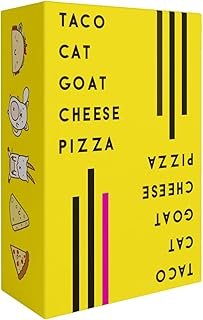
Taco Cat Goat Cheese Pizza
Fast-paced addictive card game that's easy to learn
As an Amazon Associate, we earn from qualifying purchases. Prices updated regularly.
Making Family Game Night Successful: Bonus Tips
Having great family game night ideas matters, but how you implement them determines whether game night becomes a cherished tradition or a source of stress. These practical strategies help ensure everyone has fun.
Create the Right Environment
Minimize distractions by putting phones in a basket and turning off televisions. Prepare simple snacks beforehand so no one needs to interrupt play for food prep. Keep the lighting bright enough to see clearly but comfortable enough to feel cozy. Background music at low volume can ease tension during competitive moments.
Set clear expectations before starting. Discuss game rules, time limits, and behavior guidelines. For younger children, practice winning and losing gracefully before competition begins. Remind everyone that the goal is connection, not just victory.
Adapt for Different Ages
Handicapping systems keep games fair when ages vary widely. Give younger players extra moves, hints, or simplified rules. Create teams that pair older and younger siblings, building cooperation while balancing abilities. Rotate team compositions so the same people don't always play together.
Choice matters for buy-in. Let children help select which game to play, even if it means playing the same game repeatedly. Their investment in the choice increases their engagement. Consider having each family member choose the game one night per month.
Handle Competition Gracefully
Celebrate effort and growth alongside wins. Notice when children demonstrate good sportsmanship, creative strategies, or persistence through challenges. These behaviors deserve recognition as much as victory. Consider keeping a “great moments” journal where you record memorable plays regardless of who won.
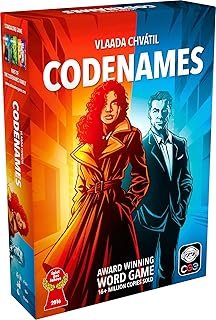
🎁 More Great Options
As an Amazon Associate, we earn from qualifying purchases.
Model good losing yourself. When you lose, verbalize your thought process: “I'm disappointed I didn't win, but I had fun playing with you.” This teaches emotional regulation while normalizing that everyone loses sometimes. Your example matters more than your words.
Build Traditions Around Game Night
Consistency creates anticipation. Choose a specific night each week for game night, making it as regular as possible. The predictability helps everyone prioritize the commitment. Some families find Sunday evenings perfect as a weekend closer, while others prefer Friday nights to start the weekend together.
Special touches make game night feel important. Use special snacks only served during game night, or let the winner choose dessert. Create a game night playlist or light specific candles. These small rituals signal that this time matters.
Frequently Asked Questions About Family Game Night
How do I handle a child who gets upset when losing?
Start with cooperative games where everyone wins or loses together, removing the individual pressure. Games like “Race to the Treasure” or “Hoot Owl Hoot” teach gameplay mechanics without competitive stress. Gradually introduce low-stakes competitive games where luck plays a major role, minimizing the feeling that losing reflects personal failure. Practice emotional regulation outside of game time, giving children language for their feelings and strategies for managing disappointment. During games, acknowledge feelings (“I see you're frustrated”) while maintaining boundaries (“We still play with respect”). Consider ending game night with a cooperative activity so everyone finishes on a positive note together.
What if we don't have time for regular game nights?
Start smaller than you think necessary. Even 15-20 minutes of quick games creates connection. Play one round of Uno during breakfast or a quick game of categories while waiting for dinner to cook. These micro-moments of play build bonds without requiring major schedule shifts. Some families find that playing shorter games more frequently (three times weekly for 20 minutes) works better than one long session. Others batch game time on weekends when schedules are less rushed. The key is consistency at whatever level works for your family, not achieving some idealized version of game night. Quality trumps quantity every time.
How many games should we own?
Quality matters more than quantity. Start with five versatile games covering different styles: one classic board game, one card game, one active game, one creative game, and one quick game. This variety ensures options for different moods and energy levels without overwhelming storage or budget. As children age and interests develop, add games strategically. Visit your local library—many now loan board games, letting you test options before purchasing. Consider game swaps with other families to rotate options without buying everything. The “right” number is however many get played regularly. Three well-loved, frequently played games beat fifteen dusty boxes sitting unused.
What about screen-based games?
Video games and apps can absolutely be part of family game night when chosen thoughtfully. Look for games requiring cooperation, communication, or creative problem-solving rather than individual play. Games like “Overcooked” demand teamwork and communication, while “Mario Kart” offers accessible racing fun for all skill levels. The key is ensuring technology facilitates connection rather than isolating family members. Balance screen time with unplugged options, perhaps alternating weeks or doing one digital game followed by one traditional game. Watch for everyone getting equal participation—if one person dominates controls while others just watch, that's not true family engagement. Set the same good sportsmanship expectations for digital games as physical ones.
How do we include very young children without boring older siblings?
Team play solves many age-gap challenges. Pair younger children with adults or older siblings, creating partnerships where the older partner can mentor and assist. This builds both competence in younger children and leadership in older ones. Choose games with multiple ways to participate—for instance, in Pictionary, young children can draw while older family members guess, then switch roles. Select games where turn-taking is quick, preventing long waits that lose toddler attention. Consider having a special toy or quiet activity available for the youngest if their attention wanes, allowing the rest of the family to continue without pressure. Not every family member needs to participate in every game for game night to succeed. Sometimes parallel play—where the toddler builds blocks nearby while others play cards—still creates family togetherness.
Quick Summary: Your Family Game Night Starter Kit
- Start simple: Choose 3-5 games covering different play styles
- Set a schedule: Pick one consistent night weekly for predictability
- Create rituals: Special snacks, music, or traditions make it feel important
- Adapt for ages: Team play and handicapping keep everyone engaged
- Focus on connection: The goal is time together, not perfect gameplay
- Model sportsmanship: Your behavior teaches more than your words
- Keep it fun: If stress outweighs joy, simplify or switch activities

Building Memories One Game at a Time
The best family game night ideas are the ones your family actually plays. Whether you're drawn to strategic board games, silly active challenges, or quick card games, what matters most is the laughter shared and memories created. These evenings become the “remember when” stories your children carry into adulthood—not because any particular game was special, but because you chose to be present together.
Start tonight with just one game from this list. Don't wait for the perfect moment or ideal circumstances. Pull out cards, clear the table, and invite your family to play. The dishes can wait, the emails can sit unanswered, and the laundry will still be there tomorrow. But your children won't stay young forever, and these opportunities to connect through play are the foundation of lifelong family bonds.
Your family game night tradition starts now. Which game will you try first? Save this list for future inspiration, and share it with other parents looking to create more meaningful family time. Here's to countless evenings of laughter, friendly competition, and the simple joy of being together.
Related Articles
- The Ultimate Guide to Family Meal Planning
- The Ultimate Guide to Bedtime Routine
- The Ultimate Guide to Screen Time Management
- The Ultimate Guide to Family Bonding
- Family Budget Planning Guide

Written by Sarah Mitchell, M.S., CFLE
Founder & Lead Editor
Sarah is a Certified Family Life Educator with a Master's degree in Human Development and Family Studies from the University of Missouri. With 15+ years of experience as a parent educator and mother of three, she brings both professional expertise and real-world parenting wisdom to every article.
Credentials: M.S. in Human Development and Family Studies, Certified Family Life Educator (CFLE)