


Disclosure: This post contains affiliate links. If you click through and make a purchase, we may earn a small commission at no extra cost to you. Thank you for supporting this site!

Does the daily routine of school runs, meal prep, and bedtime negotiations ever feel like it's leaving little room for connection and wonder? You're not alone. Many families we've spoken to, and countless parent forums echo this sentiment, crave those small, intentional moments that break the autopilot cycle. The good news is that inspiration doesn't require a grand vacation or a major life overhaul. It’s often found in the tiny, consistent habits we weave into the fabric of our days. We've analyzed advice from child development experts and synthesized the most common success stories from parent communities to bring you five simple, actionable habits designed to spark a little daily magic for your family in the coming year. These aren't about adding more to your plate, but about transforming the moments you already have.
7 min read
In This Article
Key Takeaways
- 1. The Three-Good-Things Check-In
- 2. The Ten-Minute Tidy
- 3. The Weekly “Adventure Jar”
- 4. Unplugged Connection Time
1. The Three-Good-Things Check-In
This habit is a powerful tool for cultivating gratitude and optimism, a practice consistently recommended by positive psychology researchers like Dr. Martin Seligman. The goal is to create a daily ritual where everyone shares three positive things from their day, no matter how small. The magic isn't just in the sharing, but in the “why”—explaining what made that moment good helps rewire our brains to scan for the positive.
For a family with young children (ages 3-6), this might look like a 5-minute chat during dinner. A parent might say, “My three things are: the sun was shining on my drive to work, my coffee was extra hot, and I got a big hug from you this morning.” A preschooler's list might be wonderfully simple: “I saw a red car, I had goldfish for snack, and we sang my favorite song.” For teens, this practice can be a low-pressure way to check in without feeling interrogated. The key is consistency over perfection. Some evenings it might feel forced, but according to parent reports on sites like Motherly and Fatherly, the cumulative effect over weeks and months builds a more positive family atmosphere. A common pitfall? Turning it into a quiz. The phrase “What was good about your day?” is far more effective than “Did anything good happen today?”
The phrase “What was good about your day?” is far more effective than “Did anything good happen today?”
2. The Ten-Minute Tidy
Clutter can be a major source of low-grade stress for parents, but a full-scale clean-up can feel like a battle. The Ten-Minute Tidy is a focused burst of energy that makes a visible difference without overwhelming anyone. Set a timer for ten minutes and everyone works together to restore one common area, like the living room or kitchen. This habit, often praised in home organization communities, teaches responsibility and the satisfaction of a quick win.
For toddlers (ages 2-4), their job might be to put all the soft toys in a bin. You'll likely need to work alongside them, modeling the behavior. For school-aged kids (5-12), assign specific, manageable tasks: “You're in charge of books, and you're in charge of pillows.” Using a visual timer, like the Time Timer brand, can help younger children understand the passing of time. The biggest challenge, as reported by many parents on platforms like Reddit's r/Parenting, is getting buy-in. Making it a game—can we beat the clock?—and following it with a small, positive reward like a favorite story or a few minutes of screen time can dramatically increase cooperation. This habit isn't about achieving perfection; it's about maintaining manageability and teaching that everyone contributes to the home.
Age-Specific Tidy Tasks
- Ages 2-4: Put toys in one designated bin, put shoes by the door, wipe a low table with a dry cloth.
- Ages 5-8: Make the couch cushions neat, gather trash into a small bag, put away 5-10 specific items.
- Ages 9+: Vacuum a rug, clear and wipe the dining table, load the dishwasher.
3. The Weekly “Adventure Jar”
Ruts happen when every weekend looks the same. The Adventure Jar introduces an element of surprise and anticipation. At the beginning of the week (perhaps during a Sunday family meeting), each family member writes down a simple, low-cost activity idea on a slip of paper and places it in a jar. On Saturday morning, someone draws one slip, and that's the family activity for the day. This takes the pressure off one person to be the perpetual cruise director.

The secret to success here is setting clear parameters. Ideas should be realistic, budget-friendly, and take no more than a half-day. Good examples include: “Visit a new playground,” “Have a picnic in the backyard,” “Build a massive blanket fort,” or “Bake cookies together.” For families with wide age ranges, you might have separate jars for “Big Kid Ideas” and “Little Kid Ideas” and alternate weeks. A common flop, as noted in family blog comments, is when an activity is too ambitious or expensive, leading to disappointment. The goal is novelty, not extravagance. This habit encourages everyone to think creatively about having fun together.
This habit encourages everyone to think creatively about having fun together.
4. Unplugged Connection Time
In a world of screens, intentional offline time is a radical act of connection. This habit involves designating a specific, short window of time each day where all devices are put away—parents included—and the focus is entirely on each other. This isn't about punishing screen use, but about creating protected space for interaction. Research from organizations like Common Sense Media highlights the importance of modeling balanced screen behavior for children.
This could be the 20 minutes after dinner before starting the bedtime routine, or the first 15 minutes after everyone gets home from school and work. The activity should be simple: a card game, reading a book aloud, building with LEGOs, or just talking. For teenagers, who are deeply connected to their social worlds via their phones, this habit requires negotiation. Instead of a blanket ban, try “device-free dinner” as a starting point. The most frequent complaint from parents is their own difficulty disconnecting. Being honest about this challenge and committing to it as a team (“I'm going to put my phone in the other room so I'm not tempted”) makes it a shared family value rather than a rule just for the kids.
5. The Gratitude Jar & Year-End Review
This is a long-term habit that builds a beautiful archive of your family's year. Place a large jar or box in a common area with a stack of small papers and a pen nearby. Whenever something memorable happens—a funny quote from a child, a personal achievement, a great day out—anyone in the family can write it down and date it, then drop it in the jar. It's a living, growing scrapbook of your family's story.
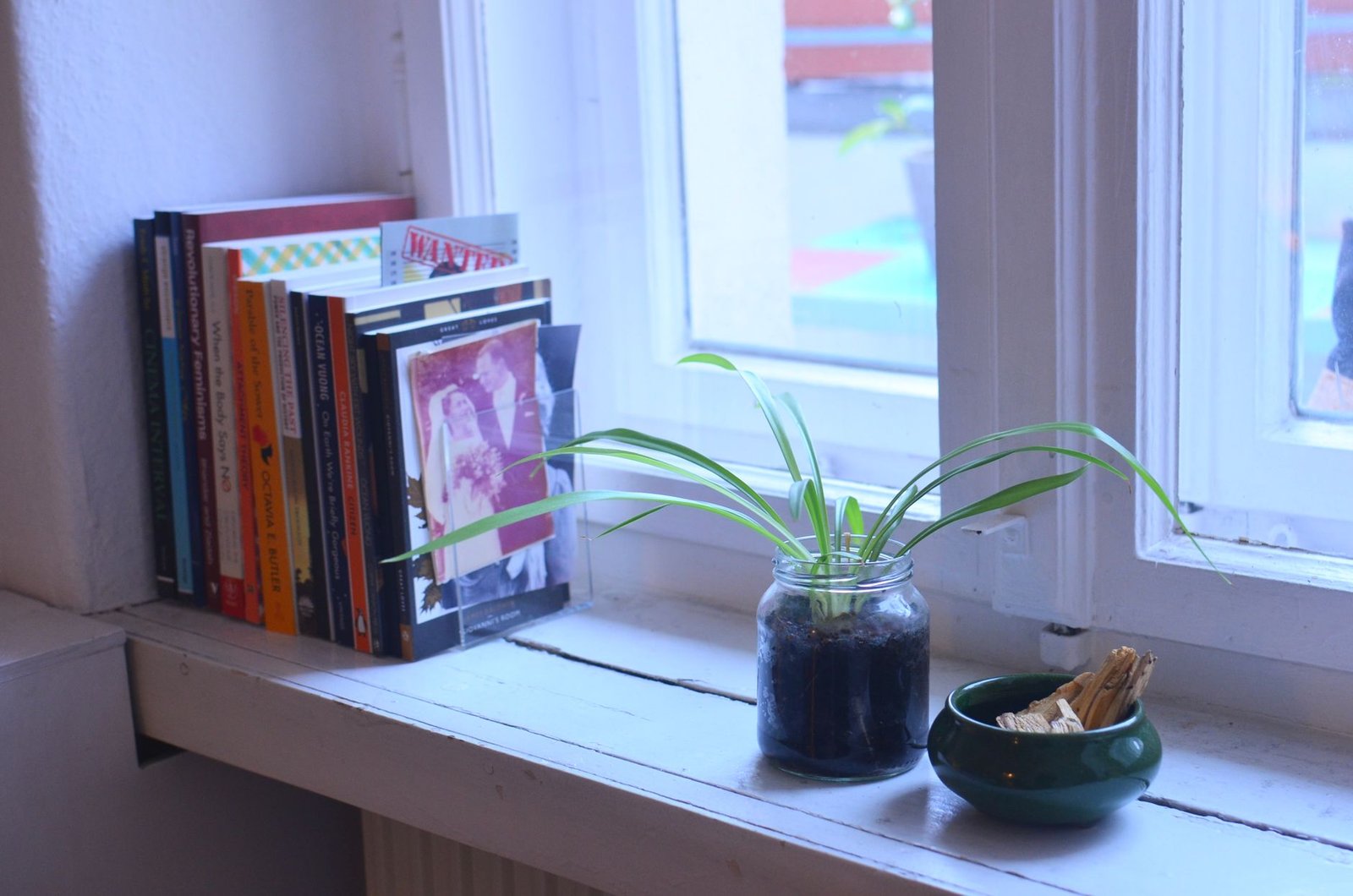
On New Year's Eve, or another significant date, the family gathers to empty the jar and read the notes aloud. This creates a powerful ritual of reflection and celebration. For non-writers, like very young children, a parent can act as a scribe, or they can draw a picture to represent their happy memory. The key is to keep the barrier to entry low. A beautiful, decorated jar might be inviting, but a simple shoebox works just as well. The common pitfall is forgetting to use it. To combat this, link the habit to an existing one, like doing the gratitude jar right after the “Three-Good-Things” check-in. Reading the notes at the end of the year, as countless family bloggers attest, is a profoundly moving experience that reinforces your family's resilience and joy.
Making the Habits Stick in 2026
The biggest mistake families make is trying to implement all five habits at once. That's a recipe for burnout. Instead, pick one habit that resonates most with your family's current challenges and focus on it for a month. Use a family calendar or a Bullet Journal to track your consistency—not to shame yourselves for missing a day, but to celebrate a streak. According to behavioral science, habit formation is about consistency, not perfection. If you miss a day, just start again the next.
Remember, these habits are tools, not obligations. If the Ten-Minute Tidy causes more stress than it relieves, maybe your family thrives better with the Adventure Jar. The goal is to find what brings a little more light and connection into your home. The most successful families, based on community reports, are those that adapt these ideas to fit their unique rhythm and aren't afraid to drop what isn't working.
Small changes, real momentum
Get practical guides and templates you'll actually use — a few thoughtful emails a month.
Frequently Asked Questions
What if my teenager refuses to participate?
Resistance is common, especially with teens who value their independence. Instead of making it a command, frame it as an invitation and be willing to negotiate. Perhaps they can suggest a modification to the habit that makes it more palatable for them, like choosing the activity for the Adventure Jar or having a shorter, 10-minute unplugged time. The most important thing is that you, the parent, consistently model the behavior without forcing it. Your steady participation shows its importance more than any lecture ever could.
We have a toddler and a tween. How do we make these habits work for both?
This is a classic challenge! The key is differentiation. For a habit like the Three-Good-Things check-in, you can have the tween help the toddler think of their “good things,” making them a helper. For the Ten-Minute Tidy, assign age-appropriate tasks, as outlined above. The Adventure Jar can include a mix of ideas that appeal to different ages, and you can rotate who picks the activity. The goal isn't for every activity to be equally thrilling for everyone every time, but for everyone to feel included in the family culture you're building.
We're so busy. How can we possibly add one more thing?
This is the most valid concern. The beauty of these habits is that they are designed to be integrated into time you already have, not to add more. The Three-Good-Things check-in happens during a meal. The Ten-Minute Tidy reclaims time you'd otherwise spend stressed about clutter. Unplugged time is about reallocating attention from screens to each other. Start with the habit that you feel would save you the most mental energy or create the most joy relative to the time invested. Often, these small investments of time actually make the rest of your busy life feel more manageable and meaningful.
Related from our network
- 10 Must-Have Smart Home Devices to Automate Your Morning Routine in 2024 (theconnectedhaven)
- Smart Home Gifts Mom Will Love: Top 10 Devices for Easier Life (2026 Tested) (theconnectedhaven)
- Best Smart Kitchen Gifts for Mom 2026: Gadgets She Will Use Daily (kitchentechinsider)
Related: Family: How to Run One Bullet Journal for Work, Family, and Wellness
Your Weekly Dose of Inspiration
Journaling ideas, family tips, and gentle inspiration.
Related from our network

