

Ever find yourself staring at the clock at 3:30 PM, wondering how to turn the chaotic after-school hours into something that actually feels good? You're not alone. Between snack requests, backpack explosions, and the dreaded homework battles, it's easy to let this time slip by without any real connection. But what if you could transform those 60 minutes into the strongest part of your family's day? We've gathered five simple, parent-tested routines that build real bonds without adding to your stress. They're based on what thousands of families report actually works—and what commonly flops.

5 min read
In This Article
Key Takeaways
- The 10-Minute Snack & Share
- The 15-Minute “We Tidy” Team-Up
- The 20-Minute Creative Connection
- The 5-Minute Movement Reset
The 10-Minute Snack & Share
This isn't just about refueling tiny bodies. It's a structured debrief that gives you a real window into their day. Set a timer for 10 minutes. You'll need a simple snack (apple slices, cheese sticks, or a handful of goldfish crackers work perfectly) and a clear table space. The magic is in the prompt: “Tell me one rose (something good) and one thorn (something hard) from your day.” For a 5-year-old, this might be a 30-second exchange. A 9-year-old might take the full time. Budget alternative? Skip the fancy charcuterie board. A box of generic crackers and a glass of water gets the job done just as well. The goal is consistency, not culinary perfection.


Why this works: Child development experts like those at the Child Mind Institute note that predictable, low-pressure routines help kids feel safe and more willing to open up. This ritual gives them a predictable format to share wins and struggles. The timer keeps it from dragging on and prevents you from slipping into problem-solving mode. Just listen. This almost always flops if you try to do it while also unloading the dishwasher or scrolling on your phone. Be fully present for those few minutes.
This almost always flops if you try to do it while also unloading the dishwasher or scrolling on your phone.
The 15-Minute “We Tidy” Team-Up
Nobody loves cleaning, but turning it into a team sport changes everything. This routine takes 15 minutes max. You'll need a designated drop zone for backpacks and shoes (a simple bin or a row of hooks works) and a timer. The rule: we all work until the buzzer goes off. For a 3-year-old, that might mean putting one pair of shoes in the bin. A 7-year-old can hang their backpack and put lunch containers on the counter. Crank some music to make it feel less like a chore. The goal isn't a spotless house; it's shared responsibility and a calmer transition into the evening.
Parent reports on forums like Mumsnet consistently show that involving kids in small, timed clean-ups reduces after-school clutter chaos dramatically. The key is keeping it short and focused. This fails hard if you turn it into a deep-clean session or start nitpicking how they fold a jacket. It's about the team effort, not perfection. If you have a child who resists, try a reward like “after we tidy, we can read one book together.”
The 20-Minute Creative Connection
This is for when you need to shift gears from the busyness of the day into a calmer, creative space. You'll need basic art supplies: paper, crayons or washable markers, and maybe some stickers. Set a theme like “draw your favorite animal” or “what made you laugh today.” For a 4-year-old, this activity takes about 20 minutes of focused time. A 2-year-old might only last 7-10 minutes and will need much more hands-on help. Budget alternative? Use the back of junk mail instead of fancy sketchbooks, and crayons from the restaurant kids' menu stash.
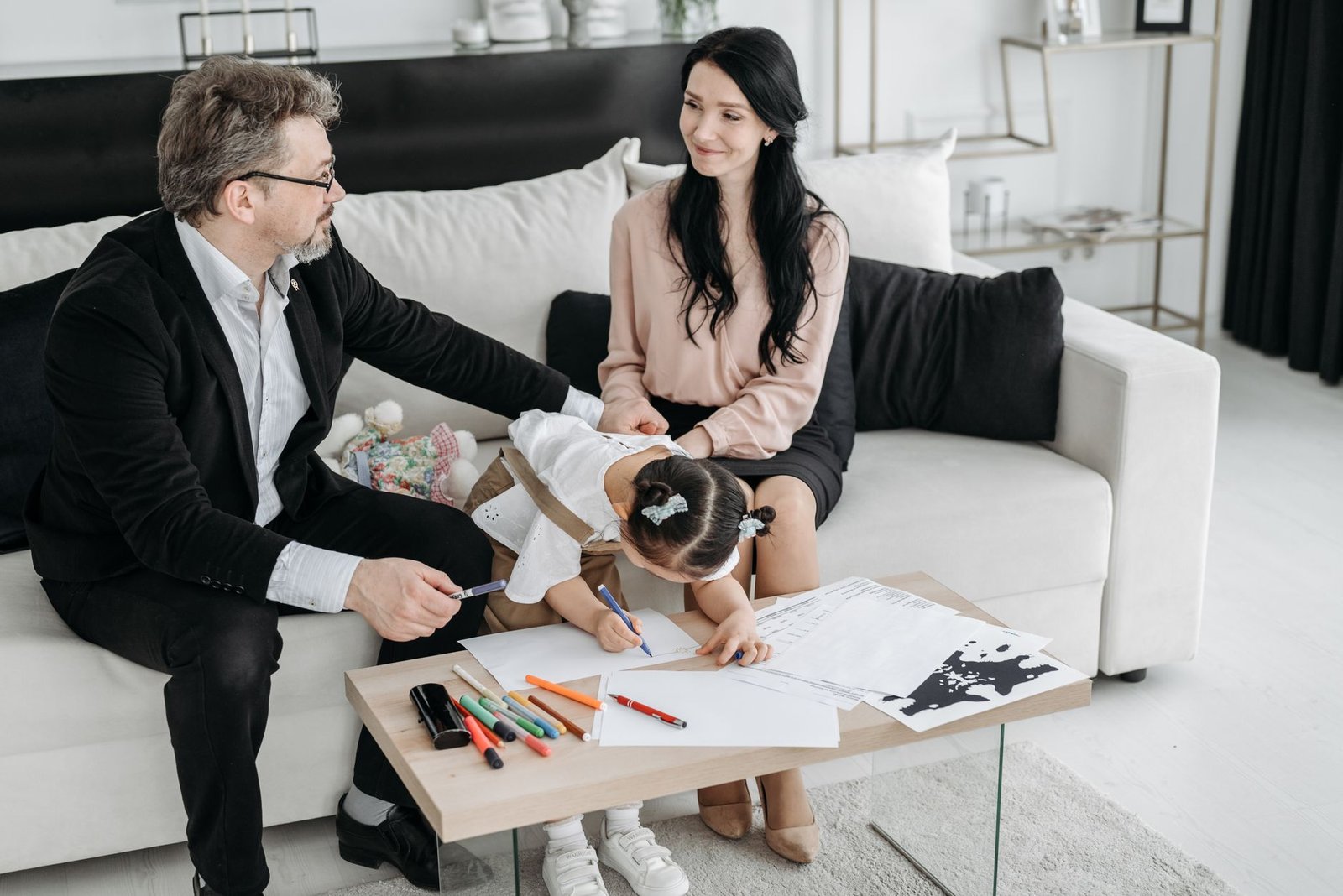
The outcome isn't a gallery-worthy piece of art. It's the side-by-side creation and casual conversation that happens. According to a report by the National Endowment for the Arts, engaging in arts activities alongside caregivers supports emotional regulation and communication skills in young children. This one flops if you try to direct the artwork or correct their choices. Go with the flow. If they want to color the entire page black, that's okay. It's about the process, not the product.
It's about the process, not the product.
The 5-Minute Movement Reset
Kids have been sitting all day. They need to move! This high-energy reset takes just 5 minutes and requires zero materials. Put on a favorite song and have a living room dance party. Or step outside and run three laps around the yard. For a toddler, this might look like jumping in place or spinning until they're dizzy. A 10-year-old might challenge you to a push-up contest. The goal is to get the wiggles out and release any pent-up energy from the school day before attempting quieter tasks like homework.
Pediatric occupational therapists often recommend heavy work and vestibular input (like spinning or jumping) to help kids' sensory systems reset after long periods of sitting. This is a guaranteed win for most families. It only flops if you try to do it right before bed, as it can be overstimulating. The best time is immediately after the snack or tidy-up routine.
The 10-Minute Preview Power-Up
This routine saves so many morning meltdowns. Take 10 minutes before dinner to look ahead at the next day together. You'll need a family calendar (a whiteboard or a simple paper printout works) and your child's backpack. Check for any permission slips that need signing, discuss what the weather will be like to pick out clothes, and talk about what's happening after school tomorrow. For a 6-year-old, this makes the next day feel predictable and less scary. A pre-teen might roll their eyes, but they'll still appreciate knowing the game plan.
This is based on the executive function principle of “previewing,” which reduces anxiety by making the unknown known. It fails if you use it as a time to lecture about forgotten homework. Keep it neutral and practical. The simple act of looking at the forecast together and saying, “Looks like rain tomorrow, so we'll need your boots!” empowers them and makes them feel like part of the team.
Small changes, real momentum
Get practical guides and templates you'll actually use — a few thoughtful emails a month.
Frequently Asked Questions
My kids are different ages. How do I make this work?
Focus on routines that are easily adaptable. The Snack & Share and Movement Reset work beautifully for mixed ages because each child can participate at their own level. A toddler can show you how they jump, while a third-grader tells you about their math test. For the Creative Connection, you might set the toddler up with washable dot markers next to the older child who's drawing a detailed picture. The key is being together in the same space, even if the tasks look different.
What if we only have 30 minutes total between getting home and leaving for sports?
Prioritize! Combine the shortest routines. A 5-minute Movement Reset followed by a 10-minute Snack & Share covers two key bases: physical release and emotional connection, all in 15 minutes. Then use the Preview Power-Up in the car on the way to practice to talk about the next day. It's about the quality of the interaction, not checking every single box.
My child refuses to participate. What now?
Start super small and attach the new routine to something they already love. If they always want a snack, that's your entry point. Sit with them and try the rose and thorn question. If they resist tidying, make it a game—can they beat the timer? For resistant kids, consistency and low pressure are everything. Don't force it. Just model doing it yourself and keep inviting them. Often, they'll come around when they see it's a predictable, positive part of the day and not a punishment.
The biggest takeaway? Pick just one routine to start with this week. Maybe it's the Snack & Share. Master that, and then consider adding the 5-Minute Movement Reset next week. These routines aren't about adding more to your plate; they're about transforming what you're already doing into moments of connection. The goal is a calmer, more connected evening—not a perfect one. You've got this.
Related from our network
- How to Use AI Routines to Anticipate Your Daily Habits (smarthomewizards)
- Roles, permissions and data sharing in Family Safety (calcvortex)
- 10 Smart Home Hacks for Busy Families to Save 1 Hour Daily (theconnectedhaven)
Your Weekly Dose of Inspiration
Journaling ideas, family tips, and gentle inspiration.

